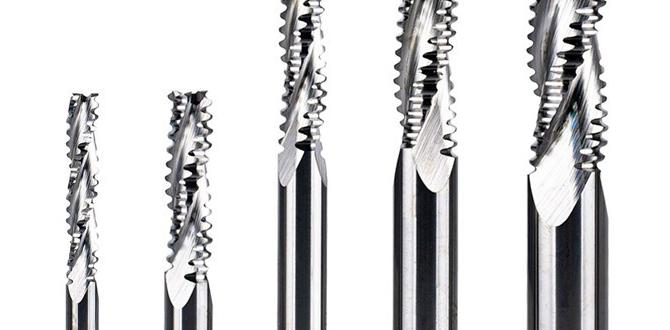
A 3/16″ carbide end mill is your go-to tool for reliably cutting aluminum on a milling machine. With the right settings and technique, you’ll achieve clean, precise aluminum parts efficiently and safely. This guide breaks down everything a beginner needs to know.
Welcome to Lathe Hub! Cutting aluminum on a milling machine might seem a bit daunting at first, especially when you’re just starting. We’ve all been there, staring at a piece of shiny aluminum and a brand-new carbide end mill, wondering if we’re going to make a beautiful part or a very expensive mess. The good news is that with a little knowledge, using a 3/16″ carbide end mill for aluminum is completely manageable and incredibly rewarding. It’s a common size, and when used correctly, it leaves a fantastic finish. We’ll walk through selecting the right tool, setting up your machine, and making those clean, precise cuts that will make you proud. Let’s get those chips flying safely and accurately!
Why a 3/16″ Carbide End Mill for Aluminum?
When you’re starting out in machining, choosing the right tools can make all the difference. For aluminum, especially common alloys like 6061, a 3/16″ carbide end mill is a workhorse. Let’s break down why this specific tool is so popular and effective for beginners and experienced machinists alike when tackling aluminum.
The Advantages of Carbide
Carbide, short for tungsten carbide, is a super-hard material that holds its edge much longer and cuts much faster than traditional high-speed steel (HSS). For aluminum, this means:
Speed: You can often run carbide tools at higher spindle speeds and feed rates than HSS. This translates to faster machining times, which is a big win for any project.
Tool Life: Carbide is significantly more wear-resistant. It can handle more aggressive cutting without becoming dull, leading to consistent results over many parts.
Heat Resistance: Aluminum can get gummy and stick to cutting tools. Carbide’s ability to withstand higher temperatures helps prevent this, keeping your cuts clean and your tool happy.
Why 3/16″ (or 8mm)?
The 3/16″ (which is roughly 4.76mm, but often you’ll see them referred to close to 8mm shank size for a standard imperial holder) diameter is a versatile size. It’s small enough for detailed work and engraving, but substantial enough for general milling and slotting operations.
Versatility: It’s great for creating grooves, pockets, contours, and even general 2D profile milling on aluminum parts.
Commonality: This size is very common in workshops. You’ll find it easily, and it fits standard collets and tool holders.
Heat Dissipation: Smaller diameter tools, when used correctly, can help manage heat better in softer materials like aluminum.
Choosing Your 3/16″ Carbide End Mill for Aluminum
Not all carbide end mills are created equal, especially when it comes to cutting aluminum. Here’s what to look for to get the best results.
Key Features to Consider:
Number of Flutes: This is crucial for aluminum.
2-Flute: Generally the preferred choice for aluminum. The extra chip clearance allows chips to escape easily, reducing the risk of the aluminum gumming up the flutes and causing tool breakage.
3-Flute: Can be used, but you might need to run slightly slower feed rates or ensure excellent chip evacuation. They offer a slightly smoother finish than 2-flute sometimes but are more prone to clogging with aluminum.
4-Flute: Typically not recommended for aluminum as they have less chip clearance and are more likely to clog.
Helix Angle:
High Helix (30-45 degrees): This is ideal for aluminum. A higher helix angle provides a sharper cutting edge and better shearing action, which is perfect for cleanly slicing through soft metals like aluminum and helps with chip evacuation.
Standard Helix (30 degrees): Still a good option, but high helix will usually perform better.
Coating:
Uncoated Bright Finish: For aluminum, often the best choice. The natural structure of the carbide is less likely to allow aluminum to stick.
ZrN (Zirconium Nitride) or AlTiN (Aluminum Titanium Nitride): These coatings can sometimes help with lubricity and tool life, but for beginners, an uncoated tool is often simpler and works very well on aluminum. Avoid TiN coatings as they can sometimes increase stickiness on aluminum.
End Type:
Square End: The most common type. Good for slots, pockets, and profiling.
Ball End: Used for creating radiused corners and 3D contours.
Corner Radius: A square end mill with a small radius on the corners can add a bit of strength and prevent small burrs on sharp inside corners.
Shank Diameter: Most 3/16″ diameter end mills will have a corresponding shank. While 3/16″ shank end mills exist, it’s more common to find a 3/16″ cutting diameter with a 1/4″ or 8mm shank. Ensure your collet or tool holder can accept the shank diameter. A larger shank generally offers more rigidity.
Example Tool Specifications:
Here’s what you might look for when buying:
| Feature | Recommended for Aluminum | Notes |
| :————- | :———————– | :—————————————— |
| Diameter | 3/16″ (approx. 4.76mm) | Standard size for many operations. |
| Shank Diameter | 1/4″ or 8mm | Ensure compatibility with your collets. |
| Flutes | 2 | Best for chip evacuation in aluminum. |
| Helix Angle | 30-45 degrees (High) | Provides good shearing and chip clearance. |
| Coating | Uncoated (Bright) | Minimizes aluminum sticking. |
| End Type | Square / Ball | Choose based on your intended cuts. |
| Material | Solid Carbide | For speed, hardness, and heat resistance. |
Always check the manufacturer’s specifications. Reputable brands like
MCMaster-Carr, Harvy Tool, or G-Wizard 365 (for their calculator, but they list tools too) will provide detailed info. For beginner-friendly resources on tooling, sites like YouTube channels from makers such as This Old Tony or Abom79 offer practical insights.
Setting Up Your CNC or Manual Mill
Proper setup is key to achieving good results and avoiding problems when cutting aluminum with your 3/16″ end mill.
Machine Preparation:
1.
Cleanliness is Key: Ensure your milling machine table, vise, and spindle are clean. Any dirt or debris can affect your setup and the finish of your part.
2. Secure Workpiece: Clamp your aluminum stock firmly in a vise or to the machine table. Use soft jaws if you’re concerned about marring the aluminum surface. The workpiece must not move during cutting.
3. Tool Installation:
Insert the 3/16″ carbide end mill into a clean collet.
Tighten the collet securely in the spindle or tool holder. Ensure the end mill is seated properly and not sticking out excessively. A good rule of thumb is to have the minimum amount of the tool sticking out of the collet needed for the cut to minimize vibration.
Setting Zero and Work Offsets:
| :————- | :———————– | :—————————————— |
| Diameter | 3/16″ (approx. 4.76mm) | Standard size for many operations. |
| Shank Diameter | 1/4″ or 8mm | Ensure compatibility with your collets. |
| Flutes | 2 | Best for chip evacuation in aluminum. |
| Helix Angle | 30-45 degrees (High) | Provides good shearing and chip clearance. |
| Coating | Uncoated (Bright) | Minimizes aluminum sticking. |
| End Type | Square / Ball | Choose based on your intended cuts. |
| Material | Solid Carbide | For speed, hardness, and heat resistance. |
Manual Mill: You’ll manually move your axes to the desired starting point on your workpiece and set your DRO (Digital Readout) to zero for X, Y, and Z.
CNC Mill: This involves using probes or manually touching off your tool to the workpiece to establish your program’s zero point (work offset G54, G55, etc.). For the Z-axis, you’ll typically touch off on the top surface of your aluminum.
Cutting Parameters for Aluminum (3/16″ Carbide End Mill)
This is where we get into the numbers. Aluminum is soft, so it doesn’t require excessive force, but it can be “gummy.” The trick is to cut it cleanly and efficiently. These are starting points, and you’ll adjust them based on your machine’s rigidity, the specific aluminum alloy, and the desired finish.
Speeds and Feeds Explained:
Spindle Speed (RPM): How fast the tool spins. For carbide on aluminum, you can often go quite fast.
Feed Rate (IPM or mm/min): How fast the tool moves into the material.
Depth of Cut (DOC): How deep the tool cuts on each pass.
Width of Cut (WOC): How much of the tool’s diameter engages the material sideways (for contouring or pocketing).
Recommended Starting Parameters (Imperial):
Always use a cutting fluid or lubricant specifically designed for aluminum. This is critical for preventing buildup and improving finish. Flood coolant or a mist applicator is ideal.
| Operation | Spindle Speed (RPM) | Feed Rate (IPM) | Depth of Cut (Inches) | Width of Cut (Inches) | Notes |
| :————— | :—————— | :————– | :——————– | :——————– | :——————————————————————————————————————————- |
| General Milling | 10,000 – 20,000 | 15 – 30 | 0.030 – 0.050 | 0.060 – 0.125 | Use a 2-flute end mill. This DOC and WOC are for a single pass. You can take multiple passes to reach the final depth. |
| Slotting | 10,000 – 18,000 | 10 – 20 | 0.020 – 0.040 | 0.187 (full width) | Slotting means cutting a full-width slot. Reduced feed rate and DOC are necessary to avoid binding and excessive force. |
| Finishing Pass | 15,000 – 25,000 | 25 – 40 | 0.005 – 0.010 | 0.020 – 0.050 | Light cut to clean up the surface and improve finish. Increase spindle speed and feed rate proportionally. Use a light coolant mist. |
Important Considerations:
Chip Load: This is the thickness of the chip that each cutting edge removes. For aluminum, you want a chip load that is substantial enough to cut cleanly but not so large it overloads the tool. A good target for a 3/16″ 2-flute carbide end mill is around 0.002″ – 0.005″ per flute per revolution. Feed Rate (IPM) = RPM x Number of Flutes x Chip Load per Flute. For example: 15,000 RPM x 2 flutes x 0.003″ CL = 90 IPM. (Note: This is a simplified calculation and doesn’t account for machine acceleration/deceleration or chip thinning.)
Use a Calculator: For more precise parameters, use a CNC machining calculator like G-Wizard Calculator. It’s an invaluable tool for beginners and experts alike. You input your tool, material, machine, and it gives you recommended speeds and feeds.
Listen to Your Machine: The sound of the cut is your best indicator. A high-pitched squeal often means you’re rubbing, not cutting. A loud clatter might mean you’re cutting too aggressively or have vibration. A smooth, consistent “shhhkchunk” sound is usually good.
Chip Evacuation: Keep those chips moving out of the flutes! If you see aluminum building up, slow down your feed rate, increase your spindle speed slightly, or adjust your depth/width of cut.
Coolant is Your Friend: Seriously, for aluminum, it makes a world of difference. It cools the cutting edge, lubricates the cut, and flushes away chips.
Cutting Techniques:
Climb Milling vs. Conventional Milling:
Climb Milling: The tool rotates in the same direction as its travel. This is generally preferred for aluminum as it produces a better surface finish, reduces tool pressure, and can lead to longer tool life. Most modern CNC controls make this easy.
Conventional Milling: The tool rotates against its direction of travel. This can cause tool chatter and a less desirable finish on aluminum.
Manual Mills: Conventional milling is often the default. To climb mill, you’ll need to implement specific techniques to control backlash in your lead screws. For beginners on manual machines, starting with conventional milling and being very careful with feed rates and depth of cut is often simpler.
Stepovers for Pockets: When milling out a pocket, don’t try to remove the whole area with one pass of the end mill. Use a stepover (width of cut) that is significantly less than the tool diameter, typically 20-50% of the tool diameter. This makes the cut more manageable for the tool and the machine.
Ramping and Peeling: For smoother entry into the material, especially in pockets, consider using a ramping helical interpolation (if your CNC supports it) or a “peeling” strategy where the tool enters the material at an angle. This avoids a direct plunge cut straight down with the end mill, which can be hard on the tool.
Safety First! Always!
Machining involves rotating sharp tools and moving machine parts. Safety cannot be stressed enough, especially when you’re learning.
Eye Protection: Always wear safety glasses or a face shield. Chips can fly unexpectedly.
Loose Clothing/Jewelry: Keep them away from the machine. They can get caught and cause serious injury.
Guards: Ensure all machine guards are in place and secure.
Stable Setup: Double-check that your workpiece is securely clamped. A flying workpiece can be extremely dangerous.
Tooling: Ensure your end mill is properly seated in the collet and the collet is tightened. A tool coming loose from the spindle is a major hazard.
Coolant Management: Be prepared for coolant. Have rags ready, or a collection system for chips and coolant.
Emergency Stop: Know where your machine’s emergency stop button is and how to use it.
Never Leave a Running Machine Unattended: Especially during initial setup and testing.
For more detailed safety guidelines, consult resources like the Occupational Safety and Health Administration (OSHA) website.
Common Issues and Troubleshooting
Even with the best intentions, you might run into a few snags. Here’s how to fix them.
Problem: Aluminum is sticking to/gumming up the end mill.
Solutions:
Reduce Feed Rate: You’re likely taking too large a chip.
Increase Spindle Speed: This can help create a faster chip that clears the flute.
Improve Chip Evacuation: Ensure you’re using a 2-flute end mill with a good helix angle. Use more coolant. Manually clear chips if necessary (when the machine is off!).
Lubrication: Use a cutting fluid specifically formulated for aluminum. Some machinists use WD-40 or a dedicated aluminum cutting stick for very light cuts or dry machining, but flood coolant is best.
Check Tool: The tool might be dull or damaged.
Problem: Poor surface finish (ripples, scallops, fuzzy edges).
Solutions:
Check for Vibration: Ensure your tool is sharp, not too long, and your workpiece is secure. Tighten your machine’s gibs if they’re too loose.
Increase Spindle Speed: Often leads to a smoother finish.
Reduce Feed Rate: Especially for finishing passes.
Use Climb Milling: If possible.
Clean Flutes: Buildup on the tool blurs the cutting edge.
Final Finishing Pass: Take a very light, shallow pass at a higher feed rate for a mirror-like finish.
Problem: The tool is chattering or making a loud squealing noise.
Solutions:
Reduce Depth/Width of Cut: You’re asking too much of the tool.
Increase Spindle Speed (carefully): Sometimes this smooths out the cut.
Use Climb Milling: If you’re conventional milling, try climb milling.
Check Tool Sharpness: A dull tool will chatter.
Improve Rigidity: Ensure your workpiece, tool, and machine are all rigidly held. Too much overhang on the tool or workpiece can cause issues.
Problem: Tool breakage.
Solutions:
Check Speeds & Feeds: Most breakages are due to too aggressive parameters or feed rate too low for the spindle speed (chip thinning).
Chip Evacuation: Clogged flutes lead to tool binding and breakage.
Workpiece Security: If the part moves, the tool will bind.
Tool Condition: A nick or dull spot can lead to failure.
Plunge Cuts:** Avoid plunging straight into solid material unless the tool is designed for it. Use helical ramping instead.
Frequently Asked Questions (FAQ)
Here at Lathe Hub, we get a lot of questions from beginners diving into machining. Here are some common ones about using a 3/16″ carbide end mill for aluminum:
Q1: Can I use a 3/16″ Carbide End Mill for materials other than aluminum?