Have you ever watched a lathe work? It spins metal and wood with precision. But did you know that a lathe can be dangerous? Without proper safety measures, accidents can happen in a blink. That’s where the lathe chuck guard comes in.
Installing a lathe chuck guard may sound tricky. But it’s actually quite simple and very important. This guard helps keep you safe from flying debris and moving parts. Imagine working on a project and suddenly something goes wrong. A guard can save you from serious injuries.
Wouldn’t you want to protect yourself while enjoying your craft? Let’s dive into the steps for lathe chuck guard installation. With just a few tools and some easy instructions, you’ll be on your way to a safer workspace. Safety first, right?
Lathe Chuck Guard Installation

Installing a lathe chuck guard is essential for safety during machining. This guard helps protect users from flying debris and accidents. First, gather the right tools and materials for installation. Begin by turning off the lathe and securing it properly. Did you know that a proper guard can prevent serious injuries? Following the manufacturer’s guide ensures a correct fit. Remember, safety first can make your turning projects much smoother and worry-free!
Types of Lathe Chuck Guards Available

Description of various designs and their purpose. Pros and cons of each type.
Lathe chuck guards come in different designs, each with a unique purpose. Some guards are fixed, protecting operators from flying debris. Others are adjustable, allowing for more flexibility while keeping safety in mind. Let’s look at their pros and cons.
| Type | Pros | Cons |
|---|---|---|
| Fixed Guards | Maximum safety | Limited access |
| Adjustable Guards | Flexible use | Less protection |
Each design has its charm and challenges. Always pick the one that keeps you safe, because nobody wants to become a human piñata! Remember, safety first, fun later!
Step-by-Step Installation Process
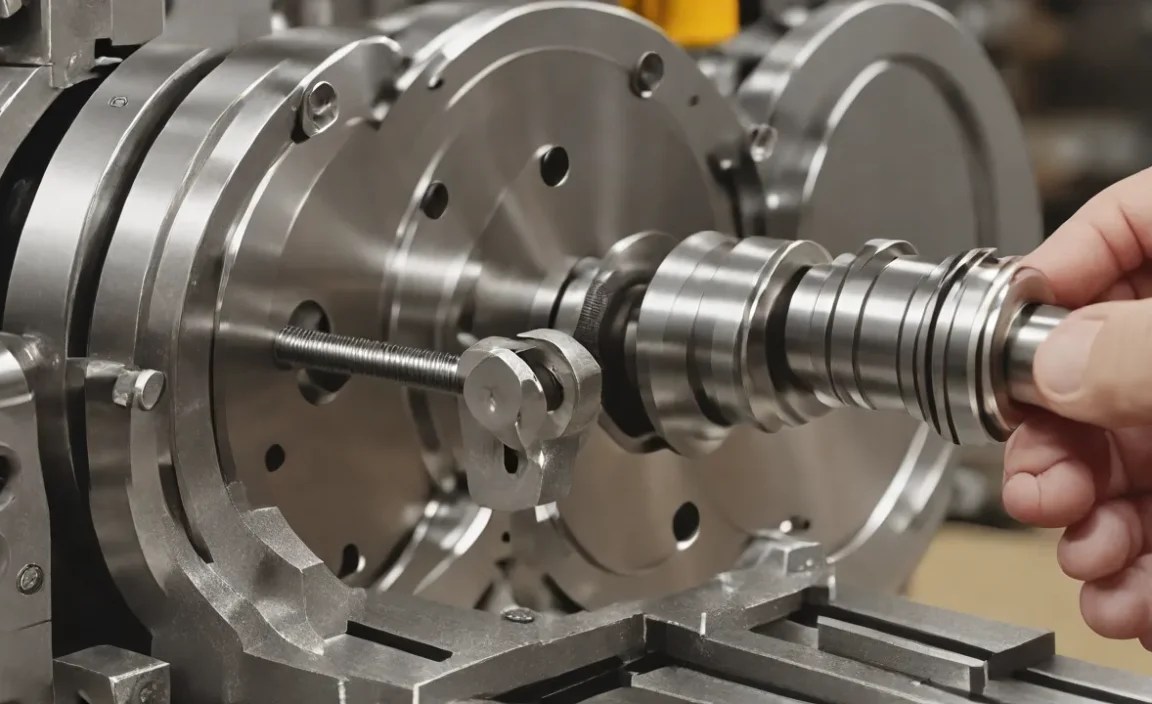
Detailed instructions for preparing the lathe for installation. Guide to securing the guard in place safely.
Before installing the lathe chuck guard, it’s important to prepare your lathe. First, make sure the lathe is turned off and unplugged. Safety first—no one wants a surprise spin! Check that all tools and materials are nearby. Keeping everything ready helps the process go smoothly.
Next, it’s time to secure the guard. Align it carefully over the chuck. Tighten the screws snugly so it won’t move during operation. Remember, a wobbly guard is like a pair of untied shoelaces—dangerous and silly! After that, double-check everything is in place. You can even do a little dance to celebrate your successful setup!
| Task | Tip |
|---|---|
| Power Off | Always unplug the lathe! |
| Alignment | Make sure the guard fits snugly. |
| Securing | Tighten screws firmly for safety. |
Common Mistakes to Avoid During Installation

List of frequent errors and their consequences. Tips for ensuring correct installation.
During lathe chuck guard installation, common mistakes can lead to serious problems. Here are some frequent errors:
- Not tightening the screws enough can cause the guard to fall.
- Incorrect placement may lead to accidents.
- Ignoring the safety manual can result in damaging the lathe.
To avoid these issues, remember to:
- Follow the instructions carefully.
- Double-check your work.
- Ask for help if unsure.
Taking these steps helps ensure a safe and effective installation.
What Are the Consequences of Mistakes?
Mistakes can cause accidents, damage the lathe, or lead to injuries. Always pay close attention to your work to stay safe and protect your equipment.
Maintenance and Care for Lathe Chuck Guards

Importance of regular inspections and cleaning. How to troubleshoot common issues.
Checking and cleaning your lathe chuck guard should be a regular habit. Think of it like brushing your teeth; it keeps everything working smoothly and prevents nasty surprises. Look for cracks, dirt, or any loose parts. If you spot something off, don’t panic! Grab your toolkit and give it a quick fix. Remember, an ounce of prevention beats a pound of cure. And if your guard seems stuck? Try a little oil—like giving it a spa day!
| Common Issues | Troubleshooting Steps |
|---|---|
| Cracks | Inspect regularly and replace if found. |
| Sticking | Apply oil and move gently to loosen. |
| Dirt Buildup | Clean with a soft cloth and mild cleaner. |
Upgrading and Customizing Your Chuck Guard
Options for enhancing functionality or safety. Recommendations for aftermarket upgrades.
Making your chuck guard the best it can be is a smart move. You can enhance its functionality and boost safety in no time. Options like clear shields help you see what’s happening while staying safe. Plus, adding an automatic lift makes it easy to access your lathe without dancing around safety rules.
Aftermarket upgrades might include a better locking mechanism. This can help your guard stay put even during the wildest projects. Don’t forget to check for compatibility so your upgrades play nice with your lathe. Remember, a chuck guard should protect you, not give you a headache!
| Upgrade Type | Benefit |
|---|---|
| Clear Shield | Better visibility |
| Automatic Lift | Convenient access |
| Better Lock Mechanism | Increased safety |
Frequently Asked Questions about Lathe Chuck Guards
Common queries related to installation and usage. Expert tips for troubleshooting while using lathe chuck guards.
Many people ask, “How do I install a lathe chuck guard?” Start by reading the manual; it’s like a treasure map for your tool. For troubleshooting, ensure the guard is firmly attached and check for any loose parts. If it wiggles like jelly, you may need to tighten it! Remember: safety first, jelly second. If you’re still confused, the experts say, “Don’t hesitate to reach out!”
| Common Questions | Quick Answers |
|---|---|
| Can I use my lathe without a guard? | No, it’s important for your safety! |
| What tools do I need for installation? | A wrench and perhaps a trusty screwdriver. |
Conclusion
In conclusion, installing a lathe chuck guard is important for your safety. It protects you from flying debris and accidents. First, gather your tools and follow simple steps carefully. We recommend checking online guides or videos for extra help. Remember, taking these safety measures keeps you safe while you work. So, gear up and start your installation today!
FAQs
What Are The Safety Regulations Regarding Lathe Chuck Guards In Industrial Settings?
In industrial settings, lathe chuck guards help keep you safe. These guards protect you from flying metal pieces. You must always use the guards when the lathe is running. It’s important to check them regularly to make sure they are working. Always follow your workplace rules about using these guards.
How Do You Determine The Appropriate Size And Type Of Chuck Guard For A Specific Lathe Model?
To find the right size and type of chuck guard for your lathe, check your lathe’s manual first. It usually tells you what fits best. You can also measure the chuck’s size on your lathe. Make sure the guard covers all the moving parts to keep you safe. Always choose a guard that matches your lathe model.
What Are The Steps Involved In Installing A Lathe Chuck Guard Correctly?
To install a lathe chuck guard, start by turning off the lathe and unplugging it. Next, find the right guard that fits your lathe. Then, use screws to attach the guard to the lathe’s bed. Make sure it is snug and doesn’t wobble. Finally, plug in the lathe and test it to see if the guard works correctly.
What Materials Are Commonly Used For Manufacturing Lathe Chuck Guards, And How Do They Affect Safety?
Lathe chuck guards are often made from metal, plastic, or glass. Metal is strong and can stop flying pieces. Plastic is lighter and also helps keep you safe. Glass lets you see the work while protecting you. Using these materials helps to keep everyone safe from accidents.
How Can Proper Installation Of A Lathe Chuck Guard Reduce The Risk Of Accidents During Machining Operations?
Installing a lathe chuck guard keeps you safe while working. It covers moving parts, so you won’t accidentally touch them. The guard also helps to stop pieces of metal from flying out. When you use the guard, you are less likely to get hurt. Always check that it’s installed properly before starting!
