Have you ever wondered how metal parts are made with such precision? The secret often lies in lathe workholding. This method helps secure the workpiece on a metal lathe, making it safe and easy to shape.
Picture this: You’re in a workshop, and you see sparks flying. A metalworker skillfully moves a tool against a spinning piece of metal. This magic happens thanks to the lathe cross slide. It supports the tool and allows smooth movements. Isn’t that fascinating?
Many people don’t know that good workholding can make a big difference in machining quality. If the workpiece isn’t held firmly, it can slip or move. That can ruin your project and waste materials. Finding the right techniques for lathe workholding is essential for getting it right.
In this article, we will explore the tools and methods that can help you master lathe workholding. Let’s dive in and uncover the world of metal lathe cross slides!
Understanding Lathe Workholding: The Role of the Metal Lathe Cross Slide

Do you know how metal is shaped in a lathe? The cross slide is a key part of a metal lathe. It helps hold the workpiece securely while it spins. Proper workholding ensures accuracy and safety during machining. Without it, you risk damage or injury. Imagine trying to cut a cake with a moving plate! The cross slide adds stability, allowing for precise cuts. Mastering its function can make the difference between a good and great metalworking project.
The Role of the Cross Slide in Metal Lathes

Explanation of the cross slide’s function and positioning. Benefits of using a cross slide for precision machining.
The cross slide is a clever part of a metal lathe. It moves left and right, helping position the workpiece with great accuracy. Imagine trying to bake a cake and putting icing on it without a steady hand—it would be messy! The cross slide gives you the control needed for perfect cuts.
Using a cross slide also means better precision in your work. This leads to better products and fewer mistakes. Plus, it’s like having a superhero sidekick for your machining tasks—always there to save the day! Interested in how it works?
| Function | Benefit |
|---|---|
| Moves left and right | Improves accuracy |
| Holds the workpiece | Reduces mistakes |
Setting Up Workholding on the Cross Slide

Stepbystep guide to properly aligning workpieces. Tips for achieving maximum stability and accuracy.
Aligning workpieces correctly on the cross slide is important for achieving great results. Start by ensuring your workpiece is clean and free from debris. Then, follow these steps:
- Place the workpiece on the cross slide.
- Adjust it until it is square with the tool bit.
- Lock the cross slide in place securely.
For maximum stability and accuracy, consider these tips:
- Use clamps to hold the workpiece firmly.
- Check alignment with a ruler or square.
- Make minor adjustments gently and check often.
Following these guidelines will help you create precise workpieces every time!
How do I ensure my lathe workholding is stable?
To ensure stability while working, always secure the workpiece using clamps and double-check its alignment before starting. Regularly inspect and clean the tools for best results.
Techniques for Enhancing Workholding Efficiency
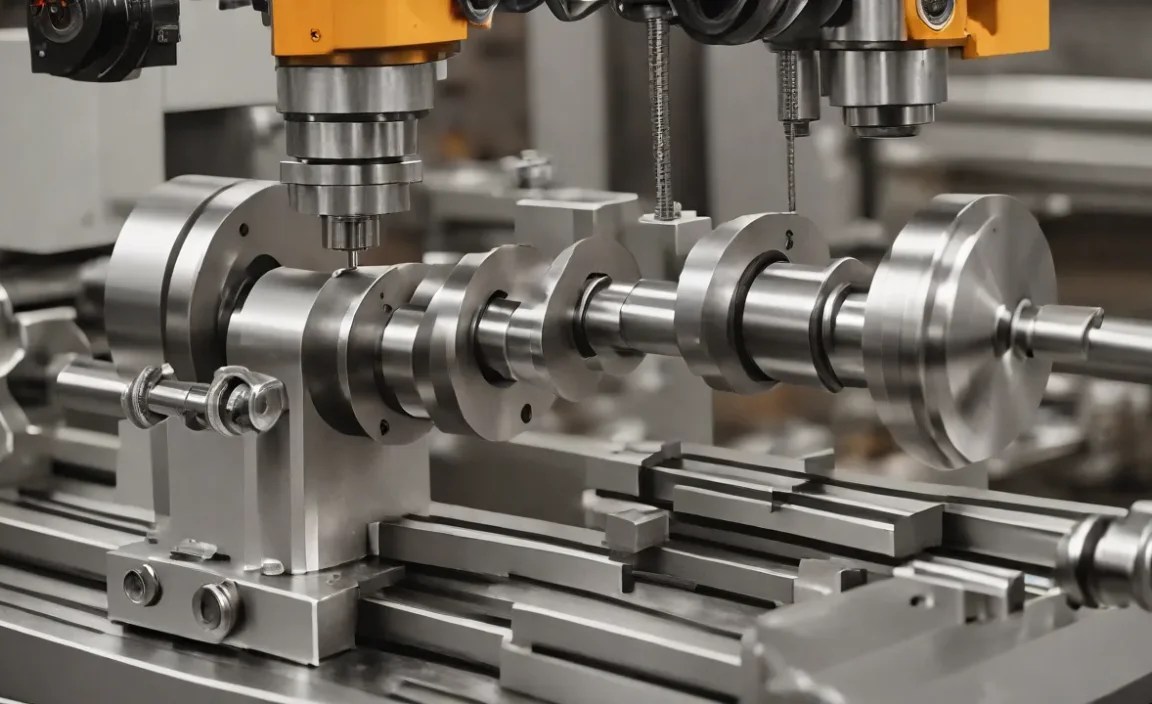
Best practices for adjusting the cross slide for various operations. Innovative tips for securing irregularly shaped workpieces.
To ensure your lathe operates smoothly, fine-tuning the cross slide is key. Adjust it based on your workpiece’s size. Remember, the more securely it’s held, the better the cuts! If you have an oddly shaped piece, think outside the box—try using V-blocks or soft jaws to grip it safely. That way, you won’t end up with a wobbly masterpiece. A little creativity goes a long way in workholding!
| Technique | Description |
|---|---|
| Cross Slide Adjustment | Fine-tune the slide to match the workpiece. It helps in getting precise cuts. |
| Securing Irregular Shapes | Use V-blocks or soft jaws for better grip on weirdly shaped items. |
Common Challenges in Lathe Workholding

Identification of frequent issues faced during lathe workholding. Solutions and troubleshooting techniques for common problems.
Throughout lathe workholding, several challenges can arise. Operators often face issues like misalignment, clamping difficulties, and vibration during cutting. These problems can lead to poor results and wasted materials. Solutions exist, such as verifying setup alignment, regularly checking clamps, and using dampening materials to reduce vibration. Implementing these troubleshooting techniques can enhance accuracy and performance.
What are some common challenges in lathe workholding?
Common challenges include misalignment of the workpiece, difficulties with clamping, and machine vibrations. Each of these issues affects the quality of the final product.
Ways to troubleshoot lathe workholding issues:
- Check alignment before starting.
- Inspect clamps frequently to ensure a secure hold.
- Use dampening materials to manage vibration.
Maintenance of Workholding Devices
Importance of regular maintenance for optimal performance. Checklist for maintaining cross slides and workholding devices.
Taking care of your workholding devices is like feeding your pet. If you don’t, they’ll get cranky and not work well! Regular maintenance ensures everything runs smoothly. A well-maintained cross slide can improve your lathe’s performance. Here’s a simple checklist to keep your devices happy:
| Task | Frequency |
|---|---|
| Clean the cross slide | After each use |
| Check for wear | Monthly |
| Lubricate moving parts | Every three months |
Remember, a few minutes of love can save you hours of headache!
Case Studies: Successful Lathe Workholding Applications
Realworld examples of effective workholding setups. Lessons learned from industry leaders and best practices to adopt.
Many companies have mastered lathe workholding, leading to great success. For example, one auto parts manufacturer used a clever clamping system that kept parts steady, boosting productivity by 30%. Another metal shop learned that using a well-designed cross slide helped reduce errors. Remember, learning from these pros can save you time and effort. Adopting their best practices can be your secret weapon in the workshop!
| Company | Setup | Result |
|---|---|---|
| Auto Parts Inc. | Clamping System | 30% Productivity Boost |
| Metal Master Co. | Cross Slide | Fewer Errors |
Conclusion
In summary, lathe workholding is vital for accurate metal lathe projects. The cross slide helps you position your workpiece precisely. Remember to secure your material firmly to avoid mistakes. You can explore online videos for hands-on techniques. With practice, you’ll gain confidence and improve your skills. Let’s keep learning and creating amazing projects together!
FAQs
Sure! Here Are Five Related Questions On The Topic Of Lathe Workholding, Specifically Focusing On Metal Lathe Cross Slide:
Sure! Here’s a simple answer about lathe workholding. The cross slide is a part of the lathe that moves sideways. It helps you position the metal piece correctly. You can turn the handle to adjust its position. This makes it easier to cut or shape the metal. Remember, always be careful when using the lathe!
Sure! Please provide the question you want me to answer, and I’ll be happy to help!
What Are The Different Types Of Workholding Devices That Can Be Attached To The Cross Slide Of A Metal Lathe?
On a metal lathe, you can use different workholding devices to hold your metal pieces. A chuck is one common tool that grips the metal tightly while you work. A faceplate is another option, which lets you attach larger or unusual shapes. You might also use a steady rest to support long pieces, making them easier to cut. Each device helps you create smooth shapes and designs!
How Does The Design Of The Cross Slide Affect The Precision And Stability Of The Workpiece During Machining Operations?
The cross slide is a part of machines that holds the workpiece steady. A good design helps keep the workpiece from moving. When the workpiece stays still, we can cut it more accurately. This means we can make better shapes and sizes. A strong cross slide also helps the machine last longer.
What Techniques Can Be Employed To Ensure Proper Alignment And Secure Clamping Of A Workpiece In A Metal Lathe Cross Slide?
To keep your workpiece in the right spot on a metal lathe, you can use a few simple techniques. First, make sure the workpiece is clean and smooth. Next, place it in the center of the cross slide. You can also use clamps or a vise to hold it tightly. Finally, double-check that everything is tight before you start working.
How Does The Use Of A Cross Slide Vice Compare To Traditional Workholding Methods In Terms Of Versatility And Ease Of Use?
A cross slide vice is different from regular clamps for holding things in place. It can move left to right and up and down, making it super flexible. This helps you to do more tasks easily, like cutting or drilling. Traditional clamps are good but can be tricky for some jobs. You’ll find a cross slide vice easier to use when you need to adjust positions a lot.
What Maintenance Practices Are Recommended For The Cross Slide And Its Components To Ensure Optimal Performance In Lathe Workholding?
To keep the cross slide and its parts working well, you should clean them often. You can use a soft cloth to wipe away dirt and oil. It’s also important to check for any rust or damage. If you find rust, you can remove it carefully. Lastly, adding a little oil helps everything move smoothly.
