Have you ever watched a metal lathe in action? It’s fascinating to see how metal can be shaped with such precision. At the heart of this process lies lathe workholding. It keeps the metal steady while the lathe motor spins it around.
Imagine trying to carve a sculpture with a wobbly base. It wouldn’t turn out well, right? That’s why proper workholding is so important. It ensures safety and accuracy, making the job easier and more enjoyable.
Did you know that even small adjustments in workholding can change the final product? Understanding how to use a lathe motor correctly can lead to amazing results. Whether you’re a beginner or an expert, knowing the ins and outs of lathe workholding is key to mastering this craft.
Understanding Lathe Workholding and Metal Lathe Motors

Lathe workholding is crucial for metalworking. It ensures that materials stay securely in place while a lathe operates. Did you know that the right technique can enhance precision and safety? A metal lathe motor powers the machine, driving its cutting tools. Proper motor selection impacts speed and efficiency, making work easier. Remember, without effective workholding, even the best lathe is less effective. What tips have you tried to improve your lathe performance?
Understanding Lathe Workholding

Definition and importance of workholding in metal lathe operations.. Common types of workholding devices used in lathe work..
Workholding is how we hold a piece of metal in place on a lathe. It is important because it keeps the metal steady while we work on it. Without proper workholding, the metal can move, causing mistakes. There are different types of workholding devices used in lathe work, such as:
- Chucks: They grip the metal tightly and come in different styles.
- Collets: These hold small pieces and provide a strong grip.
- Faceplates: They allow for large and irregular shapes to be held securely.
Using the right method helps us make precise cuts. This saves time and materials in metal lathe operations.
What are common workholding devices used in lathe work?
Common workholding devices include chucks, collets, and faceplates. Each one serves a specific purpose, making it easier to work with different shapes and sizes of metal pieces.
Types of Workholding Devices

Detailed analysis of chucks, including threejaw and fourjaw chucks.. How collet systems enhance precision in lathe work..
Workholding devices are essential for metal lathes. They hold the material securely while machining. Two common types are chucks and collets.
- Three-jaw chucks: These chucks hold round objects well. They grip evenly from three points.
- Four-jaw chucks: These offer more flexibility. They can hold irregular shapes using four separate jaws.
Collet systems improve precision. They use a sleeve that tightly grips the material. This reduces movement during cutting, leading to better results. A stable grip means accurate cuts and smooth finishes. Choosing the right device helps in achieving great lathe work.
What are the benefits of chucks and collets?
The main benefits of chucks and collets include improved grip, enhanced precision, and versatility in handling different shapes.
Setting Up Your Workholding System
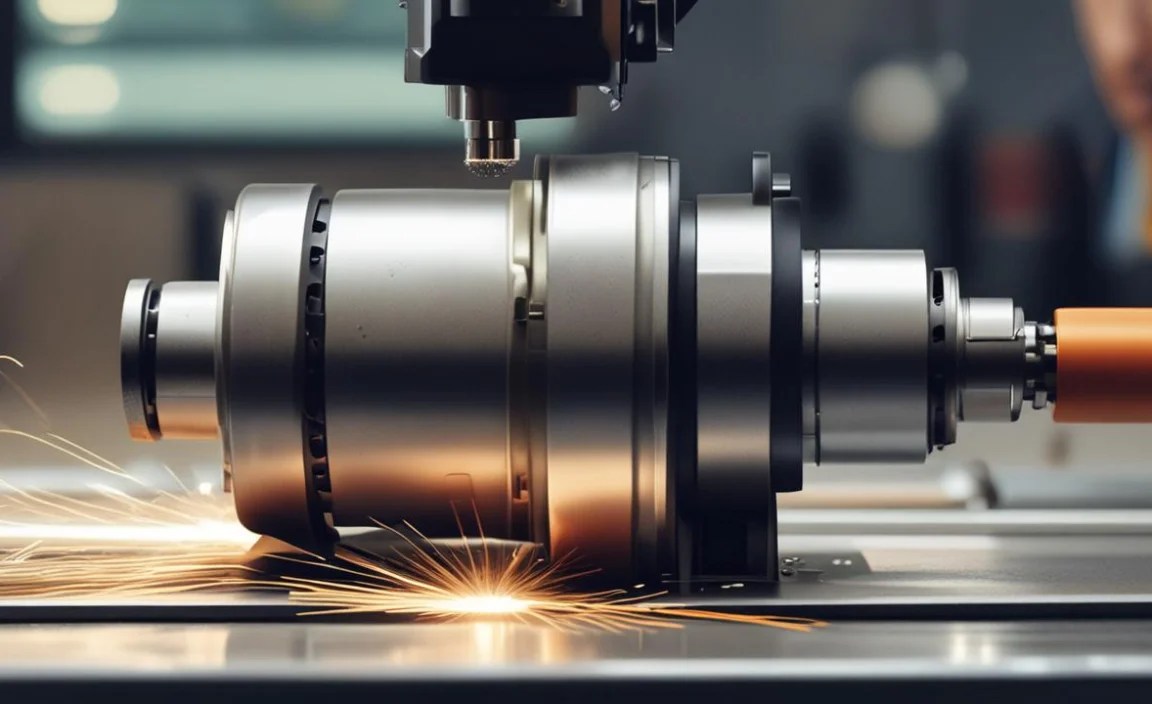
Stepbystep guide to properly setting up workholding devices on a metal lathe.. Tips for ensuring accuracy and minimizing workpiece movement during machining..
To set up your workholding system on a metal lathe, follow this simple guide. First, choose the right chuck or fixture for your workpiece. Make sure it’s clean and free of dust – dirt is not a friend here! Secure the piece firmly. Next, check for alignment. A misaligned piece is like a guitar string out of tune. Don’t forget to adjust the speed of your lathe motor for the material you’re using. Remember, safety first! Here’s a quick table to help:
| Step | Action | Tip |
|---|---|---|
| 1 | Select chuck | Make it match your workpiece size |
| 2 | Clean all parts | Keep dust away! |
| 3 | Secure item | Tight but not too tight! |
| 4 | Check alignment | Use a ruler or alignment tool |
| 5 | Adjust speed | Match to the material type |
By following these tips, you’ll reduce workpiece movement during machining. A steady piece means a happy lathe and smooth results!
Common Challenges in Lathe Workholding

Identifying issues such as chatter, vibration, and workpiece slippage.. Solutions and best practices to overcome these challenges..
Lathe workholding can be tricky due to several issues. Chatter and vibration can make your workpiece wobble. This can lead to poor quality. Another challenge is workpiece slippage, where the metal can move unexpectedly. To solve these problems, ensure everything is tight and set up correctly. Use better clamps or support systems to hold pieces steady.
What can cause issues in lathe workholding?
The main causes are chatter, vibration, and workpiece slippage. These can affect the quality of your work significantly.
How do you fix these problems?
- Tighten all clamps and supports.
- Choose appropriate cutting speeds.
- Check for balance in your setup.
Maintenance of Workholding Devices
Recommended maintenance practices for extending the life of workholding devices.. Signs of wear and when to replace or repair components..
To keep workholding devices in great shape, follow some simple maintenance steps. Cleaning them regularly helps remove dirt and grime. Check for loose parts and tighten them as needed. Lubricating moving parts keeps everything running smoothly. Watch for signs of wear, like cracks or rust. If you see these, it’s time to repair or replace the parts. Regular care can extend the life of your devices.
What are the signs of wear to look for?
Some common signs include:
- Visible cracks
- Rust spots
- Unusual noises during operation
Taking action quickly when you notice these signs can prevent bigger problems later. Regular checks help your workholding devices last longer and perform better.
Choosing the Right Workholding Solution for Your Projects
Factors to consider when selecting workholding devices for specific applications.. Case studies showcasing successful workholding setups in diverse projects..
Picking the right workholding device can feel like trying to solve a puzzle. First, consider the size of your part and the type of lathe you’re using. You want a system that fits perfectly, like socks on a foot! Next, think about how much force you need. Some projects need a gentle touch, while others require a strong grip. For example, a small metal feature can benefit from a soft jaw setup, while heavy-duty pieces may need a solid vice.
| Project Type | Workholding Device | Why It Works |
|---|---|---|
| Small metal parts | Soft jaws | Gently holds without damage |
| Heavy components | Solid vice | Strong grip for stability |
| Precision work | Magnetic clamps | High accuracy in positioning |
Some projects become a breeze with the right setup. A case study showed that a manufacturer improved production by 30% simply by switching to better workholding tools. That’s like finding extra fries at the bottom of the bag! Remember, the right choice can make your work smooth and fun.
Future Trends in Lathe Workholding Technology
Advancements in workholding technology and their implications for the future.. The impact of automation and smart technologies on lathe workholding..
New technology changes how we work with lathe workholding. Tools are smarter and faster than ever. Automation helps reduce human errors. This saves time and money for businesses. Advanced sensors allow machines to monitor their own performance. Future trends may include:
- Flexible fixtures that adjust automatically
- Robots assisting in workholding tasks
- Real-time data sharing for better decision-making
These innovations mean better quality and higher productivity. The future looks bright for lathe workholding technology.
What are the impacts of automation on lathe workholding?
Automation reduces human error, boosts efficiency, and can adapt to new tasks. This leads to increased productivity and lower costs for manufacturers.
Conclusion
In summary, lathe workholding is essential for secure metal lathe operations. A strong motor powers the lathe, enabling smooth and accurate cuts. You can improve your skills by practicing different workholding techniques. Explore more about lathe parts and motor types to deepen your understanding. With time and practice, you’ll create impressive projects. Keep learning and experimenting!
FAQs
Sure! Here Are Five Related Questions On The Topic Of Lathe Workholding And Metal Lathe Motors:
Sure! Here are some questions about lathe workholding and metal lathe motors: 1. What is a lathe? A lathe is a machine that spins material while we shape it. 2. Why do we use workholding? We use workholding to keep the material steady while we work on it. 3. What does a metal lathe motor do? The metal lathe motor makes the lathe spin the material. 4. Can lathe workholding hold different shapes? Yes, lathe workholding can hold round, square, or other shapes safely. 5. How do we keep safe while using a lathe? We always wear safety goggles and keep our hands away from moving parts.
Sure! Please provide me with the question you’d like me to answer.
What Are The Different Types Of Workholding Devices Used In Metal Lathes, And How Do They Affect Machining Accuracy?
In metal lathes, we use different devices to hold the metal pieces. The most common ones are three-jaw chucks, four-jaw chucks, and collets. Three-jaw chucks grip pieces quickly and are great for round shapes. Four-jaw chucks hold shapes more accurately but take longer to set up. Collets are very precise for smaller pieces. Using the right device helps keep the metal steady, so our cuts are clean and accurate!
How Does The Motor Power Of A Metal Lathe Influence Its Performance And The Types Of Machining Operations It Can Handle?
The motor power of a metal lathe is very important. A stronger motor can turn metal faster and cut better. This means we can make more complex shapes and do tougher jobs. If the motor is weak, it might struggle with harder materials. So, more power helps us do more types of work.
What Are The Advantages And Disadvantages Of Using A Chuck Versus A Collet For Workholding On A Metal Lathe?
A chuck can hold bigger and heavier pieces of metal, which is great for larger projects. It also has easy adjustments, so you can change the size quickly. However, it might not hold smaller pieces as tightly. A collet grips smaller items better and keeps them very secure, which is good for precision work. But collets can be more expensive and need different sizes for each piece you work on.
How Can The Selection Of A Motor Type (Ac Vs. Dc) Impact The Operational Efficiency And Control Of A Metal Lathe?
Choosing between an AC (Alternating Current) motor and a DC (Direct Current) motor can change how well a metal lathe works. AC motors are usually simpler and need less maintenance, making them better for long hours of use. On the other hand, DC motors provide better speed control, helping you make more precise cuts. This means that the motor type you pick can help you work faster or more accurately, depending on your needs.
What Safety Precautions Should Be Taken When Setting Up Workholding And Operating The Motor On A Metal Lathe?
When using a metal lathe, always wear safety goggles to protect your eyes. Make sure your hair and clothes are tucked in to prevent getting caught. Check that the workpiece is secured tightly before starting the motor. Keep your hands away from moving parts, and never reach over the machine while it’s running. Finally, keep the area around the lathe clean and tidy to avoid slips and trips.
