Have you ever wondered how machines create precise metal parts? One key player in this process is the metal lathe. Among its many features, the backgear function stands out. But what exactly does it do?
The backgear is like an extra set of gears for the lathe. It allows the machine to spin slower while still applying high torque. Imagine trying to turn a heavy piece of metal. You need power to get it moving, right? That’s where the backgear comes in handy!
Here’s a fun fact: without the backgear, creating fine details on metal would be much harder! It makes precise cuts that would otherwise be impossible. Next time you see a lathe in action, think about how important the backgear function really is. It’s a small part of a big machine, but it plays a huge role in making everything work smoothly.
Metal Lathe Backgear Function
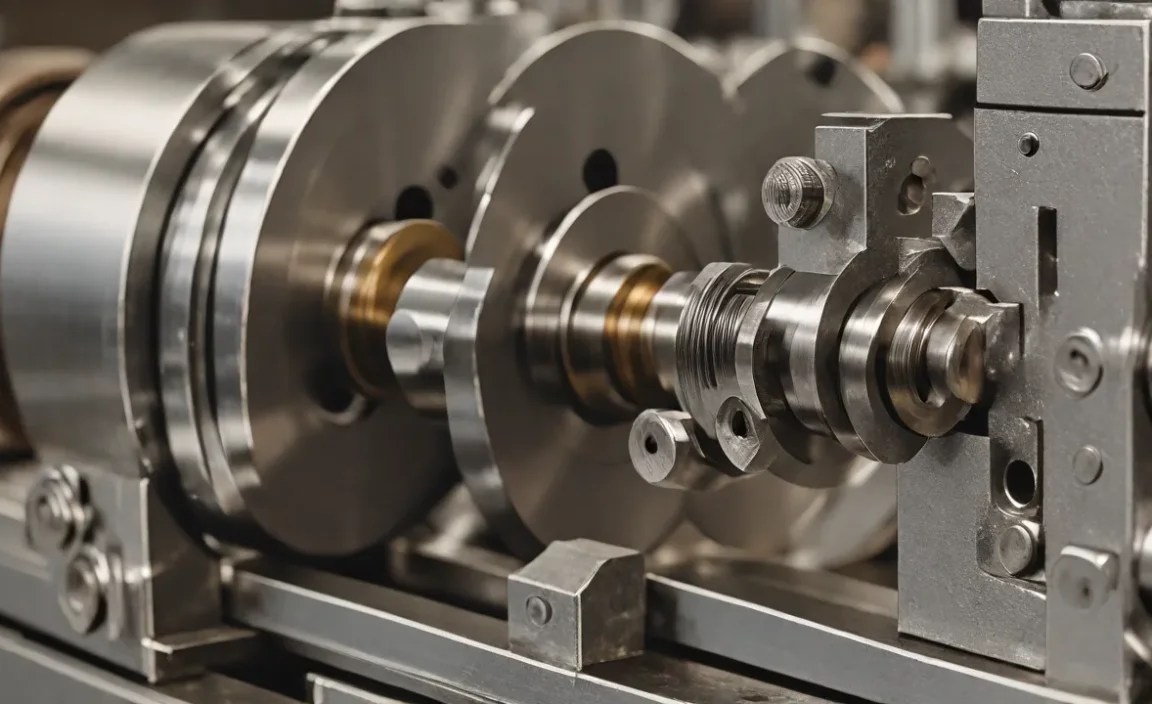
The metal lathe backgear function plays a crucial role in shaping metals. It allows the lathe to run at slower speeds while providing higher torque. Imagine trying to carve a block of ice; slow and steady wins the race, right? By adjusting the backgear, users can tackle tougher materials without damaging tools. This feature is especially handy for beginners learning to control their cuts. Understanding backgear can greatly enhance your metalworking skills!
What is a Metal Lathe Backgear?

Definition and purpose of backgear in metal lathes. Components that make up the backgear system.
A backgear is a clever part of a metal lathe. It helps change speeds, letting you work on different materials with ease. Think of it like a bicycle shifting gears. The backgear system includes components like pulleys, gears, and belts. They work together to help you manage power and speed. Want to create the latest wooden masterpiece? This system is your best pal!
| Component | Purpose |
|---|---|
| Pulleys | Transfer motion and reduce speed. |
| Gears | Control the lathe’s rotational speed. |
| Belt | Connect different parts for smooth operation. |
How the Backgear System Works

Explanation of the mechanical operation of backgear. Different gear ratios and their applications in turning operations.
The backgear system is a crucial part of a metal lathe, acting like a magical switch to change speeds. It works by swapping gears to give you different gear ratios. Think of it as a superhero, allowing you to spin materials like wood and metal at just the right speed. Each ratio has a special job, making it easier to create smooth shapes.
Here’s a simple table showing some common gear ratios and their uses:
| Gear Ratio | Application |
|---|---|
| 1:1 | Fast Turning |
| 2:1 | Medium Turning |
| 4:1 | Slow, Precise Cuts |
With these ratios, you can achieve fantastic results. The right gear makes all the difference between a perfect project and an unexpected disaster, like trying to bake cookies without sugar!
Benefits of Using a Backgear in Metal Lathes

Advantages of increased torque and lower spindle speed. Impact on precision machining and material removal rates.
Using a backgear in metal lathes offers great benefits. It increases torque, which means more power to cut tough materials. A lower spindle speed helps with precision machining. This is important for making detailed parts accurately. Faster material removal also helps save time. Together, these features make lathing easier and more efficient.
- Increased torque: More power helps with hard materials.
- Lower spindle speed: Improves accuracy during cuts.
- Faster material removal: Saves valuable time in projects.
What are the main advantages of using backgear?
The main advantages include more torque, better precision, and quicker material removal rates. This makes metal lathes more effective.
Common Issues with Backgears
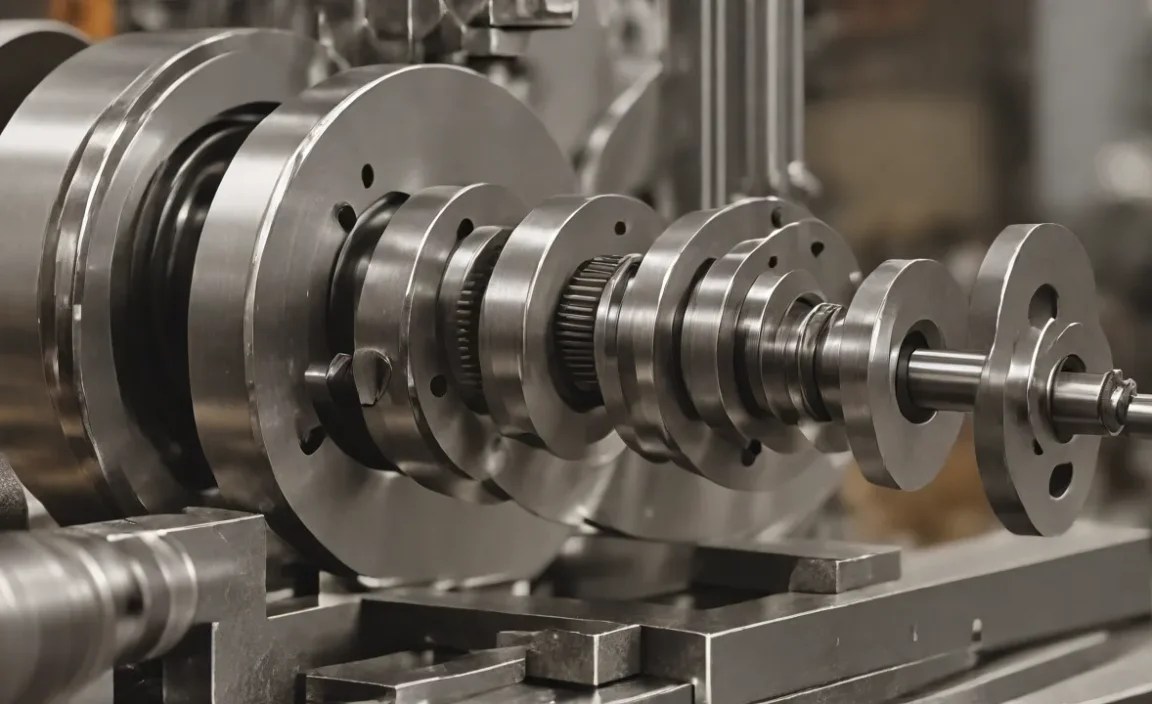
Potential problems and their causes in backgear systems. Signs of wear and tear to look out for.
Backgears can act a bit moody sometimes. Common issues include loud noises or vibrations, indicating something is amiss. These sounds may signal worn gears or loose connections. You might also notice unusual wear on the gear teeth, like they’ve been through a ninja battle! Keeping an eye on these signs is key to smoother operation.
| Issue | Possible Cause |
|---|---|
| Loud Noises | Worn or misaligned gears |
| Vibrations | Loose connections |
| Uneven Wear | Poor lubrication or misalignment |
If you spot any oddities, it’s best to check your backgear system before it throws a fit!
Maintaining Your Metal Lathe Backgear
Recommended maintenance practices for longevity. Tips for troubleshooting minor backgear issues.
To keep your metal lathe backgear running smoothly, follow some simple maintenance steps. Regularly clean it to remove dust and grime. Lubricate moving parts to avoid squeaks—nobody likes that noise! If you notice strange sounds or slippage, check the belts. A tight belt means happy gears!
Here are some quick tips for troubleshooting:
| Issue | Solution |
|---|---|
| Squeaking noise | Lubricate the gears |
| Slipping belt | Tighten the belt |
| Slow operation | Check for wear and tear |
Happy lathing! Remember, with a little care, your backgear will work like a charm, and you’ll create masterpieces instead of headaches.
Choosing the Right Backgear for Your Metal Lathe
Factors to consider when selecting a backgear system. Comparison of different backgear designs available in the market.
Picking the right backgear is key for your metal lathe. Think about these factors:
- Torque needs: More torque helps with tough materials.
- Speed options: Different speeds are better for various projects.
- Durability: Strong gears last longer and perform better.
Backgear systems come in different designs. Some have simple setups while others are more complex. Choose based on your skill level and work requirements. Research will help you find the best fit.
What should I consider when choosing a backgear?
Consider torque, speed options, and durability. These factors will affect how well your lathe works and its lifespan.
Are there different types of backgear systems?
Yes, there are different designs that suit various needs. Some designs are simpler and user-friendly, while others offer advanced features.
Innovations and Advances in Backgear Technology
Recent developments improving backgear efficiency. Future trends in lathe technology and their implications for backgear design.
New backgear technology is changing the way metal lathes work. These innovations improve how efficiently machines operate. With better materials and designs, backgears are faster and more reliable. Here are some important developments:
- Stronger metals for improved durability.
- More precise gear teeth for smoother motion.
- Advanced electronics for real-time monitoring.
Looking ahead, future trends in lathe technology will focus on automation. Machines may soon have smart features, which can lead to even more efficient backgear designs. As this technology evolves, it will help workers create high-quality products more easily.
What are the benefits of new backgear technology?
The benefits include higher efficiency, better accuracy, and reduced maintenance costs.
Conclusion
In summary, the backgear on a metal lathe helps change speed and torque. This feature lets us cut metal more effectively. Knowing how it works improves your lathe skills. You can explore more about lathes and their parts to enhance your knowledge. We encourage you to practice using the backgear for better results in your projects!
FAQs
What Is The Primary Purpose Of The Backgear System In A Metal Lathe?
The backgear system is an important part of a metal lathe. It helps us change the speed of the lathe. When we use the backgear, we can work more slowly and carefully. This is great for making detailed and precise cuts. It helps us make our projects turn out just right.
How Does The Backgear Mechanism Affect The Spindle Speed And Torque Of A Lathe?
The backgear mechanism helps change how fast the spindle turns. When we use the backgear, it makes the spindle spin slower. This slower speed gives us more power, or torque, to cut through tough materials. So, we can work more carefully and easily on different projects.
What Are The Typical Applications Or Scenarios Where Using The Backgear Is Advantageous?
Using backgear is helpful when you need to move slowly or need extra power. For example, in a workshop, you might use it to drill small holes carefully. It also helps when you want to cut metal or wood without rushing. Overall, backgear makes tough jobs easier and safer for you.
Can You Describe The Process Of Engaging And Disengaging The Backgear On A Lathe?
To engage the backgear on a lathe, you first turn off the machine. Then, you find a lever or handle, usually near the motor. Pull or push this lever to switch the backgear on. You should hear a click or feel it lock into place. To disengage it, repeat the same steps but move the lever back to its original position. Always check the lathe is off before changing settings for safety.
What Maintenance Practices Are Recommended For Ensuring The Proper Functioning Of A Lathe’S Backgear System?
To keep a lathe’s backgear system working well, you should do a few simple things. First, always check and add oil to the gearbox. Oil helps everything move smoothly. Second, keep the area clean and free of dirt. This prevents problems. Lastly, listen for strange sounds when using the lathe, as they might mean something needs fixing.
