Have you ever watched a sculptor carve a masterpiece? Imagine the tools they use. Milling tools are like those special chisels. They help shape and create important parts in machines. But wait, there’s a twist! Just like how wood chips fly when carving, metal chips zoom out during milling. These chips can cause trouble if not handled well. So, how do we make sure the chips don’t slow things down?
Picture this: You are in a workshop. A machine hums softly in the background. It works hard, cutting and shaping metal. But every now and then, the chips build up and stop everything. That’s when chip evacuation becomes super important. It’s like cleaning up spilled milk before it becomes sticky. Knowing the right tips for milling tool chip evacuation can save the day.
Did you know efficient chip evacuation can boost machine performance? It’s like giving your car a regular wash to keep it shiny and fast. Discovering these secrets might just change how you see machines at work. Curious to learn more? Let’s dive in!
Milling Tool Chip Evacuation Tips
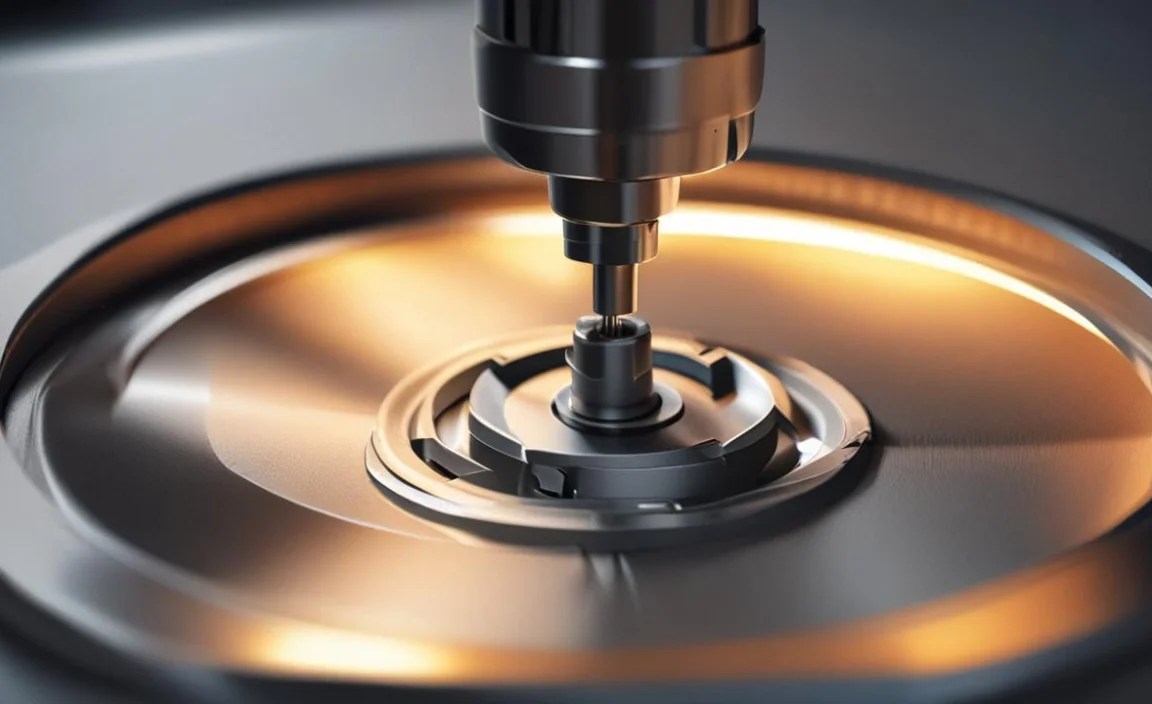
Picture this: a bustling factory floor where metal chips fly. Why do milling tools work better with good chip evacuation? When chips block a mill, overheating is a risk, which can ruin tools. So, what’s the trick? Use cutters with the right flute design. Add coolant or air blasts to clear chips too. Fun fact: some tools have spiral designs just to help chips out! Curious to try these tips?
Understanding Chip Formation in Milling

Importance of chip formation in milling. Factors affecting chip size and shape.
When we create something with milling tools, understanding how the chips form is key. These small pieces are shaped by how we cut the material. Why are chips important? They keep the tools cool and help the machine work smoothly. The size and shape of the chips depend on different things, like how fast the tool spins and the kind of material we work with.
- Tool Speed: Faster speeds make smaller chips.
- Material Type: Soft materials make bigger chips.
How can we ensure good chip formation? Understanding how these factors fit together helps improve our work.
What affects chip size in milling?
Chip size changes with tool speed, feed rate, and cutting depth. Adjusting these factors can give more control over the output.
Mastering chip formation involves observing and tweaking.
The Role of Chip Evacuation in Milling Efficiency

How proper evacuation prevents tool wear and damage. Impact of chip evacuation on surface finish quality.
Milling tools cut materials into pieces. But, what happens to these pieces? They turn into chips. Proper chip evacuation keeps the tool from wearing out. Without it, chips might clog and cause damage. Imagine sticky gum on a shoe! Good chip removal also improves surface finish. A smooth metal surface comes from chips leaving quickly. Smart evacuation makes machining faster and better!
Why is chip evacuation essential in milling?
Chip evacuation stops overheating and material build-up. Clear chips let the tool cut smoothly. This reduces friction and heat, keeping tools strong.
Effective Coolant Use for Chip Evacuation

Types of coolants and their impact on chip flow. Techniques for directing coolants to maximize evacuation.
Imagine water helping a car race! Coolants, like water, help metal working tools. They can be oily or watery. These coolants help move tiny metal pieces called chips. They keep tools cooler, just like water cools a hot engine.
To make sure chips move away, coolants need a guiding hand. Aim spray or flow direct on cutting edge. This keeps chips from staying around. It’s like guiding a dog away from the road!
How do different coolants affect chip flow?
Oily coolants lubricate and reduce friction while watery coolants wash away chips quickly. Both play unique roles in smooth operations.
Why is coolant direction important?
A focused coolant stream ensures neat and fast chip removal. Without proper direction, chips could clutter the tool or surface.
- Watery coolants often work best for flushing tasks.
- Oily coolants excel in slippery tasks, reducing tool wear.
Using coolants wisely boosts efficiency, keeps tools lasting longer, and makes work swift! Always be like a handy assistant with your coolant choices and directions.
Chip Breaker Design Considerations

Role of chip breaker geometry in evacuation. Selecting the right chip breaker for different materials.
In the world of milling, chip breaker geometry plays a crucial role in chip evacuation. It’s like setting up traffic lights for metal chips. A well-designed chip breaker can guide these chips away, preventing tool wear and keeping things tidy. But here’s the trick: you need the right chip breaker for different materials. For instance, a tough material might need a strong, aggressive breaker. Use the wrong one, and it’s like putting pineapple on a pizza—not a great match!
| Material | Ideal Chip Breaker |
|---|---|
| Steel | Aggressive |
| Aluminum | Smooth |
| Copper | Moderate |
Choosing the right chip breaker ensures efficient chip evacuation and enhances tool life. As they say, the right tool for the right job makes all the difference! So, be the maestro of your milling symphony and let the chips fall where they may, but in an organized way.
Advanced Technologies in Chip Evacuation
The role of highpressure coolant systems. Emerging technologies for chip evacuation improvements.
Chip evacuation plays a big role in milling. One way to improve this is by using high-pressure coolant systems. These systems push chips away quickly and keep surfaces cooler. New technologies also help. Some machines now use smart systems to track chip flow and adjust speeds. This keeps the milling process smooth and chips under control. Some cool new tools even use air blasts to clear chips, helping machines run better and longer.
### **How do high-pressure coolant systems help in chip evacuation?**
High-pressure coolant systems push chips away from the cutting area fast. This keeps the tool clean and cool. It also stops chips from blocking the tool. Machines work better with less wear. This system also helps in avoiding chip re-cutting, which can damage tools.
### **What are some emerging technologies for improving chip evacuation?**
New tools and machines use advanced strategies. Some use smart sensors to track chip flow. They change speed and direction to keep chips under control. Other tools use air blasts to clear chips. By using these, cutting processes are safer and last longer. For example, some new milling tools have grooves that direct chips away more efficiently.
Maintenance Tips for Optimal Chip Evacuation
Regular maintenance practices for evacuation efficiency. Signs of evacuation issues and how to address them.
Keeping those chips moving smoothly through the milling tool is crucial for top-notch performance. A regular check-up is key! Make sure your tools are always clean and free from clogs. Using compressed air can help blow those pesky chips away. But, how can you tell if something’s fishy? If the chips start piling or the tool gets too hot, it’s time to act!
Here are some signs and solutions:
| Sign | Solution |
|---|---|
| Piling Chips | Check for clogs and improve airflow |
| Overheating | Adjust tool speed or add coolant |
Remember, healthy tools make happy chips! As they say, “A stitch in time saves nine,” or in this case, saves your chips!
Common Challenges and Solutions in Chip Evacuation
Frequent problems encountered during milling. Proven solutions to enhance chip evacuation performance.
Milling can be tricky. Sometimes, the chips from cutting don’t flow right. This can make machines stuck. Here are some common problems and solutions to help:
- Problem: Chips stick in the tool path.
- Solution: Use coolant to wash away chips. This helps keep the path clear.
- Problem: Chips are too big and get stuck.
- Solution: Change the cutting speed. Slow and steady wins the race.
- Problem: Chips clog the tool.
- Solution: Use tools with special coatings. These help chips slide and not stick.
Why is chip evacuation important?
Chip evacuation stops tools from breaking. It also keeps machines working faster and better. Chips out mean smooth work.
How can chip evacuation improve efficiency?
Quick chip removal keeps cutting surfaces clean. It avoids overheating, which can harm tools. When chips are gone fast, machines work at their best. Smooth operation, better parts!
Milling needs smart chip evacuation. Use special coatings and right speeds. Coolant is a must-have tool. It saves tools and boosts performance. An efficient shop makes fewer mistakes and better products!
Conclusion
In summary, effective chip evacuation is crucial for smooth milling operations. Use coolant to reduce heat, and choose the right tool for better chip control. Make sure to maintain proper speeds and feeds. Try these tips during your next project! For more detailed guidance, consider reading beginner guides or watching instructional videos to improve your skills further.
FAQs
What Are The Most Effective Strategies For Improving Chip Evacuation In Milling Operations?
To improve chip evacuation in milling, you can use special tools with grooves that help move chips away. You should also use cool air or liquid to carry away chips. Cutting at the right speed keeps chips tiny, making them easier to remove. Keep your cutting tool sharp so it works better and faster.
How Does The Choice Of Milling Tool Material And Coating Impact Chip Evacuation?
The material and coating of a milling tool can help get rid of chips better. A good tool makes strong and sharp cuts. This lets chips escape easily. If chips build up, they can cause problems. So, using the right tool helps keep everything running smoothly.
What Role Does Coolant Play In Optimizing Chip Evacuation During Milling Processes?
Coolant helps keep the cutting tool and the metal cool while we work. It also washes away tiny pieces, or chips, that we create when milling. By cooling and removing these chips, the coolant helps us cut better and faster. This means we can make clean shapes without getting stuck or breaking tools. Coolant makes the whole milling process smoother and easier.
How Can Adjusting Cutting Parameters Such As Speed And Feed Influence The Effectiveness Of Chip Evacuation?
When we cut materials, chips form and need to get out of the way. If you increase the speed, chips move faster, helping them escape. When you adjust the feed, or how quickly you push the tool, it can either help or block chips. Finding the right balance makes sure chips leave quickly. This way, your work stays clean and safe!
What Are The Latest Advancements In Milling Tool Design That Enhance Chip Evacuation?
Recent advancements in milling tools help more chips get removed while cutting. Special shapes and designs let chips flow out faster. New materials make the tools last longer and work better. Some tools now have holes that push air to clear out chips. These changes help make the cutting process smoother and quicker!
