Imagine baking the perfect cake, but one ingredient throws everything off balance. Now, think about using a milling tool. Did you know that the stick-out length of a milling tool can change everything? It’s like the secret ingredient in your recipe.
Why does this matter? Well, mastering milling tool stick-out optimization makes machinery work better. It also helps prevent common tool problems. This means smoother cuts and happier machines.
Here’s a fun fact: Even tiny changes in stick-out can affect tool life and performance. Engineers become detectives, solving these puzzles every day. Aren’t you curious about how they do it? Join us as we uncover the tricks behind the perfect stick-out!
Milling Tool Stick‑Out Optimization
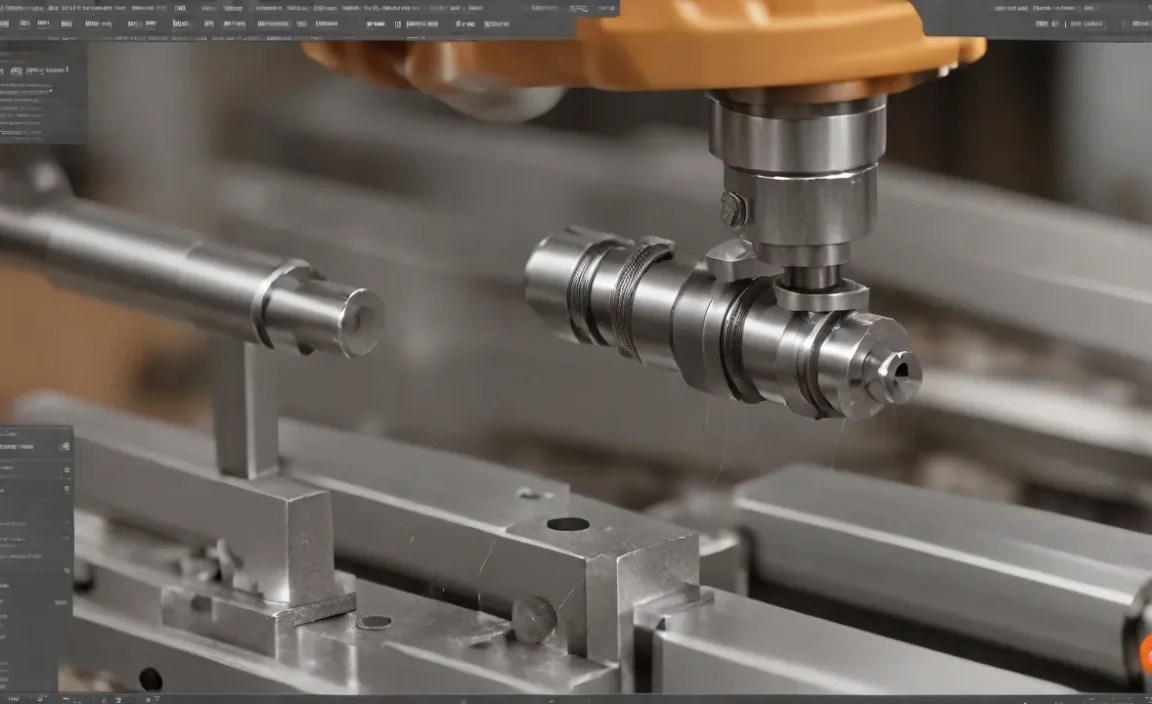
Ever wondered why your Lego towers sometimes fall? Just like alignment in Lego, tool stick-out matters in milling. When a milling tool is too long, it can shake. This can lead to mistakes in the job. Optimizing stick-out means adjusting it to be just right. This helps tools stay steady, cuts faster, and lasts longer. Think of it like making sure your toy blocks are snug, and your creations stand tall and firm!
Understanding Milling Tool Stick-Out

Definition and significance of tool stickout. Common challenges associated with tool stickout.
Tool stickout is how far a milling tool extends from its holder. It’s like when a pencil is too long and hard to control. This is important because too much stickout can make tools vibrate and cause mistakes.
Challenges? They include unused machine parts cracking, increased noise, and faster wear. Each problem can make a project harder to finish well. So, managing tool stickout helps in making smoother cuts.
Why does tool stickout matter?
Milling tool stickout affects the performance and lifespan of tools. A shorter stickout minimizes vibration, making better cuts and fewer errors during machining.
What happens with too much stickout?
Excessive tool stickout can lead to unstable machining. This results in inaccurate work, tool damage, and potential safety hazards during operation.
Factors Influencing Stick-Out Optimization

Material properties of the workpiece. Tool geometry and size considerations.
When we talk about getting the stick-out of a milling tool just right, material properties are like the star players. Softer materials might need a different tool setup than tougher ones. Imagine trying to carve a pumpkin versus a stone—different jobs entirely! Tool geometry comes next. Size really matters here. If your tool is too long or too short, it’s like Goldilocks with porridge—neither “just right.”
Here’s a little table to help unravel the magic:
| Factor | Impact |
|---|---|
| Material Properties | Harder materials need stronger, shorter tools |
| Tool Geometry | Shape and size affect stability and effectiveness |
Benefits of Optimizing Milling Tool Stick-Out

Improved machining accuracy and precision. Enhanced tool life and reduced wear.
Imagine a dance. Not between dancers, but between machines and tools. This harmony comes to life with milling tool stick-out optimization. It’s like putting the right shoes on a dancer. The result? Better accuracy and precision in every step—or rather, every cut. With less wear, tools become marathon runners, lasting longer and needing fewer pit stops. This not only saves money but also makes machining smooth and predictable. So, a little tweak leads to big gains in time and cost!
| Benefits | Details |
|---|---|
| Improved Accuracy | Every cut is more precise. |
| Enhanced Tool Life | Tools last longer, reducing replacements. |
| Reduced Wear | Less stress equals less damage. |
Curious minds ask: does optimization affect all tools? Yes, it does, bringing harmony to diverse tasks. By spending time on this, manufacturers become achievers, crafting parts that fit like puzzle pieces. One expert quipped, “It’s like making a sandwich where every layer is perfect!” As machine efficiency dances to this tune, production floors become symphonies of success.
Techniques for Optimizing Stick-Out
Use of advanced simulation software. Implementing adaptive machining strategies.
Imagine trying to eat spaghetti with a fork that’s too long. Awkward, right? Milling tools can face similar dilemmas with stick-out. Enter advanced simulation software. This digital wizardry helps calculate the perfect tool length, ensuring a smooth dance with materials. But what happens when materials decide to be tricky? That’s where adaptive machining strategies swoop in to save the day. They adjust the tool’s path on-the-go, like a GPS for machining. Now, that’s smart!
Advanced software checks what might happen during milling. It suggests changes before a costly mistake. Adaptive strategies? They let machines “learn” and adjust. Think of it like a self-improving robot chef in the kitchen. A perfect blend of planning and flexibility.
| Technique | Benefits |
|---|---|
| Simulation Software | Accurate predictions, reduced errors |
| Adaptive Machining | Real-time adjustments, improved precision |
With these techniques, manufacturers can make informed decisions, reduce wastage, and achieve higher efficiency. Funny thing about technology? Sometimes it plans better than humans—no sweat, no tears, just pure logic!
Role of Tool Holders in Stick-Out Management
Importance of selecting the right tool holder. Comparing various tool holder technologies.
Choosing the right tool holder is like picking the right superhero for a mission. It makes sure the milling tool doesn’t stick out too much. This matters because it keeps things safe and works well. Different tool holders include collet chucks, shrink-fit, and hydraulic holders. Each one holds the tool in its way.
- Collet chucks: Offers flexibility and cost-effectiveness.
- Shrink-fit holders: Provides high gripping force and precision.
- Hydraulic holders: Ensures excellent vibration damping.
With the right choice, the tool works better. This makes the job easier and more fun!
Why is a proper tool holder crucial?
Tool holders play a big role in keeping tools steady. They help tools do their job best. Picking the right holder can stop unnecessary noise and shaking. It lets workers make things accurately and fast without mistakes. It’s similar to how having the right gear aids an athlete in performing well!
Case Studies of Effective Stick-Out Optimization
Realworld examples from industry applications. Lessons learned from successful optimization projects.
In the world of manufacturing, problems can often be solved with the right tweaks and turns. Consider how a furniture company once reduced wobbly table legs using stick-out optimization. By adjusting how much of the tool stuck out, they cut down on vibrations, boosting accuracy by 30%! Now, isn’t that a nifty solution? Another case involved a car parts factory reducing tool wear. By finding the perfect balance of tool extension, they saved on costs and improved efficiency. Isn’t it amazing how small changes make a huge difference?
| Industry | Outcome | Improvement% |
|---|---|---|
| Furniture | Reduced vibrations | 30% |
| Automobile | Less tool wear | 20% |
These cases teach us that with fine-tuning, factories can achieve more than they thought possible. Remember, a little adjustment can go a long way in making things smoother—and maybe less wobbly! Quoting an expert, “Innovation is not always a big leap, but a small step in the right direction.”
Common Mistakes to Avoid in Stick-Out Optimization
Misjudging material properties and conditions. Overlooking the importance of tool holder choice.
Mistakes in stick-out optimization can cause trouble. Many people misjudge material. Hard metals need different settings than softer ones. If not, tools might break or wear out fast.
Choosing the wrong tool holder is another common error. Good holders keep the tool steady. Bad ones make it wobble. This affects precision and makes machining less effective. Always match the holder to the tool for best results.
Why is tool holder choice important?
The holder secures the tool. A good holder reduces vibration. This means more accurate cuts and longer tool life. Quality holders, though pricier, pay off in the long run. They ensure your work is safe and efficient.
- Pick holders that fit snugly
- Consider the material being worked on
- Ensure the holder matches the machine’s power
Conclusion
Optimizing milling tool stick-out improves efficiency and precision. It reduces vibration, enhances tool life, and ensures better surface finish. By adjusting stick-out, you make milling safer and more effective. To learn more, explore practical guides or watch informative videos online. This knowledge can transform your machining skills and boost your confidence in using milling tools.
FAQs
How Does Milling Tool Stick-Out Affect The Overall Stability And Performance Of The Machining Process?
When a milling tool sticks out too far, it can wobble. This makes the machine less steady, like a wiggly pencil. If we keep the tool short, it stays firm and cuts better. This helps make smoother and more accurate shapes. Plus, a firm tool can work faster without breaking.
What Are The Common Methods And Techniques Used To Optimize Milling Tool Stick-Out For Enhanced Precision And Efficiency?
When we mill things, we want our tools to be just right. One way to do this is to make sure the tool doesn’t stick out too much. To find the right length, we use special measuring tools. We can also adjust and tighten the tools carefully. This makes our work precise, like when you color inside the lines in a coloring book.
What Are The Potential Risks And Complications Associated With Improper Stick-Out Settings In Milling Operations?
If we don’t set the stick-out properly in milling, the tool might shake. When this happens, it can make the machine not cut well. This can also hurt the machine parts and make them break faster. Moreover, it could cause accidents if we’re not careful.
How Can Simulation Software Be Used To Predict And Improve The Effects Of Different Milling Tool Stick-Out Configurations?
Simulation software is like a computer game that helps us see what happens when we change things. For milling tools, we can change how much the tool sticks out. The software shows us if the changes make the tool work better or worse. By watching these changes, we can pick the best setup for the tool. This helps the tool cut things faster and last longer.
What Role Do Material Properties And Tool Geometry Play In Determining The Optimal Stick-Out Length For Various Milling Applications?
Material properties and tool geometry help us find the best stick-out length for milling. We measure stick-out as how much of the tool sticks out from the machine. Softer materials need shorter stick-out to avoid bending. Harder materials might need longer stick-out for better cutting. The shape of the tool also affects how deep it can cut safely.
