Have you ever tried to use a metal lathe and faced problems with accuracy? Many of us have. One key part of getting things right is the tailstock. It helps keep the workpiece steady. But what happens when it’s not aligned? You might end up with crooked cuts.
Imagine wanting to make a perfect wooden toy. You set up your metal lathe and start working. Suddenly, you notice that the piece is not coming out as expected. Frustrating, right? That’s where the importance of tailstock alignment comes in.
In this article, we will explore reviews on metal lathe tailstock alignment. We will learn simple tips to ensure your lathe functions well. Understanding this can save you time and materials. Are you ready to dive in and improve your projects?
Understanding Metal Lathe Tailstock Alignment Reviews

Proper tailstock alignment on a metal lathe is crucial for accuracy. Readers will discover how misalignment can lead to poor machining results and wasted materials. People often wonder: how do I know if my tailstock is aligned? Reviews show helpful methods to check alignment, like using a test bar. These tips can improve your lathe work significantly. Isn’t it exciting to think about how small adjustments can make a big difference in your projects?
Understanding Tailstock Alignment
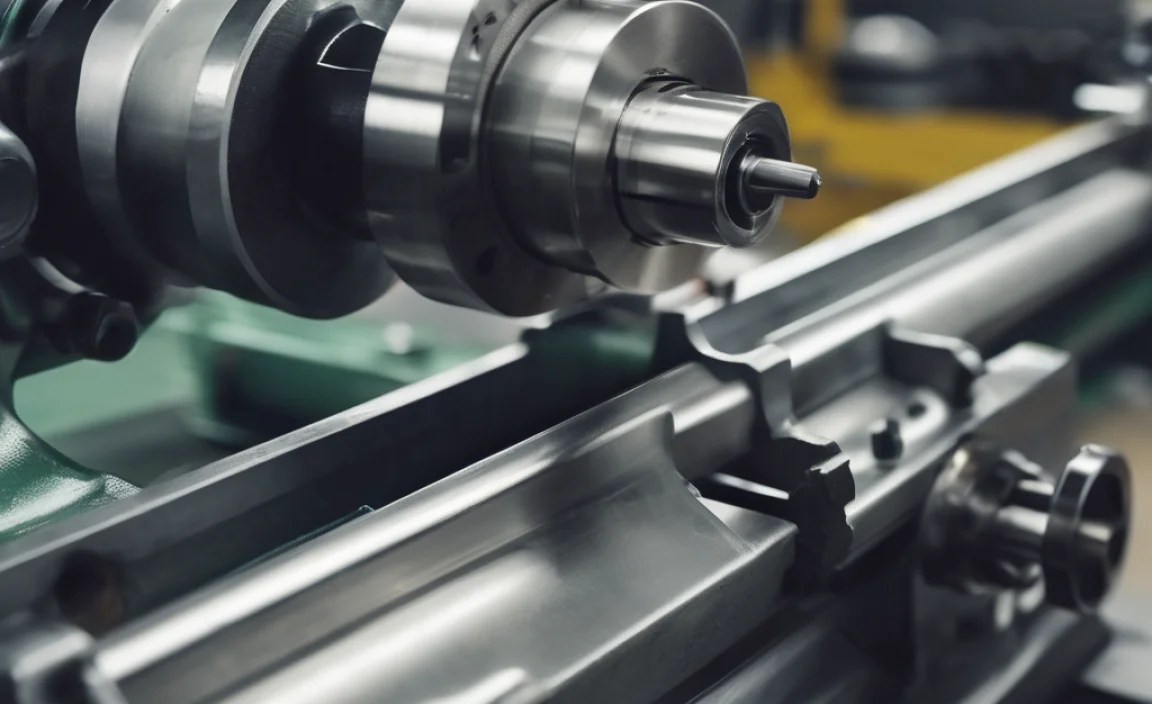
Explanation of what tailstock alignment is in the context of metal lathes. Importance of proper alignment for precision machining.
Imagine driving a car with one wheel out of line. A metal lathe’s tailstock alignment is kind of like that. It ensures the tailstock is perfectly aligned with the spindle, allowing for smooth machining. Proper alignment is crucial for accuracy. A misaligned tailstock can lead to parts that are wobbly or uneven. Everyone wants their projects to look great, right? Unlike a chicken trying to cross the road, your work should be straight!
| Key Aspect | Importance |
|---|---|
| Precision | Ensures each cut is accurate. |
| Quality | Prevents defects in the final product. |
| Efficiency | Reduces the need for rework. |
Tools Required for Tailstock Alignment

List of essential tools for checking and adjusting tailstock alignment. Brief guide on using calipers, dial indicators, and alignment bars.
To check and adjust tailstock alignment, you’ll need some handy tools. These tools help make the process easy and accurate. Here’s a quick list of essentials:
- Calipers: Measure distances with precision.
- Dial Indicators: Show tiny shifts in alignment.
- Alignment Bars: Help you check straightness easily.
Use calipers to get exact measurements. For fine adjustments, dial indicators are your best friend. Alignment bars help keep everything in line. With these tools, you can ensure your tailstock is set up just right!
What tools do I need for tailstock alignment?
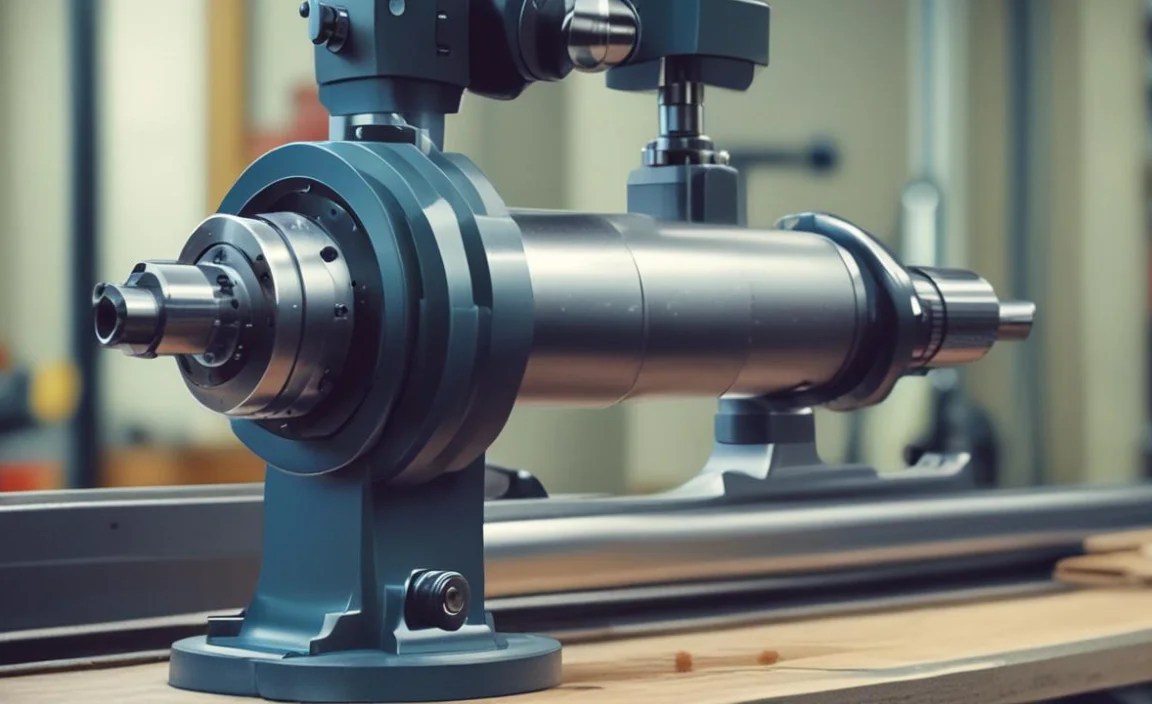
You need basic tools for tailstock alignment. Calipers, dial indicators, and alignment bars are essential for precise measurement and alignment.
Step-by-Step Process for Aligning the Tailstock
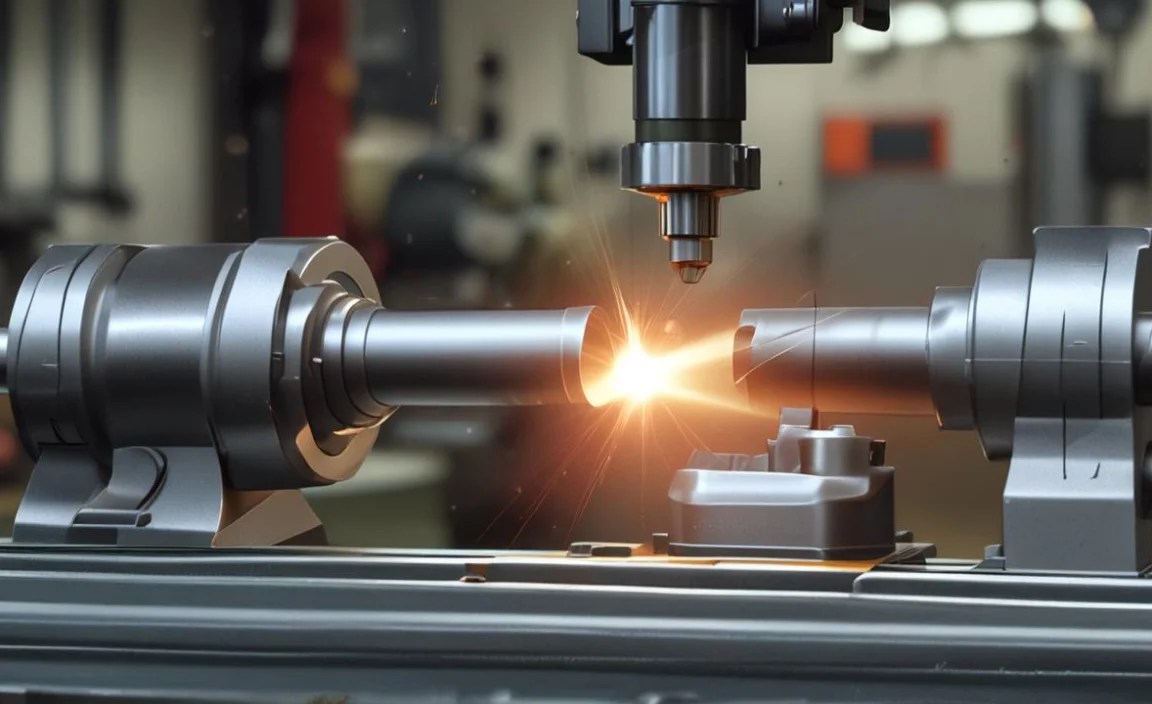
Detailed instructions for checking the alignment of the tailstock. Procedures for adjusting the tailstock to correct misalignment.
Aligning the tailstock on your metal lathe is a key task. Start by checking its position with a dial indicator. Place it on the lathe bed and measure the tailstock’s distance from the center line. If it’s off, loosen the clamp bolts and slide the tailstock until it’s aligned. Tighten the bolts firmly but not with Hulk strength! Repeat the measurement to ensure it’s correct. Lastly, give it a test run—watch out for wobbles!
| Step | Action |
|---|---|
| 1 | Check alignment with a dial indicator |
| 2 | Loosen the clamp bolts |
| 3 | Adjust the tailstock |
| 4 | Tighten bolts securely |
| 5 | Run a test |
Misalignment can cause issues like poor cuts or uneven workpieces. Aligning your tailstock will help prevent these problems and keep your projects on track! So grab that dial indicator and get to work!
Best Practices for Maintaining Tailstock Alignment
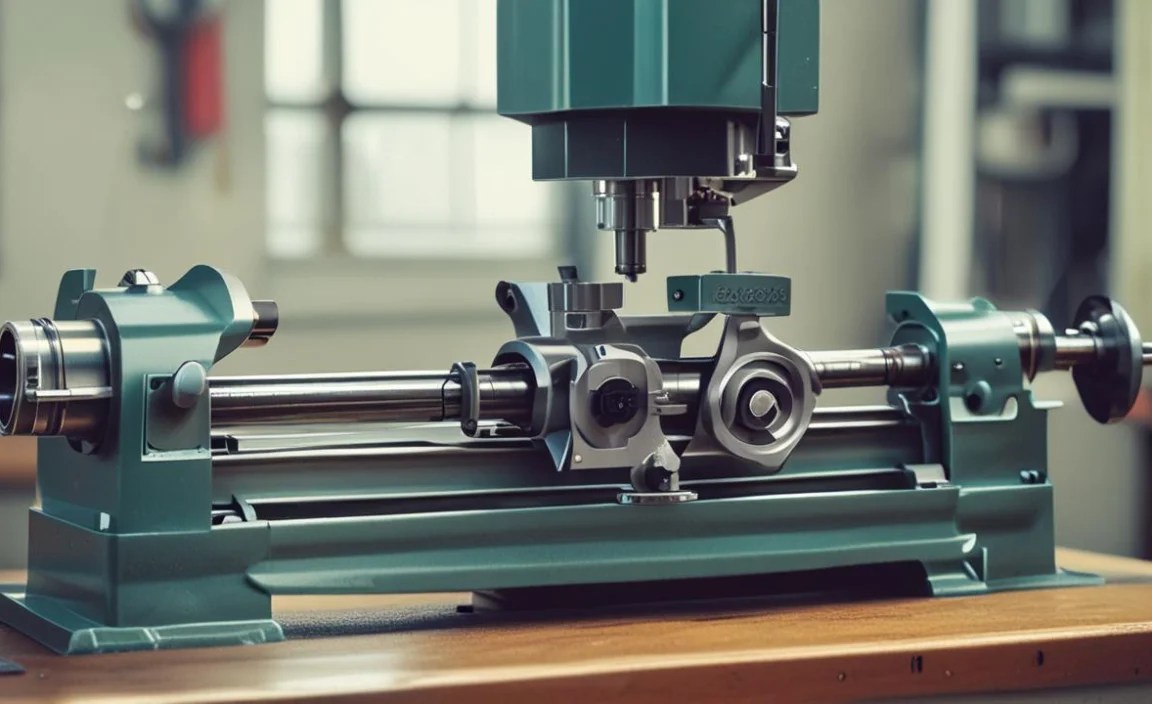
Tips for regular maintenance to ensure ongoing precision. Recommended frequency for checks and adjustments.
Keeping your tailstock aligned ensures precision in your projects. Regular checks help catch small issues before they grow. Follow these tips for good maintenance:
- Check alignment every week for best results.
- Clean the tailstock after each use.
- Adjust it if you notice any slippage or misalignment.
These simple steps can save you time and keep your work accurate. Remember, a little care goes a long way!
How often should I check my tailstock alignment?
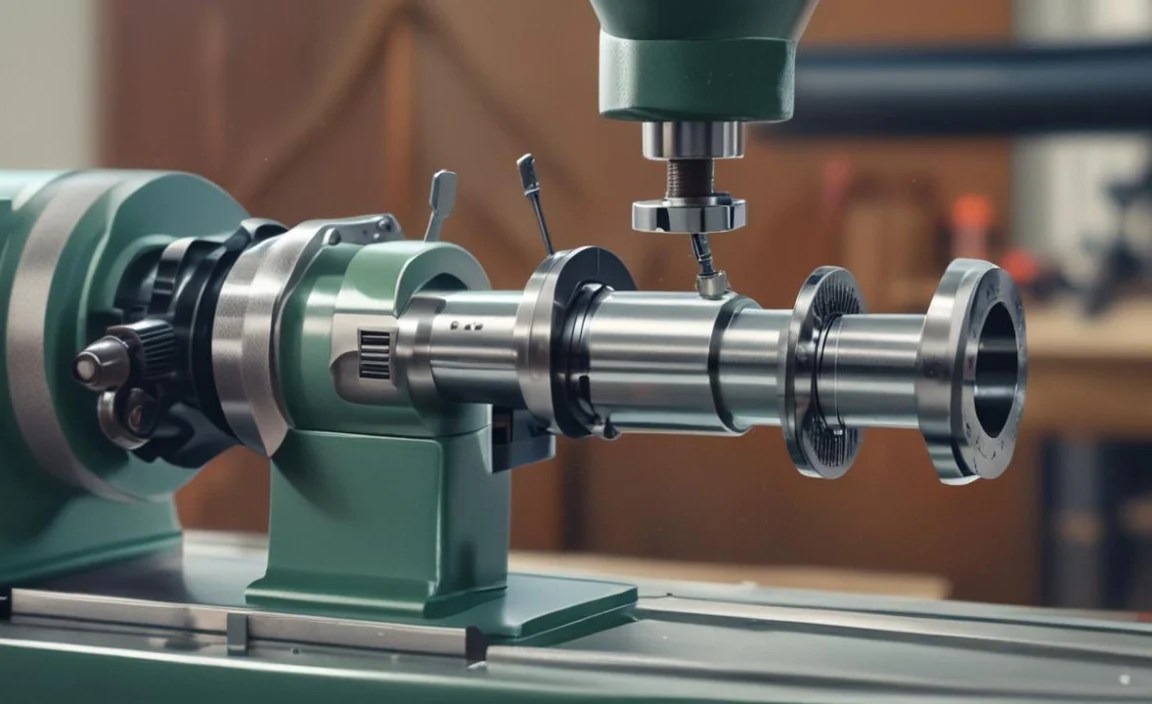
You should check your tailstock alignment once a week. Regular checks help ensure everything works perfectly and can lead to better results in your projects.
Top Reviews of Tailstock Alignment Tools

Comparison of popular tools used for tailstock alignment. Pros and cons of each tool based on user reviews and ratings.
Different tools help check tailstock alignment. Each has good and bad points. Let’s look at some popular options:
- Alignment Test Bar: It’s accurate and easy to use. However, it’s a bit pricey for some users.
- Live Center: Great for precise alignment. But some find it tricky to set up.
- Dial Indicator: This tool offers clear readings. Yet, it can be less durable over time.
When choosing, think about what fits your needs best!
What are the best tailstock alignment tools?
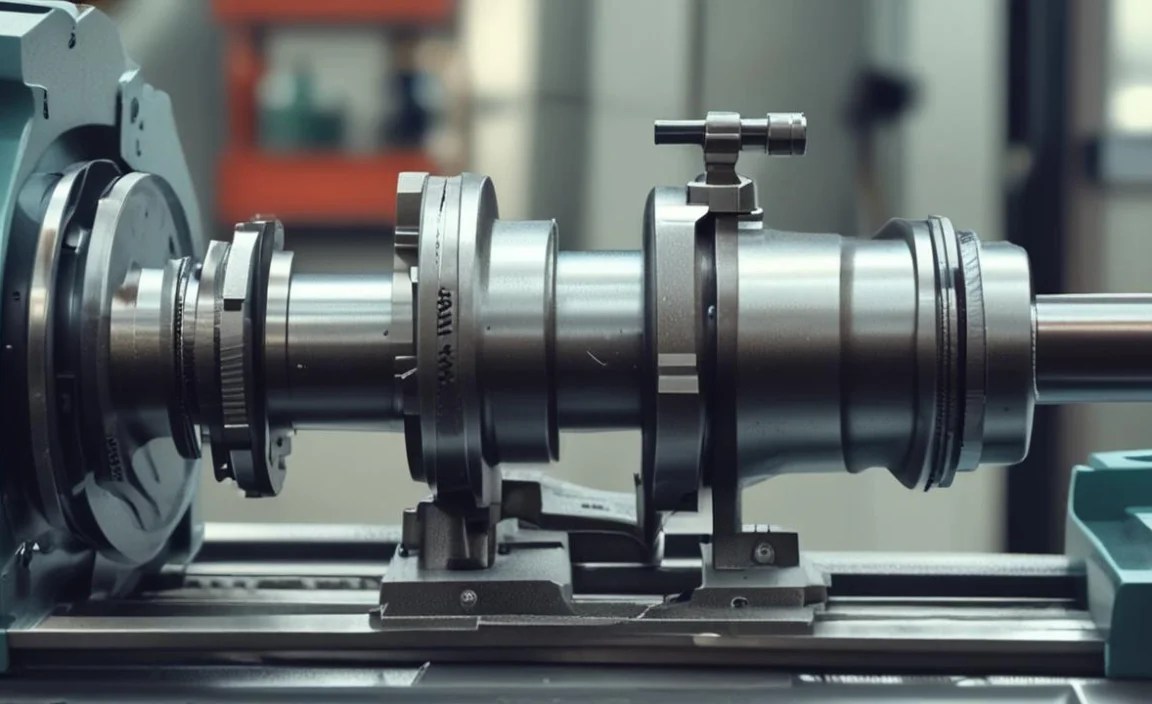
The best tools include Alignment Test Bars, Live Centers, and Dial Indicators. Each has unique features that suit different users.
Expert Tips for Achieving Accurate Tailstock Alignment
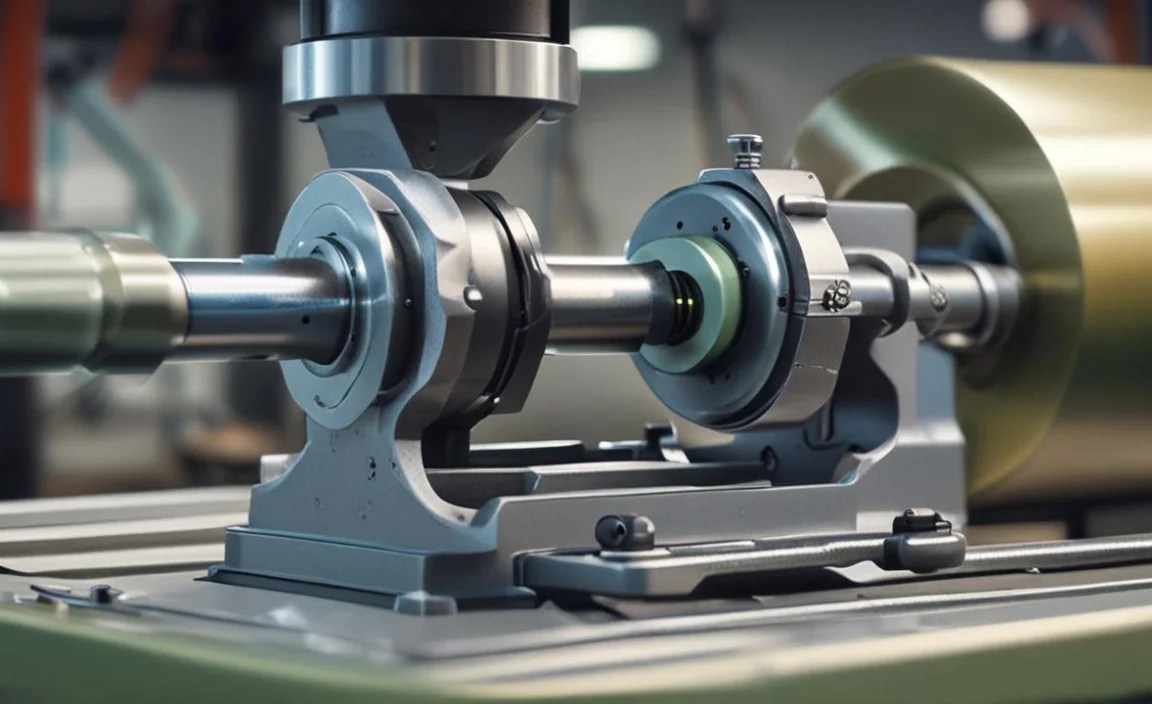
Insights from experienced machinists regarding alignment techniques. Common mistakes to avoid during the alignment process.
Getting your tailstock aligned is like finding a missing sock; it seems simple, but it can be tricky! Experienced machinists say to measure twice and adjust once. A common mistake is misjudging the level of the tailstock. That can lead to wobbly workpieces—no one wants that! 🦙 Keep everything clean and check alignment often. Remember, a well-aligned tailstock is your best buddy in the machining world!
| Tip | Common Mistake |
|---|---|
| Measure Twice | Skipping Measurements |
| Keep it Clean | Not Clearing Debris |
| Check Alignment Regularly | Doing it Once |
Frequently Asked Questions (FAQs) about Tailstock Alignment
Addressing common queries related to tailstock alignment. Clarifying misconceptions and providing helpful insights.
Many people have questions about tailstock alignment. It’s important for getting good results when using a lathe. Here are some common questions:
What is tailstock alignment?
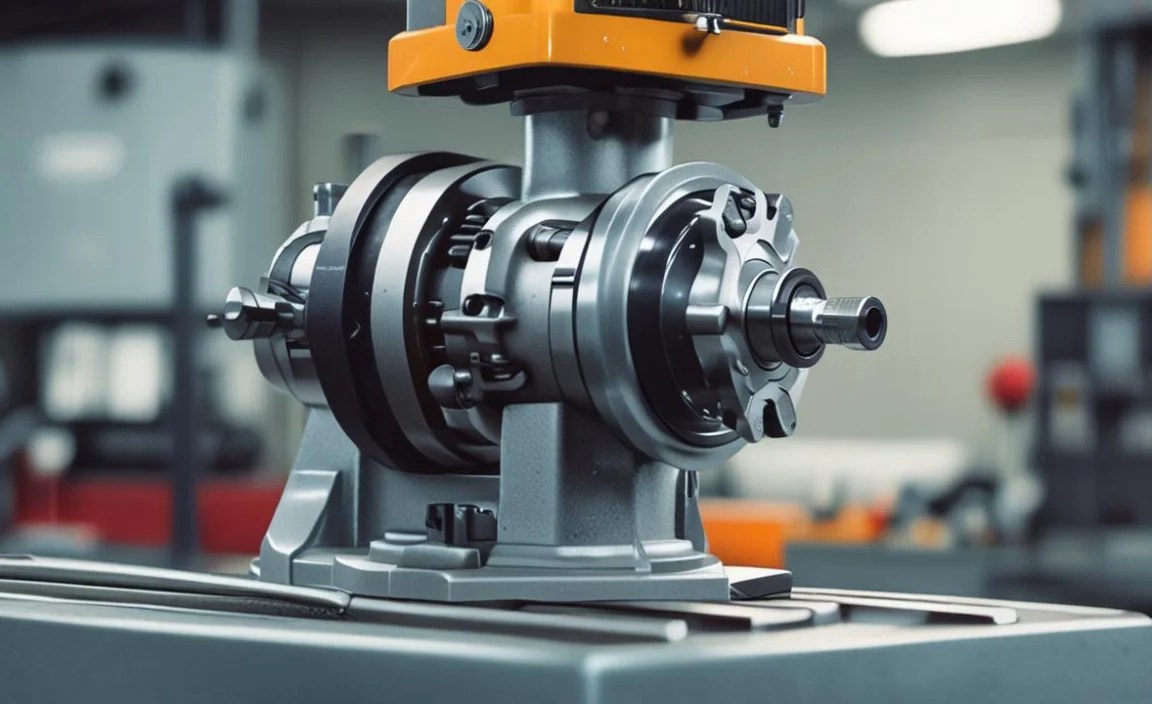
Tailstock alignment ensures accurate cutting by keeping the tailstock in the right position. It helps prevent uneven surfaces on your project.
How do I know if my tailstock needs adjustment?
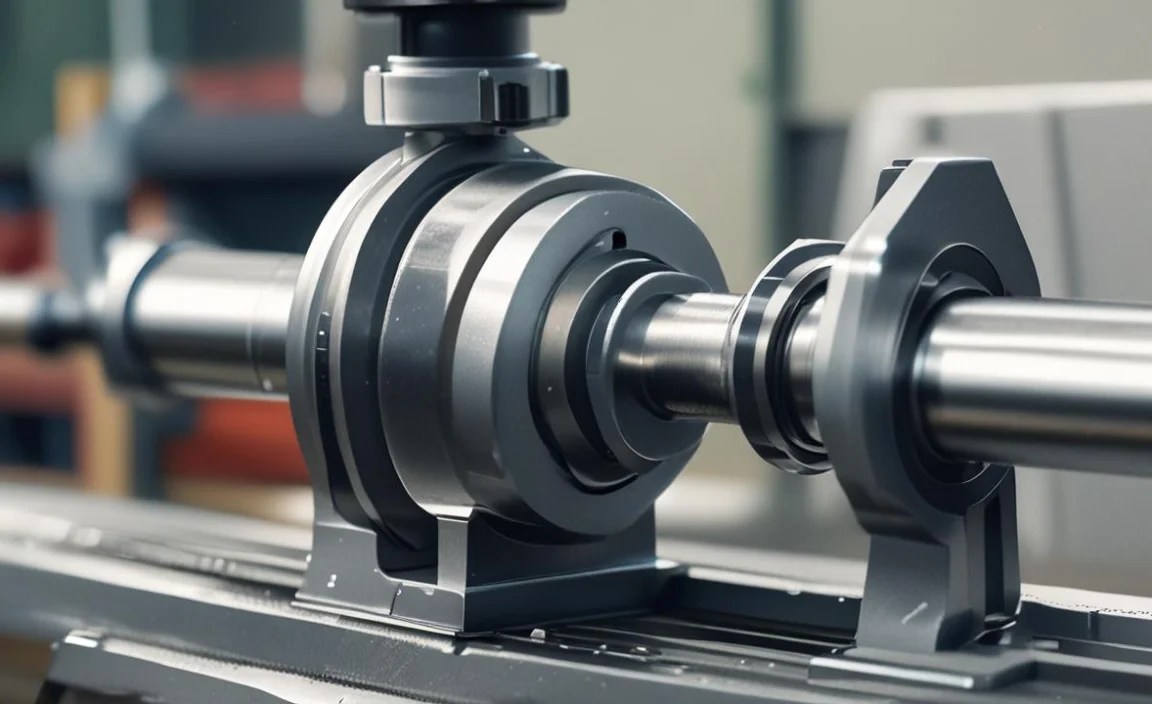
If your cuts are not smooth or your tool wobbles, your tailstock may not be aligned properly. Regular checks are essential.
What tools do I need for alignment?
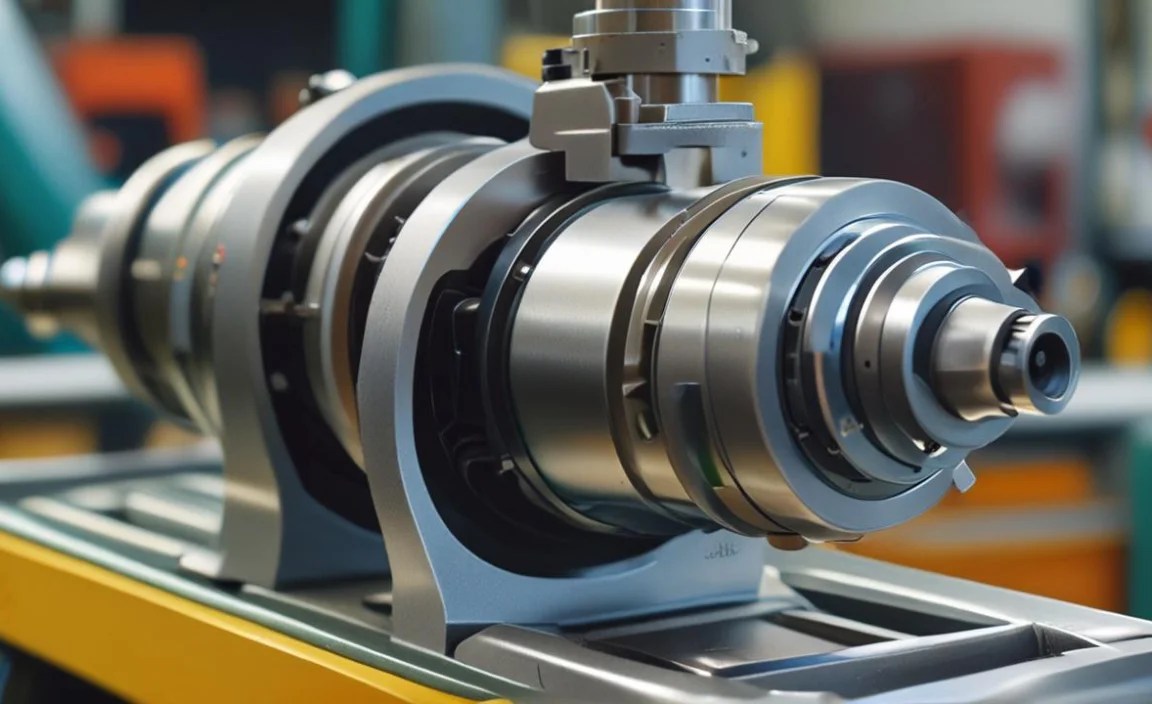
- Caliper or ruler
- Alignment bar
- Spirit level for flatness
Can I fix alignment issues myself?
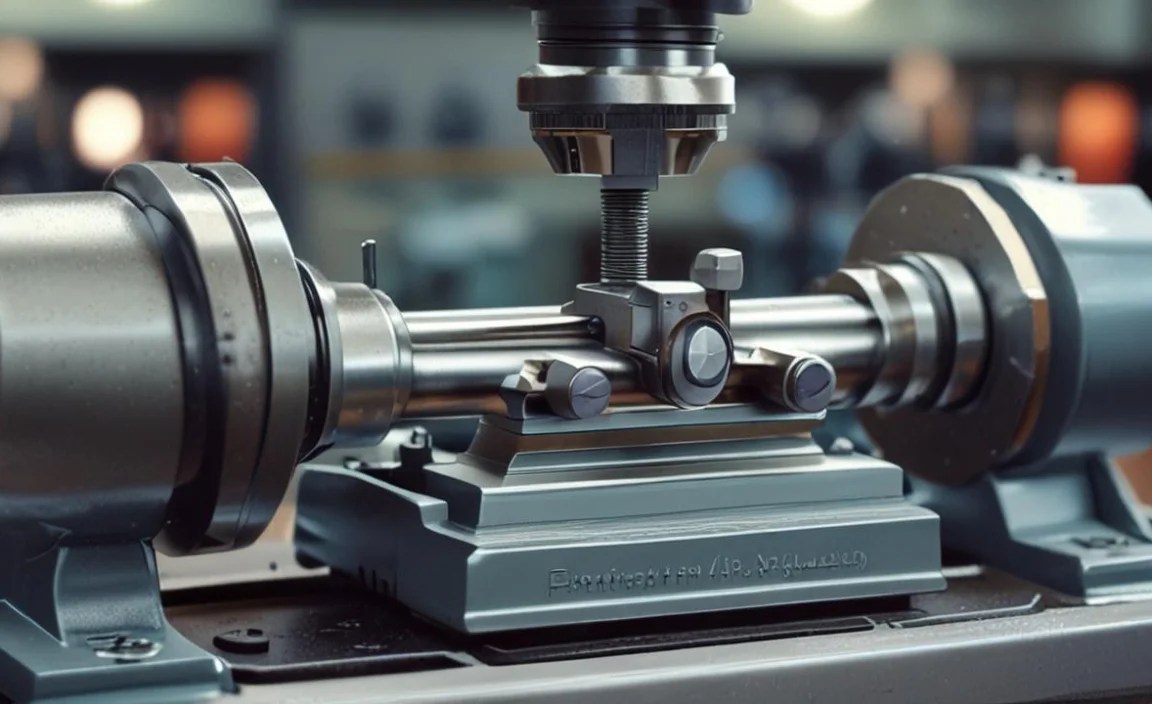
Yes! Most alignment problems are easy to fix. Follow the lathe’s manual for guidance.
Conclusion
In summary, aligning your metal lathe tailstock is key for accurate work. It helps produce smooth, precise cuts. We should regularly check and adjust the alignment to avoid mistakes. To learn more, consider reading guides or watching tutorials. With practice, you’ll master this skill and improve your lathe work! So, let’s dive deeper and keep learning!
FAQs
What Are The Common Signs That Indicate A Metal Lathe’S Tailstock Is Misaligned?
You can tell if the tailstock of a metal lathe is misaligned by looking for a few signs. First, your cuts might be uneven or crooked. Second, the tool and workpiece may not stay in line. You might also notice problems when you try to drill holes; they could come out off-center. Lastly, you may see extra wear on the tool because it’s not straight.
How Can I Accurately Measure The Alignment Of The Tailstock On My Metal Lathe?
To check your tailstock’s alignment on the metal lathe, you need a few simple tools. First, use a dial gauge, which measures small distances. Place the dial gauge on the lathe bed and move the tailstock to see if the needle stays steady. If it moves, the tailstock is not aligned. You can adjust it and check again until it measures perfectly.
What Adjustments Should Be Made If The Tailstock Is Found To Be Out Of Alignment?
If the tailstock is not lined up right, we need to fix it. First, check the screws holding the tailstock in place. If they’re loose, tighten them gently. Next, we can move the tailstock back and forth to see if it fits better. Finally, use a ruler to measure and make sure it’s straight.
How Often Should I Check And Adjust The Tailstock Alignment On My Lathe To Ensure Optimal Performance?
You should check the tailstock alignment on your lathe every few weeks. If you notice any problems while working, check it again. Keeping it aligned helps make better cuts. It’s like making sure a pencil is straight when you draw. Regular checks mean your projects will turn out great!
What Tools Or Equipment Are Recommended For Achieving Precise Tailstock Alignment On A Metal Lathe?
To align the tailstock on a metal lathe, you can use a few helpful tools. A dial indicator is great for measuring tiny distances. A straight edge helps you check if the tailstock is straight with the rest of the lathe. You can also use a level to see if everything is flat. These tools help you make sure your cuts are accurate and neat!
