Imagine crafting a beautiful wooden bowl. Would you choose a wood lathe from China or Japan? Each country makes its own special lathes, and they both have unique stories. In China, the art of woodworking dates back thousands of years. Japan, too, prides itself on precise and graceful designs. But what makes them different when it comes to wood lathes?
Picture a craftsman working in his shop. He’s choosing a lathe for his next project. Will the robust Chinese lathe win, or will the sleek Japanese one take the prize? These machines may look similar, but they tell different tales. Did you know some believe the Japanese lathe can turn smoother pieces? This could be the key to your woodworking success!
Stay curious and imagine the wooden wonders you can create. Which wood lathe will you pick for your masterpiece? Let’s explore this together and find out the secret differences.
Wood Lathe: China vs. Japan

Did you know that wood lathes can shape your future? Imagine crafting beautiful spindles or bowls. But what makes a lathe special? China and Japan produce amazing lathes. Chinese lathes offer affordability yet reliable quality. Japanese lathes, although pricier, shine with precision and durability. Which one would you choose? It might depend on your project needs and budget. Discover the fascinating world of craftsmanship with these tools.
Manufacturing Techniques and Materials
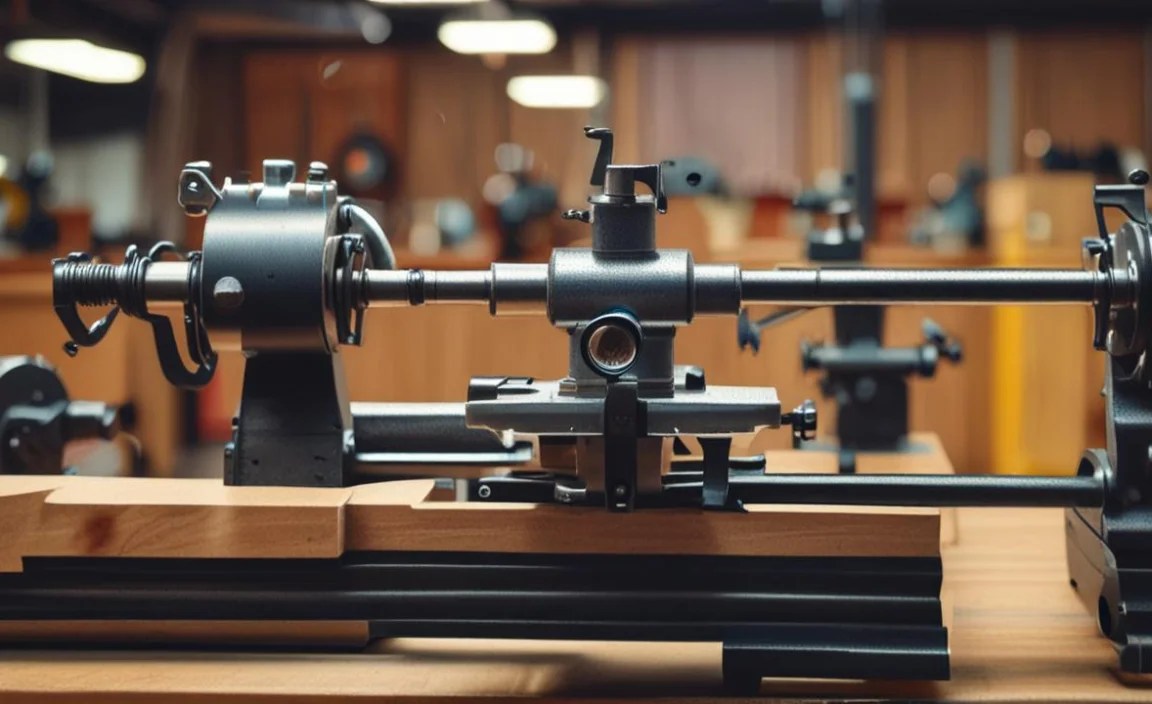
Common materials used in Chinese wood lathes. Craftsmanship and materials in Japanese wood lathes.
Picture this: crafting with wood can be a tale of two lands! In China, wood lathes often use materials like cast iron and steel. These materials keep costs down, but sometimes they can be a tad heavy. Japan, on the other hand, approaches craftsmanship like a poet with a paintbrush. Japanese lathes often employ high-quality steel and aluminum. These materials not only make lathes durable but also add a touch of elegance. Craftsmanship is a prized skill in Japan, focusing on precision and tradition. It’s almost like their lathes are whispering an ancient song while spinning!
| Country | Common Materials | Craftsmanship |
|---|---|---|
| China | Cast Iron, Steel | Functional and cost-effective |
| Japan | High-Quality Steel, Aluminum | Precision and artistry |
Why are Japanese lathes often seen as prestigious? They are built with care and attention to detail that makes them prized. A carpenter once said, “Using a Japanese lathe is like having a concert in your workshop—quiet yet majestic.” It’s not just work; it’s a performance!
Design and Engineering Specifications
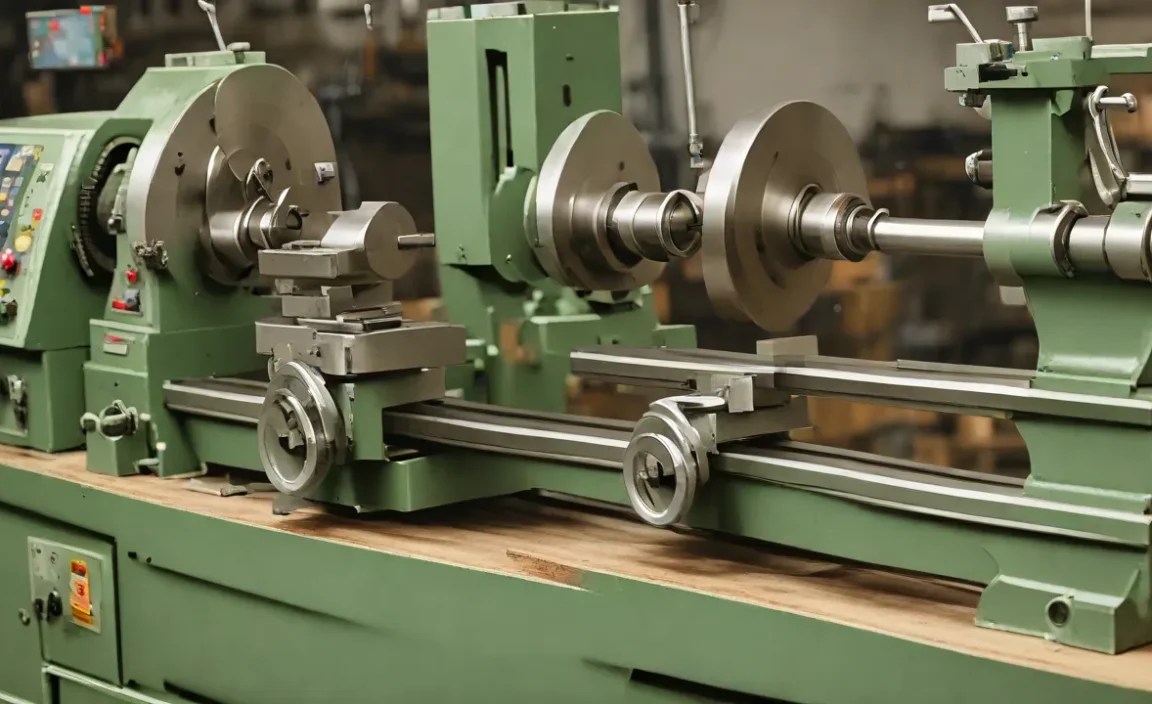
Typical design features of Chinese wood lathes. Unique engineering aspects of Japanese lathes.
Chinese wood lathes are like the Swiss army knives of the lathe world. They usually come with multiple accessories and adjustable parts, making them versatile for many tasks. These lathes also tend to be more budget-friendly, like that leftover pizza you found at the back of the fridge! On the other hand, Japanese lathes are renowned for their precision and durability. They’re built with high quality materials and innovative technology, ensuring they outlast even your Great-Great-Granddad’s favorite hammer.
Here’s a quick comparison:
| Aspect | Chinese Lathes | Japanese Lathes |
|---|---|---|
| Design Features | Versatile, Ergonomic | Precision-focused, Durable |
| Cost | Economical | Higher Price |
| Materials | Standard | High-Grade |
So, if you need a lathe that doesn’t break the bank, go for a Chinese one. But if you’re looking for something to pass down to your grandchildren, a Japanese lathe might be your best bet, as their lifespan and craftsmanship are unmatched.
Performance and Durability
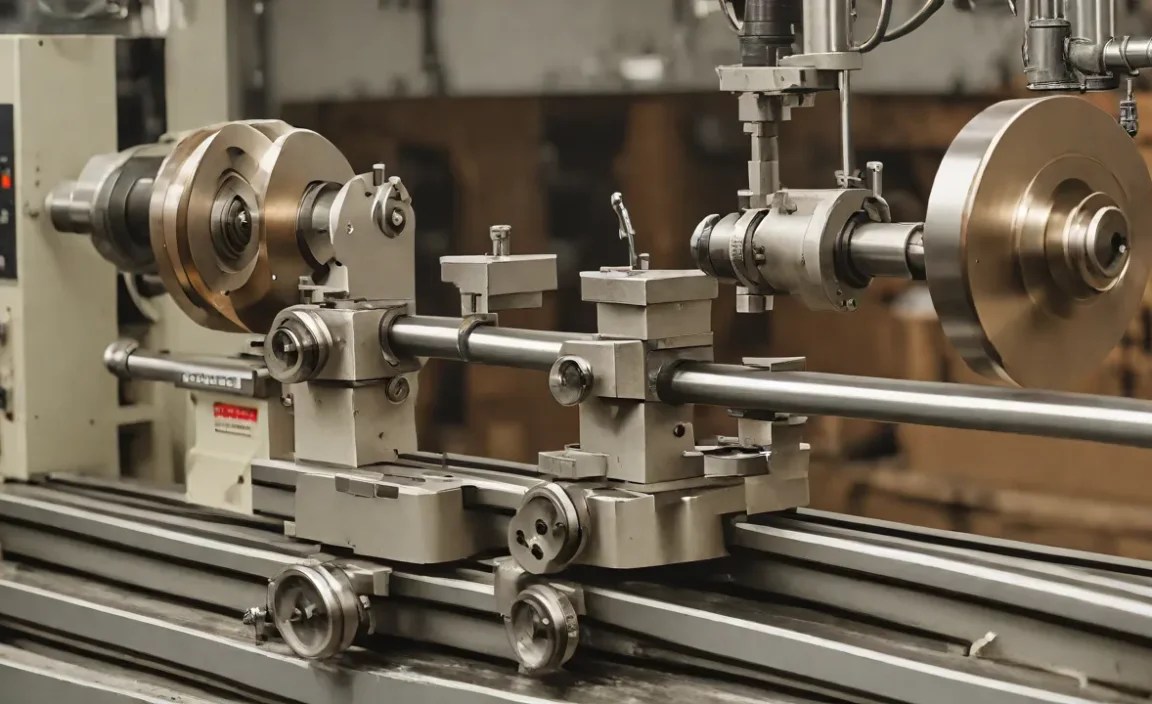
Assessing the performance of Chinese lathes. Evaluating the longevity and durability of Japanese lathes.
Choosing between Chinese and Japanese wood lathes can be tricky. Chinese lathes provide great performance. These machines are powerful and can get the job done quickly. Many people like them for their smooth operation. On the other hand, Japanese lathes are known for their remarkable durability. They last a long time, even with heavy use. This means less need for frequent replacements. Both options have their advantages, with China focusing on speed and Japan on lasting quality.
Which countries have the best wood lathes?
Japan and Germany are praised for making excellent wood lathes. Japanese lathes are durable, while German ones are known for precision.
Why do some woodworkers prefer Japanese lathes?
Japanese lathes are favored for their longevity and reliability. They can handle demanding tasks without breaking down easily.
Cost-Effectiveness and Market Availability
Price range and accessibility of Chinese wood lathes. Cost comparison and availability of Japanese lathes.
Comparing costs and availability, Chinese wood lathes tend to have a lower price range. They are widely accessible in markets worldwide. In contrast, Japanese lathes may cost more but are known for their quality and precision. They are also available in many markets, yet their availability might be less than Chinese options.
- Chinese Lathes: Affordable, easy to find globally.
- Japanese Lathes: Pricier, excellent quality, available in specialized stores.
What is more budget-friendly?
Chinese wood lathes are more budget-friendly than Japanese ones, making them a popular choice for beginners or hobbyists.
Japanese lathes, although expensive, offer sturdy designs and excellent craftsmanship. Both types meet different needs, but one’s choice may depend on budget and desired features. Overall, availability varies by region, impacting decision-making. Choose what’s best based on cost, quality, and your personal needs.
Sustainability and Environmental Impact
Environmental practices in Chinese lathe production. Sustainability efforts in Japanese woodworking machinery.
Chinese lathe production focuses on mass output and uses more resources. Yet, they aim to balance this with innovative recycling methods. In contrast, Japan’s machinery upkeep centers around energy-saving technology. They invest in long-lasting materials, reducing waste.
- Chinese factories often explore recycling in creative ways.
- Japanese makers focus on machines with longer life spans.
Which country has better environmental practices in lathe production?
Japan usually leads with **sustainable practices** due to its dedication to boosting energy efficiency and using sturdy materials. While China also focuses on sustainability, it’s an ongoing journey.
Which Wood Lathe is Right for You?
Key factors to consider when choosing between Chinese and Japanese lathes. Personal preferences and intended use cases.
Finding the right wood lathe can feel like choosing between a dragon and a unicorn—both are cool in their own ways! Consider key factors like quality, price, and features when comparing Chinese and Japanese lathes. Your personal preferences matter, too! If you want to make bowls and fancy stuff, a Japanese lathe might be better. But if you’re just starting, a Chinese lathe could do the job well. Check out the helpful table below for a quick comparison:
| Factor | Chinese Lathes | Japanese Lathes |
|---|---|---|
| Price | Affordable | Higher-end |
| Quality | Decent | Excellent |
| Usability | Beginner-friendly | Professional-grade |
Don’t forget, it’s all about what you want to create! Happy turning!
Conclusion
Chinese and Japanese wood lathes each have unique strengths. Chinese lathes are known for affordability and practicality, while Japanese ones excel in precision and craftsmanship. Explore tools to understand which meets your needs best. Keep learning and experimenting to find the perfect fit for your projects. Consider reading reviews or seeking expert advice for more insights.
FAQs
What Are The Key Differences In Craftsmanship And Build Quality Between Wood Lathes Manufactured In China And Those Made In Japan?
Wood lathes from Japan usually have better craftsmanship than those made in China. Japanese lathes are often built with more care and attention to detail. This makes them last longer and work better. Chinese lathes might be cheaper, but they may not be as strong or precise. When you choose a lathe, remember that quality can really help your projects.
How Do The Prices Of Chinese And Japanese Wood Lathes Compare In Relation To Their Features And Performance?
Chinese wood lathes are often cheaper than Japanese ones. They can have good features but might not last as long. Japanese wood lathes usually cost more, but they are often better in quality. You get strong performance and many useful features with them. So, if you want something that lasts and works well, a Japanese lathe might be a better choice.
What Are The Most Popular Brands Of Wood Lathes From China And Japan, And How Do They Rank In Terms Of User Satisfaction?
Some popular wood lathe brands from China include WEN and Grizzly. From Japan, you’ll find brands like Jet and Ryobi. Many users like these brands because they are reliable and easy to use. People often give good reviews, saying they are happy with their choices. Overall, most users feel satisfied with these brands.
How Do The Available Specifications And Technologies In Chinese Lathes Differ From Those In Japanese Wood Lathes?
Chinese lathes usually focus on being cheaper and simpler. They might use basic designs and materials. Japanese wood lathes often have better technology, like smoother movements and finer details. These lathes can create more complex shapes and are usually built to last longer. So, if you want high quality and precision, Japanese lathes are often better.
What Factors Should Woodturners Consider When Choosing Between A Chinese Lathe And A Japanese Lathe For Their Specific Projects And Skill Levels?
When choosing between a Chinese lathe and a Japanese lathe, think about your skill level and project needs. Chinese lathes are usually cheaper and great for beginners. Japanese lathes are often better for fine detail work. You also want to consider the size and weight of the lathe. Make sure it fits your workspace and is easy for you to use.
max-width: 150px;
}
@media screen and (max-width: 480px) {
max-width: initial;
}
;
}
