Cut your wooden projects into stunning shapes with proven wood lathe faceplate turning ideas, even if you’re a beginner. This guide provides simple, step-by-step inspiration for creating beautiful, stable, and unique pieces on your wood lathe.
Ever look at a beautiful wooden bowl, platter, or decorative item and wonder how it was made? Often, those smooth, symmetrical forms start with a simple piece of wood attached to a faceplate on a wood lathe. If you’re new to woodworking or just getting acquainted with your lathe, diving into faceplate turning might seem a bit daunting. But don’t worry! It’s a fantastic way to create impressive projects, and with a few proven ideas, you’ll be turning out amazing pieces in no time. We’ll walk you through everything you need to know to get started safely and creatively.
Unlock Your Creativity with Wood Lathe Faceplate Turning Ideas

Faceplate turning is a fundamental skill for any woodturner. It’s how you create those larger, flatter, and often more intricate pieces that might not be possible or as stable with other mounting methods. Think of bowls, platters, boxes, and even decorative wall art. The beauty of faceplate turning lies in its versatility and the direct connection you have with the wood as it spins. It’s a dance between you, the tool, and the wood, guided by the reliable spin of the lathe.
This article is your friendly guide to getting started with woodworking faceplate turning ideas. We’ll cover the basics of how to securely attach your wood to the faceplate, essential safety tips, and then we’ll dive into some proven designs that are perfect for beginners. By the end, you’ll feel confident tackling your own projects and exploring new creative avenues with your wood lathe.
What is a Wood Lathe Faceplate and Why Use It?

A wood lathe faceplate is essentially a metal disc that screws onto the end of your lathe’s spindle. You then attach your workpiece, usually a larger or irregularly shaped piece of wood, directly to this faceplate using screws. This method is ideal when the piece is too large or its shape doesn’t lend itself to being held by a chuck or a screw chuck. Faceplates provide a very secure and stable way to turn larger items that might have their center of mass further from the spindle, like wide platters or shallow bowls.
Using a faceplate opens up a world of project possibilities. It’s particularly useful for items where the grain orientation is important for aesthetics and strength, allowing you to position the wood precisely. For beginners, it’s also a great way to learn about balancing workpieces and managing the forces involved in turning larger items.
Safety First: Essential Faceplate Turning Precautions
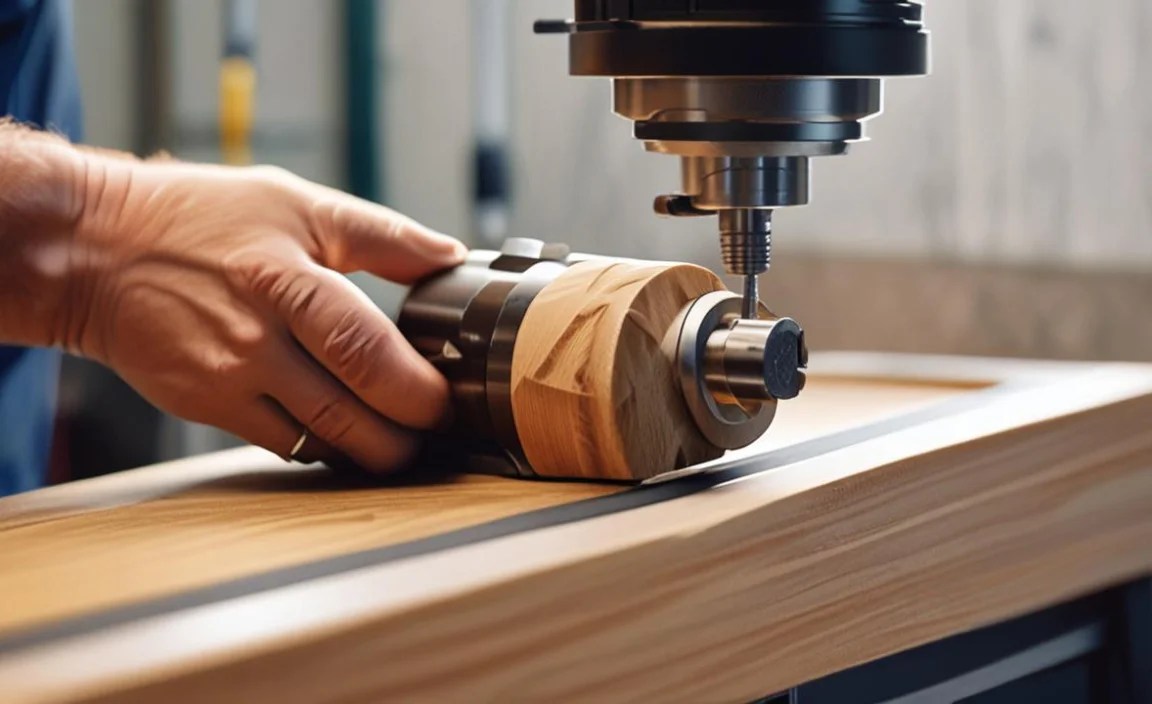
Working with a wood lathe, especially with larger workpieces on a faceplate, demands a strict adherence to safety. Your safety is paramount, and understanding these precautions will ensure you have a positive and productive experience. Always remember: the lathe is a powerful tool that demands your full attention.
- Wear Safety Glasses: This is non-negotiable. Always wear a full face shield or safety glasses whenever the lathe is running. Wood chips and dust can fly unexpectedly.
- Secure Your Workpiece: Ensure your workpiece is firmly attached to the faceplate with the correct size and type of screws. Loose work is extremely dangerous and can be ejected from the lathe at high speed.
- Check for Knots and Defects: Before mounting, inspect your wood for cracks, large knots, or voids, especially near the mounting points. These can weaken the wood and lead to it breaking apart on the lathe.
- Proper Tool Rest Setup: Position your tool rest as close as safely possible to the workpiece. This provides support for your turning tools and prevents them from catching on the wood.
- Start Slowly: Begin turning at a slow speed. As you gain confidence and the workpiece becomes more symmetrical, you can gradually increase the speed. Always adjust speed based on the size and shape of your workpiece.
- Stand to the Side: Never stand directly in front of the spinning workpiece. Position yourself slightly to the side of the lathe bed.
- Mount Faceplate Securely: Ensure the faceplate is screwed tightly onto the lathe’s spindle. If it’s loose, it can wobble and detach.
- Use Appropriate Screws: Use screws that are long enough to get a good grip in the wood but not so long that they come through the other side if you’re not careful. Wood screws with a coarse thread work well.
- Keep Your Workspace Tidy: A cluttered workspace is a hazardous workspace. Keep wood chips, tools, and dust swept away.
For more in-depth safety information, always refer to your lathe’s manual and consider resources like the Woodturning Safety Guide often provided by woodworking organizations.
Choosing the Right Materials for Faceplate Turning

The type of wood you select can significantly impact your turning experience and the final look of your project. For faceplate turning, you’ll generally want stable, well-seasoned hardwoods. Avoid green wood for projects that need to remain flat and stable over time, as it will likely warp and crack as it dries.
Hardwoods like maple, cherry, walnut, oak, and poplar are excellent choices. They offer good stability and a pleasing grain. Softer woods like pine can be turned but require a gentler approach and may not be as durable. For your first faceplate projects, start with something easy to turn like poplar or maple.
Consider these factors when selecting your wood:
- Hardness: Hardwoods are generally more stable and less prone to tear-out than softwoods.
- Grain Structure: Open-grained woods (like oak) can be beautiful but may require grain filler. Close-grained woods (like maple or cherry) are smoother.
- Stability: Properly dried (seasoned) wood is crucial. Using kiln-dried or air-dried lumber ensures less movement after turning.
- Size and Shape: For faceplate turning, you’ll often start with a blank that is wider than it is thick. Square, rectangular, or irregularly shaped blanks are common.
Proven Wood Lathe Faceplate Turning Ideas for Beginners

Let’s get to the exciting part: what can you actually make with a faceplate? These ideas are tried and tested, offering a good starting point for beginners to build confidence and skills. They focus on achievable shapes and techniques.
1. The Simple Wooden Bowl

A bowl is a classic project and an excellent way to get comfortable with faceplate turning. You can make anything from a small trinket dish to a substantial serving bowl.
How to do it:
- Prepare Your Blank: Start with a square or slightly oversized round blank. Ensure it’s thick enough for your desired bowl depth.
- Mount to Faceplate: Securely screw the blank to the faceplate. Position the screws so they won’t interfere with your final bowl shape. For a beginner bowl, you might place four screws, ensuring they go into solid wood.
- Rough Turning: Mount the faceplate on the lathe. Start at a slow speed. Begin to round the outer edges of the blank with a gouge. Gradually work towards your desired outer shape.
- Hollow Out the Bowl: Once the outside is roughly shaped and balanced, start hollowing out the inside. Use a bowl gouge, working from the rim towards the center. Remove wood in shallow passes.
- Shape the Interior: Continue hollowing, paying attention to wall thickness. Aim for consistent thickness throughout.
- Refine the Exterior: Once the interior is shaped, refine the exterior profile.
- Create a Foot (Optional): You can leave a flat base, or carefully turn a foot on the bottom edge.
- Sanding: Sand the bowl smooth, both inside and out, while it’s still on the lathe at a slow speed.
- Finishing: Apply a food-safe finish if desired, or a natural oil finish.
Tip: For a cleaner look, position your screws so they will be removed or hidden when you shape the rim and base of the bowl. You might even fill the screw holes later.
2. The Decorative Platter
Platters are similar to bowls but are typically shallower, making them ideal for decorative displays or serving. They allow for more emphasis on the wood’s grain and color.
How to do it:
- Select Your Wood: Choose a piece with attractive grain. A visually interesting piece of maple, walnut, or even a spalting wood can make a platter stand out.
- Secure to Faceplate: Ensure the blank is perfectly centered and securely screwed down. Since platters are larger and flatter, balance is key.
- Turn the Top Surface: Start turning the top surface, creating a gentle curve or a flat area. Use a skew chisel for smooth surface finishes if you’re comfortable, or a gouge for rapid material removal.
- Shape the Rim: Define the rim of the platter. This could be a simple rounded edge, a chamfer, or a more decorative profile.
- Turn the Underside: Flip the platter around (you might need to remount it to a new faceplate or a jam chuck if you’ve turned away the screw holes). Turn the underside, creating a foot or simply a smooth, finished bottom.
- Sanding and Finishing: Smooth surfaces with sandpaper. Apply a finish that enhances the wood’s natural beauty.
Table: Platter Design Considerations
| Feature | Beginner Focus | Advanced Options |
|---|---|---|
| Shape | Simple round or slightly oval | Rectangular, irregular shapes, segmented |
| Rim | Gentle curve or chamfered edge | Undercuts, decorative beading, raised edges |
| Underside | Flat base or simple, short foot | Recessed foot (tenon), decorative carving |
| Surface Treatment | Smooth, natural finish | Inlays, piercing, textured finishes, resin pours |
3. Wooden Box Lids and Bases

Faceplates are perfect for turning the round lids and bases of wooden boxes. This allows for a precise fit and a professional look.
How to do it:
- Prepare Blanks: You’ll need two blanks: one for the lid and one for the base. Turn them to the same diameter and thickness.
- Turning the Lid: Mount the lid blank on the faceplate. Turn the outside profile and then create a recess or a lip on the underside that will fit into the box body. You can also turn a decorative shape on the top of the lid.
- Turning the Base: Mount the base blank. Turn the outside profile and create a tenon on the underside that the box body will fit onto.
- Creating the Box Body: The box body itself is often turned separately on the chuck, or assembled from segments, and designed to mate with the precisely turned lid and base.
- Finishing: Sand and finish both parts before assembly.
External Resource: For inspiration on box designs and joining techniques, explore resources from institutions like the Wood Magazine website, which frequently features woodworking projects, including those involving turnings.
4. Wooden Trivets and Coasters

These are smaller, quicker faceplate projects that are great for practicing your skills and making useful items. They are perfect for using up smaller scraps of attractive wood.
How to do it:
- Select Wood: Choose hardwoods that can withstand heat and moisture.
- Prepare Blank: Cut your blank to the desired size. For coasters, a 4-inch square is common; for trivets, 6 to 8 inches.
- Mount and Turn: Secure to the faceplate. Turn one side flat or with a slight concave curve.
- Create Rim/Edge: You can leave a simple square edge, or round it over. A small lip on the top surface can help contain drips.
- Flip and Finish: Remount (or use a jam chuck) to turn the bottom. Sand thoroughly and apply a durable, water-resistant finish.
Tip: For coasters, you can turn a small recess on the bottom to add rubber feet for stability.
5. Decorative Wall Art and Sculptural Pieces

Once you’re comfortable, you can use faceplate turning to create more artistic pieces. Think about turning thin discs with interesting profiles, or creating textured surfaces.
How to do it:
- Experiment with Form: Don’t be afraid to explore unusual shapes. Think about abstract forms, layered discs, or pieces that play with negative space.
- Surface Treatments: Use carving tools, pyrography (wood burning), or even applying paints or stains after turning to add dimension.
- Thin Sections: For delicate art pieces, you’ll be turning very thin sections of wood. This requires careful tool control and understanding grain direction.
- Mounting for Display: Consider how the piece will be displayed. It might need a flat back for flush mounting or a way to hang.
Considerations for Artistic Pieces:
- Wood Selection: Use woods that respond well to carving or finishing.
- Grain Matching: For layered pieces, aligning the grain can create stunning visual effects.
- Stability: Thinner turnings are more prone to movement. Ensure finishes help stabilize the wood.
Mounting Your Workpiece to the Faceplate: A Closer Look

The secure attachment of your wood to the faceplate is critical for safety and successful turning. Here’s a more detailed breakdown of how to do it:
1. Selecting the Right Faceplate:
- Faceplates come in various diameters and thread sizes. Ensure the thread size matches your lathe’s spindle.
- Choose a faceplate large enough to support your workpiece without the screws being too close to the edge of your planned final design.
2. Preparing Your Wood Blank:
- If you have a square or rectangular blank, you can drill pilot holes for your screws in the approximate center area where the waste wood will eventually be removed.
- If your blank is already somewhat round, ensure it’s flat enough on the back to seat properly against the faceplate. You might need to use a planer or sandpaper on a flat surface to achieve this.
3. Attaching Screws:
- Screw Type: Use good quality wood screws with coarse threads. These grip wood well.
- Screw Length: The screws should be long enough to get a solid purchase in the wood but not so long they poke through the other side of your workpiece – unless that’s part of your design!
- Number of Screws: For beginners, four screws evenly spaced is standard for most bowls and platters. You might use more for very large or unstable pieces.
- Pilot Holes: Drilling pilot holes slightly smaller than the screw diameter makes driving the screws easier and prevents splitting the wood.
4. Mounting to the Lathe:
- Screw the faceplate securely onto the lathe spindle. It should be snug.
- Mount your workpiece with attached faceplate onto the spindle. Tighten it firmly.
Table: Screw Placement and Considerations
| Project Type | Typical Screw Count | Placement Strategy | Safety Note |
|---|---|---|---|
| Small Bowls/Dishes | 3-4 | Evenly spaced, into solid wood area | Ensure screws don’t interfere with final rim or base shape |
| Large Bowls/Platters | 4-6 | Well-distributed, into thickest areas. Consider pilot holes. | Critical for balance; loose screws mean immediate stop. |
| Box Lids/Bases | 3-4 | Into wood that will form the tenon or recess area | Precision is key for fit; avoid screws that mar mating surfaces. |
Important: After mounting your workpiece and before starting the lathe, give it a gentle nudge by hand in both directions.
