Wood Lathe Faceplate vs. Scroll Chuck: This guide breaks down the key differences, uses, and when to choose each for your woodworking projects. Learn how faceplates are best for larger, irregular shapes, while scroll chucks offer versatile gripping for spindle work and bowls. Get ready to make better turning decisions!
Ever find yourself staring at your wood lathe, wondering which attachment will best grip that piece of wood for your next project? It’s a common question for anyone getting started with turning. You’ve got a blank workpiece, and you need to secure it safely and effectively. Two of the most fundamental ways to do this are with a faceplate and a scroll chuck. Choosing the right one can make a huge difference in your project’s success and your overall turning experience.
Sometimes, the difference can feel a bit confusing, especially when you’re just starting out. But don’t worry, we’re going to break down exactly what each one is, how they work, and when you should be reaching for one over the other. By the end of this guide, you’ll feel confident in selecting the perfect mounting method for any woodturning task.
Wood Lathe Faceplate vs. Scroll Chuck: A Beginner’s Breakdown

As a lifelong machinist and a passionate tool enthusiast, I’ve spent countless hours at the lathe, and I know how crucial it is to have the right grip on your workpiece. The distinction between a faceplate and a scroll chuck might seem small at first, but understanding their unique strengths will unlock new possibilities in your woodworking. We’ll cover everything you need to know to make informed decisions and turn with confidence.
What is a Wood Lathe Faceplate?

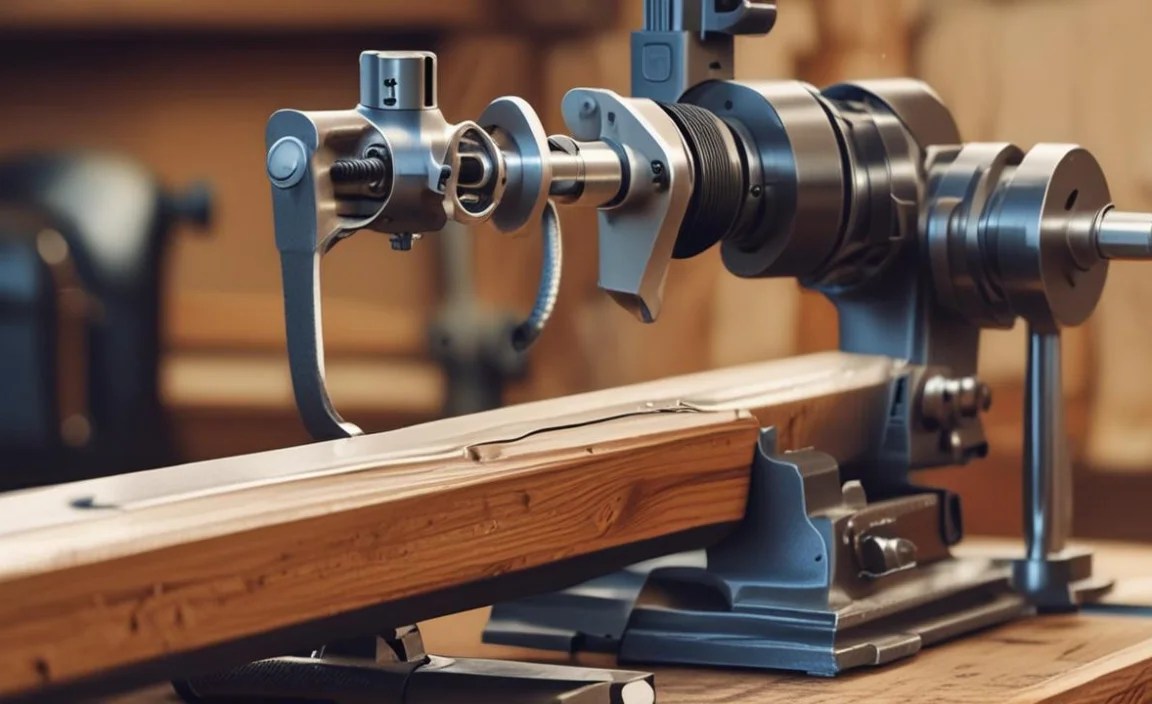
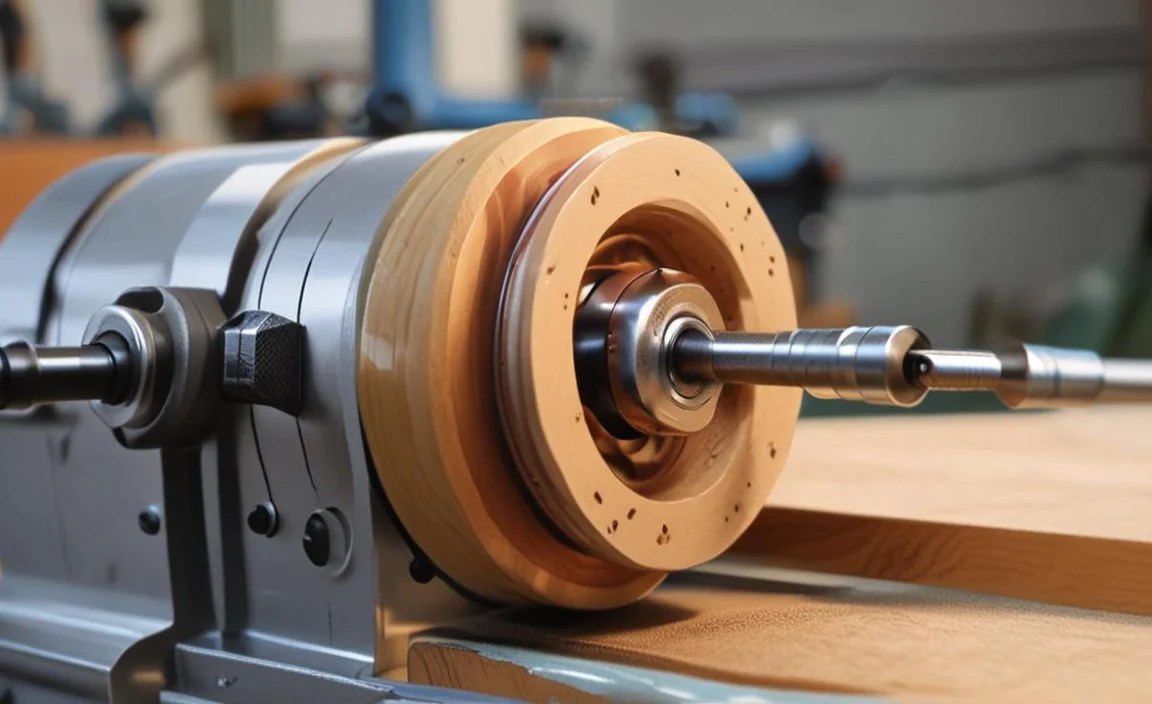
Think of a faceplate as a simple, sturdy metal disc that screws directly onto the end of your lathe’s spindle. It has holes drilled around its perimeter, allowing you to attach your workpiece using screws, bolts, or custom jigs. It’s the most basic and often the most secure way to mount larger or irregularly shaped pieces of wood that might not fit comfortably or securely in a scroll chuck.
The beauty of a faceplate lies in its simplicity and its ability to handle substantial work. Because it distributes the holding force over a larger area, it’s excellent for face-grain turning, especially for large platter, bowl blanks, or pieces that are awkward to mount otherwise. You’re essentially bolting your wood to a flat surface, providing a very rigid connection.
Key Features of a Wood Lathe Faceplate:

- Solid Construction: Typically made from steel or cast iron for durability and strength.
- Screw Holes: Pre-drilled holes allow for various mounting methods.
- Direct Spindle Mount: Screws directly onto the lathe spindle, creating a strong, direct connection.
- Versatile for Large/Irregular Shapes: Ideal for items that don’t have a precise shape for gripping jaws.
When to Use a Wood Lathe Faceplate:

- Mounting large, flat boards for turning platters or large bowls.
- Securing irregularly shaped blanks.
- Turning face-grain bowls where the wood is mounted flat against the faceplate.
- When maximum security is needed for a substantial workpiece.
- When you need to create a specific jig to hold a unique shape.
How to Mount a Workpiece with a Faceplate:
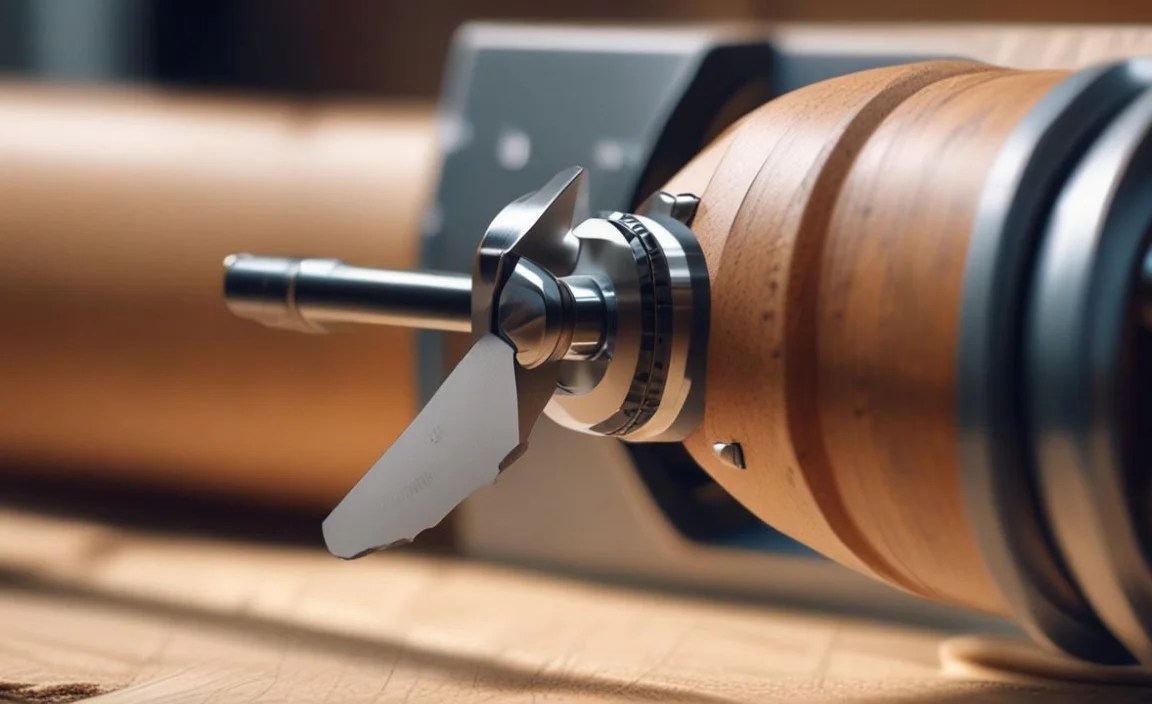
- Attach the Faceplate: Ensure the faceplate is the correct thread size for your lathe’s spindle. Screw it on securely. Some lathes have a retaining screw to keep it from unscrewing during use.
- Prepare Your Wood: Mark the center of your workpiece. You may need to drill pilot holes in the wood where you plan to insert screws.
- Position and Secure: Place your wood blank against the faceplate, aligning the center marks. Use sturdy wood screws or machine bolts with washers to secure the workpiece to the faceplate through the pre-drilled holes. Ensure screws are long enough to get a good grip in the wood but not so long that they poke through the back.
- Check for Runout: Before turning at speed, give the workpiece a gentle push and pull to ensure it’s rigidly attached.
What is a Wood Lathe Scroll Chuck?

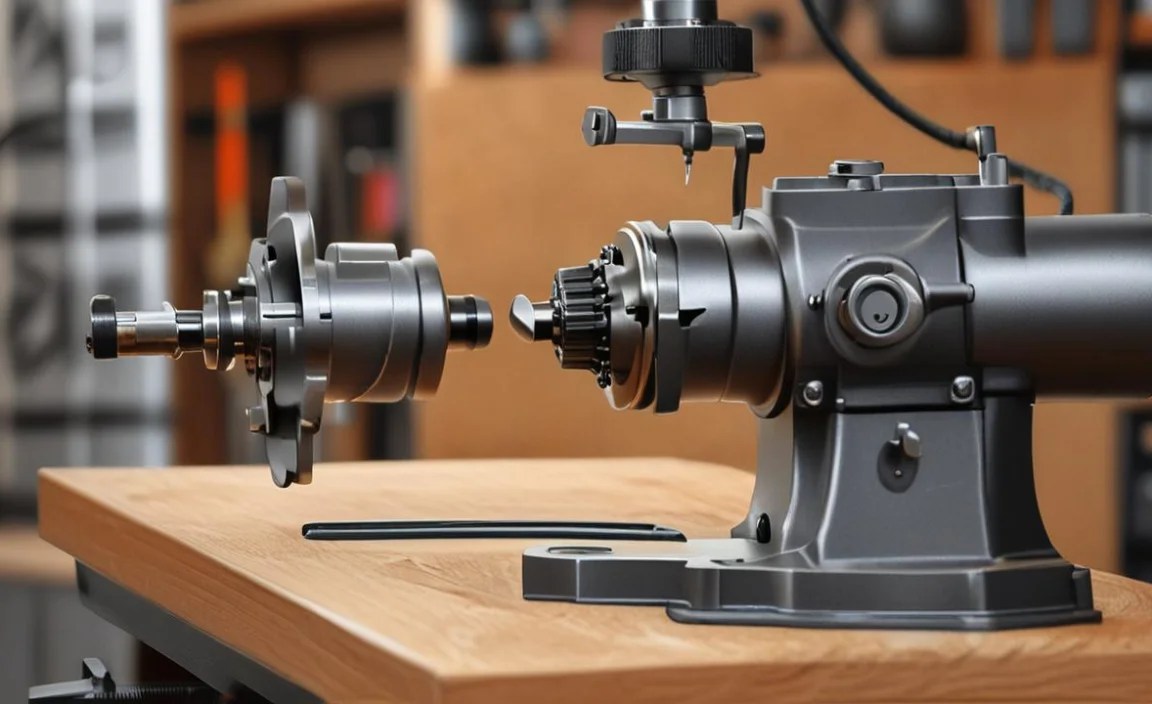
A scroll chuck, often just called a four-jaw chuck, is a more sophisticated and versatile tool for gripping wood. It consists of a body that attaches to the lathe spindle, and typically four jaws that can move in and out simultaneously, controlled by a scroll mechanism (hence the name). This synchronized movement allows the jaws to grip a workpiece internally or externally with equal pressure, ensuring it stays centered.
Scroll chucks are incredibly useful because they can grip a wide range of diameters and shapes. They typically come with different jaw sets for various tasks, such as gripping small spindles, holding bowls for finishing the base, or even holding tenons cut into larger pieces. The ability to adjust the jaw pressure is also a great benefit. For a detailed look at chuck technology, the Wood Magazine team offers excellent insights into selecting the right chuck for your needs.
Key Features of a Wood Lathe Scroll Chuck:

- Four Moving Jaws: Allow for precise and simultaneous gripping and centering.
- Scroll Mechanism: Ensures all jaws move together for a secure, even grip.
- Interchangeable Jaws: Most chucks come with or can be fitted with jaws for different gripping styles (e.g., jaws for internal grip, external grip, dovetail jaws, jam chuck jaws).
- Versatile: Can grip a wide range of workpiece sizes and shapes, especially for spindle turning and holding bowls.
When to Use a Wood Lathe Scroll Chuck:

- Turning spindles (legs, bedposts, tool handles).
- Turning bowls where you need to remount them to turn the base (using jam chuck jaws or dovetail jaws to grip a recess).
- Securing smaller workpieces where a faceplate might be overkill.
- When precise centering is critical.
- Grip workpieces with pre-drilled holes for internal or external gripping.
How to Mount a Workpiece with a Scroll Chuck:
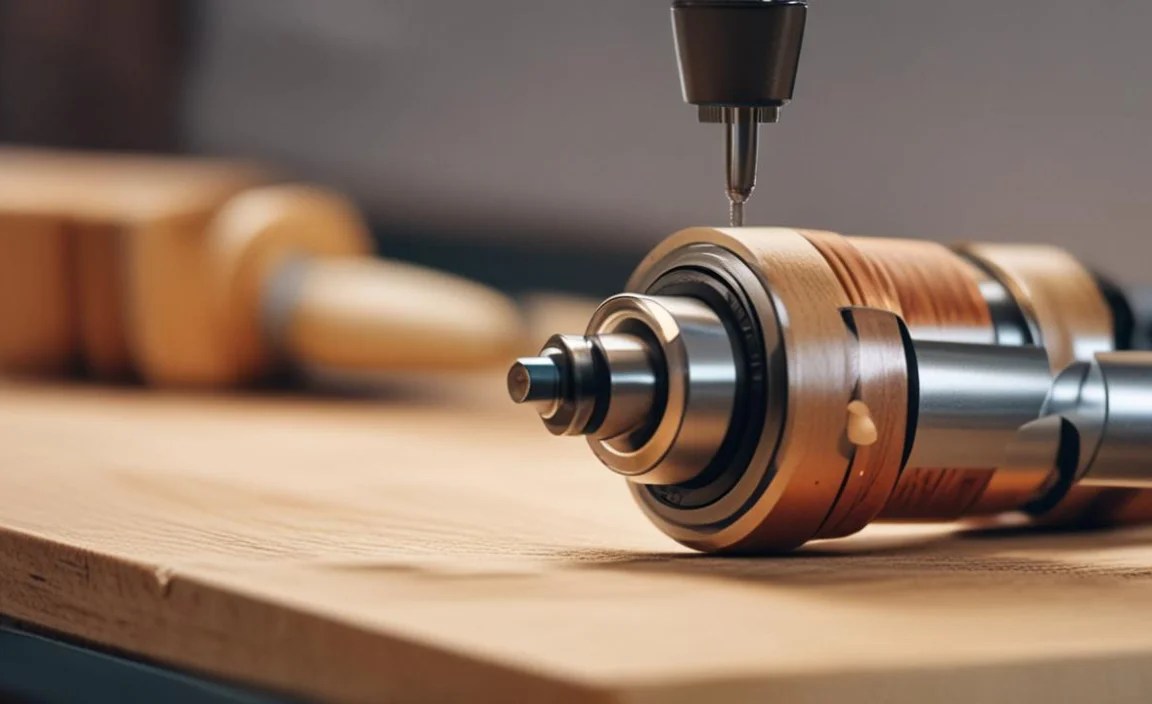
- Mount the Chuck: Ensure the chuck body is compatible with your lathe spindle and thread, and mount it securely.
- Select and Attach Jaws: Choose the appropriate jaw set for your workpiece and mounting method (internal or external grip). Follow the manufacturer’s instructions to attach them to the chuck body.
- Position the Workpiece: Bring the workpiece to the chuck and position it so the jaws can engage.
- Grip the Workpiece: Use the chuck key to operate the scroll mechanism, moving the jaws inwards or outwards until they securely grip the workpiece. Apply enough pressure for a firm hold, but avoid over-tightening, which can damage the wood or the chuck.
- Test Security: Gently try to twist or move the workpiece to ensure it’s held fast.
Faceplate vs. Scroll Chuck: Key Differences and Applications
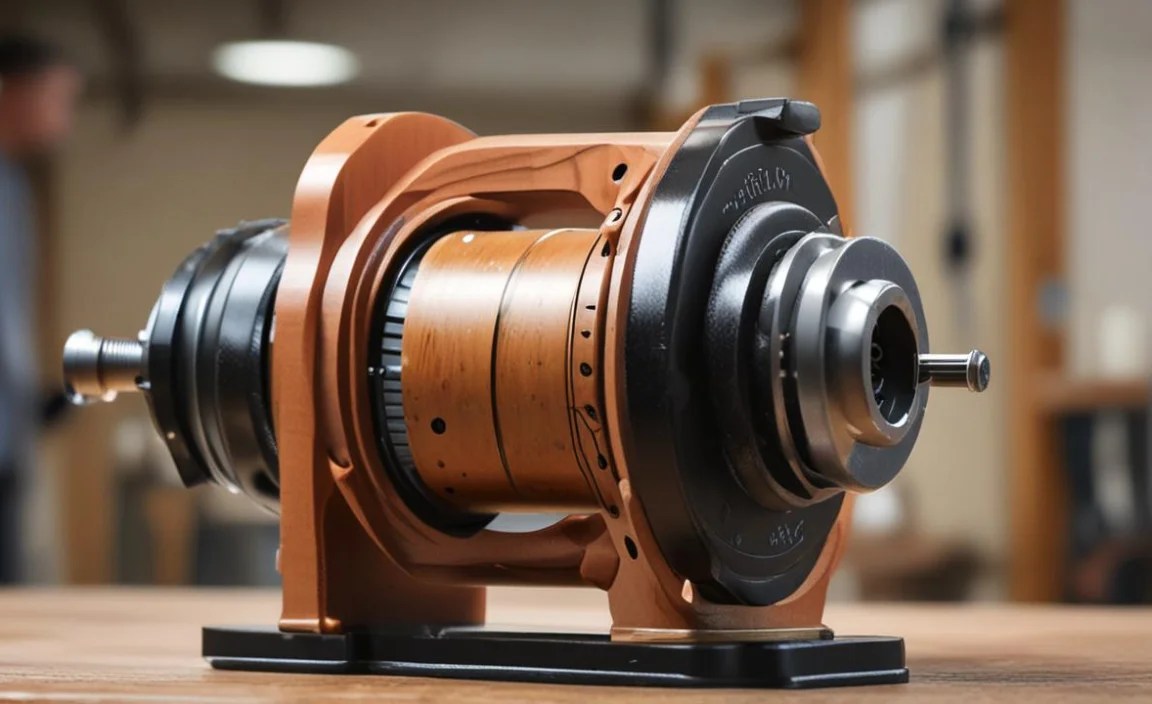
The fundamental difference boils down to how they hold the wood and what shapes they are best suited for. A faceplate offers a direct, rigid connection to a flat surface, ideal for broad, stable mounting. A scroll chuck, on the other hand, uses jaws to grip the workpiece, offering flexibility for different sizes and shapes, especially for round stock or for re-chucking.
For beginners, the faceplate is often less intimidating. You screw it on, you screw the wood to it. Simple. But as you gain experience, the scroll chuck’s versatility becomes invaluable. Many woodturners find they need both in their workshop.
| Feature | Wood Lathe Faceplate | Wood Lathe Scroll Chuck |
|---|---|---|
| Mounting Method | Directly screws workpiece to mounting plate using screws. | Grips workpiece internally or externally with jaws. |
| Best For | Large, flat pieces; face-grain bowls; platters; irregular shapes. | Spindles; bowls (for finishing base); various round stock sizes. |
| Precision Centering | Requires careful centering of workpiece to faceplate holes. | Self-centering mechanism provides precise alignment. |
| Versatility | Limited to what can be screwed to the plate. | High, with interchangeable jaws for different gripping tasks. |
| Security | Extremely high for large, flat pieces. | High, but depends on appropriate jaw selection and pressure. |
| Setup Time | Can be quicker for simple faceplate jobs. | Can take longer to select jaws and set up workpiece. |
| Cost (General) | Lower initial cost. | Higher initial cost, but often considered a worthwhile investment. |
Pros and Cons Comparison
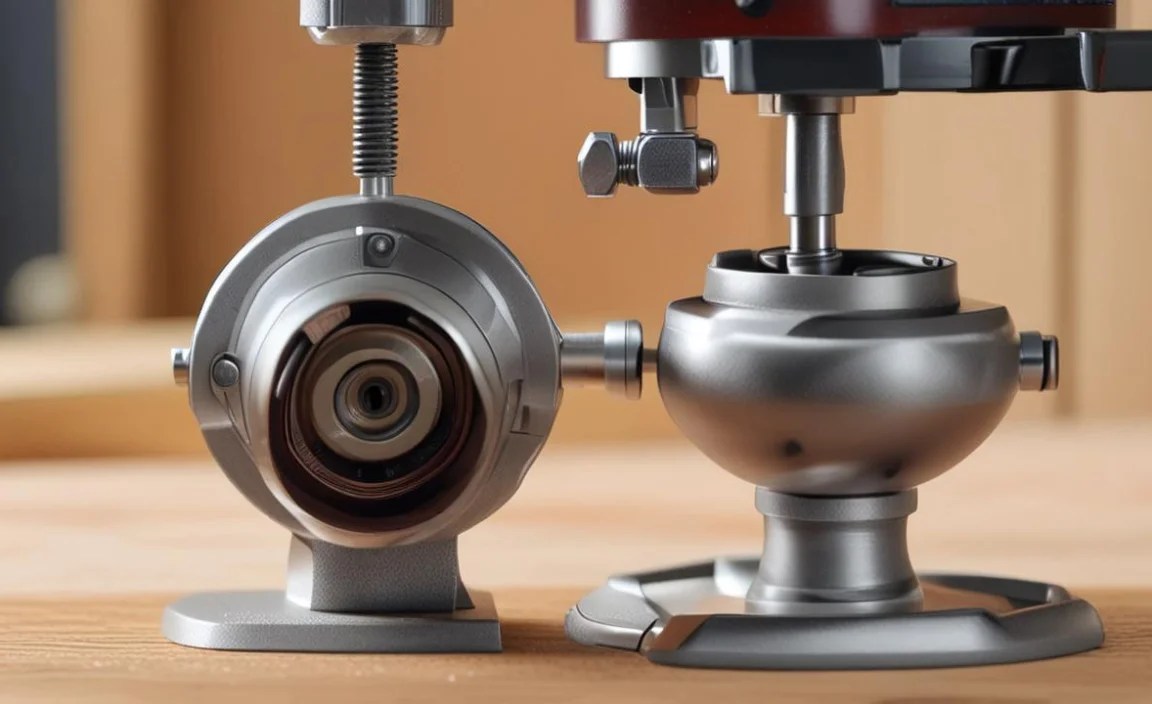
Let’s break down the advantages and disadvantages of each tool to help you decide which one fits your current needs.
Wood Lathe Faceplate:
- Pros:
- Very secure for large and flat workpieces.
- Simple to understand and use for beginners.
- Lower cost than a scroll chuck.
- Excellent for face-grain turning and platters.
- Allows for unlimited workpiece size as long as it can be secured.
- Cons:
- Limited to workpieces that can be screwed or bolted to the plate.
- Requires careful centering of the workpiece.
- Can be less convenient for spindle turning or repetitive small projects.
- Holes for screws can be an obstacle if turning very close to the faceplate.
Wood Lathe Scroll Chuck:
- Pros:
- Highly versatile for different sizes and shapes with interchangeable jaws.
- Excellent for spindle turning.
- Self-centering ensures accurate alignment.
- Ideal for re-chucking bowls to finish the base.
- Can hold workpieces with recessed or protruding ends.
- Cons:
- Higher initial investment.
- Can be more complex for absolute beginners to master.
- Requires careful adjustment of jaw pressure to avoid damaging wood.
- Jaws and chuck body take up space and can limit turning near the chuck.
When Exactly Should You Choose One Over the Other?

This is where practical application comes in! Think about your project. If you’re turning a large, roughly round slab of wood for a platter, and you want to carve into the face of it extensively, the faceplate is your best friend. You’ll screw that slab directly to the faceplate, ensuring it won’t budge as you remove material from the face.
On the flip side, imagine you’re turning a table leg. It’s round, it needs to be perfectly centered, and you’ll be turning sections of different diameters. A scroll chuck with suitable jaws (like standard or dovetail jaws) is ideal here. You can mount the wood firmly, turn your leg, and if needed, easily adjust its position or remount it to work on another end.
For bowl turners, the decision is often about the stage of the project. Many start a bowl blank mounted on a faceplate, turning the outside from the face-grain. Once the outside is shaped, they might reverse the bowl and mount it into a scroll chuck using jam chuck jaws or a recess to turn and finish the inside and the base.
Safety First! Always Follow Best Practices
No matter which mounting method you choose, safety is paramount. Always ensure your workpiece is securely fastened before you start the lathe and turn it on. A slowly rotating workpiece can become a dangerous projectile if it breaks loose. For faceplates, ensure screws are fully seated and aren’t stripping. For chucks, make sure the jaws are gripping firmly and that you’ve removed the chuck key before starting the lathe.
It’s also crucial to understand your lathe’s limitations. Don’t try to turn massive, unbalanced pieces on a small lathe, or use excessive speed. The Occupational Safety and Health Administration (OSHA) provides guidelines on machine guarding that are essential for any workshop, highlighting the importance of secure workpieces and proper machine operation.
Beyond the Basics: Jigs, Adapters, and More
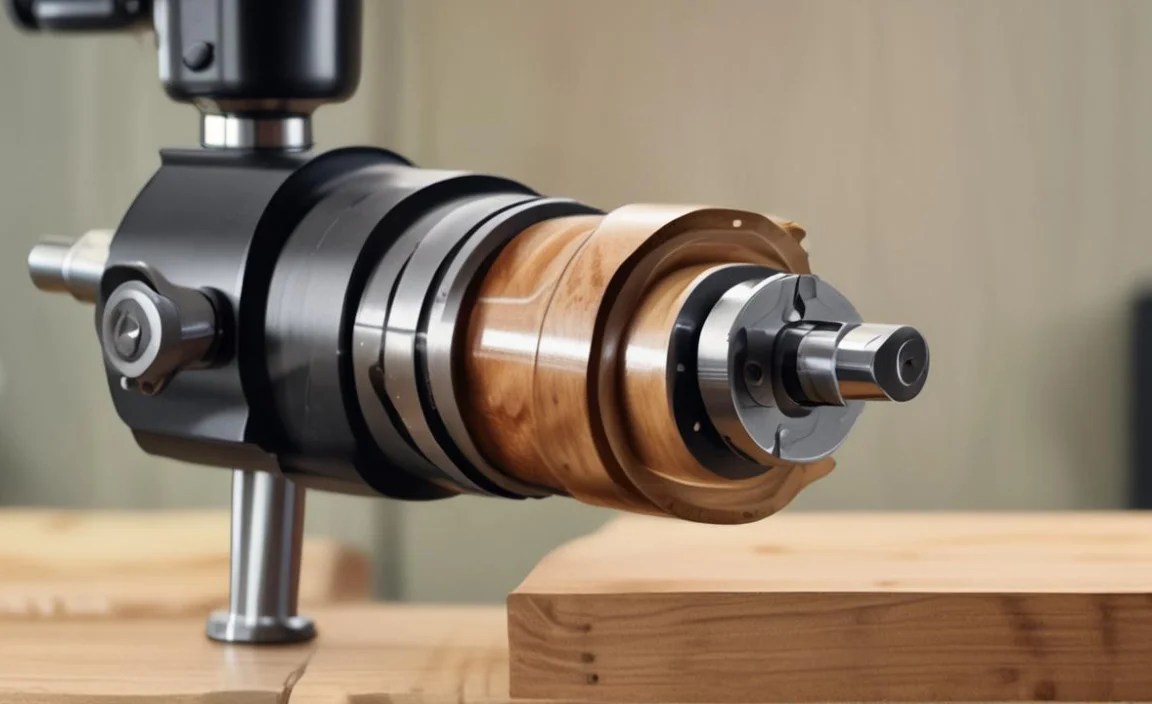
As you become more comfortable, you might explore faceplate rings, which offer additional mounting options for curved or irregularly shaped items. For scroll chucks, the world of interchangeable jaws is vast, with specialist jaws for almost any task imaginable—from holding delicate segmented work to gripping very large blanks externally.
You can even use an adapter plate that screws onto your lathe’s spindle, and then the faceplate or chuck screws onto the adapter if you need a different thread size or want to add a layer of versatility. This is a common practice in many professional shops.
| Application Scenario | Recommended Tool | Reasoning |
|---|---|---|
| Turning a large, thin platter from a solid board. | Faceplate | Provides a large, stable mounting surface; distributes screw pressure; ideal for face-grain turning. |
| Creating table legs or chair spindles. | Scroll Chuck | Precise centering; versatile grip for round stock; allows easy adjustment for turning different sections. |
| Finishing the bottom of a bowl after the outside is complete. | Scroll Chuck (with jam jaws or recess) | Securely holds the bowl by its rim or a pre-cut tenon for access to the base. |
| Mounting an oddly shaped piece for carving or a unique project. | Faceplate (potentially with a custom jig) | Allows for custom mounting solutions where a chuck’s jaws might not be suitable. |
| Turning small dowels or pen blanks. | Scroll Chuck (with appropriate small workpiece jaws) or specialized faceplate. | Precise gripping and centering are key for small, delicate work. |
Frequently Asked Questions (FAQs)
Q1: Can I use a faceplate and a scroll chuck on the same lathe?

A: Absolutely! Most lathes are set up to accept both. They attach directly to the lathe’s spindle, so you simply unscrew one and screw on the other as needed for different projects.
Q2: Which is better for turning bowls? Faceplate or scroll chuck?

A: Both have their roles. Many woodturners use a faceplate for roughing out large bowl blanks from the face grain. Later, they often reverse the bowl and use a scroll chuck with specialized jaws to grip a recess in the rim to turn and finish the bottom.
Q3: Is a scroll chuck always perfectly centered?
A: A well-maintained scroll chuck with properly fitted jaws is designed to be self-centering, meaning all jaws move together to keep the workpiece precisely centered. However, the initial placement of the workpiece against the jaws is still important.
Q4: Do I need different screws for different wood types when using a faceplate?
A: While you can adjust screw length and type, using good quality, coarse-thread wood screws is generally effective. For harder woods, pilot holes are crucial. Ensure screws are long enough to get a firm grip without going too deep.
Q5: What if my workpiece is too large or too irregular for my scroll chuck jaws?

A: This is the perfect scenario for a faceplate. You can screw even very large or irregularly shaped pieces directly to the faceplate, providing a secure and stable mounting solution.
Q6: How do I know which size faceplate or chuck I need?

A: Faceplates and chucks are typically sized based on the thread diameter and pitch of your lathe’s spindle. Manufacturers provide specifications, and you’ll need to match the accessory to your specific lathe model.
Q7: Can I use a faceplate for spindle turning?

A: While technically possible, it’s not ideal. Spindle turning requires a workpiece to be precisely centered by a chuck. Using a faceplate for spindle work would be cumbersome, less secure, and very difficult to achieve good results.
