Wood lathe headstock spindle repair is absolutely achievable for beginners. With the right approach, you can fix common issues like runout or damage, ensuring smooth, accurate turning. This guide provides proven, step-by-step solutions to get your wood lathe back in top shape safely and effectively.
Welcome to Lathe Hub! If you’ve ever felt a wobble or heard an odd noise from your wood lathe’s headstock spindle, you’re not alone. It’s a common hiccup for woodturners, whether you’re just starting out or have been turning for a while. A wonky spindle can throw off your projects, cause frustration, and even be a safety concern. But don’t worry! Fixing a wood lathe headstock spindle is more manageable than you might think. In this guide, we’ll walk through the most common spindle problems and provide clear, proven ways to repair them. Get ready to bring your lathe back to its best performance!
Understanding Your Wood Lathe Headstock Spindle

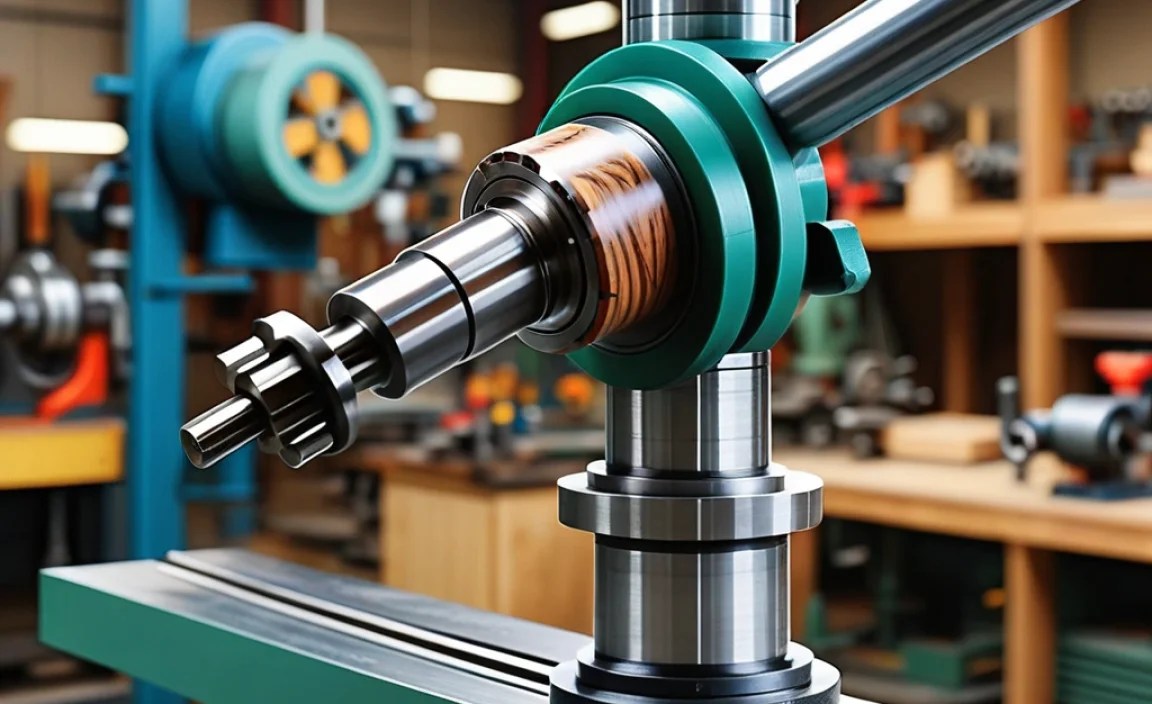
Before we dive into repairs, let’s get acquainted with the star of the show: the headstock spindle. This is the rotating shaft that holds your workpiece, driven by the lathe’s motor. It’s a critical component, and any issues here can seriously impact your turning. The spindle threads are where you’ll attach chucks, faceplates, and other accessories. Keeping these threads clean and the spindle true is paramount for safety and precision.
The headstock also houses the bearings that the spindle rotates on. These bearings are crucial for smooth operation. If they’re worn or damaged, it will directly affect the spindle’s performance and can lead to a host of problems, including runout. Understanding these basic parts will help us diagnose and fix issues more effectively.
Common Wood Lathe Headstock Spindle Problems

Several issues can arise with a wood lathe headstock spindle. Recognizing them is the first step to solving them. Here are the most frequent culprits:
- Spindle Runout (Wobble): This is when the spindle doesn’t rotate perfectly straight. You might see your chuck or a mounted workpiece visibly wobble. Runout can be caused by bent spindles, damaged bearings, or an improperly seated component.
- Damaged Spindle Threads: Over time, threads can get dinged, bent, or stripped, especially if chucks are tightened or loosened carelessly. Damaged threads make it difficult, or impossible, to securely attach accessories.
- Bearing Issues: Worn-out or damaged bearings can cause noise, vibration, and increased spindle runout. They might feel rough or gritty when the spindle is turned by hand.
- Bent Spindle: Sometimes, a strong impact (like a dropped tool or a workpiece coming loose) can actually bend the spindle itself. This is a more serious issue that requires careful assessment.
- Loose Spindle: In some cases, the spindle might develop play within its bearings, causing it to move slightly up and down or side-to-side.
Diagnosing Spindle Issues: Where to Start

Before reaching for tools and materials, a thorough diagnosis is essential. This prevents unnecessary work and ensures you’re addressing the real problem. Here’s how to check your spindle:
- Visual Inspection: Start by looking closely at the spindle nose threads. Are they clean? Do you see any obvious damage, like bent or broken sections?
- The Dial Indicator Test: This is the most accurate way to measure runout.
- Mount a dial indicator onto your tool rest (or a dedicated indicator holder) so its tip rests on the spindle nose, ideally very close to the threads.
- Ensure the spindle is clean and free of any chucks or faceplates.
- Slowly rotate the spindle by hand. Watch the dial indicator. A small amount of movement is normal (check your lathe’s manual for acceptable runout tolerances, often less than 0.001 inches or 0.025 mm). If the needle jumps significantly, you have runout.
- You can also place the dial indicator against the side of the spindle to check for side runout.
- Listen for Noises: With the lathe powered off, try rotating the spindle by hand. Listen for any grinding, clicking, or rough sounds. These often point to bearing problems.
- Check for Play: Grip the spindle nose firmly with your fingers and try to wiggle it. Is there any noticeable play in or out, or side-to-side? This can indicate worn bearings or a loose spindle mount.
Proven Fixes for Wood Lathe Headstock Spindle Problems
Let’s get to the solutions! The approach to a repair depends entirely on the problem diagnosed.
Fixing Damaged Spindle Threads
Damaged threads are a common headache. Fortunately, they can often be rescued.
Tools and Materials Needed:
- Thread file (specific to your spindle thread size and pitch)
- Small brass wire brush or old toothbrush
- Penetrating oil (like WD-40 or a specialized rust penetrant)
- Blue thread-locking compound (optional, for reassembly if needed)
- Soft cloth or rags
- Safety glasses
Step-by-Step Thread Repair:
- Clean the Threads: First, thoroughly clean the damaged threads. Use a brass wire brush and some penetrating oil to remove any dirt, rust, or debris. Spend time getting into all the nooks and crannies. Wipe clean with a rag.
- Assess Thread Damage: Carefully inspect the threads. Are they completely stripped, or just crimped or bent? A thread file is most effective for repairing bent or slightly damaged threads. If they are severely stripped, thread repair might not be feasible, and a replacement spindle might be necessary.
- Use the Thread File: A thread file has teeth shaped to match the profile of your spindle’s threads.
- Identify the correct thread file for your lathe’s spindle. Common sizes include 1″ x 8 TPI (Threads Per Inch) or 3/4″ x 10 TPI. Refer to your lathe’s manual if unsure. A quick search on sites like MSC Industrial Supply can help you find the right file.
- Carefully align the thread file with a damaged thread groove.
- Gently file along the damaged thread in the direction of the thread’s natural path. You are not trying to cut new threads, but rather to reshape and smooth the existing ones.
- Work slowly and check your progress frequently. File one or two teeth at a time, clean, and try testing compatibility with a chuck or nut.
- Be patient. It might take several passes to get the threads usable again.
- Test Fit Accessories: Once you’ve filed, clean the threads again. Carefully try to thread a chuck or a matching nut onto the spindle. It should thread on smoothly, without forcing. If it catches, identify the problem area and file a bit more, being careful not to overdo it.
- Lubricate: A light application of grease made for threads can help protect them and make future installations easier. For very persistent issues or if threads are slightly galled, a tiny amount of blue thread-locking compound on the threads of the accessory (not the spindle) can help it seat securely, but use this sparingly and understand it might make future removal more difficult.
Addressing Spindle Runout (Bent Spindle or Bearings)
Runout is frustrating. The fix depends on whether the spindle itself is bent or if the bearings are the issue.
Assessing Bend vs. Bearing Issues:
If a dial indicator shows significant runout, you can often differentiate between a bent spindle and bearing issues:
- Bearings vs. Bend: If the runout is consistent and smooth across the entire rotation (even if it’s a large amount), the spindle itself might be bent. If you feel roughness, hear noises, or the runout varies drastically during rotation, bearings are likely the culprit.
Repairing Bearing-Related Runout:
If your lathe’s bearings are causing runout, they usually need to be replaced. This is a more advanced repair that can vary significantly by lathe model. Consult your lathe’s manual. Generally, it involves:
- Disassembly: You’ll typically need to remove the drive mechanism (pulley or motor mount) and then press or pull the bearings off the spindle.
- Replacement: Press new bearings onto the spindle. Ensure they are the correct size and type. You can find bearing specifications from your lathe manufacturer or by measuring existing bearings. Reputable suppliers like BOC Industries offer a wide range of ball bearings.
- Reassembly: Reassemble the headstock components.
Important Note: Replacing bearings requires specialized tools like a bearing puller and press, or access to a press. If you’re not comfortable with this level of disassembly, it might be best to seek professional help or consider if your lathe is worth the investment in new bearings and tools.
Straightening a Bent Spindle (Use with Extreme Caution):
Straightening a bent spindle is risky and often a temporary fix. It’s generally recommended to replace a bent spindle if possible. However, for minor bends, some machinists attempt straightening.
This is an advanced technique and should only be attempted if you understand the risks of further damaging the spindle or headstock.
Tools and Materials Needed:
- Dial indicator (as used for diagnosis)
- A vise (preferably a sturdy bench vise)
- A block of hardwood or a specialized metal bending tool
- Magnets (optional, to hold indicator)
- Safety glasses and gloves
Steps for Attempting to Straighten:
- Mount the Spindle: Remove the spindle from the headstock. Securely mount the spindle in a vise, but only grip areas that will not be damaged and are structurally sound (avoid gripping the threads directly if possible).
- Measure the Bend: Mount the dial indicator to a stable stand or clamp it to the vise so it can measure the runout on the spindle. Rotate the spindle by hand to find the high point of the bend.
- Apply Gentle Pressure: Place a hardwood block or bending tool against the spindle at the point of maximum runout, opposite the high point.
- Slowly Bend: Apply very gentle, steady pressure to the spindle in the direction that counteracts the bend. Work in small increments.
- Check and Repeat: After each small bend, remove the indicator and rotate the spindle. Re-measure the runout. Repeat the process, gradually reducing the runout.
- Patience is Key: This is a tedious process. Applying too much force can break the spindle or introduce new bends.
- Final Check: Once you’ve achieved acceptable runout (ideally under 0.001 inches), clean the spindle thoroughly.
Disclaimer: Straightening a bent spindle is a delicate operation. It’s challenging to achieve perfect straightness, and the metal may be fatigued, making it prone to re-bending. If your spindle is severely bent, replacement is the safest and most reliable option.
Repairing a Loose Spindle
A loose spindle usually means there’s play in the bearings or the spindle mounting itself.
Diagnosing the Source of Looseness:
Grip the spindle and try to move it. Is the entire spindle shifting, or is it just the bearing?
- Bearing Play: If you feel movement and hear grinding/roughness, the bearings are worn and need replacement (refer to the section on Bearing Issues).
- Spindle Mount Looseness: In some older or simpler lathes, the spindle might be held in place by larger components that can loosen over time. This is less common on modern lathes but possible.
Tightening or Replacing Bearings:
If the spindle is loose but the bearings feel good (no grinding), it might be that the locknuts or circlips that hold the bearings in place have loosened. This usually requires dismantling the headstock to access these components. Consult your lathe’s manual. If the bearings are indeed worn, replacement is the only real fix.
Safety First: Always ensure the lathe is unplugged and the motor is disengaged before performing any work on the headstock spindle or its components.
Preventative Maintenance for Your Spindle
The best repair is prevention! Regular maintenance can save you a lot of hassle.
- Keep Threads Clean: After each use, clean the spindle threads with a brush and a bit of solvent or compressed air.
- Avoid Overtightening: Don’t overtighten chucks or faceplates. Snug is usually sufficient. Overtightening can damage threads and bearings.
- Proper Storage: If your lathe is exposed to dust or moisture, consider a cover.
- Lubrication: Most modern lathe bearings are sealed and don’t require lubrication. However, check your manual. If accessible, occasional bearing lubrication can extend their life. Spindle threads can benefit from a light grease.
- Handle with Care: Never drop tools or heavy chucks near the headstock.
- Regular Checks: Perform the dial indicator test for runout and the listen/feel test for bearing issues periodically, especially if you notice any changes in performance.
When to Call a Professional or Consider Replacement
While many spindle issues are fixable at home, some situations warrant professional help or a new spindle:
- Severe Bending: If a bend is significant, straightening is unlikely to be permanent or precise enough for good turning.
- Severely Damaged Threads: If threads are torn out or extensively damaged, a direct repair might not hold.
- Complex Bearing Systems: Some industrial or high-end lathes have very complex bearing arrangements that are difficult to service without specialized knowledge and tools.
- Cost-Benefit Analysis: For older, less expensive lathes, the cost of professional repair or even new parts might exceed the lathe’s value. In such cases, replacing the lathe might be more economical.
If you’re unsure about a repair, it’s always better to stop and seek advice. Resources like the Wood Magazine forums or advice from experienced machinists can be invaluable.
Frequently Asked Questions (FAQ)
Q1: What’s the most common reason for a wobbly wood lathe spindle?
A1: The most common causes are worn-out bearings or a bent spindle itself. Sometimes, debris or an improperly seated chuck can also cause wobble.
Q2: How do I know if my spindle threads are damaged?
A2: You’ll find it difficult to thread a chuck or faceplate onto the spindle. It might catch, feel rough, or you might see visible damage like nicks or bent sections on the threads.
Q3: Can I fix a bent spindle myself?
A3: Minor bends can sometimes be straightened with careful manual pressure and specialized tools. However, it’s a delicate process, and severe bends usually require spindle replacement.
Q4: My lathe makes a grinding noise from the headstock. What does this mean?
A4: A grinding noise typically indicates that the spindle bearings are worn out or damaged and likely need replacement.
Q5: How much runout is too much for a wood lathe spindle?
A5: Most wood lathes are happy with less than 0.001 inches (0.025 mm) of runout. Check your specific lathe’s manual for its recommended tolerance.
Q6: Is it safe to use a lathe with a slightly wobbly spindle?
A6: It’s not ideal and can be unsafe. Excessive wobble can lead to an unbalanced workpiece, vibration, and potential accidents. It’s best to fix runout before proceeding with turning.
Q7: Where can I find replacement parts for my lathe spindle or bearings?
A7: Start with your lathe manufacturer’s website or contact their support. If the manufacturer doesn’t offer parts, look for specialized industrial supply companies like McMaster-Carr or bearings suppliers like SKF, specifying the exact part numbers or dimensions you need.
Conclusion
Dealing with a wood lathe headstock spindle issue might seem daunting at first, but as you’ve seen, many common problems have straightforward solutions. From cleaning and repairing damaged threads with a simple thread file to diagnosing and addressing runout, you have the knowledge to tackle these challenges. Remember, preventative maintenance is your best friend in keeping your lathe running smoothly and accurately for years to come. Always prioritize safety, take your time, and don’t hesitate to consult your lathe’s manual or seek advice if you’re ever unsure. With a little patience.
