Quick Summary: Mastering wood lathe polishing kits is easy with the right guidance. This guide simplifies choosing and using beginner-friendly polishing kits for a beautiful, professional finish on your turned projects, ensuring confidence and safety every step of the way.
Welcome to Lathe Hub! If you’ve just started turning wood or are looking to add that final, flawless touch to your creations, you’ve come to the right place. Getting a beautifully polished finish off a wood lathe might seem a bit daunting at first, with all the different products and techniques out there. It’s easy to feel overwhelmed, wondering which polish to use, what tools you really need, and how to avoid making a mess. But don’t worry! My goal here at Lathe Hub is to make complex tools and processes simple for everyone. We’ll walk through everything you need to know about wood lathe polishing kits, making sure you can achieve those stunning, smooth finishes with confidence and ease. Get ready to take your turned projects from raw wood to showpieces!
Why Polishing Kits are a Game-Changer for Woodturners

Once you’ve shaped your wood on the lathe, the raw turned surface, even if smooth, often looks a little dull. This is where polishing kits come in. They are specifically designed to enhance the natural beauty of the wood, bring out its grain, and create a smooth, lustrous finish that you can feel with your fingertips. For beginners, pre-packaged polishing kits are an absolute lifesaver. Instead of trying to figure out individual compounds, applicators, and sealants, a kit gives you a curated set of essentials, taking the guesswork out of the finishing process. This means less time experimenting and more time enjoying the satisfaction of a perfectly finished piece.
Think of it like this: a wood lathe is your tool for shaping, and a polishing kit is your tool for perfecting. It’s the final act that elevates your work from functional to fabulous. A good finish not only looks great but also protects the wood. It can make your piece more durable, easier to clean, and resistant to moisture and dirt. For anyone starting out, a good polishing kit is an investment in making your projects look truly professional, boosting your confidence and encouraging you to tackle more ambitious turning projects.
What Makes a Quality Wood Lathe Polishing Kit?
A great wood lathe polishing kit for beginners will contain a select few items that work together effectively. The best kits focus on simplicity and proven results, rather than overwhelming you with too many options. You’ll typically find a few different abrasive grits, compounds that refine the surface, and a final sealant or wax to protect the finish. The key is that these components are designed to be used in a specific order, building upon each previous step to achieve a smooth, deep shine.
Look for kits that include:
- Abrasive Papers/Pads: These are usually in a range of grits, from coarser ones to very fine ones (like 220 up to 400 or 600 grit), to progressively sand away tool marks and imperfections.
- Finishing Compounds: These are often a type of abrasive paste or liquid that further refines the surface at a microscopic level. They’re crucial for that glassy smooth feel before applying a topcoat. Common examples might include fine-grit abrasives mixed with a binder.
- A Top Coat or Sealant: This is often a wax, oil, or a specific finishing product that adds depth to the color, provides protection, and gives that final shine.
- Applicator Materials: This could be cloths, sponges, or pads for applying the compounds and buffing the surface.
The best kits are often proprietary blends from reputable woodworking brands, which have put a lot of research into what works best together. Brands known for their finishing products in the woodworking community are a good place to start. They understand the needs of woodturners and have products designed to work well on wood.
Choosing Your First Wood Lathe Polishing Kit

When you’re just starting out, the sheer number of finishing options can feel overwhelming. That’s why opting for a beginner-friendly wood lathe polishing kit is such a smart move. These kits are designed to simplify the process, bundling together everything you need for a beautiful finish without requiring you to be an expert in wood chemistry or application techniques. Here’s what to look for when making your selection:
Key Features of Beginner-Friendly Kits
The best kits for beginners are those that are:
- All-in-One: They should provide all the necessary steps from initial surface refinement to the final protective coat.
- Easy to Use: The instructions should be clear, and the application process straightforward. No complex mixing or specialized tools should be required beyond what you already have for turning.
- Effective: They need to deliver noticeable, professional-looking results that will build your confidence.
- Reputable Brand: Stick with well-known woodworking brands that have a good reputation for finishing products. These brands have often tested their kits extensively.
Popular Kit Types and What to Expect
Most beginner wood lathe polishing kits follow a multi-step system. While the exact products might differ, the principle remains the same: progressively refine the surface and then protect it.
Here are some common types you’ll encounter:
- Abrasive System Kits: These often consist of a series of progressively finer sandpaper grits (e.g., 150, 220, 320, 400, 600 grit) sometimes with a sanding lubricant or a special sanding pad. You’ll work your way through each grit to remove tool marks and achieve a smooth surface before any liquid or paste applications.
- Compound and Wax Kits: These are very popular. They typically include a fine abrasive compound (often a paste or liquid that chemically smooths the wood) and a protective wax for a final sheen. The compound works to create a smooth surface, and the wax seals and enhances the shine.
- “System” Finishes: Some brands offer a complete system that might involve a sanding paste, a polishing compound, and a top-coat finish. These are designed to work together seamlessly. For example, you might use a sanding paste to remove minor imperfections, followed by a polishing compound for a smoother feel, and then a carnauba wax for durability and high gloss.
When selecting, read the product description carefully. It should explicitly state it’s designed for beginners or is part of a simple finishing system for woodturning. Websites that specialize in woodworking tools and finishes often have detailed explanations and reviews that can help guide your decision.
Essential Tools and Accessories for Wood Lathe Polishing

While a polishing kit provides the chemical agents, having the right accessories makes the application process smoother and more effective. These tools help you apply the compounds evenly, buff to a high shine, and keep your hands clean. For beginners, it’s about having a few simple items that make a big difference.
What You’ll Need Along with Your Kit
Here’s a rundown of the essential accessories to have on hand:
- Microfiber Cloths: These are your best friend for polishing. They are soft, absorbent, and won’t scratch the finish. You’ll use them for applying compounds, buffing, and removing excess product. Having several on hand is recommended, as you’ll want one for each stage of the process.
- Latex or Nitrile Gloves: Protecting your skin from the finishing compounds is crucial. These also prevent oils from your hands from contaminating the finish, especially during the final buffing stages.
- Paper Towels: Useful for initial wipe-downs, cleaning up spills, or for less critical stages of application.
- Dust Mask: When sanding or buffing, fine wood dust and compound particles can become airborne. A simple dust mask will help protect your respiratory system.
- Apron or Old Clothes: Finishing can be messy, even when you’re careful. Protect your clothing!
- Optional: A dedicated buffing wheel or pad: Some turners find that a soft buffing wheel attachment for their lathe or a separate buffing machine makes achieving a high gloss much easier and faster. For beginners, this is an advanced accessory, so don’t feel you need it immediately. Hand buffing with microfiber cloths is perfectly effective.
The good news is that most of these items are common household or workshop items. You likely already have many of them. The focus for your initial purchase should be on a good quality microfiber cloth and gloves.
Step-by-Step Guide to Using Your Wood Lathe Polishing Kit
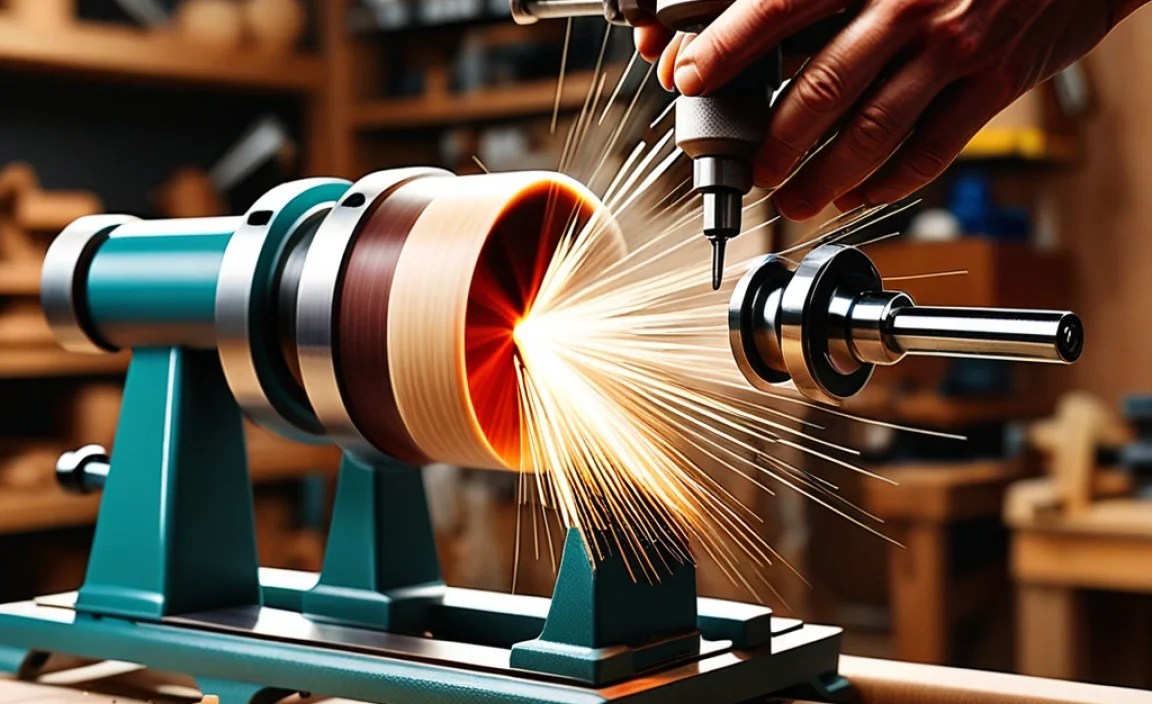
Using a wood lathe polishing kit is a process of refinement. Each step builds on the last, progressively removing imperfections and enhancing the wood’s natural luster. The key is patience and following the steps in order. Here’s a typical workflow:
Preparation is Key
Before you even open your polishing kit, ensure your workpiece is ready:
- Ensure the Wood is Dry: Wood finishes don’t adhere well to damp surfaces. Make sure your turned piece is completely dry.
- Remove Tool Marks: Ideally, your final cuts with your lathe tools should leave a relatively smooth surface. If there are significant tool marks, you might need to do some light sanding with grits as low as 150 or 220 before starting the polishing kit steps. Work through grits progressively (e.g., 150, 220, 320, 400) until the surface is visibly smooth to the touch. A smooth surface is the foundation of a great polish.
- Clean the Surface: Wipe down the piece with a tack cloth or a slightly damp (not wet) cloth to remove all dust. This is critical, as any grit left on the surface can cause scratches when you apply your polishing compounds.
The Polishing Process
Follow the specific instructions that come with your chosen kit, but here’s a general step-by-step approach that applies to most beginner kits:
Step 1: Abrasive Sanding (if included or if tool marks remain)
If your kit includes very fine abrasive papers (like 400, 600 grit) or a sanding paste, this is where you use it. With the lathe spinning at a slow to medium speed (consult your kit’s instructions), apply the abrasive paper or paste to the wood. Keep the paper moving constantly to avoid creating flat spots. Work your way through the grits, if multiple are provided, ensuring each grit removes the scratches from the one before it. For truly beginner-friendly kits, this step might be minimal or replaced by the first compound application.
Step 2: Applying the Finishing Compound
This is where the magic starts to happen. Many kits have a fine abrasive compound that essentially ‘polishes’ the wood’s surface on a microscopic level.
- Put on your gloves.
- With the lathe spinning at a slow to medium speed, apply a small amount of the finishing compound to a clean microfiber cloth or applicator pad.
- Gently press the cloth/pad onto the spinning wood. Keep the cloth moving across the entire surface of your piece. The friction and the compound work together to refine the surface further.
- Do not apply excessive pressure. Let the compound do the work.
- Continue until the entire piece has been covered and feels smoother.
- Wipe off any excess compound with a clean microfiber cloth. The surface should feel noticeably smoother and look more refined.
Step 3: Buffing and Initial Shine
After applying the compound, you’ll want to buff the surface. This helps to remove any residue and start bringing out a shine.
- Use a clean, dry microfiber cloth.
- With the lathe spinning at a slightly higher speed (but still safe!), gently buff the entire surface of the piece.
- Continue buffing until you see a noticeable sheen developing and the surface feels slick.
Step 4: Applying the Protective Top Coat (Wax/Sealant)
This is the final step that protects your work and adds that deep, lasting shine.
- Ensure the surface is clean from the previous step.
- Apply a thin layer of the wax or sealant to your applicator cloth.
- With the lathe spinning at a slow – medium speed, apply the wax evenly over the entire piece.
- Allow the wax to haze over slightly – this means it’s starting to dry and set. The time can vary, so check the product instructions.
- Using a clean, soft microfiber cloth, buff the piece vigorously. The haze will disappear, leaving a beautiful, protected shine. You can do this while the lathe is still spinning slowly, or turn the lathe off and buff by hand.
Step 5: Final Inspection
Turn off the lathe and visually inspect your work. Feel the surface. It should be exceptionally smooth and have a pleasing gloss. If there are any dull spots or streaks, a bit more buffing might be needed. Sometimes, a second light coat of wax can enhance the shine further.
Remember, practice makes perfect. Your first few attempts might not be flawless, but with each piece you finish using your kit, you’ll get better and faster.
Troubleshooting Common Polishing Issues
Even with a great kit, you might run into a few hitches. Don’t get discouraged! Most common issues are easily fixed with a little know-how. Here are some problems beginners often encounter and how to solve them:
Surface Imperfections
- Problem: Streaky or Uneven Shine.
- Cause: Uneven application of compound or wax, or residue left behind.
- Solution: Buff more vigorously with a clean cloth. If streaks persist, you might need to wipe down the piece with a solvent-based cleaner (like denatured alcohol) to remove all residue and reapply the wax. Ensure your applicator cloth is clean and you’re using a consistent motion.
- Problem: Hazy or Dull Finish.
- Cause: Insufficient buffing, wax not dried enough, or too thick a coat of wax.
- Solution: Buff longer and harder with a clean, dry cloth, especially after the wax has hazed. If the wax was applied too thickly, try wiping off the excess with a cloth slightly dampened with mineral spirits, then reapply a very thin coat and buff again. Ensure the lathe speed is appropriate for buffing – too slow and you won’t generate enough friction for a good shine.
- Problem: Sticky or Tacky Surface.
- Cause: The finish hasn’t cured completely, or an incompatible finish was applied over a previous layer.
- Solution: Allow more time for curing. Avoid touching the piece until it’s fully dry. If you suspect incompatible finishes, it’s best to try and remove the offending layer (often with denatured alcohol for most wax/oil finishes) and start the polishing process again.
Tool Marks and Deeper Scratches
Problem: Visible tool marks or scratches after polishing.
- Cause: The polishing kit is designed for refining an already smooth surface, not for removing deep imperfections.
- Solution: You need to address these before you start the polishing kit stage. Go back to sanding. Start with a grit that can effectively remove the scratch (e.g., 150 or 220 grit) and work your way up through the grits (e.g., 320, 400, 600) until the surface is smooth again. Only then should you proceed with your polishing kit steps. Always ensure your sandpaper is fresh and not clogged.
Application Issues
Problem: Compound building up on tools or machinery.
- Cause: Applying too much compound, or not wiping away excess thoroughly.
- Solution: Use less compound than you think you need. Apply it to the cloth, not directly to the spinning wood unless instructed. Always wipe away excess compound immediately after application with a clean cloth before moving to the next step or applying wax.
A key rule of thumb: always start with the smoothest possible surface before you begin polishing. Think of polishing as the final refinement, not the primary smoothing process. For more information on sanding best practices, many woodworking resources like those from the Wood Magazine offer excellent guides.
If you encounter something truly puzzling, don’t hesitate to consult the manufacturer’s website for their specific troubleshooting advice.
Beyond the Basics: Enhancing Your Wood Lathe Finish
Once you’re comfortable with your beginner polishing kit and achieving consistent results, you might start wondering about taking your finishes to the next level. There are a few advanced techniques and products that can elevate your woodturned pieces even further. These aren’t essential for beginners, but they’re great to keep in mind as you grow your skills.
Deeper Shine and Durability
Mandrel-Mounted Buffing Wheels: These are specialized wheels designed to attach to your lathe.
