A wood lathe safety checklist is crucial for preventing injuries. Always inspect your lathe, workpiece, and surrounding area before turning. Follow this guide for essential, easy-to-implement safety tips to ensure a secure and enjoyable woodworking experience.
Welcome to Lathe Hub! If you’re new to the wonderful world of woodworking, you might be looking at a wood lathe and thinking, “Wow, that looks amazing, but also a little intimidating!” It’s completely normal to feel that way. These powerful machines can create beautiful things, but safety has to be the absolute top priority.
Getting started with woodworking can sometimes feel frustrating when you’re unsure of the best practices. That’s why I’m here to break down wood lathe safety into simple, easy-to-follow steps. This guide will walk you through everything you need to know to feel confident and secure at your lathe. We’ll cover essential checks, proper attire, and how to handle your workpiece, so you can focus on the creative fun.
Why a Wood Lathe Safety Checklist is Non-Negotiable

Working with a wood lathe involves spinning pieces of wood at high speeds. This inherently comes with risks if proper precautions aren’t taken. Kickbacks, flying debris, and entanglement are a few potential hazards that can lead to serious injury. A comprehensive safety checklist acts as your first line of defense, ensuring you identify and mitigate these risks before you even turn on the machine. It’s not about being fearful; it’s about being prepared and respectful of the tool’s power. Think of it like pre-flight checks for an airplane pilot – essential for a safe journey.
Pre-Operation: Getting Your Workspace and Lathe Ready
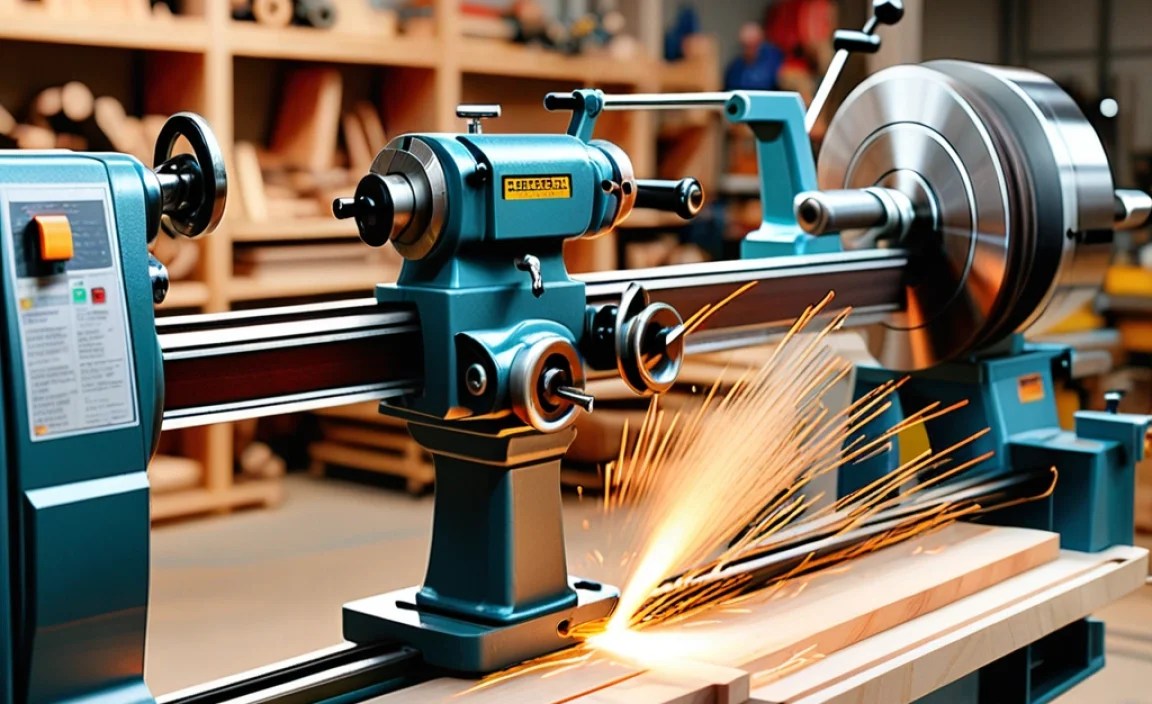
Before you even think about selecting a piece of wood, your workspace and the lathe itself need a thorough check. This stage is all about setting the foundation for safe operation.
1. The Lathe Itself: A Daily Inspection
Power Cord and Connections: Wiggle the power cord at both the plug and where it enters the lathe. Ensure there are no nicks, frays, or exposed wires. A damaged cord is a serious electrical hazard.
Belt Guard: Make sure the belt guard is securely in place and operational. This prevents accidental contact with moving belts and pulleys.
Tool Rest: The tool rest is critical for supporting your chisels. Check that it’s firmly locked in position and at the correct height and distance from your workpiece. It should be just slightly below the center of the turning stock, with a gap no larger than a dime between the rest and the wood.
Headstock and Tailstock: Ensure both the headstock (where the motor is) and the tailstock (the movable part that supports the other end of your workpiece) are securely locked down. Loose headstocks or tailstocks can shift during operation. Check that the tailstock locking lever is tight.
Motor and Controls: Listen for any unusual noises when you first briefly power on the lathe (without a workpiece mounted). Test the on/off switch and speed controls to ensure they function smoothly.
2. Workspace Environment: Clearing the Path
Clear Floor Area: Your immediate surroundings should be free of clutter. Tripping hazards like sawdust piles, tools, offcuts, or extension cords can be dangerous when you’re focused on turning. You need to be able to move freely.
Adequate Lighting: Good lighting is essential for spotting potential problems and seeing what you’re doing clearly. Ensure your lathe area is well-lit.
No Loose Items Nearby: Keep rags, solvents, or other flammable materials away from the lathe. Also, ensure no loose clothing, jewelry, or long hair can get caught in the rotating parts.
Workpiece Preparation: Securing Your Material

The way you prepare your wood has a massive impact on safety. A poorly prepared or secured workpiece is a recipe for disaster.
1. Selecting the Right Wood
Inspect for Defects: Always examine your wood for cracks, knots, or splits, especially on the ends. These can cause the wood to break apart or fly off the lathe. If you find significant defects, it’s often best to choose a different piece.
Moisture Content: Very wet or very dry wood can be more prone to “chattering” or breaking. Seasoned, dry hardwood is generally ideal for turning.
2. Mounting the Workpiece Securely
Faceplate Turning: When mounting a blank to a faceplate (for larger items like bowls or platters), ensure you use the correct size and type of screws. The screws should penetrate deep enough for a strong hold without weakening the wood excessively. Always ensure the faceplate is screwed into solid wood and not into a knot or crack. For extra security, some wood turners use wood glue in addition to screws.
Between Centers Turning: When turning between the headstock and tailstock (for spindle turning like legs or handles), make sure the wood is centered properly to avoid imbalance. The drive spur in the headstock should bite securely into the wood, and the tailstock center should be snug against the wood, providing support but not so tight that it causes excessive friction.
Jaw Chucks: If you’re using a scroll chuck with jaws, ensure the jaws are properly seated and tightened around the workpiece. Refer to your chuck’s manual for correct jaw selection and tightening procedures. Always check that the chuck key has been removed from the chuck before starting the lathe.
Personal Protective Equipment (PPE): Your First Line of Defense
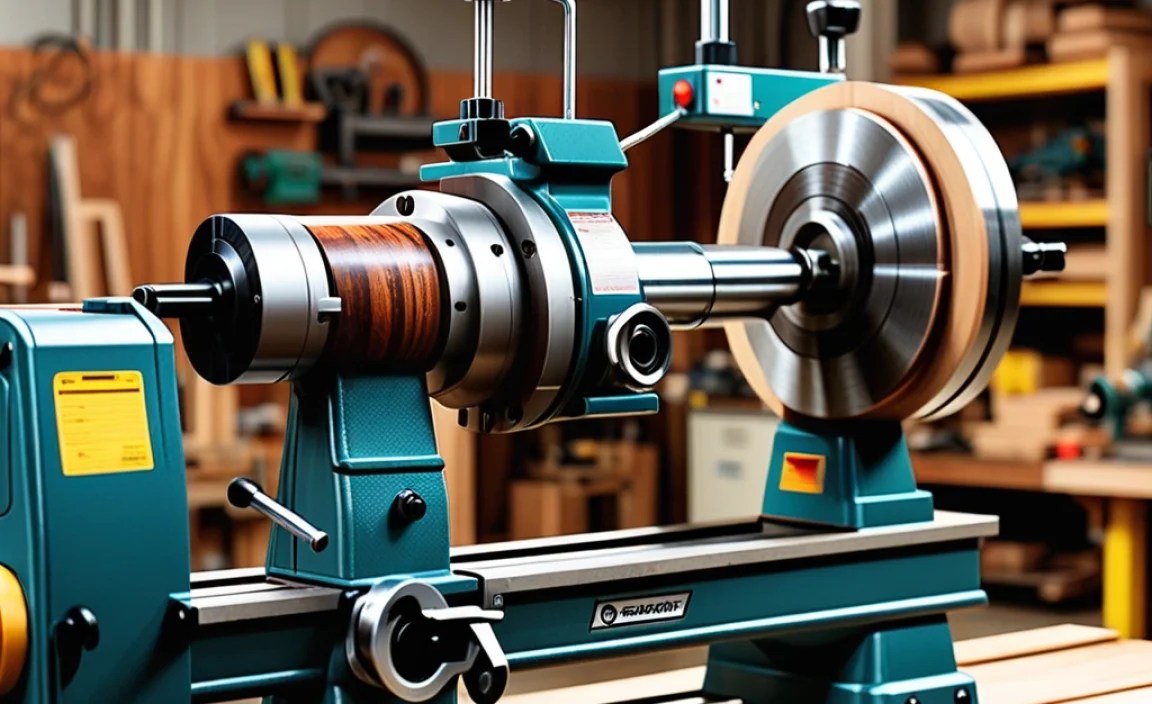
This is non-negotiable. Wearing the correct PPE every single time you use the lathe is paramount.
Eye Protection: This is the most critical piece of PPE. Always wear safety glasses or a full face shield. Wood chips, dust, and even small pieces of wood can fly off at high speeds, and permanent eye damage is a real risk. A full face shield offers the best protection.
Dust Mask or Respirator: Turning wood creates a lot of fine dust. Inhaling this dust can lead to respiratory problems over time. Wear a good quality dust mask or respirator, especially for prolonged turning sessions or when working with certain types of wood that are known irritants.
Hearing Protection: Lathes can be noisy, especially at higher speeds. Earplugs or earmuffs will protect your hearing from potential damage.
No Loose Clothing or Jewelry: Remove rings, watches, bracelets, necklaces, and anything else that could get caught on the spinning lathe. Roll up long sleeves or wear a tight-fitting shirt. Tie back long hair securely to prevent entanglement.
Appropriate Footwear: Wear sturdy, closed-toe shoes to protect your feet from dropped tools or wood.
During Operation: Safe Turning Practices
Once everything is set up, the real turning begins. Here’s how to stay safe while you’re actively working.
1. Speed Control: Less is Often More
Start Slow: Always begin turning at the lowest speed setting. As you remove material and the workpiece becomes more balanced, you can gradually increase the speed.
Listen to Your Lathe: If the lathe starts to vibrate excessively or you hear unusual noises, slow down immediately. This often indicates an unbalanced workpiece or a problem with the setup.
Speed vs. Workpiece Size: Larger diameter workpieces should generally be turned at slower speeds than smaller ones. A good rule of thumb is that the peripheral speed (the speed of the wood surface passing your tool) should remain relatively constant. Many woodworkers use online calculators or charts to determine safe operating speeds for different wood diameters, like those recommended by the Wood Turners Guild of Ontario.
2. Tool Rest Placement and Use
Constant Contact: Always keep your turning tools in firm contact with the tool rest. Never ride the tool solely on the wood.
Adjustable Distance: As you turn, you’ll need to reposition the tool rest closer to the wood as material is removed. Do this only when the lathe is completely stopped. A gap of about 1/8 inch (3mm) between the tool rest and the wood is generally maintained.
3. Tool Technique: Guiding, Not Forcing
Sharp Tools: Keep your turning tools (chisels) sharp. Dull tools require more force, are harder to control, and are more likely to catch and cause a kickback.
Controlled Cuts: Make light, controlled cuts. Don’t try to remove too much material at once. Let the tool do the work.
Facing Away from Kickback Zone: Be aware of the potential kickback zone. Kickback usually occurs when a tool catches on the wood and the tool, or the wood itself, is thrown towards the operator. Position yourself so that if a kickback occurs, the flying object is less likely to hit you directly. Stand slightly to the side of the lathe, not directly in front of it.
4. Awareness and Focus: Stay Engaged
No Distractions: Turn off your phone, avoid conversations, and focus solely on the task at hand.
Take Breaks: If you’re turning for a long period, take regular breaks to rest your eyes and maintain focus. Fatigue leads to mistakes.
Never Leave a Running Lathe: This is a cardinal rule. Never walk away from a lathe that is turned on, even for a moment.
Post-Operation: Putting Safety First When You Finish
Your safety checks don’t end when you turn off the lathe. There are a few crucial steps to take before you can truly relax.
Allow to Stop Completely: Wait until the lathe and workpiece have come to a complete stop before you do anything else. Don’t try to stop the workpiece by hand.
Remove Workpiece Safely: Once stopped, carefully remove the workpiece. If it’s mounted on a screw or chuck, ensure it’s fully detached.
Clean Up: Clean sawdust and chips from the lathe and the surrounding area. This not only makes your workspace safer for the next session but also helps maintain your tools.
Disconnect Power: For thorough safety, especially if you’re leaving the workshop, it’s a good practice to unplug the lathe or turn off the circuit breaker.
Common Wood Lathe Safety Scenarios & Solutions
Let’s look at some potential issues and how to handle them using our checklist mindset.
| Problem | Safety Check Area Impacted | Solution |
|---|---|---|
| Lathe vibrates excessively during turning. | Workpiece Security, Speed Control | Immediately slow down the lathe. Check if the workpiece is securely mounted and balanced. Inspect for cracks or defects in the wood. Ensure the tool rest is positioned correctly and the tailstock is providing adequate support. |
| Chisel feels like it’s “digging in” or catching. | Tool Technique, Sharp Tools | Slow down the lathe. Ensure your tool is sharp. Adjust the tool rest to be closer to the wood. Make lighter, shallower cuts. Ensure you are not trying to remove too much material at once. |
| Wood chips flying erratically. | Eye Protection, Workspace Environment | Ensure you are wearing full face shield or safety glasses at all times. Ensure the tool rest is correctly positioned and the tool is not “riding” the wood. Consider a chip guard if your lathe has one. Clear the area of stray debris. |
| Lathe won’t start. | Lathe Itself (Power) | Check that the lathe is plugged in securely. Ensure the power switch is in the ‘on’ position. If plugged into an outlet strip, check that it’s switched on. Check your home’s circuit breaker. |
| Tool rest loosens during operation. | Lathe Itself (Tool Rest) | STOP TURNING IMMEDIATELY. Ensure the tool rest locking mechanism is fully tightened before starting and periodically check during longer turning sessions. Never adjust the tool rest while the lathe is spinning. |
Essential Wood Lathe Accessories for Enhanced Safety
While the lathe itself is the focus, certain accessories can significantly boost your safety.
Full Face Shield: As mentioned, this is superior to safety glasses alone for protecting your entire face from flying debris and dust.
Dust Collection System: For any serious woodturner, a dedicated dust collection system is a must. It drastically reduces airborne dust, making your shop healthier and safer. Brands like Shop Fox or Dustek offer effective solutions.
Chip Guard: Some lathes come with, or can be fitted with, a chip guard that attaches to the tool rest or the lathe bed to deflect chips away from the operator.
Tool Holder Stands: Keeping your chisels organized and safely stored on stands prevents them from rolling off benches and becoming trip hazards.
Push Stick/Brake: While not always ideal for very fine control, a block of wood used as a push stick can sometimes help dislodge a jammed workpiece once the lathe is OFF and the power is disconnected, though often waiting for it to stop is best. Some advanced users might employ a brake.
Frequently Asked Questions (FAQ) about Wood Lathe Safety
Q1: How close should the tool rest be to the wood on a lathe?
A1: The tool rest should be positioned very close—no more than 1/8th of an inch (about 3mm)—to the spinning workpiece. It should also be slightly below the center line of the turning stock during spindle turning or at the widest diameter for faceplate turning. Always stop the lathe before adjusting the tool rest.
Q2: Can I wear gloves while operating a wood lathe?
A2: It is generally not recommended. Gloves can reduce your tactile feel for the tool and the wood, increasing the risk of the tool slipping or getting caught. More critically, they can get caught and pull your hand into the spinning workpiece. Most experts advise against wearing gloves.
Q3: What are the most common wood lathe accidents?
A3: The most common accidents involve kickback (where wood is ejected forcefully towards the operator), entanglement (loose clothing, hair, or gloves getting caught), and flying debris causing eye injuries. Proper technique, PPE, and equipment checks are essential to prevent these.
Q4: Is it safe to turn wet wood?
A4: Turning very wet wood can be unpredictable. It tends to be softer and can sometimes tear rather than cut cleanly. As it dries on the lathe, it can become unbalanced, warp, or even crack, increasing the risk of accidents. It’s usually safer to let wood dry to a workable moisture content before turning.
Q5: How often should I check my lathe for safety issues?
A5: A quick visual inspection of the power cord, belt guard, and tool rest should be done every time you are about to use the lathe. More thorough checks of all locking mechanisms and general wear and tear can be done periodically, perhaps weekly or monthly, depending on usage.
Q6: What should I do if the wood starts to vibrate a lot?
A6: Stop the lathe immediately by turning off the power. Do not try to stop it with your hands. Once stopped, reassess your setup. Is the wood properly mounted? Is it significantly unbalanced? Is the tool rest correctly positioned? Is the speed too high for the size of the workpiece?
Q7: Can I use a vacuum while turning to clean up dust?
A7: Never use a vacuum cleaner hose to clean a spinning workpiece or to clear chips directly from the tool rest while the lathe is running. This is a major entanglement risk. Always stop the lathe completely before cleaning. For dust management during turning, a dedicated dust collection system or a shop vac used away from the spinning parts is recommended.
Conclusion: Your Safe Journey in Woodturning
Mastering the wood lathe is a rewarding journey, and safety is its cornerstone. By consistently implementing this checklist – from thoroughly inspecting your lathe and workspace, to preparing your workpiece meticulously, wearing the correct PPE every single time, and practicing safe operational techniques – you build a strong foundation for enjoyable and accident-free turning. Remember, respect the machine, stay focused, and never compromise on safety. This proactive approach not only protects you from harm but also allows your creativity to flow without worry. So, get your checklist ready, embrace safe practices, and happy turning!
