Properly lubricating your wood lathe’s spindle bearings is crucial for smooth operation, longevity, and precise woodworking. Following this guide ensures your lathe runs efficiently and safely.
Keeping your wood lathe running smoothly is a rewarding part of woodworking. Sometimes, things might feel a little sticky or noisy. Often, the simple fix is right at your spindle bearings. These hard-working parts need a little attention to keep them spinning freely. This guide will show you exactly how to give your wood lathe spindle bearings the care they need. We’ll cover why it’s important, what to use, and how to do it step-by-step, so you can get back to creating beautiful pieces with confidence.
Why Lubricating Wood Lathe Spindle Bearings Matters

Think of your wood lathe spindle bearings as the heart of your machine for turning. They allow the spindle, the part that holds your workpiece, to spin at various speeds with minimal friction. When these bearings are well-lubricated, you get smooth, consistent rotation. This means cleaner cuts, less vibration, and a much more enjoyable experience at the lathe.
Neglecting bearing lubrication can lead to a host of problems. Friction increases, causing heat buildup. This excess heat can damage the bearings themselves and even warp the spindle. You might also notice increased wear and tear on other parts of your lathe. Worse still, poor lubrication can lead to vibration, impacting the quality of your finished work and potentially creating unsafe conditions. Regular maintenance, including proper lubrication, is key to prolonging the life of your valuable equipment and ensuring your projects turn out just as you envisioned.
Understanding Wood Lathe Spindle Bearings

Wood lathes typically use a few common types of bearings for their spindles. The most prevalent are ball bearings or roller bearings, often housed within a sealed unit or a pillow block. These bearings are designed to handle radial (downward pressure) and axial (sideways pressure) loads, allowing for stable and precise spinning. Understanding the basics of your lathe’s spindle system will make the lubrication process much clearer.
Most modern wood lathes feature sealed bearings. This means they come pre-lubricated from the factory and are designed to require minimal, if any, additional lubrication during their lifespan. However, even sealed bearings can benefit from an inspection and, in some cases, a very light application of lubricant if you notice any signs of trouble. Older lathes or those that have been heavily used might have bearings that are not sealed or have dried out seals. In these instances, regular lubrication is vital.
When to Lubricate Your Wood Lathe Spindle Bearings

Consistency is key when it comes to maintenance. A good rule of thumb is to check your lathe’s spindle bearings monthly, or more frequently if you use your lathe extensively.
Here are some signs that indicate it’s time for lubrication:
Noise: A squeaking, grinding, or whining sound coming from the headstock area during operation is a strong indicator.
Heat: If the headstock feels unusually warm to the touch after a short period of use, friction levels are likely too high.
Vibration: Increased or inconsistent vibration during turning can point to bearing issues.
Stiffness: If the spindle doesn’t spin as freely by hand as it used to, it might need lubrication.
Visible Rust or Grime: Any signs of corrosion or significant buildup suggest the lubrication has failed or is absent.
For lathes with sealed bearings, checking the manufacturer’s manual is always the best first step. Some manufacturers may specify a lubrication interval even for sealed units, while others explicitly state that no additional lubrication is needed. Always err on the side of caution and consult your lathe’s documentation.
Choosing the Right Lubricant
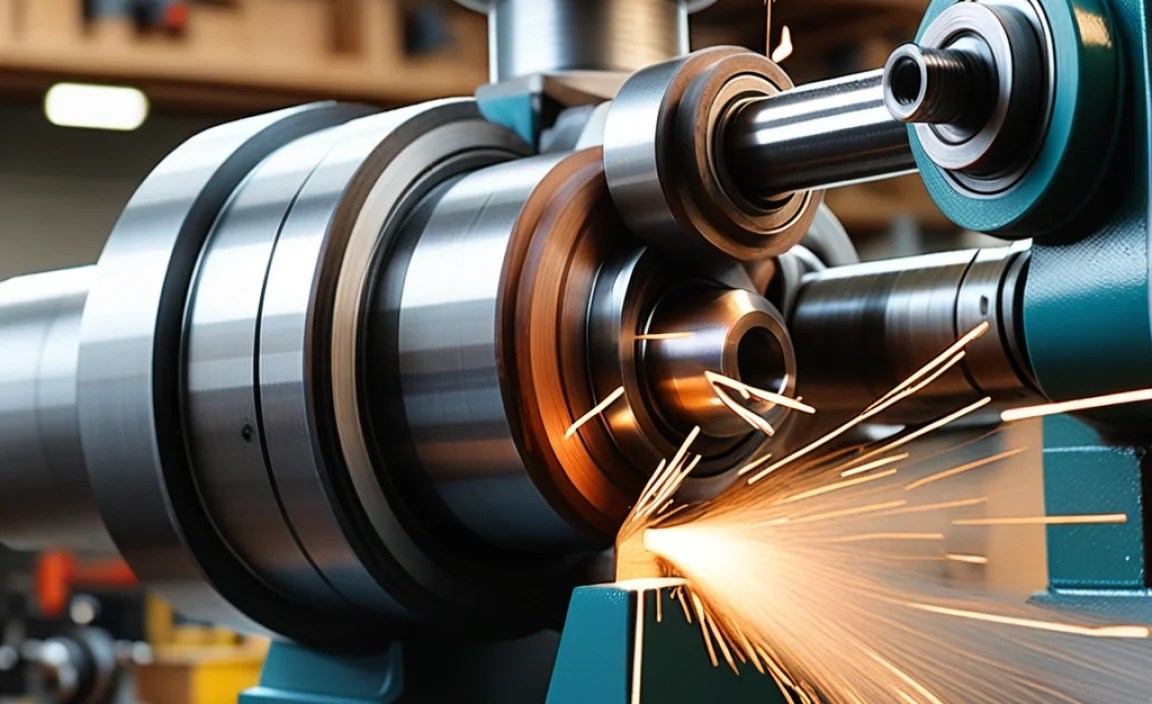
Selecting the correct lubricant is crucial. Using the wrong type can do more harm than good. You need a lubricant that is designed to withstand the stresses and temperatures of a spinning spindle.
Types of Lubricants for Wood Lathes
Light Machine Oil: For general-purpose lubrication on many types of bearings, a good quality light machine oil (like sewing machine oil or a dedicated spindle oil) is often suitable. It’s thin enough to penetrate and provide a protective film.
Lithium Grease: In some cases, a small amount of white lithium grease can be used, especially for bearings that might be a bit older or have slightly larger tolerances. It’s a bit thicker and can offer longer-lasting protection. However, over-greasing can cause issues.
Synthetic Lubricants: High-quality synthetic oils offer excellent performance across a wide temperature range and can provide superior lubrication and longevity.
What to Avoid
WD-40: While great for cleaning and rust prevention, WD-40 is not a long-term lubricant. It can wash away existing grease and evaporate quickly, leaving bearings unprotected.
Heavy Greases: Very thick greases can prevent bearings from spinning freely and can accumulate dust and debris.
Petroleum Jelly: It’s not designed for the stresses of high-speed rotating machinery.
Always check your wood lathe’s manual for the manufacturer’s specific recommendations. They may suggest a particular brand or type of lubricant.
Essential Tools and Materials
Before you start, gather everything you need. This makes the process smoother and ensures you won’t have to stop midway.
Here’s a list of what you’ll likely need:
Wood Lathe Manual: Your best source for specific model information.
Appropriate Lubricant: As discussed above (light machine oil, white lithium grease, etc.).
Lint-Free Cloths or Paper Towels: To clean away old grease and excess new lubricant.
Small Brush or Cotton Swab: For precise application of lubricant.
Optional: Grease Gun with a Needle Attachment: For more controlled application of grease if required.
Optional: Safety Glasses: Always a good idea when working around machinery.
Rag or Old Towel: To protect your workbench and catch drips.
Having these items ready will ensure you can perform the lubrication task efficiently and cleanly.
Step-by-Step Guide to Lubricating Wood Lathe Spindle Bearings
This guide covers the most common scenarios. Always refer to your lathe’s manual for specific instructions for your model. Safety first – ensure your lathe is unplugged before starting any maintenance.
Step 1: Prepare Your Workspace and Lathe
1. Unplug the Lathe: Make absolutely sure the power cord is disconnected from the wall outlet. This is the most critical safety step.
2. Clear the Area: Remove any tools, scraps, or dust from around the headstock and the lathe bed.
3. Have Supplies Ready: Lay out your lubricant, cloths, brush, and any other necessary items within easy reach. Place a rag or towel on your workbench to catch any drips.
Step 2: Access the Spindle Bearings
The access method depends on your lathe’s design.
For Lathes with Grease Zerk Fittings: Many lathes have small fittings called grease zerks on the pillow block bearings or integrated into the headstock casting. These are designed for easy lubrication.
Locate the grease zerk fittings. They are usually small, metal protrusions with a ball or spring mechanism at the tip.
Ensure the area around the zerk is clean.
For Lathes with Sealed Bearings (Inspection): If your bearings are sealed, you will likely not have direct access points. The goal here is to inspect for signs of wear or dried-out seals.
You may need to remove the headstock cover or a specific bearing housing to get a closer look. Consult your manual for how to do this safely.
Check for any visible damage to the seals.
For Lathes with Pillow Block Bearings (No Zerks): Some pillow blocks may have a small threaded hole where grease can be added.
Remove the plug or screw covering this hole.
Clean the area thoroughly.
Step 3: Clean Old Lubricant and Debris
Before applying new lubricant, it’s essential to remove any old, dried-out grease, dust, or debris.
1. Wipe Down: Use a lint-free cloth to carefully wipe away any visible old grease or dirt from the exterior of the bearings and the surrounding headstock area.
2. Use a Brush/Swab: For hard-to-reach areas, use a small brush or cotton swab to gently dislodge any stubborn gunk.
3. If Accessing Bearing Internals: If you’ve removed a cover and can see the bearing surfaces, carefully clean them with a soft cloth. Avoid using excessive amounts of cleaning solvent, as this can remove residual factory lubricant from sealed bearings.
Step 4: Apply New Lubricant
This is where you apply your chosen lubricant. The amount is critical – less is often more.
Using a Grease Gun (with Zerks):
1. Attach your grease gun with a needle adapter to the grease zerk.
2. Give it a few short, light pumps. You are looking to fill the bearing cavity, not pressurize it. Over-pumping can blow out seals or damage the bearing. A common recommendation is 1-3 pumps depending on grease gun type and zerk size.
3. You might feel a slight resistance as the new grease enters the bearing. Stop when you feel this.
4. Wipe away any excess grease that extrudes around the zerk immediately.
Using a Small Brush or Swab (for Grease):
1. Apply a small dab of grease to the tip of your brush or swab.
2. Carefully apply it to the visible bearing surfaces or into the designated lubrication point. Aim for a thin, even coating.
Using a Dropper (for Oil):
1. Apply one or two drops of light machine oil directly onto the bearing surface or into the recommended oil port.
2. Ensure the oil can penetrate the bearing.
For Pillow Blocks:
1. If using grease, apply a small amount using a swab or a small amount from a tube directly into the hole.
2. If using oil, add a few drops with a dropper.
3. Replace the plug or screw securely.
Important Note on Sealed Bearings: If your lathe has sealed bearings and your manual states no lubrication is needed, do not force lubricant into them. If you suspect they are failing, the best course of action is often replacement. However, if you notice a dry feel or slight noise and the manual doesn’t explicitly forbid lubrication, a microscopic amount of light oil on the outer seal edges might help temporarily, but exercise extreme caution.
Step 5: Work the Lubricant In
After applying the lubricant, you need to help it distribute evenly.
1.Rotate the Spindle: With the power still off, gently rotate the spindle by hand several full turns.
2. Observe: Listen for any changes in sound. You should notice the friction decrease and the rotation become smoother.
3. For Grease: If you used grease and it feels stiff initially, rotate the spindle for a minute or two to help distribute it.
Step 6: Clean Up and Test
1.Wipe Away Excess: Carefully wipe away any excess lubricant from the headstock, spindle, and surrounding areas with a clean, lint-free cloth. Excess lubricant can attract dust and debris.
2. Reassemble (If Necessary): If you removed any covers, reattach them securely.
3. Inspect: Do a final visual check of the area.
4. Re-plug and Test: Plug the lathe back into the power outlet.
5. Low-Speed Test: Start the lathe at its slowest speed. Listen for any unusual noises and feel for excessive vibration.
6. Gradual Increase: Slowly increase the speed. Continue listening and feeling for smooth operation. If any issues persist, unplug the lathe immediately and re-evaluate.
Maintaining a clean headstock area and ensuring lubrication points remain free of dust is crucial for the longevity of your spindle bearings.
Lubrication Schedule and Best Practices
Consistency builds reliability. Establishing a regular maintenance schedule will prevent future issues and keep your lathe performing at its best.
Recommended Lubrication Schedule:
Monthly: Inspect bearings for signs of wear, noise, or heat. Clean accessible lubrications points. Lubricate if signs of dry operation are present or if per manufacturer’s recommendation.
Quarterly: Deeper clean of the headstock area. Verify lubricant type and condition.
Annually: Consider a more thorough bearing check. If your lathe sees very heavy use, you might need to lubricate more frequently.
Best Practices for Longevity:
Always Use the Right Lubricant: Refer to your lathe’s manual.
Don’t Over-Lubricate: Too much lubricant can attract dirt and cause overheating.
Keep it Clean: A clean machine is a happy machine. Wipe down your lathe regularly, especially around the headstock.
Listen to Your Lathe: Unusual noises or vibrations are your lathe’s way of telling you something needs attention.
Store Safely: If your lathe is stored for extended periods, consider covering the headstock to prevent dust accumulation.
By integrating these practices, you ensure your wood lathe remains a dependable tool for years.
Troubleshooting Common Lubrication Issues
Even with regular maintenance, you might encounter problems. Here are some common issues and how to address them.
Issue: Squeaking or Grinding Noises
Cause: Insufficient or old, degraded lubricant. Dirt or debris in the bearing. Worn bearings.
Solution: Clean the area thoroughly. Apply the correct lubricant as per the guide. If noise persists after lubrication, the bearings may be worn and might need replacement.
Issue: Excessive Heat from the Headstock
Cause: Over-lubrication, incorrect lubricant, or worn-out bearings causing excessive friction.
Solution: If over-lubricated, wipe away excess. Ensure you’re using the correct lubricant. Allow the lathe to cool down. If heat persists at normal operation, the bearings may be failing.
Issue: Spindle Feels Stiff or Rough
Cause: Dried-out lubricant, contamination, or bearing damage.
Solution: Clean and re-lubricate. If the stiffness remains, inspect the bearings for damage.
Issue: Lubricant Leaking from the Headstock
Cause: Over-lubrication, torn seals, or damaged bearing housing.
Solution: Wipe away excess lubricant. If leaks continue, examine the seals and housing for damage. This may indicate a need for repair or replacement.
For any issues that persist after basic lubrication and cleaning, it’s advisable to consult your lathe’s manufacturer or a qualified technician.
Table: Lubrication Frequency vs. Usage Type
The amount of use your wood lathe gets directly impacts how often it needs lubrication. Here’s a general guideline:
| Usage Type | Frequency of Inspection | Frequency of Lubrication (if needed) | Notes |
|---|---|---|---|
| Light Hobbyist (1-5 hours/week) | Monthly | Every 3-6 Months (or when signs of dryness appear) | Focus on listening and feeling for smoothness. |
| Moderate Hobbyist/Advanced User (5-20 hours/week) | Bi-Weekly | Monthly (or as needed) | Regular checks prevent issues under heavier use. |
| Professional/Production Use (20+ hours/week) | Weekly | Bi-Weekly (or as needed) | Critical for uptime and preventing costly downtime. |
| Occasional Use (Less than 1 hour/week) | Quarterly | Annually (or when signs of dryness appear) | Ensure lubricant hasn’t dried out completely. |
This table provides a starting point. Always observe your lathe’s behavior and consult its manual. Many sealed bearings might not require periodic lubrication unless they show signs of issues, and even then, replacement might be the better long-term solution. For external pillow block bearings or greasable headstocks, regular scheduled lubrication is usually beneficial.
Resources for Further Learning and Support
Staying informed is part of being a confident woodworker. Here are some valuable resources:
Your Wood Lathe’s Manufacturer Manual: This is always the primary and most authoritative source of information specific to your machine. Many manuals are available for download on manufacturer websites.
Online Woodworking Forums: Communities like Sawmill Creek, LumberJocks, or MyWoodWorking.com often have sections dedicated to lathe maintenance where experienced users share tips and solutions.
YouTube Woodworking Channels: Many skilled woodturners and mechanics provide visual demonstrations of lathe maintenance. Excellent channels often feature detailed explanations of bearing care.
Reputable Tool Retailers: Websites of major tool suppliers often have support sections, FAQs, and sometimes even downloadable guides for the tools they sell. For example, Grizzly Industrial or Jet Tools provides extensive resources for their equipment.
Local Woodworking Guilds: Connecting with local turners can offer hands-on advice and local recommendations for parts or servicing.
* For general information on bearing maintenance and types, resources from organizations like the Mechanical Bearings Association can be insightful, though they are more technical in nature.
Accessing information from multiple reliable sources will enhance your understanding and troubleshooting abilities.
Frequently Asked Questions (FAQ)
Q1: Do all wood lathe spindle bearings need lubrication?**
A1: Not all wood lathes require regular lubrication of their spindle bearings. Many modern lathes use sealed bearings that are pre-lubricated and designed to last their service life without additional greasing. However, older models or those.
