Master Your Wood Lathe’s Spindle Lock: Keep it Secure! This guide reveals how to understand, maintain, and use your wood lathe’s spindle lock mechanism for safer, more effective turning. Learn quick checks and simple fixes to ensure your workpiece stays put.
Ever felt a wobble during a turning project, making you nervous? A secure workpiece is the number one rule for safe and successful woodturning. The spindle lock mechanism is your key ally here, preventing unwanted movement. But what exactly is it, and how do you keep it working perfectly? Many beginners find themselves unsure about this crucial part of their lathe. Don’t worry, it’s simpler than it sounds! We’ll break down your wood lathe’s spindle lock, show you how to check it, maintain it, and use it with confidence. Get ready to turn with peace of mind!
Understanding the Wood Lathe Spindle Lock Mechanism

The spindle lock, sometimes called a spindle indexing pin or spindle stop, is a vital safety feature on your wood lathe. Its primary job is to prevent the lathe’s spindle from rotating freely. This is especially important when you’re working on tasks that require the spindle to be held stationary, like drilling holes through the center of your stock or making precise adjustments. Without a properly functioning spindle lock, these operations could be dangerous and lead to damaged workpieces or, worse, injuries.
Think of it like a brake for your lathe’s spinning part. When engaged, it firmly stops the spindle’s rotation. This little pin or bolt fits into a corresponding hole or slot in the headstock pulley or spindle itself, essentially locking it in place. It’s a simple concept, but its importance in woodworking safety cannot be overstated.
Why is the Spindle Lock So Important?
Safety is always the top priority when operating any machinery, and a wood lathe is no exception. The spindle lock mechanism plays a crucial role in several aspects of safe lathe operation:
- Drilling Operations: When you need to drill a hole precisely through the center of your turning blank (like for a pen barrel or a hollow form), the spindle must be locked. If the spindle spins while you’re drilling, the drill bit can easily catch, break, or cause the workpiece to violently spin out of control.
- Chiseling and Scraping: While not always necessary for every cut, especially for very light scraping, some woodturners prefer to lock the spindle for certain initial shaping cuts or when using specialized tools to prevent any slight, accidental rotation.
- Tool Rest Adjustment: When adjusting the position of your tool rest, especially near the headstock or tailstock, locking the spindle ensures it won’t move unexpectedly.
- Attaching Faceplates and Drive Centers: While mounting your workpiece, locking the spindle makes it easier and safer to securely attach faceplates, drive centers, or chucks without the spindle slipping.
- Preventing Runaway Workpieces: In the unlikely event of a tool catching or a jam, a locked spindle provides an added layer of security against the workpiece suddenly dislodging.
A reliable spindle lock gives you the confidence to perform these tasks without worrying about accidental movement. It transforms potentially risky steps into controlled, manageable procedures.
How the Spindle Lock Mechanism Typically Works

While designs can vary slightly between lathe manufacturers, most spindle lock mechanisms follow a similar principle. They involve a pin or bolt that engages with a locking point on the spindle or a pulley attached to it.
Common Types of Spindle Locks:
- The Pin Lock: This is perhaps the most common type. A spring-loaded pin is housed in the headstock. By pushing a knob or lever, you retract the pin. When you release it, the spring pushes the pin forward. When the spindle is rotated to a specific position, this pin pops into one of several holes drilled around the circumference of the headstock pulley or the spindle flange. These holes are designed to hold the spindle at set intervals, often 18 to 36 holes for indexing purposes.
- The Bolt Lock: Some lathes use a T-handle bolt that threads into the headstock. When you want to lock the spindle, you thread this bolt inward until its tip presses firmly against a flat spot or a precisely machined groove on the spindle itself or a pulley. This method provides a very positive lock.
- Lever-Actuated Locks: More advanced systems might use a lever mechanism that engages a cam or a wedge to apply pressure and lock the spindle. These are often found on larger or more industrial lathes but the core principle remains the same: to stop rotation.
Regardless of the specific type, the goal is the same: to create a secure mechanical connection that prevents the spindle from turning.
Identifying Your Lathe’s Spindle Lock
Take a close look at your wood lathe’s headstock. You’ll typically find the spindle lock mechanism near the front where the spindle emerges. Look for:
- A small knob, button, or lever.
- A spring-loaded pin that can be pushed in and out.
- A threaded hole for a T-handle bolt.
- A series of small holes (indexing holes) around the headstock pulley or spindle flange.
Consulting your lathe’s owner’s manual is the best way to identify the exact type of spindle lock on your machine and understand its operation and maintenance requirements. If you don’t have a manual, a quick online search for your lathe’s model number might yield a downloadable PDF.
Essential Checks and Maintenance for Your Spindle Lock
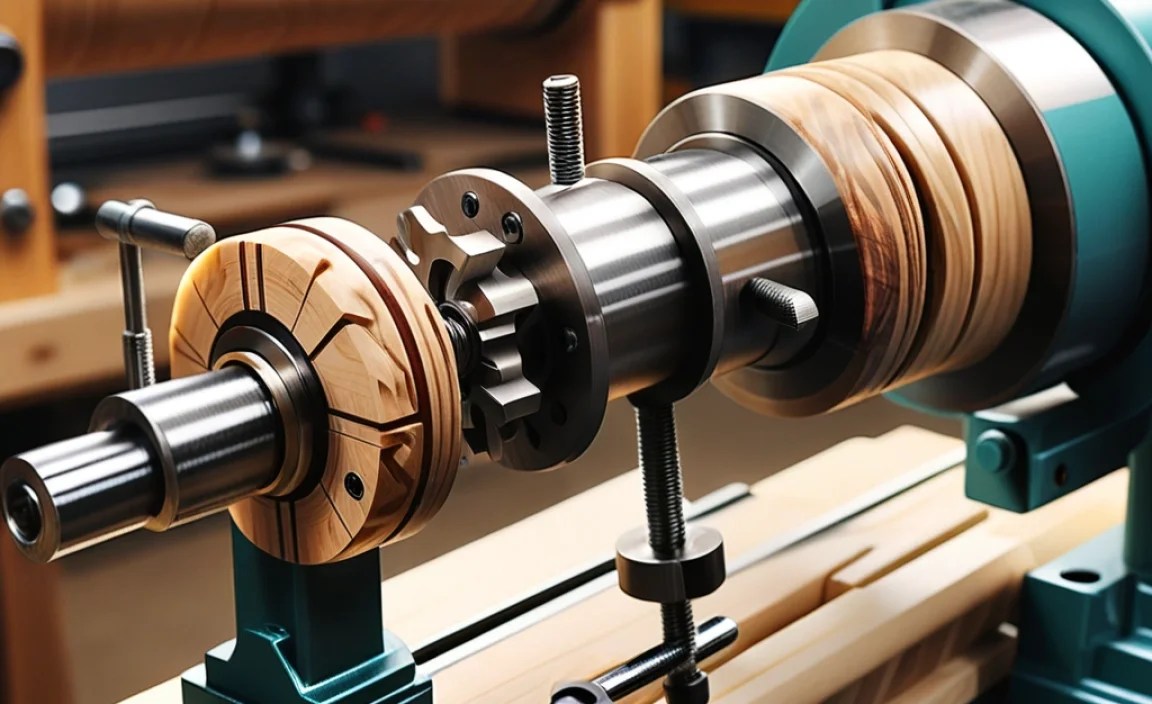
A well-maintained spindle lock is a reliable spindle lock. A few minutes of regular attention can prevent a lot of potential headaches. Here’s what you should check and how to maintain it:
| Check/Maintenance Task | Frequency | What to Look For/Do | Importance |
|---|---|---|---|
| Pin/Bolt Engagement | Before each turning session | Ensure the pin fully enters an indexing hole or the bolt makes firm contact. Check for debris in the hole or on the bolt tip. | Crucial for safe stationary operations. |
| Spring Action (for Pin Locks) | Monthly (or if it feels stiff) | Push and release the pin several times. It should retract smoothly and snap back with consistent tension. | Ensures quick and reliable locking. |
| Threaded Components (for Bolt Locks) | Monthly | Check that the bolt threads smoothly into its housing. Clean and lightly lubricate threads if necessary. | Prevents sticking and ensures a secure lock. |
| Indexing Holes/Groove | Quarterly | Inspect holes for wear, cracks, or debris. Ensure the spindle groove (if applicable) is clean and free from damage. | A worn hole or damaged groove can compromise the lock’s effectiveness. |
| Lubrication | Annually (or as needed) | Apply a small amount of light machine oil or grease to the plunger mechanism (pin lock) or bolt threads. Avoid over-lubrication, as dust can accumulate. | Keeps moving parts free and protects against rust. |
Troubleshooting Common Spindle Lock Issues
Even with good maintenance, you might encounter a problem. Here are a few common issues and their solutions:
- Stiff or Slow Pin Return: This is often due to dirt, dust, or dried-up lubricant.
- Solution: Gently spray a small amount of penetrating oil or a light lubricant into the pin housing. Work the pin in and out several times. If it’s still stiff, you may need to remove the pin (consult your manual) for a more thorough cleaning.
- Pin Not Fully Engaging a Hole: The pin might be worn, the hole might be slightly out of alignment, or there might be an obstruction.
- Solution: First, ensure there’s no debris in the hole. If the pin is worn, it might need replacement. For slight misalignment, you might be able to relieve pressure by slightly nudging the pulley or spindle to allow easier engagement. However, if the holes are imprecise, this is a manufacturing defect.
- Bolt Won’t Thread or Locks Tightly: This usually indicates damaged threads or debris.
- Solution: Inspect the threads on both the bolt and the housing. Clean them carefully with a wire brush or pick. If threads are damaged, you may need to re-tap the housing or replace the bolt. A tiny amount of anti-seize compound can help prevent future issues on threads.
- Wobbly Lock (Bolt Type): If the bolt doesn’t feel like it’s making solid contact.
- Solution: Ensure the bolt is fully tightened. Check the spindle or pulley for a clean, flat surface where the bolt makes contact. Sometimes, a slight burr on the spindle can prevent full engagement. Gently file down any burrs if present.
Remember, safety first! If you’re ever unsure about a repair or if the spindle lock doesn’t feel completely secure after troubleshooting, do not use it for stationary operations. Seek professional advice or contact the lathe manufacturer.
Step-by-Step: Using the Spindle Lock Correctly

Using your spindle lock effectively is straightforward, but following these steps ensures you do it safely and correctly every time.
Step 1: Identify Your Operation Needs
Before you even touch the spindle lock, determine if the task at hand requires the spindle to be locked. Essential operations include drilling, and sometimes initial shaping or minor adjustments where absolute stillness is critical.
Step 2: Prepare the Lathe and Workpiece
Ensure your workpiece is securely mounted between centers, in a chuck, or on a faceplate. Make sure there are no loose components. Position your tool rest at the appropriate distance and angle for the upcoming operation, but don’t tighten it down fully just yet if you’ll be making adjustments while locked.
Step 3: Locate and Operate the Spindle Lock
Find the spindle lock mechanism on your headstock. For a pin lock, you’ll typically push in a button or knob to retract the pin from its housing. For a bolt lock, you’ll be threading a bolt inwards.
Step 4: Rotate the Spindle to Engage
Gently rotate the headstock pulley or spindle by hand until you feel or see the pin engage into one of the indexing holes, or until the bolt makes firm contact with the spindle/pulley. You might need to try multiple positions if the locking mechanism has several holes.
Step 5: Confirm the Lock is Secure
This is a critical step. After engaging the lock, try to rotate the spindle by hand. It should not move at all. If there’s any give, wiggle, or rotation, the lock is not fully engaged or is compromised. Do not proceed with the operation if the lock feels insecure. Re-engage it, check for obstructions, or if the problem persists, stop and investigate further.
For bolt locks, ensure the bolt is tightened sufficiently to prevent any movement. Don’t overtighten to the point of damaging the spindle, but make sure it’s snug enough to hold firm.
| Operation | Spindle Lock Usage | Why it’s Essential |
|---|---|---|
| Drilling Center Holes | Engage firmly. | Prevents spindle rotation, ensuring accurate drilling and preventing the workpiece from spinning violently if the drill binds. |
| Hollowing Mortises for Bowls | Lock during initial stages. | Allows precise, controlled removal of material without risk of the workpiece shifting. |
| Adding Screw Threads to Spindles | Engage firmly. | Keeps the spindle stationary while using a die stock or chasing tool. |
| Minor Tool Rest / Tailstock Adjustments | Engage if needed for stability | Provides a stable platform for precise adjustments when fine-tuning tool position. |
| Mounting Faceplates/Chucks | Engage for stability. | Makes it easier to apply torque when tightening without the spindle spinning. |
Step 6: Perform Your Operation
Once you have confirmed the spindle lock is securely engaged, you can proceed with your task (drilling, etc.). Keep in mind that drilling at a slow speed is always recommended, even with the spindle locked, to reduce heat and stress on the drill bit.
Step 7: Disengage the Spindle Lock
After completing the operation, before you start the lathe’s motor or prepare for any turning cuts, you must disengage the spindle lock. For pin locks, simply push the button/knob to retract the pin. For bolt locks, back the bolt out completely. Failure to disengage the lock before starting the motor can cause severe damage to the lock mechanism, the spindle, and potentially other parts of the lathe, not to mention creating a dangerous situation.
Always double-check that the lock is disengaged before spinning the lathe at speed. It’s a habit that will serve you well and keep you safe.
Advanced Tips and Safety Considerations
As you become more comfortable with your wood lathe, you’ll develop a feel for its operation. Here are some advanced tips and critical safety considerations related to the spindle lock mechanism:
- Indexing Accuracy: Many pin-style spindle locks are also used for indexing, allowing you to precisely space out operations around your workpiece (e.g., drilling holes for a segmented bowl). If your lathe has an indexing pin, understand how many holes are available and how they relate to degrees (a full circle is 360 degrees). For example, 24 holes means each hole represents 360 / 24 = 15 degrees.
- Wear and Tear on Indexing Holes: With frequent use for indexing, the holes in the pulley or spindle flange can wear out of round. This can lead to a less secure lock and imprecise indexing. Inspect these holes regularly. Some advanced users might even drill new sets of holes if an old set becomes too worn, but this requires precision.
- The “Wiggle Test”: Even when locked, it’s good practice to give the workpiece a gentle wiggle once you’ve confirmed the lock is engaged. If it moves, stop. This simple test can catch issues before they become problems.
- Never Force It: If the pin doesn’t easily seat or the bolt doesn’t thread smoothly, don’t force it. Something is likely wrong – debris, misalignment, or damaged threads. Forcing it can cause significant damage.
- Consult Reputable Resources: For detailed information on lathe maintenance and safety, resources like the American Association of Woodturners (AAW) offer excellent guidance, safety publications, and connections to experienced woodturners. Understanding best practices from organizations like this is invaluable.
- Understand Your Lathe’s Limits: Not all spindle locks are designed for heavy-duty, continuous use. A light pin lock might be intended primarily for occasional drilling or positioning. A robust bolt lock might be more suitable for repeated use where the spindle needs to be held for extended periods. Know what your lathe is designed for.
- Dust and Debris: Woodworking environments can be dusty. Metal shavings from maintenance or other workshop activities can also find their way into the mechanism. Regularly cleaning the spindle lock area is crucial. A blast of compressed air can often dislodge accumulated dust.
Your spindle lock is a simple mechanism, but treating it with respect and understanding its function will ensure it remains a reliable safety feature for years to come.
Frequently Asked Questions About Wood Lathe Spindle Locks
Q1: What is the main function of a wood lathe spindle lock?
A1: The main function of a wood lathe spindle lock is to prevent the spindle (the part that holds your workpiece) from rotating, allowing for safe operations like drilling holes through the center of your stock.
Q2: How often should I check my spindle lock mechanism?
A2: It’s good practice to visually inspect and test your spindle lock engagement before every turning session, especially if you plan to use it for drilling or other stationary tasks. Perform more thorough checks and maintenance monthly or quarterly.
Q3: My spindle lock pin is stiff and doesn’t spring back quickly. What should I do?
A3: This usually means the mechanism needs cleaning and lubrication. Try spraying a small amount of light machine oil or penetrating lubricant into the housing and working the pin back and forth. If it remains stiff, you may need to consult your lathe manual for disassembly or seek professional advice.
Q4: Can I use my spindle lock for turning operations?
A4: No, the spindle lock is not designed for turning operations. It’s for holding the spindle stationary. Attempting to turn with the spindle.
