A wood lathe spindle thread adapter lets you attach different chucks or faceplates to any wood lathe, regardless of its original spindle threading. This guide provides essential tips for choosing, using, and maintaining these adapters to ensure safe and versatile woodworking.
Ever found yourself with a fantastic new chuck for your wood lathe, only to realize it doesn’t fit the threaded spindle? It’s a common frustration for woodturners, especially when moving between different machines or acquiring used equipment. The solution is often simpler than you think: a spindle thread adapter. This handy gadget bridges the compatibility gap, opening up a world of possibilities for your lathe. Let’s dive into why they’re essential and how to use them like a pro.
What is a Wood Lathe Spindle Thread Adapter?

Simply put, a wood lathe spindle thread adapter is a device that screws onto your lathe’s existing spindle thread and provides a new set of external threads. Think of it like a connector or an intermediary. Your lathe has a specific thread size and direction (left-hand or right-hand). The adapter takes that thread and converts it into another common thread size that many woodworking accessories, like scroll chucks, faceplates, or drive centers, are designed to fit.
Most wood lathes come with one of a few standard spindle thread sizes. However, accessories are often made to fit the most common ones. If your lathe’s spindle thread doesn’t match the accessory’s thread, you’ll need an adapter. This is especially useful if you:
- Have an older lathe with an unusual thread size.
- Want to use accessories from a different brand or machine.
- Are upgrading from a smaller lathe to a larger one.
- Need to adapt a left-hand thread to a right-hand thread (though this is less common and requires specific adapters).
Why You Need a Spindle Thread Adapter
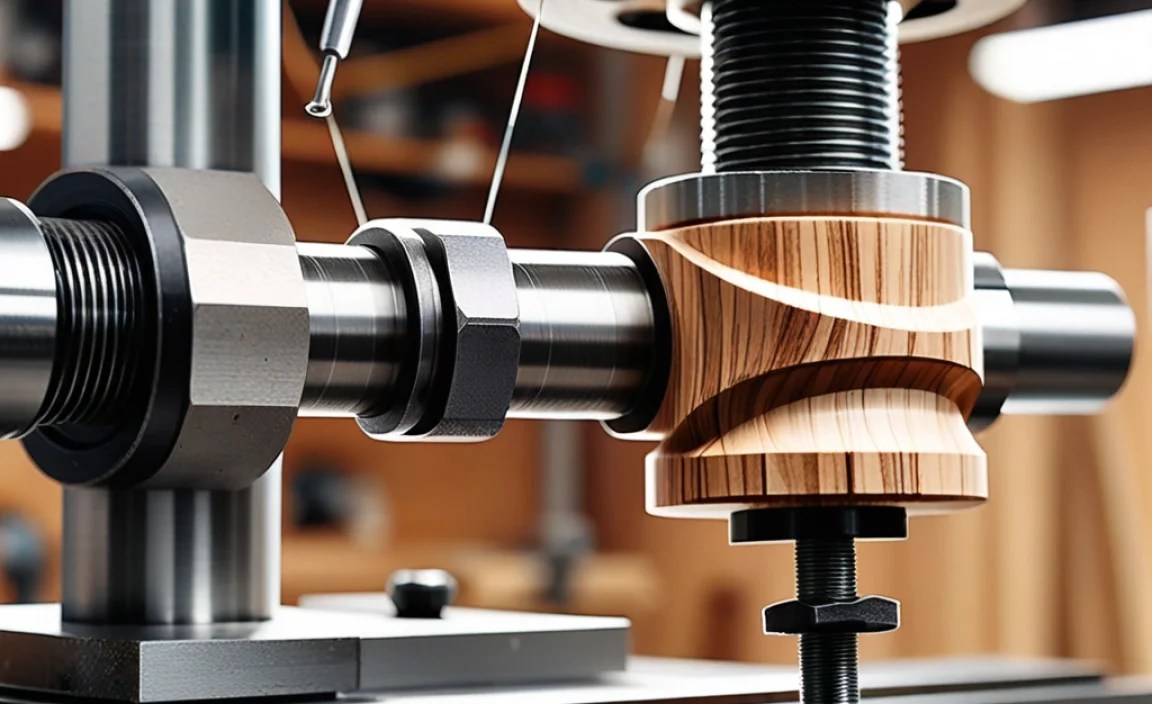
The primary benefit of a spindle thread adapter is versatility. It dramatically expands the range of accessories you can use with your current wood lathe. Instead of being limited to what fits your spindle directly, you can adapt it to fit a vast array of common chucks and mounting devices.
Beyond just fitting accessories, adapters can also offer:
- Convenience: Easily swap between different chucks for different tasks without needing multiple lathes.
- Cost Savings: Instead of buying new accessories for every lathe you might use, you can buy one adapter and use your existing tools.
- Access to Specialized Tools: Some specialized turning tools or jigs might only come with a specific thread size. An adapter makes them usable on your lathe.
- Future-Proofing: If you plan to upgrade your lathe someday, an adapter can help your current accessories remain compatible with a new machine.
Understanding Spindle Threads: The Basics

Before you buy an adapter, it’s crucial to know your lathe’s spindle thread specifications. Lathe spindles have two key characteristics:
- Diameter: This is the nominal size of the spindle thread (e.g., 1 inch, 3/4 inch, 1 1/4 inch).
- Threads Per Inch (TPI): This refers to how many threads are present in one inch of the spindle. Common TPIs include 8, 10, 12, and 16.
- Handedness: Most wood lathe spindles have a right-hand thread (meaning you tighten accessories by turning them clockwise). Some older or specialized machines might have a left-hand thread (tighten counter-clockwise). You must match the adapter’s thread direction to your spindle.
How to find your lathe’s thread size:
- Check your lathe’s manual: This is the most reliable source. Look for specifications related to the headstock spindle.
- Measure directly: If you don’t have the manual, you can measure the diameter of the spindle and count the threads per inch. You can use a ruler or a dedicated thread gauge for TPI.
- Look for markings: Sometimes, thread sizes are stamped directly onto the spindle or the faceplate that came with the lathe.
- Consult the manufacturer’s website or forums: For popular lathe models, this information is often readily available online.
A common example of a lathe thread is 1″ x 8 TPI (1 inch diameter, 8 threads per inch). Many adapters are designed to convert from common lathe threads to even more common accessory threads, such as 1″ x 8 TPI or 3/4″ x 16 TPI.
Types of Spindle Thread Adapters
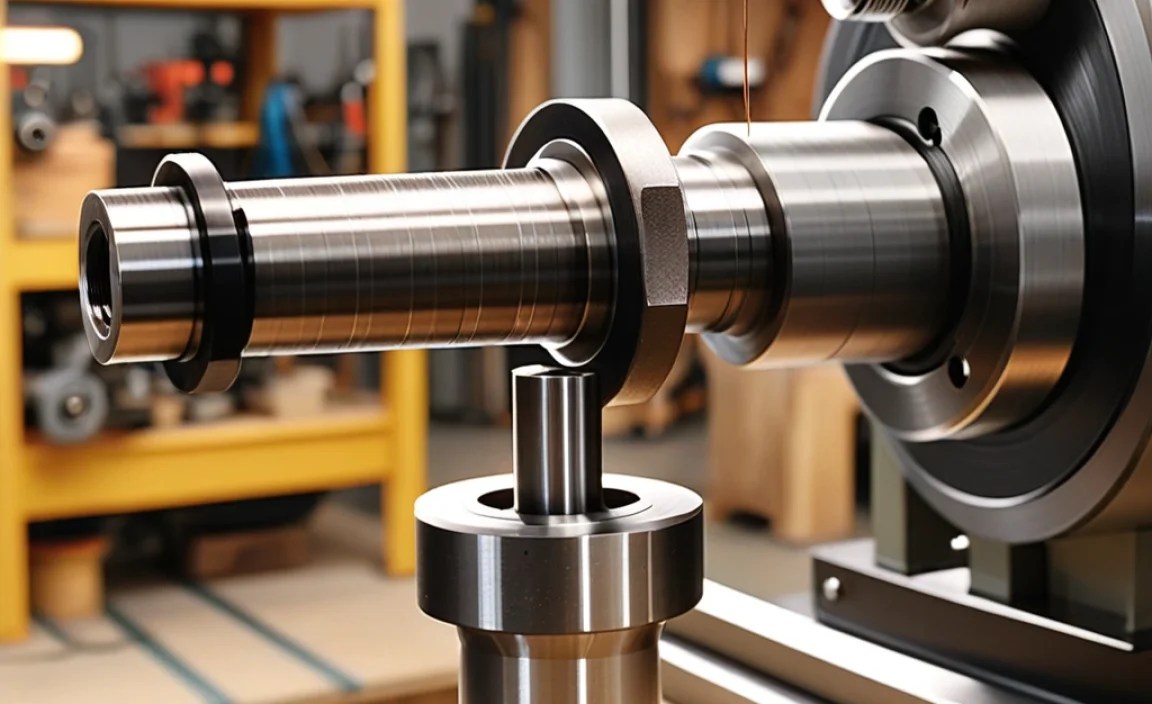
Spindle thread adapters come in various configurations to bridge different thread gaps. The most common types are:
1. Spindle-to-Accessory Adapters
These are the most popular. They screw directly onto your lathe’s spindle and offer a different thread pattern on the outside for your chuck or faceplate.
- Example: Your lathe has a 1″ x 8 TPI spindle, but your desired chuck has a 3/4″ x 16 TPI mounting thread. You’d need an adapter that is 1″ x 8 TPI Female (to screw onto your spindle) and 3/4″ x 16 TPI Male (for the chuck to screw onto).
2. Reducer Bushings
These are essentially sleeves that fit inside a larger threaded hole to accommodate a smaller threaded shaft. While not strictly a “spindle adapter” in the sense of changing the spindle thread itself, they function similarly for accessories. For instance, if you have a chuck designed for a larger spindle and you only have a smaller spindle, a reducer bushing might be involved (though often, it’s the other way around). More commonly, these are used when mounting a faceplate with a specific internal thread to a spindle with a different internal thread, effectively acting as an adapter.
- Example: A faceplate has a 1″ x 8 TPI internal thread. Your lathe has a 1 1/4″ x 8 TPI spindle. You would use a reducer bushing that is 1 1/4″ x 8 TPI Male to 1″ x 8 TPI Female.
3. Multi-Thread Adapters
Some more advanced adapters might offer multiple interchangeable threaded inserts, allowing you to adapt to several different thread sizes with one main body. These are less common for beginner woodturners but offer ultimate flexibility.
Choosing the Right Spindle Thread Adapter
Selecting the correct adapter is paramount for safety and functionality. Here’s what to look for:
1. Identify Your Lathe’s Spindle Thread
As discussed earlier, know your spindle’s diameter, TPI, and thread handedness. This is the “female” side of your adapter requirement (it screws onto your spindle). For example, if your lathe is 1″ x 8 TPI, you need an adapter with 1″ x 8 TPI female threading.
2. Identify the Accessory’s Thread
Determine the thread size and handedness of the chuck, faceplate, or other accessory you intend to use. This is the “male” side of your adapter requirement (your accessory will screw onto the adapter). For example, if your chuck is 3/4″ x 16 TPI, you need an adapter with 3/4″ x 16 TPI male threading.
3. Match the Threads Correctly
Combine the information. You need an adapter that has:
- Female Thread: Matches your lathe’s spindle thread.
- Male Thread: Matches your accessory’s thread.
Crucial Note on Threaded Inserts
Many chuck manufacturers offer threaded inserts for their chucks. These inserts screw into the chuck body and provide the correct male thread for your specific lathe spindle. This is often a cleaner and more direct solution than a standalone spindle adapter if your chuck is designed for it. However, if you can’t find an insert or want to use an accessory that doesn’t support them, a spindle thread adapter is the way to go.
4. Material and Build Quality
Look for adapters made from good quality steel. They should feel substantial and well-machined. Poorly made adapters can strip threads easily, cause runout (wobble), or even be a safety hazard. Reputable woodworking tool brands usually offer reliable adapters.
5. Thread Direction (Handedness)
Ensure the adapter’s male thread direction matches the accessory’s required direction, and the female thread matches your spindle’s direction. For most wood lathes and accessories, this will be right-hand threads (tighten clockwise when approaching the spindle). If you have a left-hand spindle or are using a left-hand threaded accessory, you must ensure the adapter is specifically designed for that.
6. Consider Runout
A well-made adapter should thread on smoothly and run true with your spindle. Excessive runout can lead to vibration and inaccurate work. While minor runout might be unavoidable with some adapters, choosing a quality piece minimizes this issue.
Table: Common Lathe Spindle Threads and Corresponding Adapters
Here’s a simplified look at how adapters bridge common thread sizes. Remember, the adapter will have a female thread (for your spindle) and a male thread (for your accessory).
| Your Lathe Spindle Thread (Female) | Accessory Thread You Want to Use (Male) | Type of Adapter Needed (Female x Male) | Common Accessory Use |
|---|---|---|---|
| 1″ x 8 TPI | 1″ x 8 TPI | 1″ x 8 TPI Female x 1″ x 8 TPI Male | Used if your lathe has a less common 1″ thread, converting to the most standard one. |
| 3/4″ x 16 TPI | 1″ x 8 TPI | 3/4″ x 16 TPI Female x 1″ x 8 TPI Male | Adapting smaller delta-style lathes to common larger chucks. |
| 1″ x 8 TPI | 3/4″ x 16 TPI | 1″ x 8 TPI Female x 3/4″ x 16 TPI Male | Adapting common lathes to smaller, older, or specific accessories. |
| 1 1/4″ x 8 TPI | 1″ x 8 TPI | 1 1/4″ x 8 TPI Female x 1″ x 8 TPI Male | Adapting larger lathes to the most common chuck size. |
| 1″ x 8 TPI | 1 1/4″ x 8 TPI | 1″ x 8 TPI Female x 1 1/4″ x 8 TPI Male | Adapting common lathes to larger, more robust accessories. |
How to Install and Use a Spindle Thread Adapter Safely
Safety is number one when working with any rotating machinery. Follow these steps carefully:
1. Power Down the Lathe
ALWAYS ensure the lathe is turned off and the power cord is disconnected or the circuit breaker is open before attaching or removing anything from the spindle. Lathe spindles can be heavy and rotate with considerable momentum. Never attempt to change accessories while the lathe is powered on or coasting down.
2. Clean the Spindle Threads
Before attaching the adapter, inspect both your lathe’s spindle threads and the adapter’s female threads. Clean away any dust, debris, old grease, or metal shavings. A clean thread ensures a smooth fit and prevents cross-threading, which can damage both components. A brass brush or a clean rag is usually sufficient.
3. Thread the Adapter Onto the Spindle
Carefully align the adapter’s female threads with your lathe’s spindle threads. Turn the adapter clockwise (for right-hand threads) by hand. It should thread on smoothly with minimal resistance. If you feel any significant binding or resistance, stop immediately. You may be cross-threading. Back it off completely and try again, ensuring perfect alignment. Do not force it. A light application of a machine lubricant like Trefolex or a general-purpose machine oil can help during installation and removal.
4. Tighten Securely
Once the adapter is threaded on hand-tight, you can consider it secure for most operations. However, for very high-speed turning or aggressive cuts, some users prefer to snug it up slightly more with a pin wrench or the appropriate tool if the adapter has a provision for it. Be careful not to overtighten, as this can make removal difficult and potentially damage the threads. A good, snug fit achieved by hand is typically sufficient.
5. Attach Your Accessory
Now, with the adapter securely in place, you can attach your chuck, faceplate, or other accessory. Clean the male threads on the adapter and the accessory’s internal threads. Apply a thin film of lubricant. Align the accessory’s threads with the adapter’s male threads and turn clockwise by hand to thread it on. Tighten it securely according to the accessory manufacturer’s recommendations (usually hand-tight is adequate, or snugged with a provided tool).
6. Check for Runout
Once mounted, spin the assembly by hand to check for any obvious wobble or imbalance. A perfectly true setup is ideal. If you notice significant runout, re-check that the adapter and accessory are fully seated and not cross-threaded. Sometimes a slight adjustment or cleaning can resolve minor issues. For persistent problems, consult the adapter or accessory manufacturer.
7. Safety Check
Spin the accessory by hand with the power off to ensure it rotates freely and securely. Always wear safety glasses when operating the lathe. Maintain a safe distance from the rotating workpiece and tools.
Maintenance and Care for Your Adapters
Like any tool, your spindle thread adapters will last longer and perform better with proper care:
- Clean Regularly: After each use, especially if you’ve been working with dusty materials like MDF or certain hardwoods, clean the adapter threads. A soft brush and compressed air are great for this.
- Lubricate Lightly: When installing or removing the adapter, a thin film of appropriate lubricant (like Trefolex for metal-to-metal threads, or a light machine oil) can prevent galling and make future removals easier. Wipe off excess lubricant.
- Store Properly: Store adapters in a dry place, ideally in their original packaging or a dedicated tool case. Avoid storing them where they can be exposed to moisture, which can lead to rust.
- Inspect for Damage: Periodically check the threads for any signs of wear, damage, or deformation. If threads appear stripped or damaged, the adapter should be retired from service for safety reasons.
- Avoid Exposure to Harsh Chemicals: Keep adapters away from harsh solvents or chemicals that could degrade the metal or protective coatings.
For more information on lathe maintenance, consider resources like those from the U.S. Department of Labor’s Occupational Safety and Health Administration (OSHA) which outlines general machine guarding and safety principles that apply to all workshop tools: OSHA Machine Guarding.
Troubleshooting Common Issues
Even with the best intentions, you might encounter a few snags. Here’s how to fix them:
Problem: Adapter won’t thread on smoothly.
Solution: STOP. You are likely cross-threading. Back the adapter off completely. Clean both sets of threads meticulously. Realign and try again, turning slowly and feeling for smooth engagement. Ensure you have the correct adapter for your spindle thread and that it’s oriented correctly.
Problem: Adapter is very difficult to remove.
Solution: Ensure the lathe is off. Try wiggling the adapter gently while turning counter-clockwise. A light application of a penetrating oil or thread lubricant might help. In extreme cases, a strap wrench can provide extra grip. If it’s still stuck, there might be damage to the threads, and professional help or replacement might be needed.
Problem: The attached accessory wobbles (has runout).
Solution: Power off the lathe. Remove the accessory and then the adapter. Clean both sets of threads again. Reinstall the adapter securely. Reinstall the accessory, ensuring it is fully seated and tightened squarely against the adapter’s face. Sometimes, reversing the accessory (unscrewing slightly and re-tightening) can help it seat better. Persistent runout might indicate a warped adapter or spindle, which requires further diagnosis.
Problem: The adapter seems too large or too small a diameter.
Solution: Double-check your measurements and the adapter’s stated specifications. You may have misidentified your lathe’s spindle thread or the desired accessory thread. Ordering the wrong physical size will prevent it from fitting at all.
