Struggling with wood lathe spindle threading? This guide provides proven, beginner-friendly fixes for common issues like loose threads, jamming, and inaccurate cuts. Get your lathe spindle threading right with simple, actionable solutions.
Wood Lathe Spindle Threading Problems: Proven Fixes for Beginners


Having trouble getting those spindle threads just right on your wood lathe? You’re not alone! It’s a common snag for many woodturners, especially when you’re starting out. Those stripped threads, a tool that keeps jamming, or a spindle that just won’t grip can be frustrating. But don’t worry! With a few straightforward adjustments and some reliable techniques, you can overcome these challenges. This guide is here to help you understand why these problems happen and give you clear, step-by-step solutions. Let’s get your lathe working smoothly so you can focus on creating beautiful things!
Understanding Common Wood Lathe Spindle Threading Issues

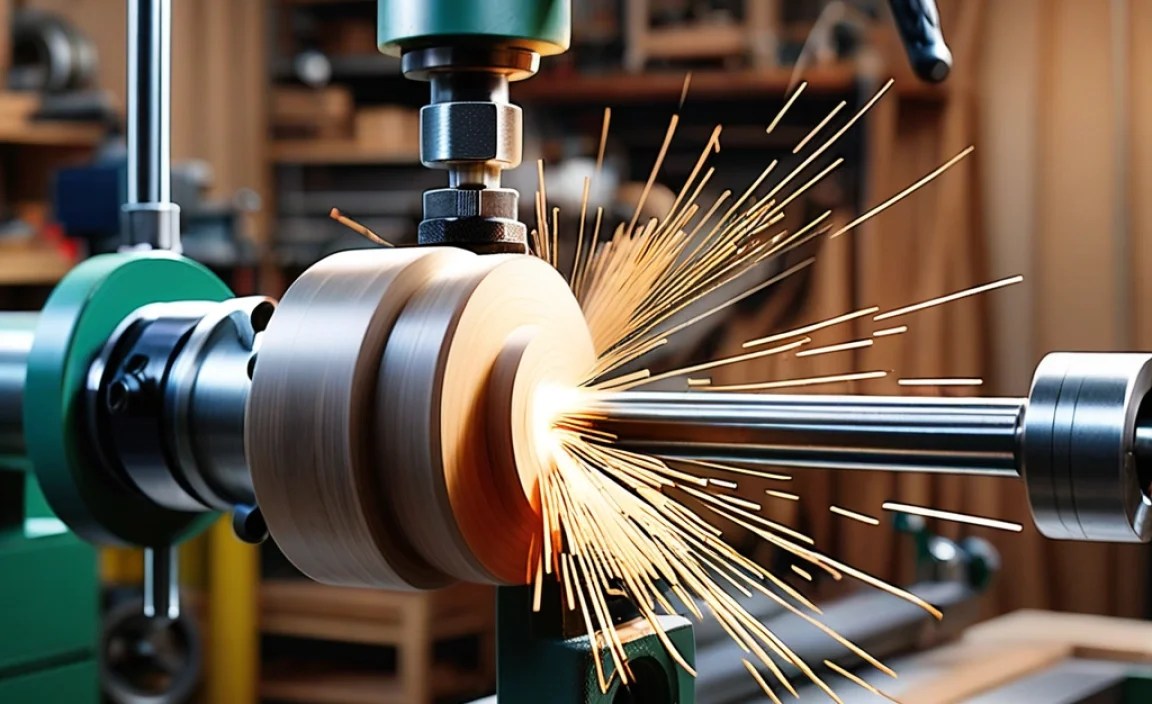
Wood lathe spindle threading is a fantastic way to add functionality and visual appeal to your turned projects. Whether you’re creating a threaded insert for a salt shaker, a lid for a box, or a decorative element, getting those threads clean and accurate is key. When things go wrong, it usually points to a few common culprits. Knowing these beforehand will help you diagnose and fix problems faster.
The main issues often boil down to:
- Stripped or Incomplete Threads: This happens when the cutting tool doesn’t engage properly or is set incorrectly, leaving behind rough or missing thread sections.
- Tool Jamming or Catching: The threading tool might dig in too deep, get stuck, or simply snag on the wood, interrupting the smooth cutting action.
- Inaccurate Thread Pitch: The distance between the threads might be too wide or too narrow, meaning mating parts won’t fit or will be too loose.
- Wood Tear-Out: Especially with softer woods or if the tool is dull, chunks of wood can break away, ruining the thread.
- Chasing Threads Not Aligning: If you need to recut threads, getting the chaser to perfectly follow the existing path can be tricky.
Essential Tools and Preparations for Success


Before you even think about cutting threads, having the right tools and preparing your workpiece are crucial. Think of it like setting up a good recipe – the ingredients and prep work make all the difference. For spindle threading on a wood lathe, here’s what you’ll need:
Your Tool Kit for Threading
- Thread Cutting Tool: This is your primary tool. Wood lathes use specialized thread-cutting tools, often with a carbide insert. They come in different pitches (e.g., 8 TPI, 10 TPI, 12 TPI – Threads Per Inch). A common choice for general projects is 10 TPI.
- Tool Rest: A sturdy tool rest that can be positioned correctly for your threading operation is vital. It needs to be stable and at the right height.
- Measuring Tools: A ruler or tape measure to mark your thread length, and perhaps a pair of calipers if you’re working to very precise dimensions.
- Marking Tools: A pencil or chalk to mark your starting and ending points for threading.
- Safety Gear: Always wear safety glasses and hearing protection. A dust mask is also a good idea.
- Chuck or Faceplate: To securely hold your workpiece.
- Sharpening Tools: If you’re using a conventional scraper-style threading tool, keeping it razor-sharp is non-negotiable. Carbide inserts are generally used as-is, but damaged ones should be replaced.
Preparing Your Workpiece
Proper preparation reduces a lot of potential problems:
- Select the Right Wood: Denser, tighter-grained hardwoods tend to thread better than softwoods. Woods like maple, cherry, or walnut are excellent choices.
- Turn a Clean Cylinder: Mount your wood securely and turn it into a perfectly straight cylinder. Any wobbles or imperfections will be magnified and can cause threading issues.
- Mark the Thread Length: Use a pencil or chalk to mark exactly where your threads will start and end. This helps you avoid over-cutting or under-cutting.
- Chamfer the Start: A slight chamfer at the beginning of your thread area helps the cutting tool engage smoothly.
- Determine Thread Depth: Understand how deep your threads need to be. This is usually dictated by the mating part you plan to use.
Step-by-Step Solutions for Common Spindle Threading Problems
Let’s dive into fixing those frustrating issues. We’ll break them down by the problem. Remember, patience is key when you’re learning!
Fix 1: Stripped or Incomplete Threads
This is often due to the tool not cutting cleanly or being set incorrectly. It means the thread profile isn’t being formed properly, leading to a rough or broken appearance.
Causes and Solutions:
- Tool Angle is Incorrect:
- Problem: The cutting edge of your threading tool needs to be set at the correct angle relative to the workpiece. If it’s too steep or too shallow, it won’t form the thread properly. For most spindle threading tools, the cutting edge should be almost perpendicular to the workpiece surface.
- Solution: Adjust your tool rest so the threading tool sits parallel to the bed and the cutting edge is at a 90-degree angle to the spindle. Many thread-cutting tools have specific angles or guides to help with this. Ensure the top of the tool handle is roughly level with the center of the spindle.
- Depth of Cut is Too Aggressive:
- Problem: Trying to remove too much material with each pass will overload the cutting edge and the wood, leading to tear-out and incomplete threads.
- Solution: Take lighter, shallower cuts, especially in the initial passes. Gradually increase the depth with each pass until you reach the desired thread depth. A common practice is to take several shallow passes rather than one deep one. Check depth frequently.
- Tool is Dull or Damaged:
- Problem: A dull or chipped cutting edge will scrape and tear the wood instead of cutting it cleanly.
- Solution: Ensure your cutter is sharp. For carbide inserts, inspect for chips or wear. If damaged, replace the insert. If using a scraper, hone it to a razor’s edge. Consult your tool manufacturer’s recommendations for maintenance.
- Wrong Threading Tool for the Job:
- Problem: Using a tool with the wrong thread pitch or profile for the wood hardness or the task can lead to poor results.
- Solution: Ensure you are using a threading tool specifically designed for wood and that its pitch (e.g., 10 TPI) matches your intended fit. Some tools are better suited for specific types of wood.
Fix 2: Tool Jamming or Catching
This is a very common and potentially dangerous issue. It happens when the tool digs too aggressively or momentarily gets stuck, especially at the end of a pass or at the start of a new one.
Causes and Solutions:
- Depth of Cut Too Deep (Again!):
- Problem: This is the number one cause of jamming. Trying to shave off too much material at once creates excessive resistance.
- Solution: Stick to very light, incremental cuts. It’s better to make 10 light passes than 2 aggressive ones. Feel the resistance; if it’s high, you’re cutting too deep.
- Improper Tool Rest Setup:
- Problem: If the tool rest is too high or too low, or not stable, the tool can catch. A tool rest too high will lift the cutter, too low will cause it to dig.
- Solution: Ensure the tool rest is positioned so the tool sits at the center line of the spindle and is parallel to the bed. Make sure the rest is snug and doesn’t move during the cut.
- Cutting Without a Lead Screw (or Similar Engagement):
- Problem: With some threading methods, especially using a hand-held tool without a guide, it’s easy for the tool to lose its engagement with the wood and jump.
- Solution: Use a threading jig or a tool with a built-in lead screw mechanism if your lathe supports it. For manual threading, you need to carefully control the tool’s advancement to match the spindle’s rotation. Some woodturners create chalk lines or marks to help guide them. Ensure you complete each pass fully from start to finish in one smooth motion.
- Wood is Too Green or Inconsistent:
- Problem: Very green or inconsistent wood has varying densities that can cause sudden changes in resistance, leading to the tool catching.
- Solution: Try to thread drier, more seasoned wood. If you must work with greener wood, be extra cautious with shallower cuts and ensure your tool is exceptionally sharp.
- Incorrect Tool Advancement:
- Problem: If you try to advance the tool using the lathe’s leadscrew (common in metalwork, less so easily done in woodworking without a specific setup) and it’s not synchronized, it will jam. Even with manual advancement, incorrect hand movements can cause this.
- Solution: For manual threading, practice advancing the tool smoothly and consistently with the rotation of the lathe. If you’re using a jig, ensure it’s properly engaged.
A helpful tip to prevent a full jam is to have your hand ready on the lathe’s belt pulley or motor switch to stop the machine immediately if you feel the tool snagging. Never force the tool!
Fix 3: Inaccurate Thread Pitch
This means the threads are either too far apart or too close together, so a matching nut or bolt won’t fit, or it fits too loosely to be useful.
Causes and Solutions:
- Using the Wrong Threading Tool:
- Problem: Simply using a tool with the wrong specified Pitch (TPI) will result in the wrong thread size.
- Solution: Double-check the TPI marking on your threading tool. Ensure it matches the requirement for your project. For example, if you need to thread a 1/2-inch diameter bolt that has 20 TPI, you need a tool that cuts 20 TPI.
- Incorrect Engagement with Leadscrew (if applicable):
- Problem: If you have a lathe with a leadscrew for threading and the engagement mechanism (like a half-nut) is not properly set for the correct pitch, it won’t follow the intended thread.
- Solution: Ensure your lathe’s threading gears or leadscrew engagement is set up to match the desired TPI. Refer to your lathe’s manual for specific instructions on setting pitches. (Note: Most wood lathes don’t have this built-in like metal lathes).
- Manual, Inconsistent Advancement:
- Problem: When threading manually, if your advancement per revolution of the workpiece is inconsistent, the pitch will vary along the spindle.
- Solution: This is the trickiest manual issue. Practice consistent feed rates. Some woodturners mark their workpiece with lines indicating the start and end of each thread pass to help maintain consistency. Use a steady hand and smooth motion.
- Tool Not Engaged at Center Height:
- Problem: If the tool is positioned too high or too low relative to the center of the spindle, it will affect the tooth profile and pitch.
- Solution: Always set your tool rest and threading tool so the cutting edge is precisely at the spindle’s center height. This is critical for forming threads correctly.
A good way to test pitch accuracy is to have a nut or a mating part ready. Try it on the threads periodically as you cut, but be careful not to damage them. Don’t force a nut on; it should thread on smoothly with gentle hand pressure.
Fix 4: Wood Tear-Out
This is when chunks of wood break away from the sides or edges of the threads, leaving a rough, damaged surface.
Causes and Solutions:
- Dull Tool:
- Problem: As mentioned, a dull tool scrapes and tears, not cuts.
- Solution: Keep your threading tool razor-sharp. This is paramount for clean cuts in wood.
- Wood Grain Direction:
- Problem: Cutting threads across the grain can sometimes lead to tear-out, especially with certain woods.
- Solution: Be aware of your wood grain. Sometimes, a slight adjustment in your cutting angle might help. However, for spindle threading, your tool angle is usually fixed. Focus on sharp tools and light cuts here.
- Depth of Cut Too Deep:
- Problem: Aggressive cuts exert more force, increasing the likelihood of the wood fibers breaking away rather than shearing cleanly.
- Solution: Take lighter passes. Allow the tool to shave off the wood rather than trying to plow through it.
- Wood Type:
- Problem: Softer woods, or woods with interlocking grain, are more prone to tear-out.
- Solution: For difficult woods, use extremely light cuts and ensure your tool is in perfect condition. Sometimes, a light mist of water can help some woods cut a bit cleaner, but be cautious with this method as it can affect wood stability.
- Workpiece Speed Too Slow:
- Problem: If the lathe is turning too slowly, the tool experiences more friction and pressure per inch of wood, increasing tear-out risk.
- Solution: Ensure your lathe speed is appropriate for the diameter of your workpiece and the material. Generally, a moderate speed is best for threading. Consult your wood lathe’s manual for recommended speed ranges.
Fix 5: Chasing Threads (Recutting)
Sometimes, you need to re-engage existing threads, perhaps to clean them up or to make them fit better. This is done with a thread chaser.
Causes and Solutions:
- Chaser Not Aligning with Existing Threads:
- Problem: The most common issue is that the chaser doesn’t perfectly “drop into” the existing groove, leading to multiple, overlapping threads, or a mashed appearance.
- Solution: This requires perfect synchronization. If you’re working on a large project, consider using a secondary pulley on the headstock that engages with your chaser’s mechanism, or a specialized threading jig that ensures perfect alignment. For simpler applications, it often comes down to practice and a steady hand. Ensure the chaser engages at the exact same point in the rotation as the original threading tool.
- Chaser Angle is Wrong:
- Problem: Like a cutting tool, the chaser’s angle needs to be correct to follow the thread form.
- Solution: Ensure the chaser is held at the correct angle relative to the workpiece, typically perpendicular to the thread’s helix.
- Excessive Force:
- Problem: Forcing the chaser will likely cause it to jump out of the groove and ruin the thread.
- Solution: Use gentle, steady pressure. You’re cleaning and reforming, not cutting new material.
- Lathe Speed Too High:
- Problem: Spinning the workpiece too fast makes it harder to control the chaser and ensure it drops into the existing threads smoothly.
- Solution: Slow down the lathe speed when chasing threads.
Table: Common Wood Lathe Spindle Threading Problems & Quick Fixes
Here’s a quick reference to help you troubleshoot:
| Problem | Most Likely Cause | Quick Fix |
|---|---|---|
| Stripped / Incomplete Threads | Tool angle wrong, Cut too deep, Dull tool | Adjust tool angle, Take lighter cuts, Sharpen/replace tool. |
| Tool Jamming / Catching | Cut too deep, Poor tool rest setup, Manual feed inconsistent | Lighten cuts, Ensure tool rest is secure & at center height, Practice smooth advancement. |
| Inaccurate Thread Pitch | Wrong TPI tool, Inconsistent manual feed | Verify TPI on tool, Practice steady rotation & feed. |
