Your wood lathe stand with storage is a game-changer for your workshop. It provides a sturdy, stable base for your lathe and keeps all your essential tools and accessories organized and easily accessible, boosting both efficiency and workspace neatness.
Is your workshop feeling a bit… cluttered? If you’ve recently acquired a wood lathe or are looking to get more out of your existing setup, you’ve likely noticed that these amazing machines can take up a surprising amount of space. And where do all those chisels, gouges, faceplates, and spare parts go? That’s where a well-designed wood lathe stand with storage comes in – it’s not just furniture; it’s a crucial upgrade for any serious woodturner. Taming the chaos of a busy workshop can feel like a constant battle, but with the right approach, you can create a functional, efficient, and inspiring space. This guide will walk you through why a specialized stand is so vital and how you can build or choose one that’s perfect for your needs.
Wood Lathe Stand With Storage: Essential Genius

As a machinist and tool enthusiast for decades, I’ve seen firsthand how the right setup can make all the difference. Whether you’re working with a robust metal lathe, a precision milling tool, or a versatile wood lathe, a stable foundation and smart storage are paramount. For woodturners, a dedicated stand for your lathe isn’t just about keeping your machine off the floor; it’s about ergonomics, safety, and maximizing your creative output. A generic workbench or a wobbly table just won’t cut it. Investing in a wood lathe stand with storage means investing in a more enjoyable and productive turning experience.
Think about it: when your lathe is vibrating and spinning, stability is king. A poorly built stand can transfer those vibrations, affecting the quality of your work and even posing a safety risk. Then there’s the accessory issue. Lathe tools, measuring devices, finishing supplies, and spare parts can quickly create a mountain of clutter. Without a designated place for everything, you’ll spend more time searching and less time turning. A wood lathe stand with storage tackles both these challenges head-on, offering a dedicated, stable platform and integrated solutions for keeping your workshop tidy and efficient.
This is where the “essential genius” comes in. It’s about recognizing that your workshop furniture isn’t just filler; it’s an integral part of your tool system. A great stand elevates your lathe, bringing it to a comfortable working height, and then doubles as a robust storage unit. We’ll explore the benefits, the different types of stands available, and what to consider when building or buying one specifically designed for your wood lathe. Get ready to transform your turning station from a source of frustration to a hub of creativity!
Why a Dedicated Wood Lathe Stand is a Must-Have

Let’s break down why settling for less isn’t ideal for your wood lathe setup. While it might seem like an added expense or effort, a specialized stand brings tangible benefits that impact your safety, the quality of your work, and your overall enjoyment of woodworking.
Stability and Vibration Control
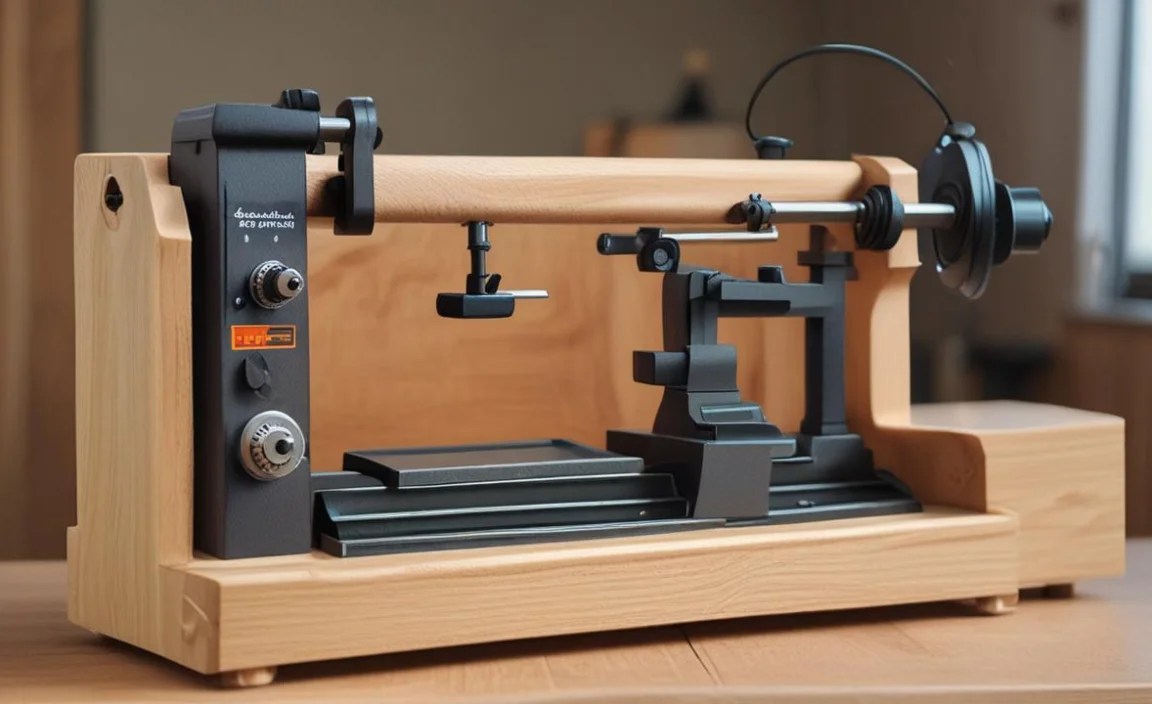
Wood lathes, especially when working with unbalanced or larger workpieces, can generate significant vibrations. A flimsy stand or a workbench not designed for this purpose will amplify these vibrations. This can:
- Cause chatter marks on your workpiece, ruining a smooth finish.
- Lead to inaccurate cuts, making it harder to achieve precise shapes.
- Contribute to tool wear and tear, as excessive shaking stresses both the lathe and your tools.
- Be downright annoying! Constant rattling makes it hard to concentrate.
A stout, well-built wood lathe stand, often constructed from heavy-duty materials like thick plywood, MDF, or even metal, is designed to absorb and dissipate these vibrations. This results in a much smoother turning experience and higher quality finished pieces. Think of it like the foundation of a house – a strong base is critical for everything built upon it.
Ergonomics and Working Height
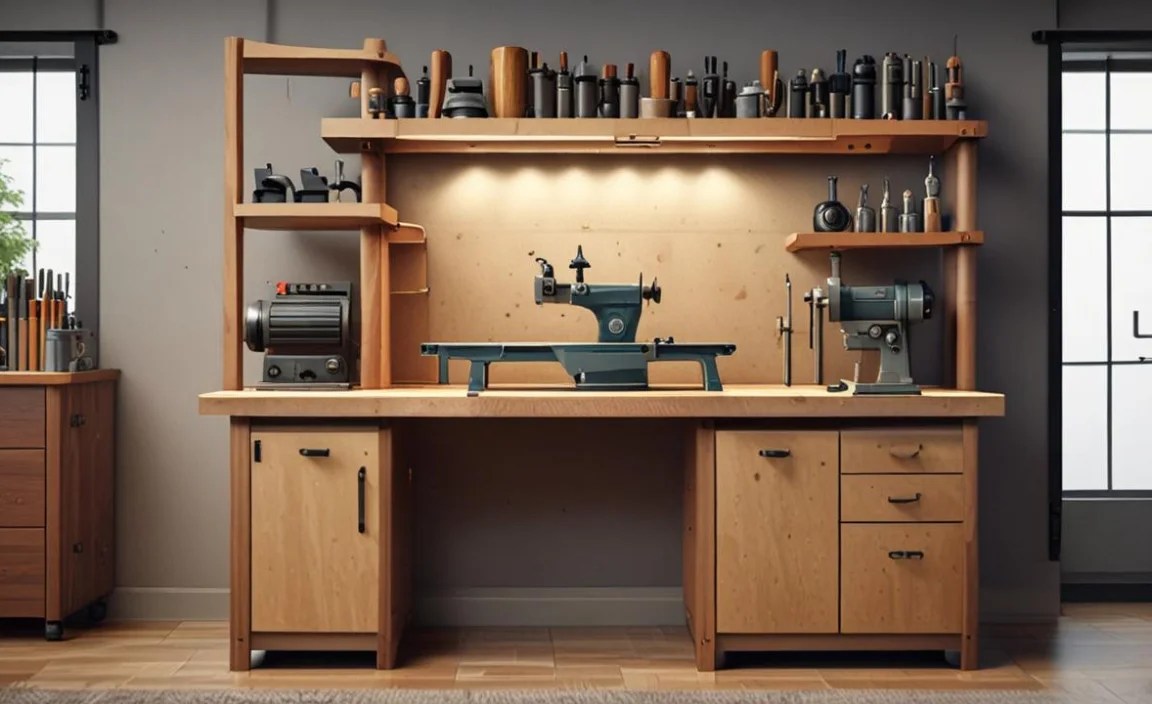
Positioning your lathe at the correct height is crucial for comfortable and safe operation. Standing too low or too high for extended periods can lead to back strain, neck pain, and general fatigue. A dedicated stand is typically engineered to bring the lathe’s spindle to an optimal working height for the average user. This allows you to:
- Maintain a relaxed posture, reducing physical stress.
- Have a clear view of your work without craning your neck.
- Improve your control over the tools and the workpiece.
Good ergonomics isn’t just about comfort; it’s about preventing long-term injuries and allowing you to work for longer periods, productively. Many stands also offer features like adjustable leveling feet, ensuring your lathe is perfectly plumb even on uneven workshop floors.
Optimized Tool and Accessory Storage
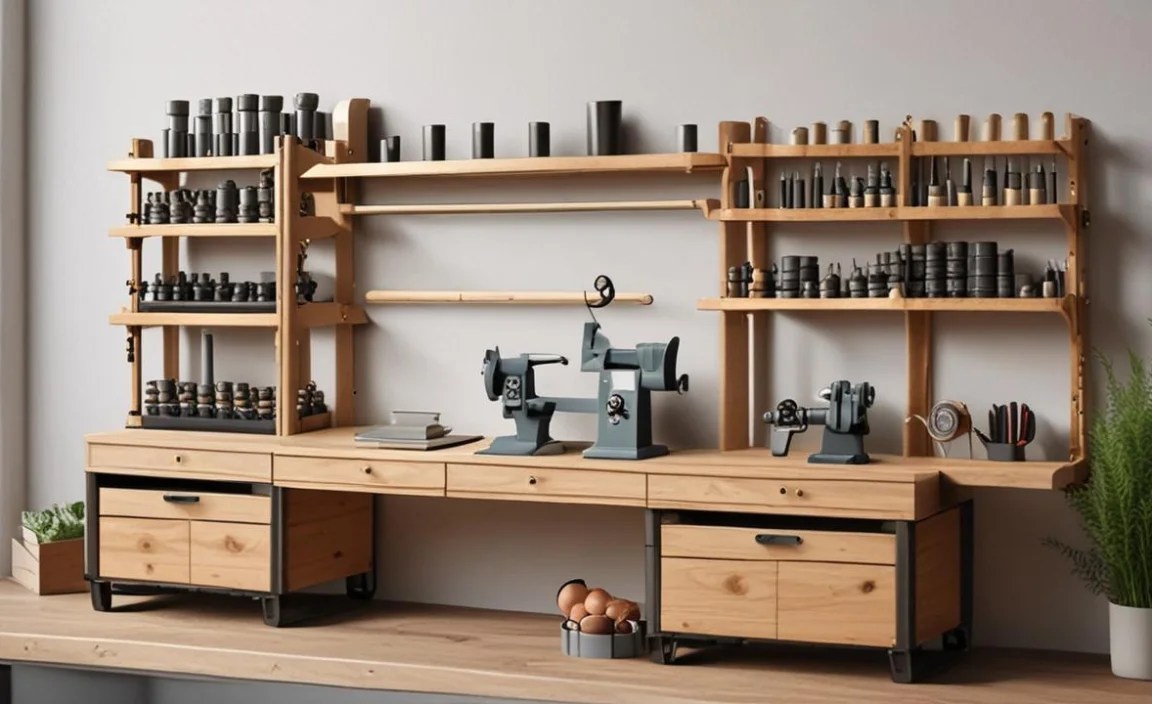
This is where the “storage genius” truly shines. A wood lathe stand with integrated storage is designed to hold all the items you need close at hand:
- Tool Drawers and Cabinets: Perfect for storing your valuable set of gouges, chisels, scrapers, parting tools, skews, and other turning implements. These keep them organized, protected, and easily visible.
- Shelves: Ideal for larger items like faceplates, chuck jaws, vacuum adapter systems, safety equipment (face shields, dust masks), and sandpaper.
- Compartments or Bins: Great for smaller items like drive centers, live centers, measuring tools, pencils, and finishing supplies (oils, waxes, sealants).
- Tool Rests: Some designs incorporate dedicated holders for extra tool rests or specialized attachments.
Having everything accessible means less time hunting for tools, less risk of leaving sharp tools lying around precariously, and a much tidier workspace. A clean workshop is a safe workshop and a more inspiring place to create.
Dedicated Footprint and Portability
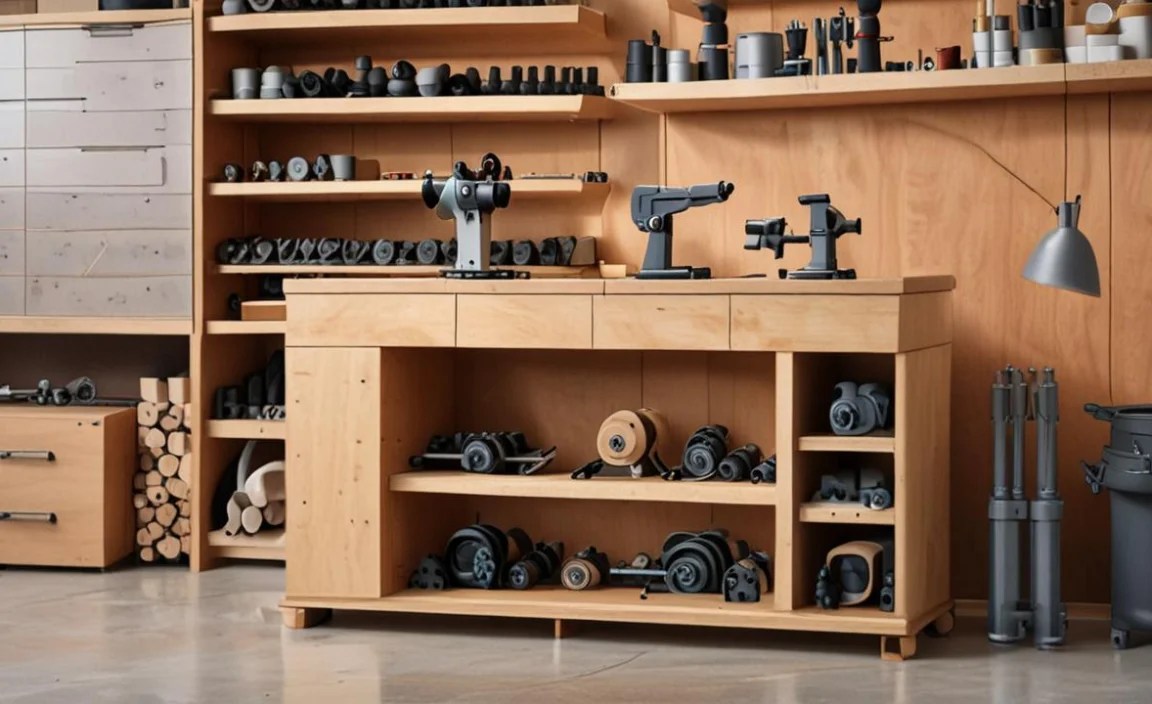
A purpose-built stand provides a defined footprint for your lathe. This helps you plan your workshop layout more effectively. Many stands, especially those designed for smaller or benchtop lathes, incorporate heavy-duty casters. This allows you to easily move your lathe to a different location for better lighting, dust collection, or to clear space for other projects. Even if your stand is stationary, its solid construction ensures it’s not easily knocked around, maintaining that crucial stability.
Aesthetic and Professionalism
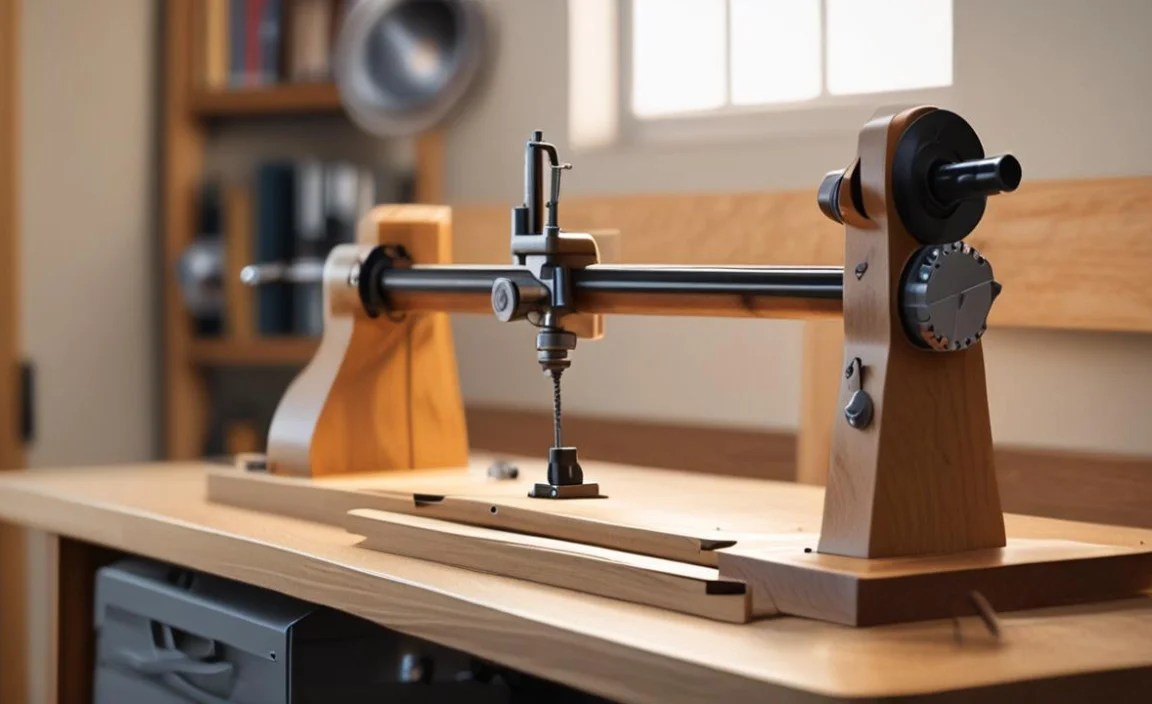
Let’s be honest, a well-designed stand can also make your workshop look more professional and organized. It visually anchors the lathe, making it a focal point rather than a collection of parts. It signals a serious approach to your craft, which can be inspiring and boost your confidence.
Types of Wood Lathe Stands with Storage

When looking for a stand, you’ll encounter a few main types, each with its own advantages. Understanding these will help you choose the best fit for your lathe, your space, and your budget.
The Heavy-Duty Cabinet Stand

This is often the most robust option, resembling a heavy-duty toolbox or cabinet. They are typically made from thick M.D.F. or plywood, sometimes with welded steel frames for ultimate rigidity.
- Pros: Exceptional stability, ample drawer and cabinet space, often includes locking mechanisms for security, looks very professional.
- Cons: Can be very heavy and difficult to move, usually the most expensive option, may be overkill for smaller lathes.
- Best for: Larger, heavier lathes; users prioritizing maximum storage and stability; workshops where the lathe isn’t frequently moved.
The Open-Frame with Shelving Stand
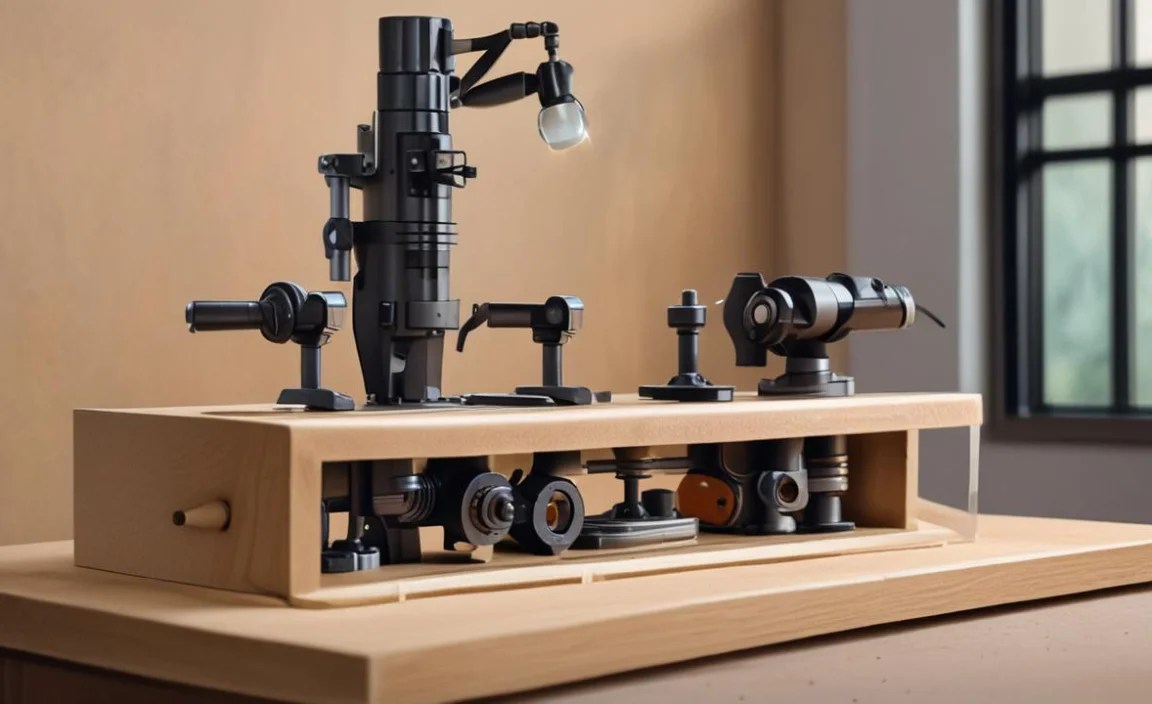
These stands typically feature a sturdy metal or thick wood frame with multiple open shelves. Storage is usually in the form of these accessible shelves.
- Pros: Good stability, easy access to items on shelves, generally less expensive than cabinet stands, can be easier to assemble.
- Cons: Less protection for tools from dust and damage, may require adding bins or boxes to keep smaller items organized, often requires some DIY to add drawers if desired.
- Best for: Users who prefer open access; those who will use bins and containers for organization; mid-sized lathes.
The DIY Built-in Stand/Cabinet
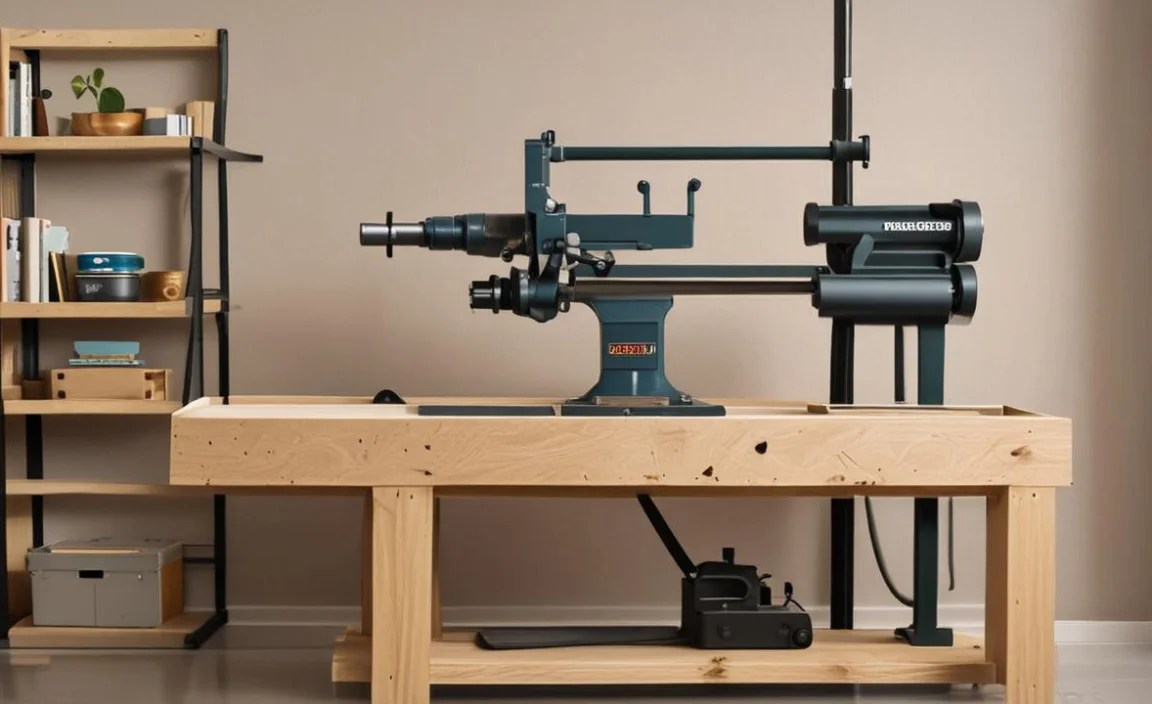
Many woodworkers opt to build their own stand, tailoring it perfectly to their lathe and workshop dimensions. This often involves a sturdy cabinet base, sometimes with drawers, and a robust top to mount the lathe.
- Pros: Can be customized to exact specifications, potentially very cost-effective if you have scrap materials, a rewarding project in itself, can incorporate specific storage solutions.
- Cons: Requires woodworking skills and tools, time investment, potential for errors if not carefully planned.
- Best for: Those who enjoy building furniture/shop improvements, users with specific space constraints, budget-conscious makers, finding plans on reputable sites like Popular Mechanics can be a great starting point.
The Benchtop Lathe Pedestal Stand

Some smaller or benchtop lathes are designed to be mounted on a dedicated pedestal stand, which itself might sit on a workbench or have its own small footprint.
- Pros: Compact, specifically designed for smaller lathes, can offer modest storage like a small shelf or two.
- Cons: Limited storage capacity, may not offer the same level of vibration damping as larger stands.
- Best for: Very small benchtop lathes, hobbyists with limited space and smaller projects.
Key Features to Look For in a Wood Lathe Stand with Storage

When you’re ready to select or build, keep these critical features in mind:
Sturdiness and Weight
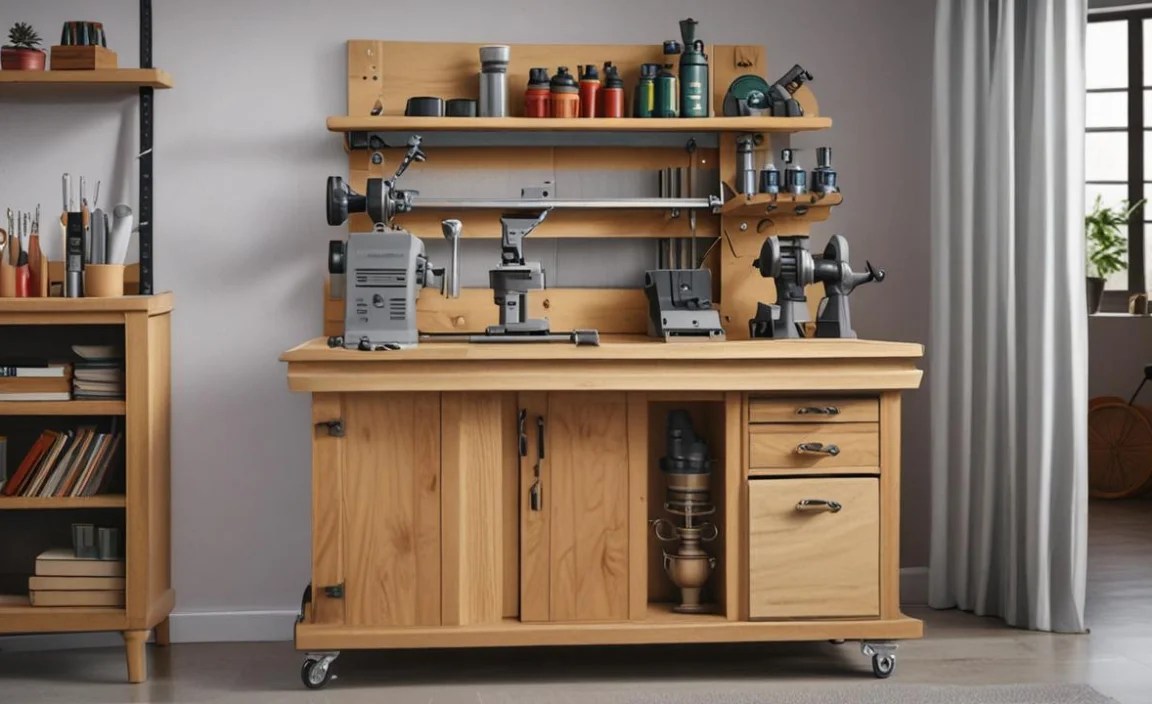
This is non-negotiable. The stand needs to be heavy and rigid enough to counteract the forces generated by the lathe. Materials like 3/4-inch plywood, 1-inch MDF, or steel tubing are excellent choices. Avoid stands made from thin particleboard or flimsy metal frames.
Dimensions and Footprint
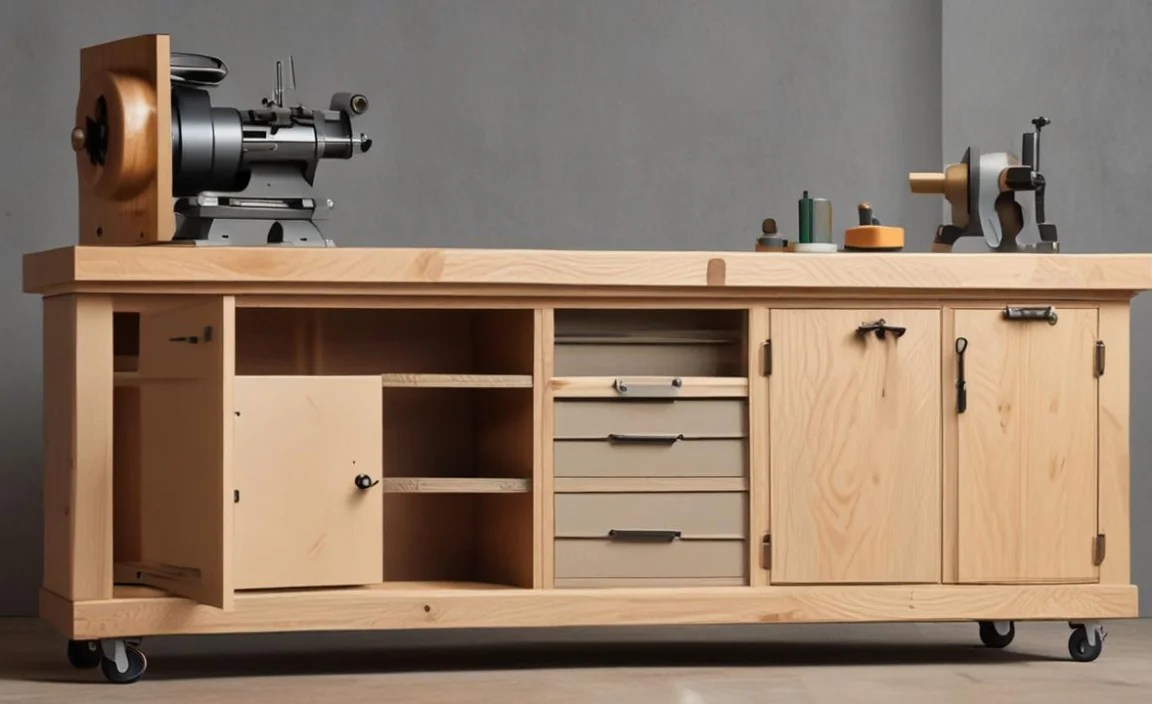
Ensure the stand is appropriate for the size and weight of your specific lathe. Check the mounting hole patterns if you’re buying a standalone stand. The footprint should be small enough for your workshop but large enough to offer stability. Consider the overall height to ensure ergonomic comfort.
Storage Capacity and Layout
Think about what you need to store. Do you have a large collection of turning tools that need dedicated slots? Do you have jars of finishes or stacks of sandpaper? A good stand will have a thoughtful layout, perhaps a combination of drawers of varying depths, open shelving, and secure compartments.
Ease of Assembly/Construction
If you’re buying, check reviews on how easy it is to assemble. If you’re building, choose a design that matches your skill level. Simple, robust construction is often better than overly complex designs.
Portability (Optional but desirable)
If you anticipate moving your lathe, look for a stand with high-quality, lockable casters designed to support significant weight. True industrial-grade casters are a worthwhile upgrade for any mobile stand.
Leveling Capabilities
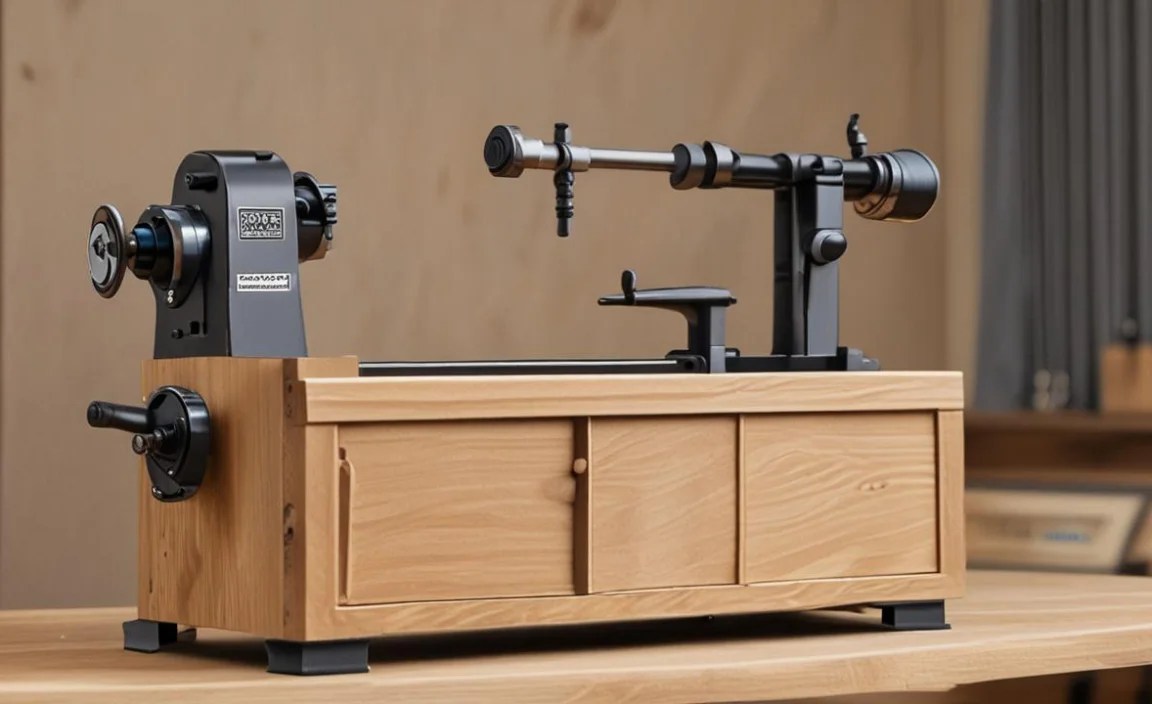
For stationary stands, adjustable leveling feet are important for ensuring the lathe is perfectly level and stable, even on an imperfect floor. This is vital for preventing vibrations and ensuring accurate turning.
Siemens recognizes the importance of stability and precision across all manufacturing processes, and this principle extends directly to your woodworking. A stable lathe means more precise cuts.
Building vs. Buying: A Practical Comparison
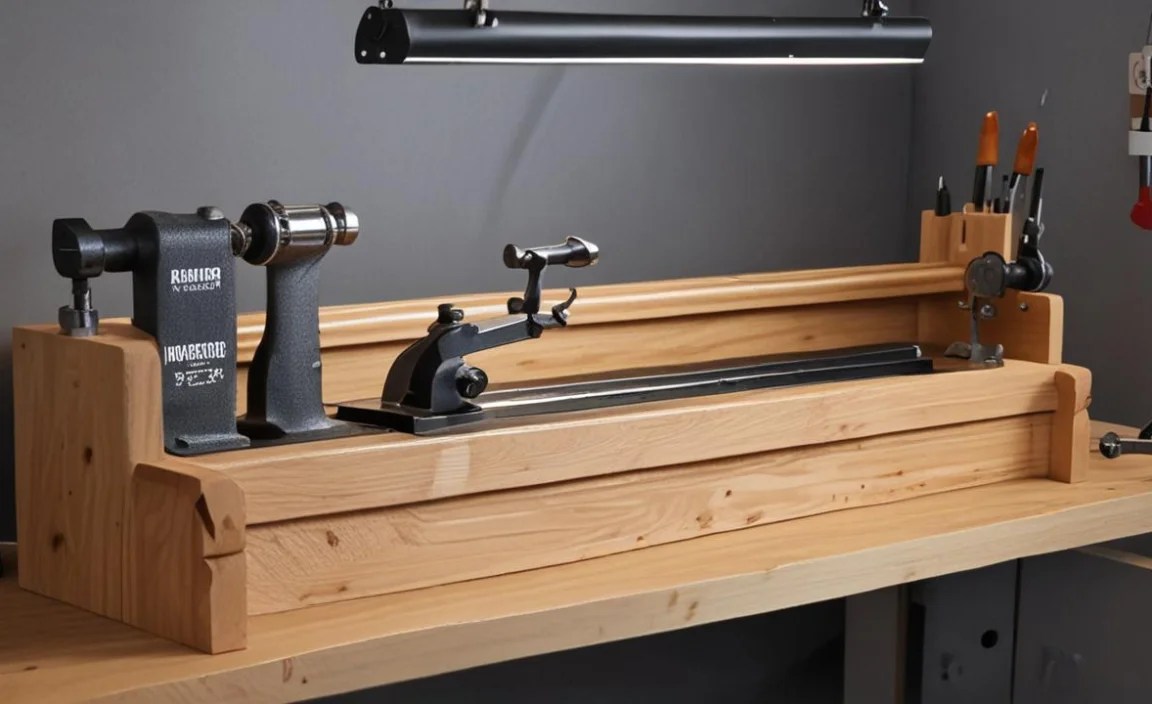
This is a common dilemma for workshop enthusiasts. Both options have merit.
Buying a Stand
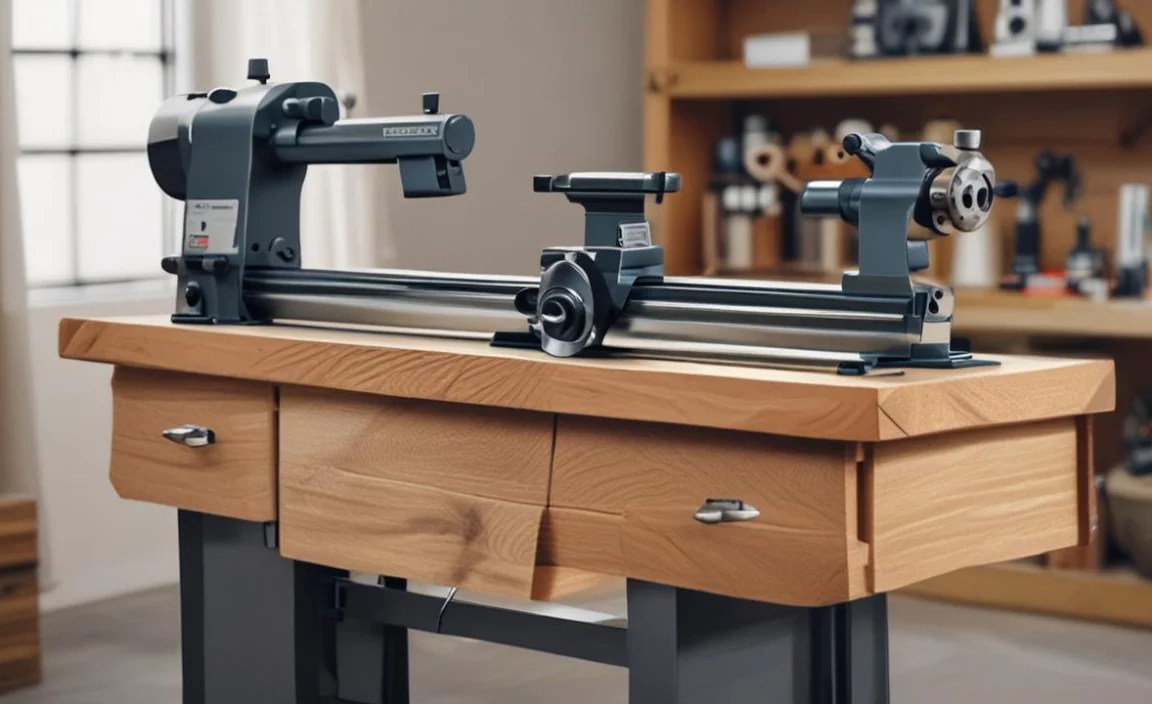
Pros:
- Saves significant time.
- Often engineered for specific lathe models.
- Can come with professional finishes and features like integrated dust ports.
- Good for those less confident in their woodworking abilities.
Cons:
- Can be expensive, especially for high-quality cabinet-style stands.
- May not perfectly match your specific storage needs or workshop layout.
- Assembly can sometimes be tedious or frustrating if instructions/parts aren’t ideal.
Building a Stand
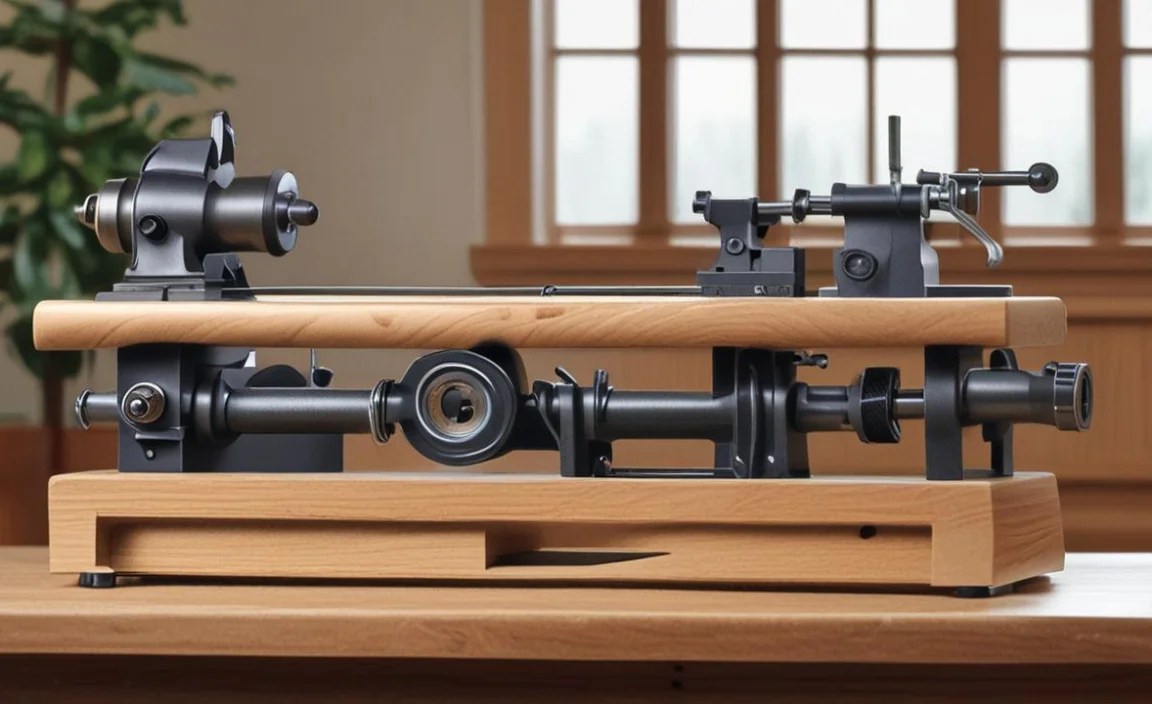
Pros:
- Highly customizable – you design it precisely to your needs.
- Can be very cost-effective, especially if using salvaged materials or standard plywood/MDF.
- A rewarding woodworking project that improves your skills.
- You control the quality of materials and construction.
Cons:
- Requires time, woodworking tools, and skills.
- If not well-designed or constructed, it might lack stability or longevity.
- May not look as polished as a commercially manufactured unit unless significant finishing effort is applied.
For many, a hybrid approach works well: buy a basic, sturdy open-frame stand and then build custom drawers or cabinet inserts to fit its dimensions. This combines the speed of buying with the customization of DIY.
DIY Wood Lathe Stand with Storage: A Basic Plan Concept
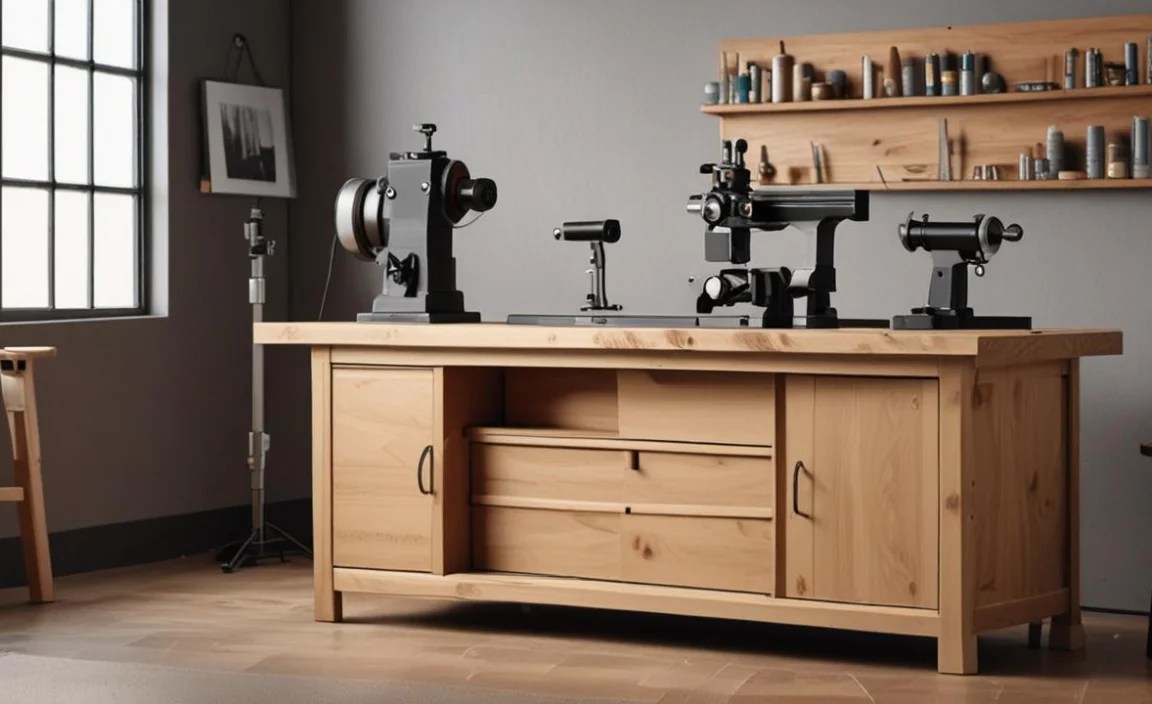
If you’re leaning towards building your own, here’s a conceptual outline for a robust cabinet-style stand. You’ll want to find detailed plans online that match your lathe’s footprint and your preferred aesthetic. Websites like Instructables are treasure troves for DIY shop projects.
Materials You’ll Likely Need:
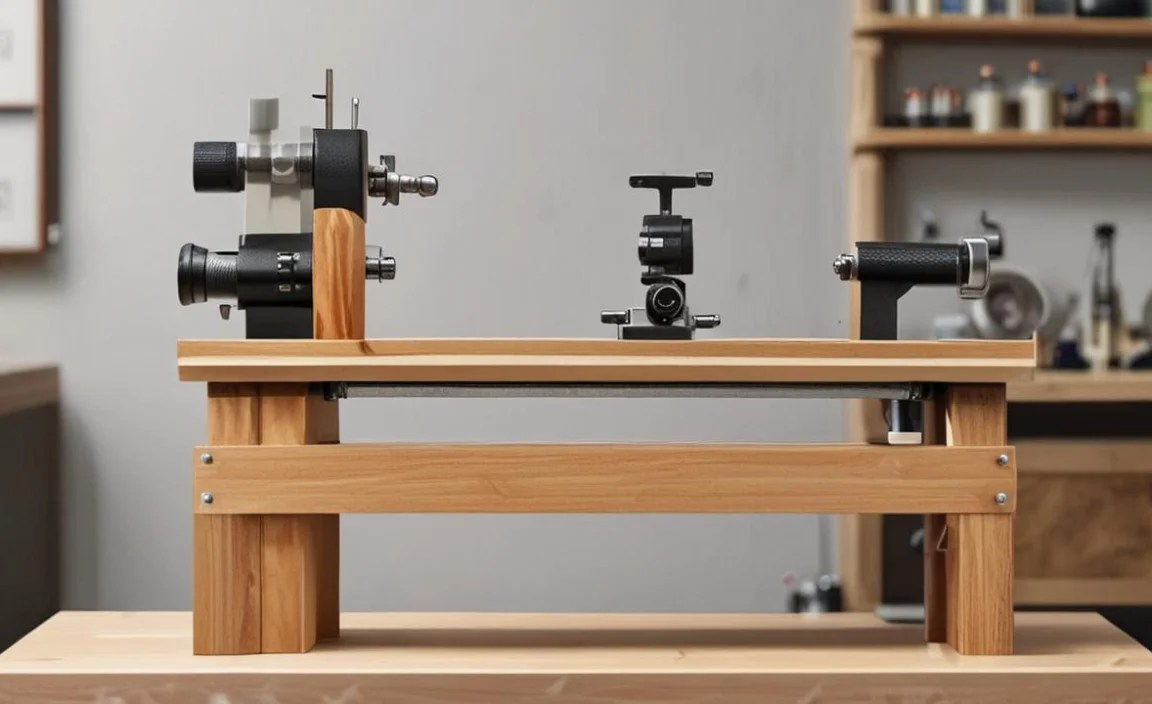
- 3/4-inch high-quality plywood (Baltic birch is excellent, but good cabinet-grade ply will also work)
- 1/4-inch plywood or hardboard for drawer bottoms and cabinet backs.
- Wood screws (e.g., 1 1/4-inch and 2-inch)
- Wood glue
- Drawer slides (heavy-duty ball-bearing slides are recommended)
- Cabinet hinges
- Optional: Casters, leveling feet, door catches, drawer pulls/knobs, finishing supplies (paint, varnish).
Basic Construction Steps:
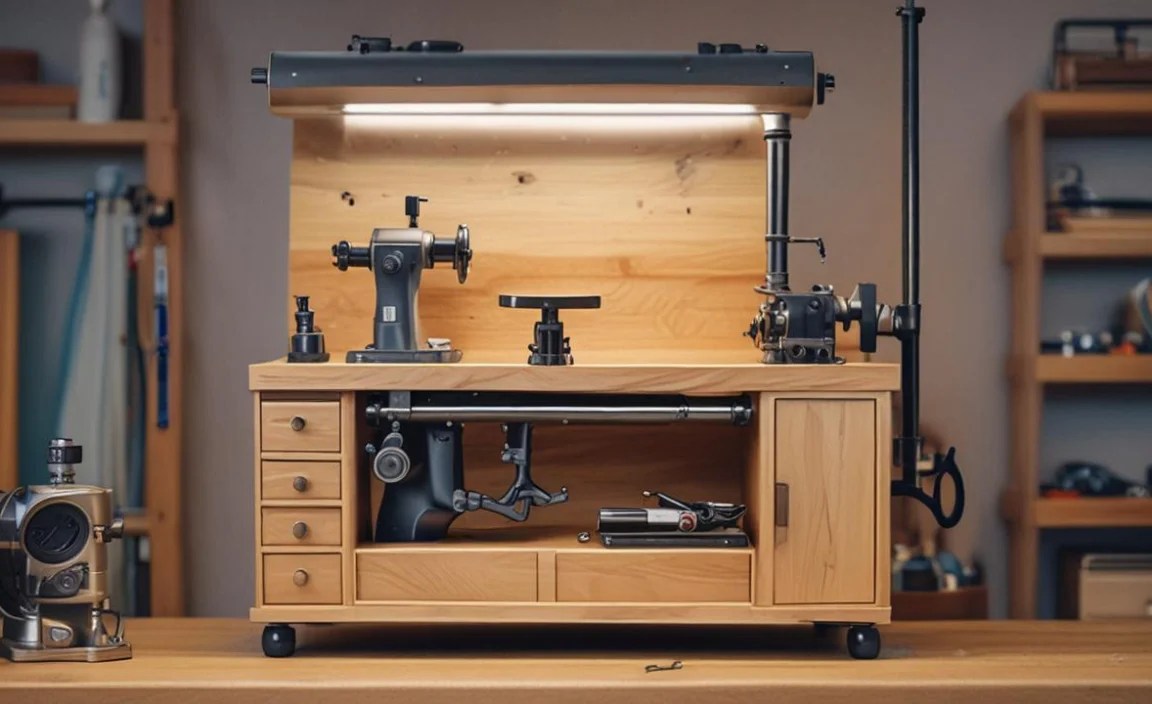
- Design and Measure: Accurately measure your lathe, noting its mounting bolt pattern and overall size. Decide on the desired height and the dimensions for your cabinet base. Sketch out your design, including the number and size of drawers and cabinet doors.
- Cut Plywood Panels: Based on your design, cut the main panels for the cabinet base: sides, top, bottom, and any internal dividers. Accuracy here is key for a square and stable structure.
- Assemble the Cabinet Box: Using wood glue and screws, assemble the main cabinet structure. Ensure all joints are square and tight. For extra rigidity, consider using pocket holes or dado joints if you have the tools.
- Build and Install Drawer Slides: Construct the drawers. This involves cutting drawer sides, fronts, backs, and bottoms. Attach the drawer slides to the sides of the cabinet opening and to the sides of the drawers themselves, following the manufacturer’s instructions carefully.
- Install Drawer Boxes: Slide the assembled drawers into their respective openings. Test their movement – they should glide smoothly without binding.
- Build and Install Cabinet Doors (if applicable): Construct and attach simple cabinet doors using your chosen hinges. Ensure they align properly and operate smoothly. Install door catches.
- Create the Top Support: The top surface of your stand needs to be exceptionally strong and flat. This might be a single thick piece of plywood or multiple layers laminated together. Ensure it has pre-drilled holes to mount your lathe securely, matching its base.
- Mounting the Lathe: Carefully place your lathe onto the completed stand. Bolt it down securely using appropriate hardware.
- Add Finishing Touches: Install drawer pulls, sand any rough edges, and apply your preferred finish (paint, varnish, or epoxy coating for durability). If adding casters, ensure they are rated for the total weight and are securely bolted to the base.
A great resource for inspiration and detailed plans can be found through woodworking magazines and online communities. Always prioritize safety and accuracy in your build.
Essential Accessories for Your Lathe Stand Setup
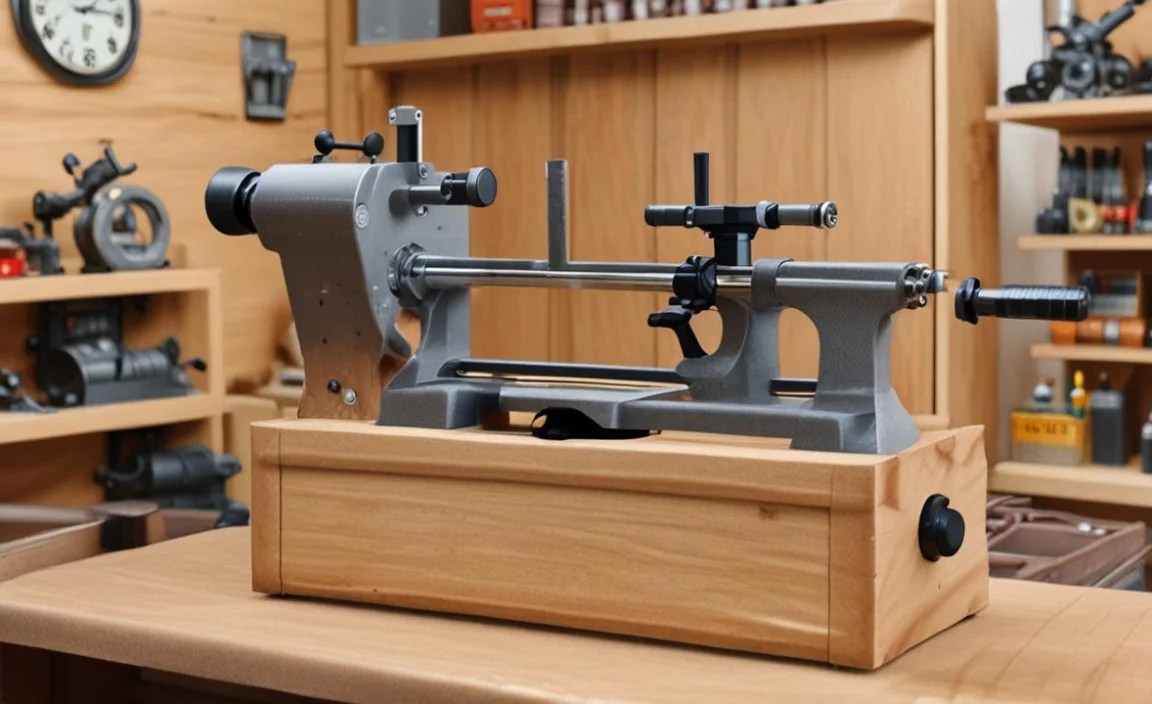
Beyond the stand itself, a few accessories can enhance your woodworking lathe experience:
- Tool Organizers: Foam inserts for drawers, custom-made wooden tool caddies, or specialized lathe tool racks can keep your sharp tools perfectly stored and protected.
- Drawer Liners: Prevent tools from sliding around and protect drawer bottoms.
- Magnetic Tool Holders: Useful for attaching small metal items like pencils, rulers, or even small wrenches to the side of the stand or back of the lathe.
- Dust Collection: While not part of the stand itself, consider how your stand placement might affect dust collection. Some stands can integrate dust ports. A good shop vacuum and hose management system are vital.
- Bench Dogs and Clamps: If your stand has a flat portion or you have an attached workbench, these are always useful for holding work or even components of the stand itself during assembly.
