Your perfect wood lathe starter chisel set makes turning easier and safer. This guide helps you choose the right set, focusing on essential tools for beginners to build confidence and create beautiful projects.
Starting with a wood lathe can feel a bit daunting, especially when it comes to choosing the right tools. You’ve got your lathe, you’re excited to make something, but then you see all those chisels and wonder, “Which ones do I actually need?” It’s a common frustration for new woodturners. Getting the right starter set means you’ll spend less time wrestling with the wrong gear and more time creating beautiful wood pieces. This guide cuts through the confusion, showing you exactly what to look for in a beginner-friendly wood lathe starter chisel set. Let’s get you turning with confidence!
Why the Right Starter Chisel Set Matters
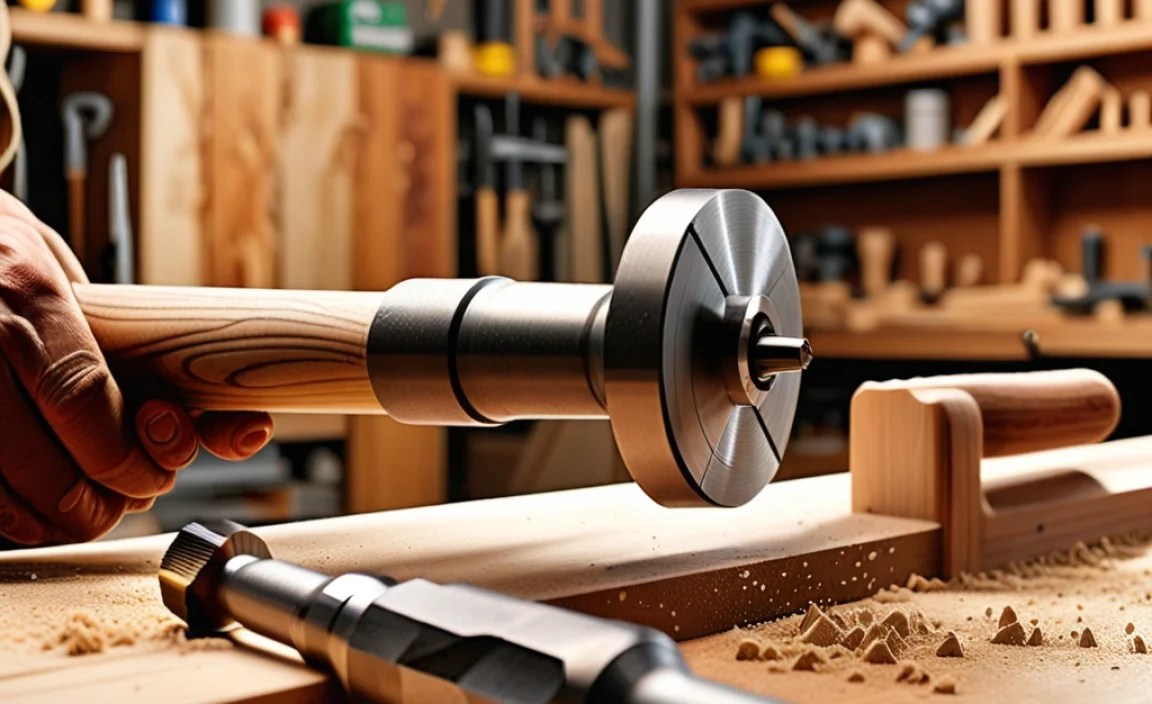
Choosing the right wood lathe starter chisel set isn’t just about having tools; it’s about having the right tools to learn effectively and safely. A well-chosen set allows you to explore various techniques without feeling overwhelmed. It provides the foundation for creating bowls, spindles, and other woodturned items with greater ease and precision. Investing in a good starter set saves you frustration and money in the long run by avoiding cheap, ineffective tools that can hinder your progress and even be unsafe. Think of it as your essential toolkit for unlocking your creative potential on the lathe.
Essential Chisels in a Starter Set

When building or buying your first wood lathe chisel set, focus on a few key types that cover the most common turning tasks. These are the workhorses you’ll reach for again and again as you learn.
1. The Spindle Gouge
This is arguably the most versatile chisel in a starter set. A spindle gouge is designed for shaping spindles, which are typically longer, thinner pieces of wood. It’s great for general-purpose shaping, cutting beads, and coves on spindle work. For beginners, a 3/8-inch or 1/2-inch spindle gouge is a fantastic starting point.
Key Features:
- U-shaped flute for efficient wood removal.
- Good for shaping and detail work.
- Essential for spindle turning.
2. The Bowl Gouge
If you’re aiming to turn bowls, a bowl gouge is indispensable. They have a deeper flute than spindle gouges and are designed for hollowing out material and shaping the exterior of bowls. A 1/2-inch or 5/8-inch bowl gouge is ideal for a starter set, offering a good balance of cutting power and control.
Key Features:
- Deeper flute for scooping out wood.
- Excellent for bowl interior and exterior shaping.
- Can also be used for some spindle work.
3. The Roughing Gouge
This tool makes quick work of reducing a square blank to a rough cylinder. It’s the first tool you’ll often use when starting a new project, especially for larger pieces. Its robust design allows you to quickly remove bulk material, saving you a lot of time. A 3/4-inch or 1-inch roughing gouge is a solid choice for a beginner set.
Key Features:
- Broad, heavy-duty design.
- Fast material removal for initial shaping.
- Crucial for starting large or square blanks.
4. The Skew Chisel
The skew chisel is a bit more advanced but crucial for achieving smooth cylinders and planing cuts. It has a flat, beveled edge that can be used at different angles to shear the wood. While it has a learning curve, mastering the skew will elevate your finishing work significantly. A 1/2-inch or 3/4-inch skew is a good size to begin with.
Key Features:
- Flat bevel for planing and smoothing.
- Can create very smooth surfaces.
- Requires practice to master different cuts.
5. The Parting Tool
This is a narrow chisel used to cut a deep, narrow groove, typically for separating finished pieces from the waste block or for creating decorative grooves and tenons for chuck mounting. A 1/4-inch or 3/8-inch parting tool is standard for starter sets.
Key Features:
- Deep, narrow cut.
- Used for separating pieces and creating details.
- Essential for tenons and parting off work.
6. The Scraper (optional but recommended)
While not technically a chisel, a scraper is very useful for smoothing the inside of bowls and other convex shapes, especially for woods that tend to tear out. A round or oval scraper can be a helpful addition to your starter set.
Key Features:
- Used to burnish and smooth surfaces.
- Effective on difficult-to-turn woods.
- Often used for inside bowl finishing.
What to Look for in a Wood Lathe Starter Chisel Set

When you’re ready to buy, consider these factors to ensure you get a quality set that will last and perform well.
Material Quality
The steel is paramount. Look for chisels made from high-speed steel (HSS). HSS holds an edge longer than carbon steel, meaning you’ll have to sharpen them less often, which is a huge advantage for beginners. Higher grades of HSS, like M2 or M42, offer even better edge retention.
Handle Comfort and Ergonomics
You’ll be spending a lot of time holding these tools. Comfortable handles can reduce fatigue and improve control. Many starter sets come with wooden or resin-infused handles. Some woodturners prefer Ergo-style handles for added comfort, especially for longer turning sessions.
Blade Grind and Shape
Starter set chisels usually come pre-ground, which is convenient. However, pay attention to the grind angles. For spindle gouges, a standard grind is fine. Bowl gouges might come with a “swept-back” grind, which helps a lot with undercutting. Ensure the shapes are consistent and the bevels are reasonably sharp out of the box.
Brand Reputation and Reviews
Do a little research on brands known for quality woodturning tools. Reputable brands often use better steel and have more consistent manufacturing. Read reviews from other woodturners, especially beginners, to gauge the performance and durability of specific sets. Websites like Woodworker’s Journal and forums can be great resources.
Number of Pieces in the Set
Starter sets typically range from 3 to 6 pieces. For most beginners, a set with a spindle gouge, a bowl gouge, a roughing gouge, and a parting tool will cover 80-90% of initial needs. Avoid sets with too many specialized tools you won’t use immediately.
Recommended Wood Lathe Starter Chisel Sets (Representative Examples)

While specific models and availability change, here are some types of sets and brands often recommended for beginners. This isn’t an exhaustive list, but it gives you an idea of what’s out there.
| Set Name/Type | Typical Pieces | Key Chisels Included | Pros | Cons |
|---|---|---|---|---|
| Basic 5-Piece Set | 5-6 | Spindle Gouge, Bowl Gouge, Roughing Gouge, Parting Tool, Skew Chisel | Covers most essential turning tasks. Good value for the number of tools. | May have basic steel quality; handles might be simple. |
| Premium Beginner Set | 4-5 | High-quality HSS Spindle Gouge, Bowl Gouge, Roughing Gouge, Parting Tool | Excellent steel quality for better edge retention. Comfortable handles. | Higher price point. |
| Individual Tool Purchase | N/A | Hand-picked by user (e.g., one good Spindle Gouge, one good Bowl Gouge) | Allows customization and focus on tool quality. | Potentially more expensive initially; requires more research upfront. |
Sharpening Your Starter Chisels: A Crucial Skill

Even the best chisels become useless if they aren’t sharp. Learning to sharpen your tools is as important as choosing them. Sharp chisels cut cleanly, require less effort, and are much safer to use.
Tools for Sharpening
- Grinding Wheel or Grinder: A bench grinder with a slow-speed grinder attachment or a dedicated carbide dresser is ideal. Alternatively, diamond stones can be used for sharpening.
- Sharpening Jig: Essential for maintaining consistent bevel angles. Various types are available, often designed to hold specific gouge shapes.
- Honing/Stropping Materials: Leather strop, honing compounds (like aluminum oxide or diamond paste), and fine-grit sandpaper can be used for final honing.
The Sharpening Process (Simplified)
- Set Up: Ensure your grinder is set up correctly with water cooling if using a wet grinder. For dry grinding, don’t overheat the steel.
- Find the Bevel: Position the chisel so you’re grinding on the existing bevel. For gouges, you’ll typically rest the tool on the grinder rest and rotate it to grind the flutes.
- Grind Systematically: Use a sharpening jig to maintain the correct angle. Grind until a small burr forms along the edge. This indicates you’ve ground through to the edge.
- Hone the Edge: Move to your strop or a finer abrasive. Carefully stroke the bevel against the stropping material to remove the burr and polish the edge.
- Test: A sharp chisel will easily shave thin slivers of paper or pare end grain with light pressure.
For detailed guidance on sharpening different types of chisels, resources like those from US Forest Service on wood technology can offer excellent visual guides and techniques.
Putting Your Starter Set to Work: First Projects
Once you have your sharp chisels, it’s time for some practice! Start with simple projects to build your muscle memory and confidence.
1. Making a Simple Cylindrical Spindle
This project focuses on using the roughing gouge to turn a square blank into a cylinder and the spindle gouge or skew for smoothing. It’s a fundamental skill for all lathe work.
- Step 1: Mount a square blank on the lathe.
- Step 2: Use the roughing gouge to turn the blank into a basic cylinder, working from the center outwards.
- Step 3: Use the spindle gouge or skew chisel to refine the shape into a consistent cylinder.
- Step 4: Practice making shallow beads and coves.
2. Turning a Basic Bowl
Even a small, simple bowl is a great learning experience for using the roughing gouge, bowl gouge, and parting tool.
- Step 1: Mount a round or square blank. If square, use the roughing gouge to round it.
- Step 2: Use the bowl gouge to hollow out the inside of the bowl, working from the center outwards.
- Step 3: Shape the exterior of the bowl with the bowl gouge.
- Step 4: Use the parting tool to cut a recess for chuck mounting (tenon).
- Step 5: Part off the finished bowl, leaving the tenon on the waste piece for now.
3. Creating Simple Beads and Coves
These decorative elements are created with spindle gouges and sometimes scrapers. Practicing them on scrap pieces helps develop control and understanding of how the wood interacts with the tool.
Safety First! Using Your Wood Lathe Chisels
Woodturning involves rotating sharp tools at high speeds, so safety is paramount. Always prioritize safe practices. The Occupational Safety and Health Administration (OSHA) provides general guidelines for workshop safety that apply here.
Essential Safety Gear:
- Eye Protection: Always wear safety glasses or a full face shield. Wood chips and dust can fly off unexpectedly.
- Dust Mask/Respirator: Wood dust can be harmful. Wear appropriate respiratory protection, especially for longer turning sessions or when sanding.
- Hearing Protection: Lathes can be noisy. Earplugs or earmuffs are recommended.
- No Loose Clothing: Avoid baggy sleeves, jewelry, or anything that could get caught in the rotating lathe.
Safe Tool Handling Practices:
- Sharp Tools: As mentioned, dull tools are dangerous. They require more force, leading to slips.
- Secure Your Workpiece: Ensure your blank is properly secured between centers or in a chuck.
- Stand to the Side: Never stand directly in front of the spinning workpiece. Stand to the side, where you can see the tool engagement but are out of the direct path of potential blowouts.
- Tool Rest Placement: Position the tool rest close to the workpiece (about 1/8 inch away) and at the correct height. For most turning, it should be slightly below the center line of the spindle gouge and slightly above for bowl gouges and skews.
- Appropriate Cuts: Understand how to use each tool and make controlled cuts. Don’t force the tool.
- Shut Off the Lathe: Always turn off the lathe when making adjustments, measuring, or changing tools.
Frequently Asked Questions About Wood Lathe Starter Chisel Sets
What are the absolute must-have chisels for a beginner woodturner?
For a beginner, the most crucial chisels are a spindle gouge (for general shaping of spindles), a bowl gouge (for bowls), a roughing gouge (for initial rounding of blanks), and a parting tool (for cutting grooves and separating pieces).
How much should I expect to spend on a good starter set?
A decent quality starter set of 4-6 basic chisels made from high-speed steel can range from $100 to $300. While cheaper sets exist, they often compromise on steel quality or ergonomics, which can hinder your learning experience.
Should I buy a set or individual chisels?
For absolute beginners, a pre-selected set is often more convenient and cost-effective. It ensures you get a well-rounded selection of essential tools. As you gain experience, you might find yourself buying individual, higher-quality specialty chisels as you discover what you need most.
What’s the difference between a spindle gouge and a bowl gouge?
A spindle gouge has a shallower flute and is designed for shaping the long, thin spindles. A bowl gouge has a deeper, often more curved flute, allowing it to scoop out wood effectively for turning the interior and exterior of bowls.
How often do I really need to sharpen my chisels?
This depends heavily on the steel quality, the type of wood you’re turning, and how aggressively you’re cutting. On average, you might need to touch up your edge every 10-20 minutes of continuous use with a strop for light honing. A full resharpen on a grinder might be needed less frequently, perhaps after an hour or two of turning, or when you feel the tool isn’t cutting cleanly anymore.
Can I use metalworking chisels on a wood lathe?
No. Woodturning chisels have specific bevels and flute shapes designed for cutting wood. Metal chisels are much harder and have different geometry; using them on a wood lathe can be dangerous and will likely damage both the tool and your workpiece.
What size chisels are best for a beginner?
For general-purpose turning, a 1/2-inch or 5/8-inch bowl gouge and a 3/8-inch or 1/2-inch spindle gouge are excellent starting points. A 3/4-inch roughing gouge and a 1/4-inch or 3/8-inch parting tool are also very practical sizes to begin with.
Conclusion
Choosing your first wood lathe starter chisel set is a significant step towards a rewarding hobby or even a profession. By focusing on the essential tools—spindle gouge, bowl gouge, roughing gouge, and parting tool—and understanding what to look for in terms of steel quality and ergonomic design, you’re setting yourself up for success. Remember that sharp tools are safe tools, so make sharpening a regular part of your routine. With the right set in hand and a commitment to safe practices, you’ll be well on your way to creating beautiful, finished woodturned projects that you can be proud of.
