Customize your wood lathe tool handles for a perfect, comfortable grip, boosting control and reducing fatigue for a better turning experience.
Ever felt that stinging ache after a long session at the wood lathe? Or maybe you’ve found yourself wishing your turning tools just felt right in your hands. You’re not alone! Many beginner woodturners discover that standard tool handles, while functional, aren’t always the most comfortable or ergonomic. This can lead to hand fatigue, less precise cuts, and even safety concerns. But what if you could make those handles feel like they were made just for you? The good news is, you can! Customizing your wood lathe tool handles is a rewarding project that can dramatically improve your comfort, control, and overall enjoyment of turning wood. Stick around, and we’ll walk through how to achieve genius ergonomics for your tools.
Why Customize Your Wood Lathe Tool Handles?

Think of your lathe tool handles like the steering wheel of a car. A comfortable, well-fitting wheel makes driving a pleasure, while a rough, poorly positioned one can make every mile a chore. The same applies to woodturning. Standard handles are often one-size-fits-all, which rarely fits anyone perfectly. Customizing them allows you to:
- Improve Comfort: Reduce hand fatigue, blisters, and strain, allowing for longer, more enjoyable turning sessions.
- Enhance Control: A handle that fits your grip perfectly translates to more precise tool movements and cleaner cuts.
- Increase Safety: A secure, comfortable grip reduces the chance of the tool slipping, which is crucial for safe operation.
- Personalize Your Tools: Make your tools uniquely yours, reflecting your style and workshop.
- Save Money (Potentially): Sometimes, a bit of DIY can be more economical than buying expensive ergonomic replacements.
This isn’t just about aesthetics; it’s about making your time at the lathe safer, more productive, and significantly more comfortable. Let’s dive into making your tools work for you.
Understanding Ergonomics for Woodturning

Ergonomics is the science of designing tools and workspaces to fit the user, maximizing efficiency and minimizing discomfort. For wood lathe tool handles, this means considering:
- Grip Diameter: The thickness of the handle should comfortably fill your palm without being too large or too small.
- Handle Shape: Whether you prefer a classic cylinder, a slightly ovalized shape, or something with subtle contours, the shape should allow your hand muscles to relax.
- Material Texture: A grip that’s too smooth can lead to slipping, while one that’s too rough can cause irritation.
- Handle Length: While less critical than diameter or shape, an appropriate length can provide better leverage and balance.
- Weight and Balance: The overall feel of the tool, including the handle’s weight, affects how it moves and feels in your hand.
The goal is to create a handle that becomes an extension of your hand, allowing you to focus on the wood rather than discomfort. This might involve adding material, reshaping an existing handle, or even crafting entirely new ones from scratch.
Methods for Wood Lathe Tool Handle Customization

There are several effective ways to customize your wood lathe tool handles, ranging from simple modifications to more involved projects. Whether you’re working with existing handles or crafting new ones, these methods can transform your turning experience.
Method 1: Modifying Existing Handles
This is often the easiest starting point. Many factory-made handles, particularly those on beginner sets, can be improved with simple additions or modifications.
Adding Grip Material
Sometimes, an existing handle is just a bit too thin or slippery. You can add comfortable grip material to enhance it.
- Materials:
- Heat shrink tubing (various diameters)
- Bicycle handlebar tape
- Sugru (moldable glue)
- Epoxy putty
- Cork tape or grip tape
- Process:
- Clean the Handle: Ensure the original handle is clean, dry, and free of grease.
- Apply Heat Shrink Tubing: Select a diameter that, when shrunk, provides a comfortable grip. Slide it over the handle, then use a heat gun or even a lighter (carefully!) to shrink it snugly. You might want to overlap two pieces for cushioning.
- Wrap with Tape: For materials like bicycle tape or cork tape, simply wrap the handle from end to end, overlapping slightly. You can use adhesive tape or a light epoxy to secure the ends. Build up layers for a thicker, softer grip.
- Moldable Materials: For Sugru or epoxy putty, knead the material according to instructions, then mold it around the handle. You can create custom shapes, add bulges for finger rests, or fill in areas that feel uncomfortable. Allow it to cure fully.
Reshaping Existing Handles
If the handle has a consistent shape but is uncomfortable, you might be able to lightly sand or reshape it. Be cautious with this method, especially with hollow handles or those made from composite materials. Use sandpaper or small files to gently round edges or remove protrusions that cause discomfort. Always test the feel frequently as you modify.
Method 2: Creating New Handles from Wood or Other Materials
This is where you can truly achieve “genius ergonomics” by designing a handle from scratch.
Materials for New Handles
The best materials are durable, comfortable to grip, and easy to shape.
- Hardwoods: Maple, oak, cherry, walnut. They are durable, attractive, and can be shaped to fit your hand.
- Delrin or Acetyl: These are durable machinable plastics that offer a smooth, comfortable feel and excellent wear resistance.
- Phenolic Laminates (e.g., Micarta): Very durable and can be shaped and sanded.
- Bocote, Ziricote, or other dense, figured hardwoods: For both beauty and function.
Steps for Creating New Handles
This usually involves a bit more woodworking or machining, but the results are well worth it.
- Design Your Handle:This is the most crucial step for ergonomics. Take your existing tools and trace their tangs (the metal part that shanks into the handle) onto paper. Then, design the handle around your hand. Consider:
- Your Grip: How do you naturally hold the tool? Where do your fingers rest?
- Tool Type: Different tools (e.g., scrapers, gouges) require slightly different grips for optimal control.
- Comfort: Mock up shapes with foam or clay to test the feel before committing to your final material. Aim for a grip that fills your palm without causing tension.
- Prepare the Material:Cut your chosen material to size. If using wood, you’ll need a piece large enough for the desired handle length and diameter. If using blocks of Delrin or similar plastics, ensure they are oversized.
- Shape the Handle:This can be done in a few ways:
- By Hand: Use rasps, files, spokeshaves, and sandpaper to shape the wood. This offers a very tactile and intuitive process.
- On the Lathe: If you have a suitable jig or chuck, you can often turn a round or slightly shaped handle on your lathe. This is excellent for consistent diameters and smooth curves.
- With Power Tools: Belt sanders, oscillating spindle sanders, or even a milling machine can be used for more precise shaping, especially with plastic materials.
Remember to frequently test the handle against your hand and your tool tang to ensure a good fit.
- Create the Tang Socket (Mortise):This requires precision. The socket must be the exact shape and size of your tool’s tang and perfectly aligned. This is often the most challenging part. Methods include:
- Drilling and Chiseling: Drill a series of holes along the tang shape, then carefully clean out the material with chisels. Measure meticulously.
- Using a Jig on a Drill Press: You can create a jig to hold the handle blank and guide a drill bit or mortising chisel for a more precise hole.
- With a Milling Machine: If you have access to a milling machine, this offers the highest precision for creating a perfectly shaped socket.
A common mistake is making the socket too large or not deep enough. It needs to be a snug fit.
- Assemble the Handle:Once the handle is shaped and the tang socket is ready, it’s time to fit the tang. Apply a strong epoxy adhesive (like West System epoxy or similar 2-part epoxies) into the socket and around the tang. Insert the tang firmly and ensure it’s perfectly straight. Clean up any excess epoxy immediately. Allow it to cure thoroughly according to the epoxy manufacturer’s instructions.
- Finishing:For wooden handles, sand them to a smooth finish. Apply a durable finish like Danish oil, tung oil, or a polyurethane varnish that provides grip and protection. Avoid overly slick finishes.
Ergonomic Design Principles for Your Handles

Let’s break down what makes a handle truly ergonomic, allowing you to design or modify with purpose.
Grip Diameter and Shape
This is paramount. Too thin, and it digs into your palm. Too thick, and your hand can’t close around it comfortably. The ideal diameter should fill your hand such that your fingers and palm can apply pressure without strain. Consider shapes that distribute pressure evenly. A slightly oval or teardrop shape might fit your hand better than a perfect cylinder. If your tools are used for heavy scraping or heavy-duty cuts, a thicker, more substantial handle might be preferred for leverage and shock absorption. For delicate detail work, a slimmer profile might offer better control.
A good rule of thumb for diameter: imagine gripping a comfortable doorknob or a smooth, rounded stone. It shouldn’t feel like you’re squeezing too hard, nor should your hand feel like it’s too far open.
Surface Texture and Material
A handle that’s too smooth can lead to slippage, especially if your hands get warm or sweaty. Conversely, a very rough texture can cause blisters or abrasions over time. The sweet spot is a material that provides a secure, natural grip. Many hardwoods, when finished with a matte or satin oil finish, offer an excellent balance. Machined plastics like Delrin also provide a naturally grippy surface. If you’re using tape, experiment with different types – cork gives a softer feel, while some grip tapes offer a more aggressive hold.
Weight and Balance
The weight of the handle absolutely affects the feel of the tool. A heavy handle can make a light tool feel more substantial and stable, which can be beneficial for certain cuts. However, an overly heavy handle can lead to fatigue. The balance point of the tool, influenced by the handle’s weight distribution, is also crucial. A well-balanced tool feels natural to maneuver. When creating new handles, consider making them slightly heavier than original plastic or thin wood handles, as this often improves stability without excessive fatigue for most turning tasks.
Custom Contours and Finger Grooves
This is where personalization really shines. You can add subtle swells where your palm rests, gentle indentations for your fingers to nestle into, or a small palm swell at the end of the handle for added grip security. These custom contours are best discovered by:
- Holding your tools: Feel where your hand naturally applies pressure or where you lose grip.
- Experimenting: Use clay or inexpensive foam to sculpt shapes that you can then feel and refine before committing to your final material.
- Observing: Look at high-end ergonomic tools for inspiration on shape and form.
Remember, the goal is to support your hand’s natural resting position, not to force an unnatural grip.
Essential Tools and Materials for Customization
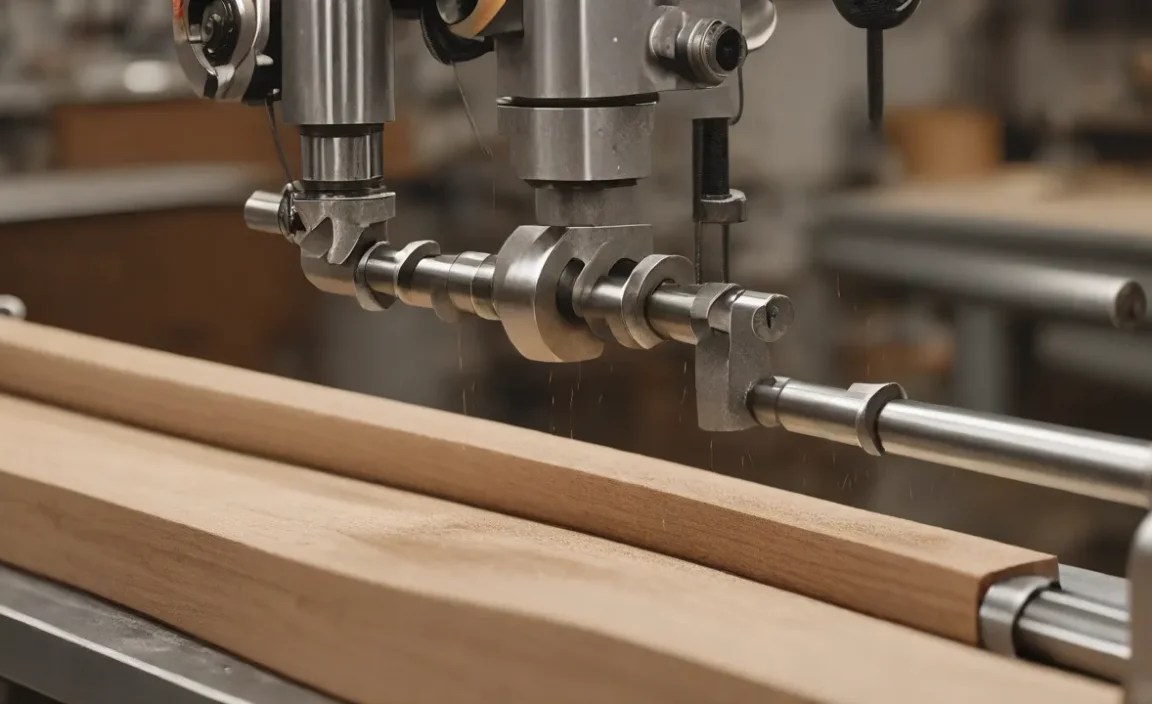
You don’t need a full workshop for every customization method, but having a few key items will make the process smoother and more effective.
For Modifying Existing Handles:
- Heat gun (or hairdryer/lighter for heat shrink tubing)
- Sharp utility knife or craft knife
- Scissors
- Adhesive tape (electrical tape, grip tape, cork tape)
- Moldable glue (Sugru, epoxy putty)
- Sandpaper (various grits)
For Creating New Handles:
- Wood: Hardwoods like maple, oak, cherry, walnut, or exotic woods. Aim for lumber at least 1.5-2 inches thick.
- Turning Blanks: If using a lathe to shape handles, pre-made blanks can be useful.
- Machinable Plastics: Delrin, Acetyl, or Acrylic rods/sheets.
- Cutting Tools: Handsaws, bandsaw (ideal for shaping), jigsaw.
- Shaping Tools: Rasps, files, cabinet scrapers, spokeshave, belt sander, bench grinder with flap discs, oscillating spindle sander.
- Drilling Tools: Drill press (highly recommended for accurate mortises), various drill bits.
- Chisels: Sharp bench chisels for cleaning up mortises.
- Measuring Tools: Calipers, rulers, marking knife.
- Adhesives: Strong 2-part epoxy (e.g., West System, Titebond 2-part epoxy, or high-strength industrial epoxies suitable for metal and wood/plastic).
- Finishing Supplies: Sandpaper (up to 400-600 grit), oils (Danish, Tung), waxes, or durable sealants.
- Safety Gear: Safety glasses, dust mask, hearing protection, gloves.
Safety First: Always a Priority
Working with tools, even for customization, carries risks. Always prioritize safety:
- Wear Safety Glasses: Protect your eyes from chips, dust, and flying debris.
- Use Dust Masks: Especially when sanding or cutting wood or plastics, fine dust can be harmful to your lungs.
- Gloves: Protect your hands from splinters, cuts, and adhesive chemicals.
- Secure Your Workpiece: Whether using hand tools or power tools, ensure your material is firmly held to prevent accidents.
- Sharp Tools: Sharp tools are safer than dull ones because they require less force and are less likely to slip. Keep them maintained.
- Understand Your Tools: If using power tools like a band saw or drill press, ensure you understand their operation and safety features. Check out resources like those from OSHA for general workshop safety guidelines. (Canadian Centre for Occupational Health and Safety – Wood Lathe Safety is a good reference, though adapt principles to your specific tools).
- Epoxy Handling: Work in a well-ventilated area when using epoxies and wear gloves.
Never rush a project. Take your time, set up your workspace safely, and enjoy the process. A moment of caution can prevent a significant injury.
Designing for Different Tool Types
Not all wood lathe tools are the same, and their ergonomic needs can vary:
- Gouges (Bowl Gouges, Spindle Gouges): These require a strong, confident grip for control during shaping and hollowing. A slightly thicker handle with a comfortable palm swell can provide excellent leverage and shock absorption. The length might also be optimized for sweeping cuts.
- Scrapers (Hook Scrapers, Round Scrapers): These often require a precise, controlled push or pull. A handle that fits your hand snugly, perhaps with finger grooves that allow for fine adjustments, can be beneficial. The material should provide a non-slip grip.
- Skew Chisels: Using a skew effectively requires a precise hold and ability to roll the tool in the hand. A handle that isn’t too bulky or too slick is key. It should allow for subtle movements and rotation.
- Parting Tools & Cut-off Tools: These are used for precise, often forceful, cuts. A handle that gives you a firm, reliable grip is essential to prevent slippage and ensure accurate depth.
Consider the primary function of each tool when designing its handle. A handle that’s perfect for your bowl gouge might not be ideal for a detailer.
Pro Tips for Perfect Handles
Here are some insider tips to elevate your handle customization project:
- Measure Twice, Cut Once: This old adage is critical when creating mortises for tool tangs. Precision here prevents loose, dangerous tools.
