Wood lathe project ideas don’t have to be complicated. You can create simple, attractive items like pens, bowls, and decorative pieces that sell well. Success means choosing popular projects, mastering basic techniques, and focusing on quality and safety, turning your hobby into a profitable venture.
Unlock Your Earning Potential: Profitable Wood Lathe Project Ideas for Beginners

Ever look at your wood lathe and wonder if it could be more than just a hobby? Many beginners feel the same way. The idea of making money from your projects can seem a bit daunting, especially when you’re still getting the hang of things. You might worry about finding the right wood, mastering tricky cuts, or even figuring out what people actually want to buy. But here’s the good news: it’s absolutely achievable! With the right project choices and a focus on quality, your wood lathe can become a fantastic way to boost your income. We’ll look at some proven wood lathe project ideas that are popular with buyers and relatively straightforward for newcomers to tackle. Get ready to turn your sawdust into dollars!
Why Choose Wood Lathe Projects for Profit?

Your wood lathe is a powerful tool, capable of shaping wood into a vast array of beautiful and functional items. For beginners, focusing on projects with profit potential offers several key advantages:
- Skill Development: Each project is a chance to hone your turning skills, from basic spindle work to more advanced bowl turning.
- Market Demand: Many turned items are perennial favorites, meaning there’s a consistent demand from customers.
- Material Cost Efficiency: Often, smaller projects use offcuts or readily available, affordable lumber, minimizing initial investment.
- Creative Outlet: You get to combine your passion for woodworking with entrepreneurship, making your hobby even more rewarding.
- Low Barrier to Entry: Compared to some other crafts requiring specialized tools, a basic wood lathe setup can get you started relatively quickly.
Top Wood Lathe Project Ideas That Sell

When thinking about wood lathe projects for profit, it’s wise to start with items that are generally in demand and manageable for a beginner. These projects often have a good balance of creation time, material cost, and selling price.
1. Wooden Pens
Wooden pens are arguably the most popular starter project for a reason. They require minimal wood, are relatively quick to turn, and can fetch a decent price, especially with quality wood and hardware.
Why Pens are Great for Profit:
- High Perceived Value: A beautifully turned wooden pen feels luxurious and makes a great gift.
- Small Material Needs: Pen kits and small wood blanks are inexpensive.
- Quick Turnaround: You can often complete a pen in an hour or two once you’re familiar with the process.
- Variety: Endless possibilities for wood types, finishes, and hardware styles.
Getting Started with Pens:
You’ll need a pen turning kit (which includes the internal components like the refill mechanism and tip), a pen blank (wood or acrylic), and a specific set of small turning tools, especially a skew chisel for detail work and a parting tool. The process involves drilling a precise hole in the blank, inserting brass tubes, and then turning the outside of the blank to match the tube’s diameter, creating a smooth, ergonomic shape. Gluing the tubes in securely and ensuring the wood is well-supported are crucial steps. Finishing with a durable polish like CA glue (super glue) or a varnish can make a big difference in look and feel.
For a deeper dive into pen making, resources like Wood Magazine’s guide offer excellent insights into selecting kits and achieving professional finishes.
2. Small Bowls and Trinket Dishes
Simple, small bowls and shallow dishes are fantastic projects that appeal to a wide audience. They can be used for holding keys, jewelry, or decorative items.
Why Bowls and Dishes are Profitable:
- Decorative Appeal: Natural wood grain and attractive shapes are always in demand.
- Versatile: Can be made from various hardwoods for different aesthetics.
- Material Flexibility: Can sometimes use slightly larger scrap pieces.
Getting Started with Bowls:
For beginners, it’s best to start with bowls that are relatively shallow and have a simple, curved profile. You’ll need a bowl blank (either a solid piece of wood or glued-up segments), a 4-jaw chuck to securely hold the blank, and bowl gouges for shaping. The initial step is to mount the blank, turn it round, and then refine the outside shape. For the inside, you’ll hollow it out, being careful not to make the walls too thin. Sanding and a food-safe finish (if intended for serving) or a durable varnish are essential. Maintaining consistent wall thickness is key to preventing cracking. Learning about wood movement and proper drying is beneficial for bowl making.
Considering the different ways to finish your turned pieces is important. For items that might come into contact with food, using a food-safe finish is paramount. The US Forest Service offers guidance on finishes for wood products, which can be very helpful.
3. Spindle-Turned Vases and Candle Holders
These are classic wood lathe projects, often featuring elegant, turned shapes. Vases might be decorative rather than functional for holding water, while candle holders are straightforward in design.
Why Spindle Projects are Profitable:
- Elegant Designs: Tall, slender forms are visually appealing and often sell well.
- Manageable Size: Easier to handle and finish than large bowls.
- Good for Practice: Excellent for refining your skills with spindle turning techniques.
Getting Started with Vases/Candle Holders:
You’ll be working with a piece of wood mounted between the spindle (headstock) and tailstock. Tools like spindle gouges and skew chisels are essential for shaping legs, beads, coves, and other decorative elements. You can create hollow forms for vases or simple cup-like shapes for candle holders. Achieving symmetry and smooth transitions between different profiles is a key skill to develop. Finishing with a good quality varnish or lacquer will bring out the wood’s natural beauty.
4. Wooden Utensils (Spoons, Spatulas)
Hand-turned wooden spoons and spatulas are incredibly popular, especially among home cooks and those who appreciate handcrafted kitchenware. They offer a satisfying blend of utility and artistry.
Why Utensils are Profitable:
- High Demand: Handcrafted kitchen items are very desirable.
- Relatively Simple Shapes: While some curves can be challenging, many designs are achievable.
- Great for Wood Scraps: Can often be made from smaller pieces of hardwood.
Getting Started with Utensils:
This project often starts with a pre-cut blank or a small spindle. While you can turn a spoon’s handle on the lathe, the bowl of the spoon is typically shaped using specialized hook knives or even carving tools after the initial turning. You could also turn simple spatulas or stirring sticks. It’s essential to use hardwoods like maple, cherry, or walnut, as they are dense, durable, and don’t impart flavors. A food-safe finish, such as mineral oil or a beeswax blend, is crucial for these items. Safety is paramount here, especially when working with smaller pieces and sharp tools.
For kitchen items, ensuring they are safe for food contact is non-negotiable. Many woodworkers rely on finishes like food-grade mineral oil or dedicated beeswax blends. The FDA’s guidelines on food contact substances can provide context, though for wood a simple mineral oil or beeswax finish is usually recommended and understood by consumers.
5. Knobs and Drawer Pulls
Custom wooden knobs and drawer pulls can add a unique, high-end touch to furniture and cabinetry. They are small, relatively quick to produce, and can be made in sets.
Why Knobs/Pulls are Profitable:
- Customization: Customers appreciate unique hardware for their projects.
- Repeat Business: Once someone likes your style, they might order many for a whole piece of furniture.
- Small Size: Easy to manage and store.
Getting Started with Knobs/Pulls:
You can turn these from small blocks or spindles of wood. The key is to create a consistent thread or a mounting hole for a screw. Often, you’ll need a drill press to ensure the hole is straight. Different shapes can be achieved using standard turning tools, from simple round knobs to more shaped designs. A durable finish is important for items that will be handled frequently.
6. Small Decorative Boxes
While intricate boxes can be challenging, simple boxes with turned lids and bases can be very attractive and profitable. These can be jewelry boxes, keepsake boxes, or simply decorative items.
Why Boxes are Profitable:
- Gift Appeal: A beautifully crafted wooden box is always a welcome gift.
- Showcase of Skill: Even simple boxes can highlight the wood’s grain and your turning precision.
- Scalable: Can start with small, simple designs and move to more complex ones.
Getting Started with Boxes:
You can approach box making in a few ways. One method is to turn the base and lid separately from solid wood, ensuring a snug friction fit. Another is to create a box with a separate base and a lid that incorporates a lip or tenon to fit into the base. For beginners, focusing on a simple friction-fit lid with a nicely turned finial or knob is a good starting point. Precision in fitting the lid to the base is critical for a professional look.
Essential Tools and Materials for Profitable Projects
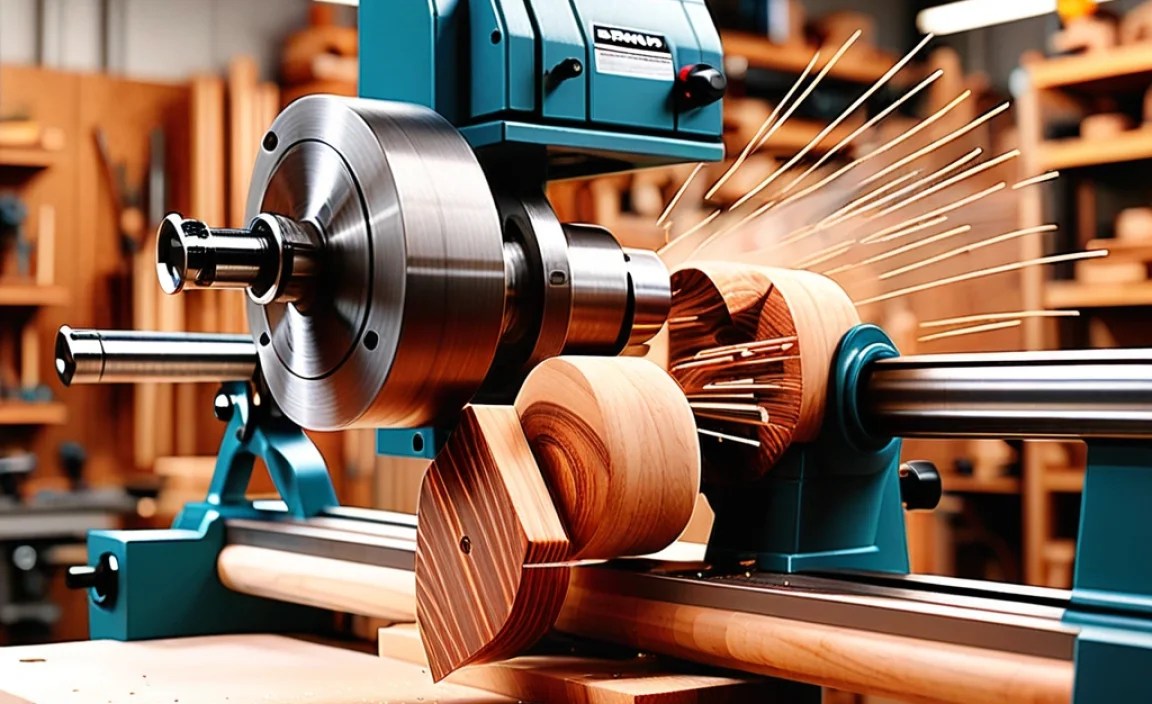
To turn these ideas into profit, you’ll need a few key things:
Your Wood Lathe Setup
A basic, sturdy wood lathe is your primary investment. For beginners, a benchtop model is often sufficient for smaller projects. Ensure it has variable speed control, as this is crucial for safety and achieving good results with different wood types and project sizes.
Essential Turning Tools
While a full set can be expensive, start with the essentials for your chosen projects:
- Spindle Gouge: For shaping the outside of spindle-turned items.
- Bowl Gouge: For hollowing and shaping bowls (start with a smaller size like 1/2 inch).
- Skew Chisel: Extremely versatile for fine detailing, smoothing, and cutting tenons.
- Parting Tool: For cutting off the finished piece and creating narrow grooves.
- Scrapers (optional but helpful): For smoothing curves, especially on bowls.
Chucks and Faceplates
- 4-Jaw Scroll Chuck: Essential for securely holding bowls and larger blanks. Look for one with versatile jaws.
- Faceplate: Useful for mounting flat pieces or larger bowls when face-grain turning.
Measuring and Safety Equipment
- Calipers: For measuring diameters accurately.
- Safety Glasses/Face Shield: Non-negotiable for eye protection.
- Dust Mask/Respirator: Protect your lungs from wood dust.
- Hearing Protection: Lathes can be noisy.
- Bench Brush: For cleaning your workspace.
Wood Selection
For profitable projects, especially those that will be handled or used, hardwoods are generally preferred due to their durability and beauty. Good choices for beginners include:
- Maple: Hard, fine-grained, and takes finishes well.
- Cherry: Beautiful reddish-brown color that deepens with age.
- Walnut: Rich dark color, very popular but can be more expensive.
- Oak: Durable with a prominent grain, but can be prone to chipping.
- Poplar: Softer, cost-effective, good for practice or items that will be painted.
Consider sourcing local wood or using offcuts from other woodworkers to keep material costs down. Ensure all wood is dry and stable to prevent cracking after turning.
Pricing Your Wood Lathe Creations

Determining the right price is key to making a profit. A good formula often involves considering:
- Material Costs: The cost of the wood, hardware (like pen kits), and finishes.
- Time Invested: Your hourly rate for the time spent turning, sanding, and finishing. Don’t undervalue your labor!
- Overhead: A small percentage for electricity, tool wear, and workshop space.
- Market Research: See what similar items sell for on platforms like Etsy, at craft fairs, or in local shops.
- Perceived Value: A well-finished, unique piece will command a higher price than a basic one.
A common starting point is to price your item at 2-3 times the cost of materials, then adjust based on your time and market research. For instance, if a pen costs $10 in materials and hardware and takes you 1.5 hours to make at a desired labor rate of $20/hour ($30 total labor), your base cost is $40. You might then price it at $50-$60.
Tables: Project Comparison for Profitability
Here’s a quick comparison to help you decide where to start. This table focuses on factors important for beginner profitability.
| Project Idea | Beginner Friendliness | Material Cost (Est.) | Average Sell Price (Est.) | Profit Potential | Key Tools Needed |
|---|---|---|---|---|---|
| Wooden Pens | High | $5 – $15 (incl. kit) | $25 – $50 | High (due to low material cost & high perceived value) | Drill press, pen mandrels, small gouges, skew chisel |
| Small Bowls/Dishes | Medium | $10 – $30 | $30 – $75 | Medium to High | 4-jaw chuck, bowl gouges, faceplate (optional) |
| Vases/Candle Holders | Medium | $10 – $25 | $25 – $60 | Medium | Spindle gouges, skew chisel, parting tool |
| Wooden Utensils | Medium (requires some carving/shaping) | $5 – $15 (for wood blanks) | $15 – $35 (per utensil) | Medium | Hook knives (for bowls), skew, parting tool, sandpaper |
| Knobs & Drawer Pulls | High | $2 – $10 (per piece) | $8 – $20 (per piece) | Medium to High (especially in sets) | Drill press, small gouges, parting tool |
| Small Decorative Boxes | Medium to High (for simple designs) | $15 – $40 | $40 – $100+ | High (for well-crafted pieces) | 4-jaw chuck, bowl gouges, skew chisel, parting tool |
Marketing Your Wood Lathe Creations
Once you start producing items, you need to get them in front of buyers. Here are a few effective strategies:
- Online Marketplaces: Platforms like Etsy are perfect for handmade goods, allowing you to reach a global audience. High-quality photos and good descriptions are essential.
- Local Craft Fairs and Markets: These events let you connect directly with customers, get immediate feedback, and make sales. Have a professional-looking display.
- Social Media: Use platforms like Instagram and Facebook to showcase your work-in-progress, finished pieces, and your process. Behind-the-scenes content can be very engaging.
- Word-of-Mouth: Happy customers are your best advertisers. Encourage reviews and testimonials.
- Collaborations: Partner with local businesses, like furniture makers or gift shops, to sell your items.
Safety First: Always
Woodturning involves powerful machinery and sharp tools. Never compromise on safety. Always:
- Wear safety glasses or a full face shield.
