Wood lathe polishing wax is the secret ingredient for achieving a stunning, glass-like finish on your handmade pens. Get the best wax for your project with our essential review, guiding you from beginner to pro for a truly professional look.
Turning a beautiful pen on the wood lathe is just the first part of the journey. Getting that perfect, showroom-quality shine? That’s where the right polishing wax comes in. Many beginners find themselves frustrated, wondering why their pens look dull or feel a bit rough, even after hours of sanding. The truth is, the final finishing step can make all the difference. It’s not about complicated techniques; it’s about choosing the right product. This guide will walk you through the best wood lathe polishing waxes available, explaining what makes them great and how to use them to make your pens truly stand out. Let’s get your pens looking as good as they feel!
Choosing the Right Wood Lathe Polishing Wax: A Beginner’s Guide

As a woodworker, there’s a special satisfaction in creating something beautiful with your own hands. A handcrafted pen is a perfect example – it’s functional, personal, and can be a stunning piece of art. But even the most carefully turned wood can look… well, just okay, without the right finish. That’s where high-quality wood lathe polishing waxes shine. They’re not just a final coat; they’re the key to unlocking that deep, lustrous sheen that makes a pen feel truly professional and luxurious.
For beginners, the world of wood finishes can seem a little overwhelming. So many choices! But when it comes to a brilliant, durable polish for your pens, wax is often the answer. It’s generally easy to apply, forgiving if you make a minor mistake, and can give you that professional gleam that’s hard to achieve with other methods alone.
At Lathe Hub, we believe in making tools and techniques accessible. That’s why we’ve put together this review of essential wood lathe polishing waxes. We’ll cover what to look for, how to apply them, and recommend some top performers that will help you achieve fantastic results, no matter your experience level. So, grab your safety glasses, and let’s dive into making your pens shine!
Why Use Polishing Wax on Wood Lathe Pens?

You’ve spent hours turning your pen blank, carefully shaping it and sanding it to a silky-smooth finish. But have you noticed that the wood, while smooth, might still look a bit flat or even slightly porous? This is where polishing wax makes a dramatic difference. It serves several crucial purposes:
- Enhances Natural Beauty: Wax penetrates the fine pores of the wood, bringing out the depth of the grain and enriching the wood’s natural color. It adds a warmth and richness that sanding alone can’t achieve.
- Adds Shine and Luster: A good wax polish buffs to a high-gloss finish, giving your pen that desirable “wet” look or a smooth, satin sheen, depending on how vigorously you buff.
- Provides Protection: While not as robust as a film finish like lacquer or polyurethane, wax offers a sacrificial layer of protection against moisture, fingerprints, and minor scuffs. It’s easy to reapply, keeping your pen looking its best.
- Fills Micro-Scratches: Even after meticulous sanding, the wood surface has microscopic imperfections. Wax fills these tiny valleys, creating a uniformly smooth surface that reflects light evenly, thus increasing perceived smoothness and shine.
- Improves Feel: A waxed surface feels incredibly smooth and pleasant to the touch. It eliminates any tackiness and gives the pen a luxurious, almost buttery feel.
- Easy Application: Compared to multi-coat finishes, wax is generally very straightforward to apply, making it ideal for beginners.
Think of it like waxing a car. You can wash and polish until the paint is smooth, but a good coat of wax is what brings out that deep shine and makes the surface slick and protected. The same principle applies to your turned pens.
Key Features of a Great Wood Lathe Polishing Wax

When you’re looking for the best wood lathe polishing wax for pens, a few key characteristics will help you make the right choice. Not all waxes are created equal, and some are specifically formulated for the needs of pen making.
- Easy Application and Removal: This is paramount for beginners. A good wax should go on smoothly and buff off without leaving streaks or excessive dust.
- Durability: While wax isn’t a permanent finish, a good quality wax will last a reasonable amount of time on a pen before needing reapplication.
- Non-Greasy Feel: The final finish should feel smooth and dry to the touch, not sticky or oily.
- Fast Drying/Curing Time: You don’t want to wait days for your finish to set. A wax that cures quickly allows you to handle and enjoy your pen sooner.
- Enhances Wood Grain: The wax should bring out the natural beauty of the wood, not mask it.
- Food-Safe (Optional but Recommended): If you’re making pens intended for widespread use or gifting, especially to children, a food-safe wax is a great option. Many beeswax-based or carnauba-based waxes are naturally food-safe.
- Builds Shine Quickly: Some waxes offer an almost instant shine with minimal buffing, which is a huge advantage.
Top Wood Lathe Polishing Waxes on the Market: An Essential Review

Let’s get down to the nitty-gritty. Based on performance, ease of use, and the results they deliver on pen projects, here are some of the top wood lathe polishing waxes that beginners and experienced turners alike swear by.
1. Buffing Wax (Often Acrylic-Based)
Many pen makers consider specific “buffing waxes” to be the holy grail of pen finishing. These are often solvent-based or specialized formulations designed to be applied and buffed on the lathe at high speed. They typically cure very quickly to a hard, glossy finish.
- Pros:
- Incredibly fast application and results.
- Achieves a very high gloss, often described as “glass-like.”
- Durable finish for a wax product.
- Minimal odor for most formulations.
- Fills pores effectively.
- Cons:
- Can be more expensive than traditional waxes.
- Requires a power source (the lathe) for application.
- Some formulations can leave a “halo” or build-up if applied too thickly or not buffed correctly.
- Not ideal for intricate detail work where the lathe can’t be used.
- How to Use: After sanding to at least 600 grit (or higher!), apply a thin layer of buffing wax to the spinning pen. Increase lathe speed and use a clean, soft cloth or paper towel to buff the wax into the wood. The friction from buffing will heat the wax, allowing it to spread and harden into a glossy finish.
- Where to Find: Often sold by pen-making supply companies (e.g., Penn State Industries, Rockler) or as standalone products like “Inca Wax” or “Fusion Wood Turning Wax.”
2. Sierra Brand/Beall Finishing Wax

The Beall System is famous for its buffing system, and their accompanying wax is a staple for many woodturners. It’s a blend of carnauba and beeswax, providing a durable and beautiful finish.
- Pros:
- Excellent shine and depth.
- Very durable for a natural wax.
- Pleasant, natural scent.
- Complements the Beall Buffing System perfectly.
- Relatively easy to apply.
- Cons:
- Best results when used with a buffing wheel system, which is an additional investment.
- May require multiple applications for maximum luster.
- How to Use: Apply sparingly to the spinning workpiece. Use a buffing wheel (like those in the Beall system) to buff it to a shine. For hand application on a stationary pen, you can rub it on and then buff vigorously with a soft cloth.
- Where to Find: Available through woodworking supply stores and online retailers.
3. General Purpose Paste Wax (e.g., Johnson’s Paste Wax, Briwax)**

While not specifically designed for pen turning, many common household or furniture paste waxes can yield excellent results. They are often beeswax or carnauba wax blends.
- Pros:
- Widely available and affordable.
- Safe to use and often have pleasant scents.
- Can provide a nice, natural-looking sheen.
- Good for touch-ups and maintaining finishes.
- Cons:
- Durability can be lower than specialized woodturning waxes.
- May not achieve the super-high gloss of specialty products.
- Can sometimes feel slightly softer or tackier if too much is applied.
- How to Use: Apply a thin layer with a soft cloth to the sanded wood. Let it haze over for a few minutes, then buff to a shine with a clean, soft cloth. For lathe application, apply to the stationary pen, then spin at a moderate speed and buff with a cloth.
- Where to Find: Hardware stores, home improvement centers, online retailers.
4. Beeswax-Based Waxes
Pure beeswax or blends rich in beeswax are a natural choice for many woodworkers. They are safe, easy to find, and provide a pleasant, natural finish.
- Pros:
- Natural and often food-safe.
- Pleasant, subtle scent.
- Easy to work with.
- Economical if bought in bulk.
- Cons:
- Can be softer than carnauba-based waxes, leading to less durability, especially in warmer temperatures.
- May not achieve the highest gloss without significant buffing.
- How to Use: Similar to paste wax – apply a thin layer, let it haze, then buff. You can also melt beeswax (carefully!) and mix it with mineral oil or turpentine to create a homemade polish.
- Where to Find: Craft stores, beekeeping suppliers, online.
Comparing Wood Lathe Polishing Waxes

To help you decide, here’s a comparison of some key aspects of different wax types you might encounter.
| Wax Type | Ease of Use (Beginner) | Gloss Level | Durability | Common Ingredients | Typical Cost |
|---|---|---|---|---|---|
| Buffing Wax (Specialty) | Moderate to High (if using lathe) | Very High (Glass-like) | High | Acrylics, solvents, specialized polymers | $$ – $$$ |
| Beall/Sierra Wax | Moderate (better with buffing system) | High | High | Carnauba, Beeswax | $$ |
| General Purpose Paste Wax | High | Moderate | Moderate | Beeswax, Carnauba, mineral spirits | $ |
| Pure Beeswax | High | Low to Moderate | Low to Moderate | 100% Beeswax | $ – $$ |
Applying Wood Lathe Polishing Wax: Step-by-Step Guide

Achieving a perfect wax finish on your pen is all about preparation and technique. Follow these steps for stunning results:
Step 1: Sanding to Perfection
This is non-negotiable. The smoother the wood, the better your wax finish will be. Sand your pen blank progressively through the grits, all the way up to at least 400 or 600 grit. Many pen turners go even higher, to 1000, 2000, or even 4000 grit using abrasive pads like Abranet or even micromesh. For a truly professional finish, aim for at least 600 grit. After your final grit, wipe the pen blank thoroughly with a tack cloth to remove all dust particles.
Step 2: Choose Your Wax and Application Method
Select the wax you’ve decided on (see reviews above). You have two main methods:
- On the Lathe (Recommended for most waxes): This is typically the most efficient and effective way to apply specialized waxes.
- By Hand (Good for paste waxes or touch-ups): This involves applying and buffing the wax while the pen is stationary.
Step 3: Application – On the Lathe
For specialty buffing waxes or when using a buffing system like Beall.
- Ensure the lathe is clean and free of any debris.
- Make sure your pen blank is smooth and dust-free from the sanding step.
- Stop the lathe. Apply a very thin coat of wax directly to the wood surface. You can use a paper towel, a dedicated applicator, or even the wax stick itself if it’s a solid form. A little goes a long way.
- Start the lathe at a slow to medium speed. As the pen starts spinning, use a clean, soft cloth or paper towel to gently spread and work the wax into the wood.
- Increase lathe speed (if using applicable waxes) to medium-high or high. This is where the magic happens. Continue buffing vigorously with the cloth. The friction will heat the wax, allowing it to melt, spread evenly, and cure into a hard, glossy finish.
- Continue buffing for 1-2 minutes until you achieve the desired shine. You should feel the surface become slick and smooth.
- Inspect your work. Look for any missed spots or unevenness. If needed, apply another very thin coat and repeat the buffing process.
Step 3: Application – By Hand
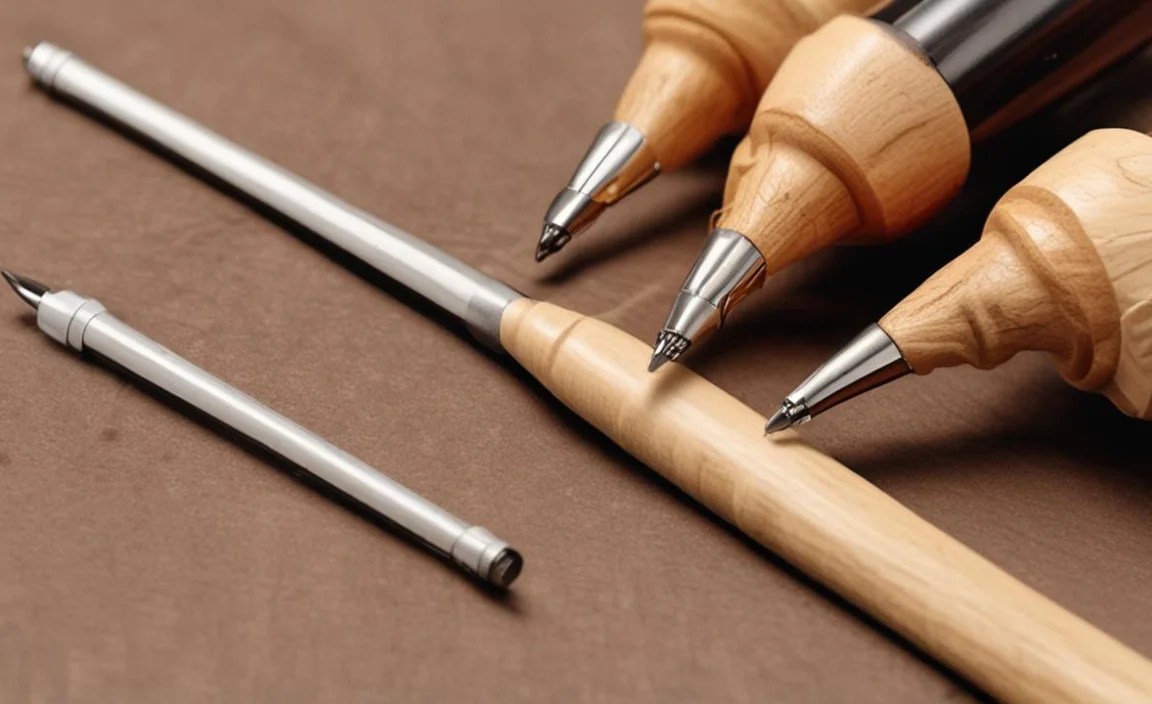
Ideal for common paste waxes or if you prefer not to use the lathe for finishing.
- Apply a thin layer of wax to your sanded pen blank using a soft cloth.
- Rub the wax in, ensuring even coverage.
- Let the wax haze over for 5-10 minutes. This allows the solvents to flash off and the wax to become slightly duller.
- Using a clean, soft buffing cloth (like microfiber or a soft cotton rag), buff the pen vigorously. Rubbing back and forth will generate some friction, which helps to create the shine.
- For more shine, you can reapply a thin second coat and buff again.
Step 4: Final Buff and Inspection
Even after the main buffing, a final light buff with a clean, dry cloth can remove any residual dust and enhance the clarity of the finish. Check for any smudges or uneven areas under good lighting. The pen should feel smooth, look glossy, and the wood grain should be beautifully enhanced.
Tips for Achieving a Flawless Wax Finish
Even with the best wax, a few extra tips can elevate your finishing game:
- Thin Coats Are Key: Applying too much wax will result in a gummy or streaky finish that is difficult to buff. Always err on the side of too little – you can always add more.
- Cleanliness is Crucial: Make sure your hands, cloths, and the lathe itself are clean. Dust and debris will get embedded in the wax and mar your finish.
- Experiment with Sanding: Don’t stop at 400 grit. Pushing your sanding to 1000, 2000, or even higher with abrasives like Micromesh pads will make your wax finish much more impressive. Many woodturners finish sanding at 1200 grit for pens. Check resources like USPS guidelines on shipping wood items to ensure your finished product is properly prepared for transit if you plan to mail it.
- Lathe Speed Matters: For on-lathe application, higher speeds generally produce a better buffed shine due to increased friction, but always err on the side of safety. Start slow and increase gradually.
- Buffing Cloth Choice: Soft, lint-free cloths are best. Microfiber towels work excellently. Avoid old, rough towels.
- Don’t Rush: Give the wax a moment to flash off or cure slightly before heavy buffing.
