Wood lathe polishing paste kits offer a fantastic and straightforward way to achieve incredibly smooth, professional-looking finishes on your turned projects. This guide breaks down what to look for and how to use them effectively.
Ever finished a beautiful piece on your wood lathe, only to find the surface isn’t as smooth and glossy as you imagined? Many beginners struggle with achieving that showroom shine. You’ve sanded, you’ve maybe even tried a few different finishes, but that perfect, almost liquid-smooth look eludes you. It’s a common frustration, but there’s a simple, effective solution: wood lathe polishing paste kits. These kits are designed to take your project from nicely finished to absolutely stunning with minimal fuss. We’ll guide you through selecting the right kit and mastering its use, so you can confidently create pieces that truly impress.
Understanding Wood Lathe Polishing Paste

So, what exactly is wood lathe polishing paste, and why is it a game-changer for beginners? Think of it as a super-fine abrasive suspended in a waxy or creamy carrier. Unlike traditional finishes that build up a layer on top of the wood, polishing pastes work by abrading the very surface of the wood itself to an incredibly fine grit. This process smooths out any microscopic imperfections left by sanding and creates a lustrous, almost glass-like sheen directly from the wood’s surface. It’s a direct path to that professional finish you’ve admired on turned bowls, spindles, and other lathe projects.
The magic lies in the extremely fine abrasive particles. They progressively refine the surface, working their way down to grits finer than most sandpaper can achieve economically. This means you can often skip the very highest grits of sandpaper (like 600 or 800 grit) and go straight to polishing paste for a superior result. This not only saves time but also leads to a more durable and natural-looking finish.
Many kits come with multiple stages, each with progressively finer abrasives. This multi-step approach ensures that you’re not just masking imperfections, but actually refining the wood surface layer by layer. It’s a systematic way to achieve excellence, which is why it’s such a valuable tool for anyone looking to elevate their woodworking.
Why Use a Polishing Paste Kit?
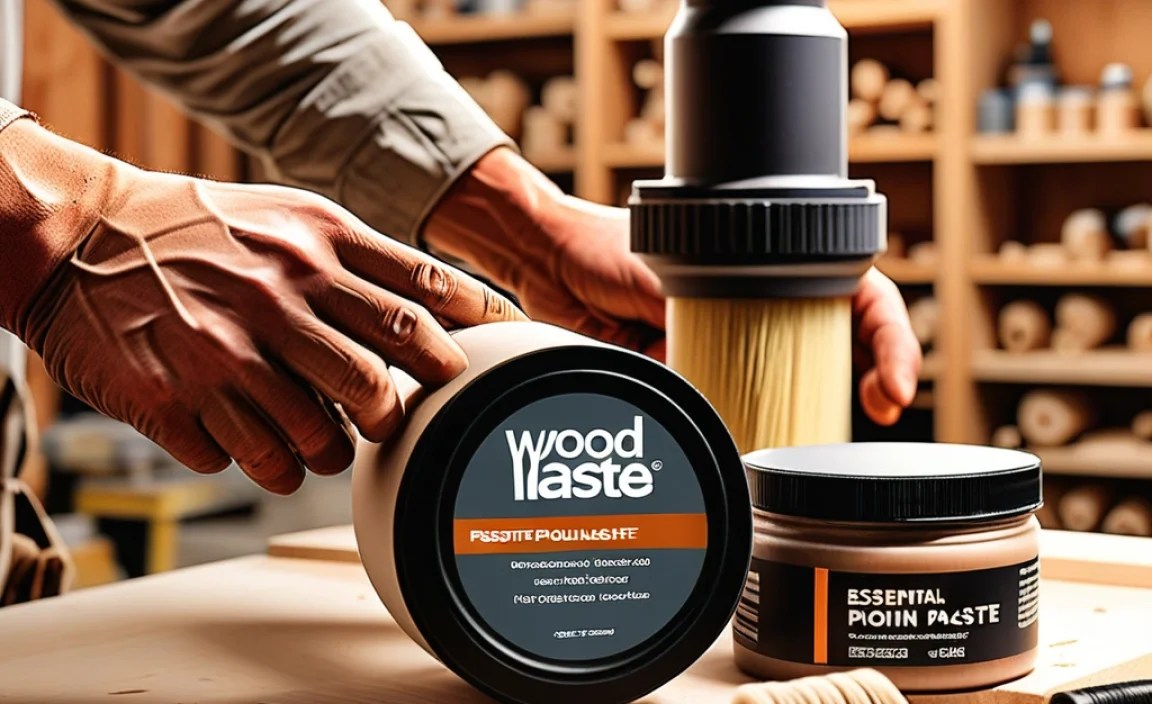
Switching to a polishing paste kit can significantly improve your finished work. Here’s why it’s a smart move for any woodturner:
- Superior Finish: Achieve a level of smoothness and gloss that’s difficult with traditional sanding and finishing methods alone.
- Time Savings: Often reduces the number of sanding grits needed, speeding up your finishing process.
- Durability: Creates a hard, protective surface that resists minor scratches and wear.
- Natural Look: Enhances the natural beauty of the wood grain without obscuring it with thick coatings.
- Simplicity for Beginners: Offers a more forgiving and straightforward path to a professional finish compared to complex multi-coat finishes.
- Versatility: Works well on a wide variety of wood species, from soft pines to hard maples.
The confidence that comes with knowing you can achieve a truly stunning finish on every project is invaluable. It encourages you to tackle more ambitious pieces and explore different wood types, knowing the finishing step will be reliably excellent.
Types of Wood Lathe Polishing Pastes

Wood lathe polishing pastes generally fall into a few categories, often distinguished by their abrasive type and the stage of the finishing process they are intended for. Most kits will include several stages to guide you through the process.
Stage 1: Pre-Polishing Compounds
These are the coarsest of the polishing pastes, designed to follow your final sanding stages (often around 220-320 grit). They contain finer abrasives than sandpaper but are still aggressive enough to remove any minor sanding scratches and start refining the surface. Their primary job is to prepare the wood for the finer stages.
Stage 2: Fine Polishing Compounds
As the name suggests, these are designed for further refinement. They use even finer abrasive particles to smooth the surface left by the Stage 1 compounds. This is where you really start to see a noticeable gloss developing. They effectively remove any haze or remaining minor imperfections.
Stage 3: Ultra-Fine/High Gloss Compounds
These are the final step in most kits. They contain the finest abrasives, often measured in microns, to bring your piece to a brilliant, show-stopping shine. This stage polishes the surface to a deep, lustrous gloss that can often be mistaken for a sprayed-on lacquer, but it’s all achieved directly on the lathe.
Specialty Polishes
Some manufacturers offer specialty polishes, such as those designed for specific wood types or for adding a touch of color. However, for most beginners, a standard multi-stage progression kit is the most effective starting point.
Key Components of a Wood Lathe Polishing Paste Kit

When you’re looking at wood lathe polishing paste kits, you’ll typically find a few core components. Understanding what each does will help you choose the best kit for your needs.
The Pastes Themselves
Most kits come with 2-4 different pastes, each in a separate container. They might be labeled by stage (e.g., Stage 1, Stage 2) or by grit equivalent. The consistency can vary from a firm wax to a creamy lotion.
Application Pads/Tools
Some kits include specific application tools. These can range from simple felt pads or cloth applicators to specialized foam buffs designed to work with the abrasive compounds. The right applicator helps ensure even distribution and effective abrasion.
Safety Gear Recommendations
While not always in the kit, reputable manufacturers will strongly recommend safety gear. This is crucial, as applying pastes at lathe speeds requires protection. Always assume you’ll need safety glasses or a face shield, and potentially a dust mask if finer particles become airborne.
How to Choose a Wood Lathe Polishing Paste Kit
With several options on the market, selecting the right wood lathe polishing paste kit can seem daunting. Here’s a straightforward approach to making an informed decision:
Read “How-To” Reviews
Look for reviews, like this one, that explain the process and give specific product recommendations. Many reviews highlight which kits are easiest for beginners to use and which products deliver the most consistent results.
Consider the Number of Stages
For beginners, a kit with 3-4 stages is often ideal. This provides a clear progression and ensures you can achieve a very fine finish without guesswork. A two-stage kit can also work, but might require a bit more finesse with sanding beforehand.
Check Abrasive Type (If Specified)
Most pastes use very fine aluminum oxide or similar abrasives. While manufacturers don’t always go into extreme detail, knowing it’s a fine abrasive is the main point. Avoid anything that sounds like coarse grit – that’s for sanding, not polishing.
Look at Wood Types
Most general-purpose kits are excellent for a wide range of woods. If you primarily work with exotic or very dense woods, you might look for specific recommendations, but for general use, standard kits are perfect.
Brand Reputation
Stick with well-known brands in the woodworking or finishing industry. Companies that specialize in wood finishes or lathe accessories tend to have reliable products with clear instructions.
Here’s a quick comparison of popular types of wood lathe polishing paste kits you might encounter:
| Kit Type | Pros | Cons | Best For |
|---|---|---|---|
| Multi-Stage Paste Kit (3-4 Steps) | Provides a clear progression, excellent results, very forgiving for beginners. | Requires application of multiple products, slightly more time than a single-step. | Beginners and intermediate turners seeking a high-gloss, durable finish. |
| Combined Sanding/Polishing System | Often integrates with specific sanding discs or systems, can be very efficient. | Might be proprietary to a specific brand’s sanding system, less flexibility. | Users already invested in a particular brand’s sanding system. |
| Ultra-Fine Polishing Compound (Single Step) | Quick application for a final buff on an already very smooth surface. | Requires excellent sanding preparation, might not remove subtle imperfections from lower grits. | Experienced turners needing a quick final sheen on a perfectly prepared piece. |
Essential Tools and Safety Gear
Before you start, make sure you have the right setup. Using polishing pastes on a wood lathe requires a few items beyond just the kit itself.
Your Wood Lathe
This goes without saying, but ensure your lathe is in good working order, with smooth-running bearings and a steady motor.
Finishing Sponges or Applicator Pads
Many kits come with these, but having extras is wise. Look for dense foam pads or soft, non-shedding cloths. Avoid anything that will unravel or leave lint.
Safety Glasses or Face Shield
This is non-negotiable. The speeds involved can create fine particles, and accidental contact with the spinning workpiece or tools is a serious risk. A full face shield offers the best protection.
Dust Mask (Optional but Recommended)
While wood dust is the primary concern during turning, very fine polishing particles can become airborne. A simple N95 mask can add an extra layer of protection for your respiratory system.
Good Lighting
Proper lighting is crucial to see what you’re doing and ensure you’re applying the paste evenly and achieving the desired shine.
Clean Rags
You’ll need a few clean, soft rags for buffing and wiping away residue between stages.
Step-by-Step Guide: Using Your Wood Lathe Polishing Paste Kit
Achieving that incredible finish is a straightforward process when you follow these steps. Remember, the key is patience and working through the stages systematically.
-
Prepare Your Workpiece Surface
This is the most critical step for success. Your wood piece should be sanded as smooth as your sandpaper allows. For a standard polishing paste kit, sanding up to 220 or 320 grit is usually sufficient. Ensure all scratches from previous grits are removed. Wipe the piece down with a tack cloth or a slightly damp rag to remove all dust. Any dust or imperfections left at this stage will be magnified by the polishing paste.
-
Apply Stage 1 (Pre-Polishing) Compound
With your lathe turned OFF, apply a small amount of the Stage 1 paste directly onto the surface of your workpiece. Alternatively, you can apply it to your finishing sponge or applicator pad. Start the lathe at a moderate speed (around 1000-1500 RPM, depending on your lathe and workpiece size). Hold your applicator pad gently against the spinning wood. Move it back and forth across the entire surface of the workpiece, ensuring even coverage. You’ll see the paste start to break down and turn into a slurry. Continue this for a minute or two until the surface feels smooth and you notice a slight sheen developing.
Important Safety Note: Never apply paste to a fast-spinning lathe. Always start the lathe slowly, apply the compound, and then increase speed if necessary and comfortable. Keep your hands and tools clear of the spinning chuck and headstock.
-
Buff and Remove Residue
Turn the lathe OFF. Use a clean, soft rag to buff away the dried or slurry-like residue left from Stage 1. You should notice a significant improvement in smoothness compared to your sanded finish. Inspect the surface for any missed spots or remaining sanding marks.
-
Apply Stage 2 (Fine Polishing) Compound
Turn the lathe OFF again. Apply the Stage 2 paste to the workpiece or your applicator pad. This compound is finer than Stage 1. Start the lathe at a moderate speed (you can often use a slightly higher speed than Stage 1, e.g., 1500-2000 RPM). Apply the compound evenly across the entire surface, just as you did with Stage 1. Continue until the paste breaks down and a noticeable gloss begins to appear. You are now refining the surface further, removing any microscopic marks left by the previous stage.
-
Buff and Remove Residue (Stage 2)
Turn the lathe OFF. Use a fresh, clean rag to buff away the residue from Stage 2. At this point, the surface should be very smooth and have a good level of shine. Compare it to your previous stages – the difference should be clear.
-
Apply Stage 3 (Ultra-Fine/High Gloss) Compound
Turn the lathe OFF. Apply the Stage 3 paste, which contains the finest abrasives. Start the lathe at a moderate to slightly faster speed (e.g., 2000-2500 RPM, be comfortable with your speed). Apply the compound evenly. This stage is all about bringing out the ultimate shine. Continue until the paste is worked in and the surface achieves a deep, rich gloss. You are essentially polishing the surface to its maximum potential.
-
Final Buffing
Turn the lathe OFF. Use a clean, soft cloth to give the entire piece a final, gentle buffing. This will remove any faint haze and bring out the absolute maximum luster. Your piece should now have an incredibly smooth, glossy, and professional-looking finish directly from the lathe.
-
Optional: Apply a Final Top Coat (Optional)
While polishing pastes create a beautiful finish on their own, some users like to apply a thin coat of paste wax or a spray lacquer for added protection or a slightly different sheen. If doing so, ensure the surface is perfectly clean before applying your chosen top coat. For many projects, the polished finish is durable enough on its own.
This step-by-step process ensures that you’re working through the abrasives effectively, progressively refining the surface to achieve that signature polished look. Referencing the Woodworkers Source blog on sanding and finishing can also provide helpful context for surface preparation before you begin polishing.
Tips for Achieving the Best Results
Even with a great kit, a few extra tips can help you get that perfect mirror finish every time.
- Cleanliness is Key: Always start with a dust-free workpiece. Any grit or debris left behind will interfere with the polishing process and can cause scratches.
- Even Application: Make sure you apply the paste evenly across the entire turning. Missed spots will be obvious, and you’ll have an inconsistent finish.
- Don’t Overheat the Wood: While some speed is necessary, excessively high RPMs can generate heat, which can affect some wood glues or even burn the wood. Keep your speed moderate and safe for your lathe and skill level.
- Let the Paste Do the Work: You don’t need to press excessively hard. Let the fine abrasives and the lathe’s speed do the heavy lifting.
- Use a Separate Rag for Each Stage: To avoid contaminating finer stages with coarser residue, use a clean rag for buffing after each step.
- Practice on Scraps: If you’re new to polishing pastes, try out a kit on some scrap pieces of wood first. This helps you get a feel for the process without risking a finished project.
- Don’t Skip Sanding: Polishing paste is not a magic eraser for bad sanding. You still need to prepare your surface properly with appropriate sandpaper grits.
Remember, the goal is to refine the wood’s surface. If your sanding was uneven or you’ve left deep scratches, the polishing paste will struggle to correct them entirely.
Troubleshooting Common Issues
Even experienced makers can run into snags. Here are some common problems and how to fix them:
- Hazy Finish: This is usually caused by either insufficient buffing or by contaminating a finer stage with residue from a coarser one. Ensure you buff thoroughly after each stage and use clean rags. It can also happen if the lathe speed was too low for the paste to fully break down.
- Uneven Shine: Likely due to uneven paste application or inconsistent buffing pressure. Ensure you’re applying the paste evenly and buffing the entire surface equally.
- Visible Sanding Marks Remain: This means your initial sanding wasn’t fine enough. Go back to finer grits of sandpaper (e.g., 320 or 400 grit) to remove those marks before attempting to polish again.
- Paste Feels Gritty/Doesn’t Smooth: You might be using a product that isn’t fine enough, or the wood surface isn’t properly prepared. Ensure you are using dedicated polishing pastes designed for fine finishes, not abrasive compounds meant for coarser work.
