Easily replace your wood lathe’s tool rest banjo with this straightforward guide. Learn what a banjo is, why it might need replacing, and get step-by-step instructions for a smooth, secure fix that gets you back to turning in no time. Enjoy a stable setup for all your woodworking projects.
Wood Lathe Tool Rest Banjo Replacement: Effortless Fix

Ever find your tool rest wobbling or not holding its position on your wood lathe? That frustrating movement often comes down to the banjo – the part that locks your tool rest in place. Don’t let a loose or worn banjo stop your creative flow! Replacing it is a simpler job than you might think, and getting it right means a more stable, accurate, and enjoyable turning experience. We’ll walk through exactly how to do it, making sure you can confidently get back to shaping beautiful wood.
Getting your banjo fitted correctly is key to safe and precise woodworking. A solid, well-adjusted banjo ensures your tools are held firmly, allowing for smoother cuts and fewer vibrations. This guide is designed to break down the process into easy-to-follow steps, perfect for anyone new to lathe maintenance or even experienced woodturners looking for a refresher. By the end, you’ll have a securely fitted banjo and the confidence to tackle other lathe maintenance tasks.
What is a Wood Lathe Tool Rest Banjo?
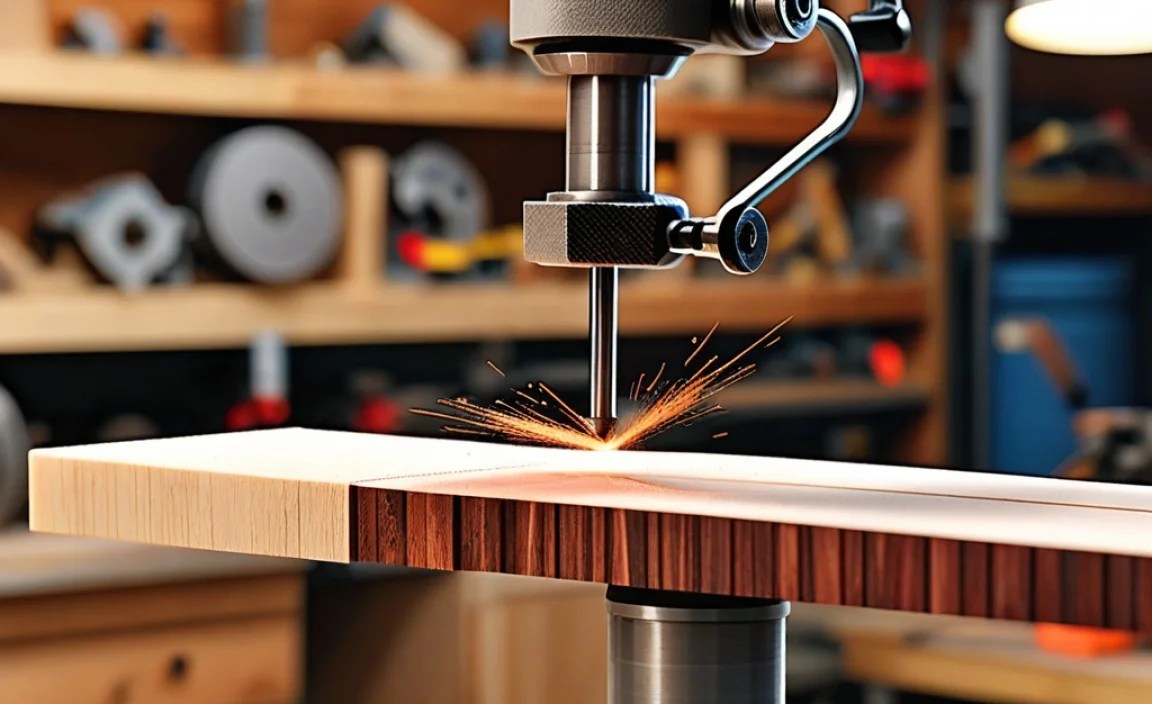
Think of the banjo as the heart of your tool rest system on a wood lathe. It’s the adjustable component that sits on the lathe bed and firmly grips the tool rest. Its primary job is to allow you to position the tool rest at the perfect height and angle for whatever you’re turning, and then lock it securely in place so it doesn’t move during operation.
The banjo typically consists of a main body that slides along the lathe bed and a clamping mechanism, often a lever or handwheel, that tightens down onto the bed ways. This clamping action is what holds everything steady. Attached to the top of the banjo is where your tool rest, the long bar you rest your turning tools on, is mounted and secured.
Why Might You Need a Banjo Replacement?
Several things can go wrong with a banjo, leading to the need for a replacement. The most common issues arise from wear and tear, improper adjustment, or accidental damage.
- Worn Clamping Mechanism: Over time, the threads on the tightening screw or the locking surface of a lever can become worn. This means the banjo won’t grip the lathe bed tightly enough, leading to movement.
- Stripped Threads: If the tightening mechanism is overtightened or forced, the threads can strip, rendering it useless for securing the banjo.
- Cracked or Deformed Body: Accidental drops or excessive force can cause the banjo’s body to crack or warp, preventing it from clamping evenly or flush against the bed.
- Corrosion: If your lathe is exposed to moisture or damp conditions, rust can build up, seizing parts of the banjo or degrading its surfaces, making it difficult to adjust or secure properly.
- Upgrade or Part Failure: Sometimes, a banjo might be functional but made of less robust materials, and an upgrade can offer better stability or features. In other cases, a specific part might break beyond repair.
A banjo that doesn’t hold firm is not just annoying; it’s a safety hazard. It can lead to tool chatter, rough finishes, and in the worst-case scenario, the tool or workpiece could be ejected from the lathe. Replacing a faulty banjo is a crucial maintenance step to ensure your lathe remains safe and effective.
Assessing Your Current Banjo

Before you order a new banjo, it’s wise to thoroughly inspect your current one. Sometimes, a fix is simpler than a full replacement. You’ll want to check for:
- Looseness: With the banjo clamped down, try to wiggle the tool holder and the banjo body. Does it move freely on the lathe bed even when tightened?
- Clamping Surface: Look at the part of the banjo that contacts the lathe bed. Are there deep gouges or wear marks? Is the surface warped or uneven?
- Tightening Mechanism: Operate the lever or handwheel. Does it tighten smoothly and with significant force? Or does it spin freely without engaging, or feel spongy?
- Cracks or Damage: Visually inspect the entire banjo body. Are there any visible cracks, particularly around stress points like where the tightening mechanism attaches?
If you find significant wear, damage, or a complete failure of the clamping mechanism, it’s time to consider a replacement. For many common lathes, replacement parts are readily available from the manufacturer or third-party suppliers.
Tools and Materials You’ll Need

Gathering the right tools makes the replacement process much smoother. Most banjo replacements are relatively straightforward and don’t require highly specialized equipment. Here’s a typical list:
- New Banjo: Ensure it’s compatible with your specific lathe model.
- Wrench or Socket Set: You might need these to remove any nuts or bolts holding the old banjo or parts of it in place.
- Screwdriver Set: For any screws that secure handles or internal components.
- Allen Keys (Hex Wrenches): Many lathe components use Allen bolts for adjustment or assembly.
- Rag or Shop Towels: For cleaning parts and hands.
- Light Lubricant (e.g., WD-40, light machine oil): For freeing up stubborn bolts or to use on the new banjo’s moving parts.
- Safety Glasses: Always wear these when working on machinery.
- Gloves (Optional): To protect your hands.
Refer to your lathe’s manual if you have it. It will often provide specific details about your banjo’s construction and recommend the correct tools for disassembling and reassembling it.
Step-by-Step Guide to Replacing Your Wood Lathe Tool Rest Banjo
Follow these steps carefully to replace your wood lathe’s tool rest banjo. Remember, safety first! Ensure the lathe is unplugged before you begin any work.
Step 1: Prepare the Lathe and Remove the Old Banjo
- Unplug the Lathe: This is the most critical safety step. Disconnect the power supply to your lathe.
- Remove the Tool Rest: Slide the existing tool rest out of the banjo.
- Loosen the Banjo Clamp: Fully loosen the clamping mechanism (lever or handwheel) on the old banjo. You want to ensure it’s not gripping the lathe bed at all.
- Slide the Old Banjo Off: With the clamp fully loosened, gently slide the old banjo off the end of the lathe bed. If it’s stuck, check for any obstructions or if the clamp is truly disengaged. Sometimes, a gentle tap with a rubber mallet might help, but avoid excessive force.
- Inspect the Bed Ways: While the banjo is off, take a moment to inspect the lathe bed ways where the banjo slides. Clean any dust, debris, or old grease. The clean surface will ensure the new banjo slides and clamps effectively. A light application of a dry lubricant (like glide paste or specific machine way lubricant) can be beneficial for smooth movement. You can find great information on maintaining lathe bed ways from resources like the Woodworking Association, which often covers best practices for machine care.
Step 2: Prepare the New Banjo
Your new banjo may come as a single unit or require minor assembly. Check its components.
- Inspect the New Banjo: Ensure all parts are present and undamaged. If it came with separate components (like a lever or adjustment knob), assemble them according to the manufacturer’s instructions.
- Lubricate Moving Parts: Apply a small amount of light machine oil or appropriate lubricant to any moving parts, such as the clamping screw mechanism or where the banjo body might pivot, if applicable. This ensures smooth operation right from the start.
Step 3: Install the New Banjo
This is the reverse of removal.
- Position the New Banjo: Carefully slide the new banjo onto the lathe bed ways. It should slide on smoothly if the bed ways are clean.
- Rough Positioning: Slide the banjo to a convenient working position, but don’t tighten it down yet.
Step 4: Test and Adjust the Clamp
This is where you ensure the new banjo actually holds your tool rest securely.
- Install the Tool Rest: Slide your tool rest into the banjo’s tool rest holder.
- Mock-up Your Turning Position: Imagine you are about to start turning. Place your tool rest at a typical workable height and angle.
- Tighten the New Banjo: Use the clamping lever or handwheel to tighten the banjo securely onto the lathe bed.
- Test for Stability: Try to wiggle the tool rest and the banjo. There should be absolutely no play or movement. Apply firm pressure. If there’s any wobble, loosen the clamp, jiggle the banjo slightly, re-tighten, and test again. You might need to adjust the position slightly for the clamp to seat perfectly.
- Fine-tune Position: Once the banjo is tight and stable, you can slightly loosen it, make micro-adjustments to the tool rest position, and then re-tighten. The goal is a secure hold with minimal effort to lock.
Step 5: Final Checks and Cleanup
- Double-Check Security: Give everything one last, firm wiggle test. Ensure the banjo is locked tightly.
- Clean Up: Wipe away any excess lubricant or debris.
- Dispose of Old Parts: Properly dispose of the old banjo or set it aside for repair if possible.
- Reconnect Power: Once you are completely satisfied with the installation and everything is secure, you can plug the lathe back in.
Congratulations! You’ve successfully replaced your wood lathe’s tool rest banjo. Enjoy the stability and precision this crucial fix provides.
Troubleshooting Common Banjo Issues
Even with a new banjo, you might encounter hiccups. Here are some common problems and how to solve them:
- New Banjo Still Wobbly: This is usually down to the lathe bed ways themselves. Are they damaged, warped, or incredibly worn? If so, the banjo can’t clamp effectively. Sometimes, shims might be needed, but this is an advanced fix. More likely ensure the banjo is designed for your specific lathe model and that the bed ways are clean and undamaged for a proper grip.
- Banjo is Difficult to Slide: Check for debris or burrs on the lathe bed ways or the banjo’s sliding surface. Apply a small amount of appropriate machine lubricant as recommended by your lathe’s manufacturer.
- Clamping Lever is Stiff: A bit of lubricant on the screw threads or pivot points of the lever usually smooths this out. Don’t force it.
- Banjo Creaks or Makes Noise: This could be due to insufficient lubrication or parts rubbing against each other. A bit of grease or oil in the right spots can often resolve this.
Choosing the Right Replacement Banjo
Not all banjos are created equal. When selecting a replacement, consider these factors to ensure compatibility and performance:
Compatibility with Your Lathe Model
This is paramount. Lathes come in various sizes and designs, and their bed ways—the part the banjo slides on and clamps to—differ. Always check the banjo’s specifications to ensure it’s designed for your specific make and model of wood lathe. Generic banjos might fit some lathes, but a dedicated replacement will offer the best fit and function.
Material and Build Quality
Look for banjos made from sturdy materials like cast iron or heavy-duty steel. These offer greater durability and stability compared to lighter-weight alloys. Higher-quality construction means a more secure clamp and a longer lifespan for the part.
Clamping Mechanism Design
There are a few common clamping designs:
| Mechanism Type | Description | Pros | Cons |
|---|---|---|---|
| Lever Clamp | A large lever that pivots to tighten and loosen the banjo onto the bed. | Quick to adjust, easy to operate. | Can sometimes be less secure than a handwheel if not fully engaged. |
| Handwheel Clamp | A rotating knob (handwheel) that threads into the banjo and tightens against the bed. | Provides very secure clamping, often offers finer adjustment. | Can be slower to tighten and loosen compared to a lever. |
| T-Handle Clamp | Similar to a handwheel, but uses a T-shaped handle for leverage. | Good leverage for a strong, secure clamp. | Can be bulkier than a handwheel. |
Consider which type you are most comfortable with or which seems most robust for your lathe.
Adjustability and Fit
Ensure the banjo allows for smooth sliding along the bed and that the tool rest post holder is adjustable for height and angle. Some banjos might offer finer adjustments than others, which can be beneficial for achieving perfect tool positioning. For detailed specifications on lathe components and how they interact, resources like the Wood Magazine often provide excellent breakdowns of woodworking machinery.
Understanding Banjo vs. Tool Rest
It’s worth noting the distinction between the banjo and the tool rest itself, as users sometimes confuse the two. The tool rest is the long bar (often curved or straight) that your turning tools rest against. The banjo is the component that holds the tool rest in position on the lathe bed. A problem with the tool rest usually involves its shape, wear on the surface where the tool slides, or damage to the mounting post. A problem with the banjo is almost always related to its ability to securely grip the lathe bed and hold the tool rest steady.
Safety Considerations for Lathe Maintenance
Working on any machinery requires a mindful approach to safety. When dealing with your wood lathe’s banjo, keep these points in mind:
- Always Disconnect Power: Never work on your lathe while it’s plugged in. This is the most fundamental safety rule.
- Wear Safety Glasses: Even for simple maintenance, flying debris or dropped tools can cause eye injuries.
- Secure Your Workpiece (if applicable): Though you’re not turning, if parts of the lathe are removed or adjusted, ensure the remaining components are stable and won’t unexpectedly shift.
- Don’t Force Parts: If a component is stuck, investigate why. Forcing it can lead to damage or injury. Sometimes, a penetrating lubricant or gentle persuasion with a wooden mallet is needed, but avoid brute force.
- Understand Your Lathe: Familiarize yourself with the specific mechanisms of your lathe model. If you’re unsure about a step, consult your owner’s manual or a knowledgeable source before proceeding. The Occupational Safety and Health Administration (OSHA) provides general safety guidelines for woodworking machinery that are always valuable to review.
- Keep the Area Clean: A tidy workspace reduces the risk of tripping or knocking tools over.
A well-maintained machine is a safe machine. Taking the time for proper repairs and upkeep is an investment in your safety and the quality of your work.
Frequently Asked Questions (FAQ) About Wood Lathe Banjo Replacement
Q1: What is the banjo on a wood lathe?
The banjo is a crucial part of your wood lathe that slides along the bed and clamps down to hold the tool rest securely in place. It allows for adjustment of the tool rest’s position, height, and angle.
Q2: How do I know if I need to replace my banjo?
You likely need a replacement if your tool rest wobbles or slides even when the banjo is tightened, if the clamping mechanism is stripped or broken, or if the banjo body itself is cracked or significantly damaged.
Q3: Can I use a banjo from a different brand of lathe?
Generally, it’s best to use a banjo specifically designed for your lathe model. Lathe beds and banjo designs vary, and a mismatched banjo may not fit securely or function correctly, posing a safety risk.
