Properly lubricating your wood lathe is crucial for smooth operation, extended machine life, and preventing rust. This guide covers the types of lubricants, where to apply them, and how often, ensuring your lathe runs efficiently and safely for years to come.
Wood Lathe Lubrication: An Essential Guide for Smooth Operation

Is your wood lathe making a grumpy noise? Does it feel a bit stiff to move? Don’t worry, it’s a common issue for woodworkers! Keeping your lathe well-oiled is one of the simplest yet most important maintenance tasks. It’s like giving your machine a refreshing drink. A well-lubricated lathe runs smoother, lasts longer, and helps you create beautiful projects without frustration. This guide will walk you through everything you need to know, from choosing the right oil to knowing exactly where to put it. Let’s get your lathe humming like new!
Why Lubrication is Key for Your Wood Lathe

Think of your wood lathe as a hardworking tool. It has many moving parts that rub against each other. Without proper lubrication, this friction can cause several problems:
- Increased Wear and Tear: Metal-on-metal contact without lubrication grinds away at surfaces, shortening the lifespan of critical components like bearings, ways, and headstock/tailstock.
- Rust and Corrosion: Moisture, dust, and metal particles can combine on unlubricated surfaces, leading to unsightly and damaging rust.
- Stiff Operation: Moving parts become difficult to slide or turn, making adjustments frustrating and less precise. This can affect your ability to make accurate cuts.
- Overheating: Friction generates heat. Excessive heat can warp parts and degrade lubricants, creating a vicious cycle of wear.
- Reduced Performance: A poorly lubricated lathe won’t perform as well, impacting the quality of your finished woodturning projects.
Regular lubrication is a small effort that pays huge dividends in performance, longevity, and the overall enjoyment of your woodworking hobby.
Understanding Different Lubrication Points
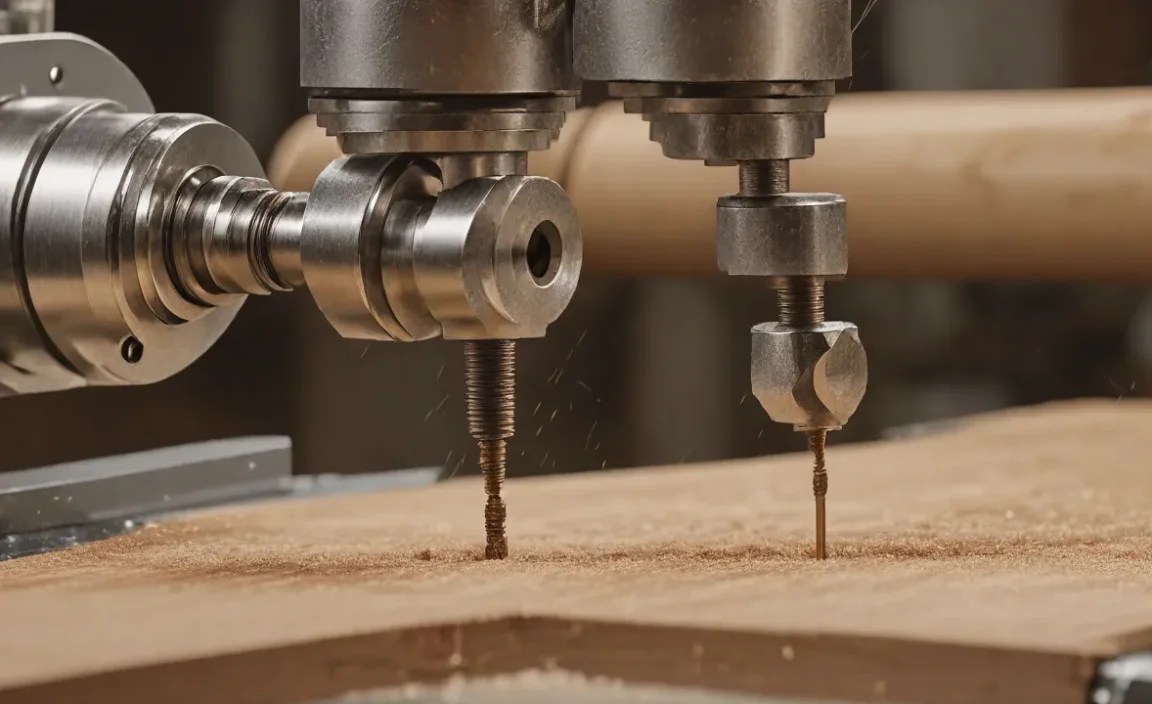
Your wood lathe has several specific areas that require regular attention. Knowing what each part does and why it needs lubrication is the first step to effective maintenance.
Headstock and Tailstock Bearings
These are the heart of your lathe’s rotation. The headstock houses the motor and drive mechanism, while the tailstock supports your workpiece. Both contain bearings that need to spin freely and smoothly.
- Headstock Bearings: These are typically sealed or shielded and often require a specific type of grease. Consult your lathe’s manual for the recommended lubricant and application method, usually via grease zerks.
- Tailstock Bushing/Spindle: The tailstock quill slides in and out. The ways it slides on, and the spindle itself, need a light film of lubricant to prevent sticking and wear.
Bed Ways (The Rails)
These are the flat or V-shaped tracks your tailstock and any tool rests slide along. Smooth, clean ways are essential for precise positioning. They are often made of cast iron and are prone to rust if not protected.
Tool Rest Post
The post that holds your tool rest needs to slide up and down (on some models) or be rotated and secured. The contact points here need lubrication to ensure quick and easy positioning.
Spindle Threads (Faceplate/Chuck)
The threads on the headstock where you attach your chuck or faceplate can accumulate dust and debris. Cleaning and lightly lubricating these threads ensures they screw on and off easily without galling.
Extension Beds and Outboard Tool Rests
If your lathe has an extension bed for longer pieces, or an outboard tool rest for larger diameter work, these sliding or mounting points also require lubrication.
Motor and Belt Drive (if applicable)
While many modern wood lathes have sealed bearings in their motors, older models or specific designs might have greasing points. The belt drive system, especially if it’s a manual tensioning one, might also have specific lubrication requirements for pivot points. Always check your manual.
Choosing the Right Lubricant: What to Use and What to Avoid

Not all lubricants are created equal, and using the wrong one can do more harm than good. Here’s a breakdown of what works best for different parts of your wood lathe.
Recommended Lubricants
- Light Machine Oil / Sewing Machine Oil: This is a versatile and excellent choice for many general lubrication needs on a wood lathe. It’s thin enough to penetrate tight spaces and leave a protective film without attracting excessive dust. It’s perfect for sliding surfaces like bed ways, tool rest posts, and tailstock spindles. Look for brands specifically labeled as “light machine oil” or “sewing machine oil.” A common type is a low-viscosity mineral oil.
- PTFE-Based Dry Lubricant Spray: For areas where you want a lubricant that won’t attract dust (like ways or tailstock slides), a dry spray lubricant containing PTFE (Polytetrafluoroethylene, like Teflon) can be highly effective. It dries to a low-friction film. Ensure it’s designed for metal-on-metal applications. Often found in cycling or automotive sections. Apply in a well-ventilated area.
- Lithium Grease (White Lithium Grease): This is a thicker, more durable lubricant. It’s best suited for areas that experience higher pressure or require longer-lasting lubrication, such as headstock bearings (if they have accessible grease zerks) or pivot points on tool rests. It provides excellent protection against rust and wear.
- Paraffin Wax (for Ways): While not a liquid lubricant, a paste wax or paraffin wax rubbed onto the bed ways can provide a smooth gliding surface and a degree of rust protection. It’s a good alternative or supplement for the ways, especially if you encounter issues with oil attracting too much sawdust.
What to Avoid
- WD-40 as a Primary Lubricant: While many people reach for WD-40, it’s primarily a water displacer and solvent. It can work as a temporary fix for rust or seizing, but it evaporates quickly and doesn’t provide long-lasting lubrication. In fact, its solvent properties can sometimes strip away existing good lubricant, leaving parts unprotected. It’s not recommended for routine lubrication of moving machine parts.
- Heavy Motor Oils or Greases: These are too thick for most wood lathe applications. They can attract a lot of dust and debris, gumming up moving parts and making operation stiff.
- Household Oils (e.g., Cooking Oil): These can go rancid and leave a sticky residue, attracting dust and potentially causing more problems than they solve.
- Silicone Sprays: While good for rubber and plastic, silicone sprays are generally not the best choice for metal-on-metal lubrication in a workshop environment.
Pro Tip: Always check your wood lathe’s owner’s manual. It will specify the exact type of lubricant recommended by the manufacturer for each component. This is the golden rule!
Step-by-Step: Lubricating Your Wood Lathe

Following a routine for lubrication ensures no critical part is missed. Here’s a practical step-by-step approach:
Step 1: Safety First!
Before you start any maintenance, always ensure the lathe is unplugged from the power source. This prevents accidental start-ups, which can be extremely dangerous.
Step 2: Clean All Surfaces
Lubrication works best on clean surfaces. Use a clean, lint-free cloth to wipe down all the areas you plan to lubricate. Remove any sawdust, metal shavings, old grease, or grime. For stubborn grime or rust, you might need a gentle degreaser or a fine brass brush, followed by a thorough wipe-down.
For bed ways: A stiff brush and a cloth can remove most debris. For stubborn sticky residue, a bit of mineral spirits on a rag can help, but ensure the surface is thoroughly dry before proceeding. A good resource for cleaning metal surfaces is often found on industrial maintenance sites; for example, OSHA’s guidelines on machine guarding, while focused on safety, implicitly highlights the need for well-maintained equipment that starts with clean surfaces.
Step 3: Lubricate the Bed Ways
This is crucial for the smooth movement of your tailstock and tool rest. Apply a light coating of machine oil or a residue-free lubricant along the bed ways. If you prefer wax, apply a thin layer of paste wax or rub a block of paraffin wax along the ways.
Work the tailstock and tool rest back and forth to distribute the lubricant evenly. Wipe away any excess. The goal is a smooth slide, not a dripping mess.
Step 4: Lubricate Tailstock and Tool Rest Post
Apply a few drops of light machine oil to the tailstock quill where it enters the tailstock body. Slide the quill in and out several times to spread the oil. For the tool rest post, apply a drop of oil to the part that slides or rotates. Move them to distribute.
Step 5: Address Headstock and Tailstock Bearings
This is where checking your manual is most important. Many modern lathes have sealed bearings that don’t require regular user lubrication. If your lathe has grease zerks for the headstock bearings:
- Attach a grease gun fitted with the recommended grease (usually white lithium grease or a specific bearing grease).
- Pump a small amount of grease until you feel resistance or see a small amount emerge from the seal – don’t over-grease! Over-greasing can force grease past seals and into areas where it’s not wanted, or even damage seals.
For tailstock spindles that don’t have zerks, a light application of oil or grease on the exposed spindle shaft and inside the tailstock body where the quill slides is beneficial.
Step 6: Spindle Threads and Other Points
Apply a tiny dab of grease or oil to the headstock spindle threads, and screw your chuck or faceplate on and off a few times to distribute. You can also apply a small amount of oil to any pivot points on tool holders or other accessories.
Step 7: Final Wipe Down and Test
Wipe away any excess lubricant to prevent it from attracting too much dust. Plug in your lathe and run it at a low speed. Gently slide your tailstock and tool rest to ensure everything moves smoothly. Listen for any unusual noises.
Lubrication Schedule: How Often Should You Do It?
The frequency of lubrication depends on how often you use your lathe and the environment it’s in. Here’s a general guideline:
| Component | Frequency (Light Use) | Frequency (Heavy/Dusty Use) | Lubricant Type |
|---|---|---|---|
| Bed Ways | Monthly | Weekly to Bi-weekly | Light Machine Oil, Dry Lube Spray, or Wax |
| Tailstock Quill/Spindle | Monthly | Bi-weekly | Light Machine Oil |
| Tool Rest Post | Monthly | Bi-weekly | Light Machine Oil |
| Headstock Bearings (with zerks) | Every 6-12 Months (or as per manual) | Every 3-6 Months (or as per manual) | Specified Bearing Grease / White Lithium Grease |
| Spindle Threads | Every Few Months, or before major projects | Monthly | Light Grease or Oil |
| Pivot Points/Accessories | As needed | As needed | Light Machine Oil |
Factors Influencing Frequency:
- Usage: The more you use your lathe, the more frequently it needs lubrication.
- Environment: A dusty, humid, or workshop that experiences temperature swings will require more frequent oiling to prevent rust and ensure smooth operation.
- Type of Wood: Some woods can produce finer dust that is more pervasive.
- Project Type: Long turning sessions or heavy cuts can put more stress on moving parts.
A good rule of thumb is: “When in doubt, lubricate.” It’s much easier to add a bit more oil than to repair parts damaged by friction or rust.
Common Problems and Troubleshooting
Even with regular maintenance, you might encounter issues. Here are a few common problems and how to solve them:
Problem: Tailstock is Stiff or Sticks
Cause: Lack of lubrication on the quill or internal ways, or accumulated debris.
Solution: Thoroughly clean the tailstock quill and the area it slides into. Apply light machine oil generously, move the quill in and out repeatedly, and wipe away excess. If it persists, you may need to disassemble the tailstock to clean and lubricate internal components. For guidance on specific disassembly, refer to resources like Woodworker’s Journal, which often provides practical maintenance advice.
Problem: Bed Ways Squeak or Feel Gritty
Cause: Dirty ways, insufficient lubrication, or rust.
Solution: Clean the ways meticulously. Apply a suitable lubricant (oil, dry spray, or wax). Work the tailstock/tool rest back and forth. If rust is present, use a fine brass brush and mineral spirits to remove it, then re-lubricate.
Problem: Lathe Feels “Heavy” or Sluggish to Turn
Cause: This could be several things, including dry bearings in the headstock, a faulty motor, or issues with the belt drive if it’s a belt-driven model. If it’s not related to the ways or tailstock, suspect the headstock.
Solution: Check your headstock bearings. If they have grease zerks, try adding a small amount of fresh grease. If it’s a belt-driven model, check belt tension and lubricate any pivot points on the motor mount or belt tensioning mechanism.
Problem: Rust Spots Appear Quickly
Cause: Insufficient lubrication, high humidity, or leaving the lathe exposed to moisture.
Solution: Ensure all metal surfaces, especially bed ways and the tailstock, have a light protective film of lubricant. Wipe down the machine with a lightly oiled cloth after use if humidity is high. Store in a dry environment.
Frequently Asked Questions (FAQ)
What is the best lubricant for wood lathe ways?
The best lubricants for wood lathe ways are light machine oils, dry lubricants with PTFE, or even paste wax/paraffin. These ensure smooth movement without attracting excessive sawdust or leaving a gummy residue.
Can I use WD-40 on my wood lathe?
WD-40 is not recommended as a primary lubricant for your wood lathe. It’s a water displacer and solvent that evaporates quickly, offering only short-term protection. It can even remove existing, better lubricants. Use it for rust removal if necessary, but follow up with a proper lubricant.
How often should I lubricate my wood lathe?
For light use, lubricate general sliding parts monthly and check more critical areas every few months. For heavy or dusty use, you might need to lubricate ways and sliding parts weekly or bi-weekly. Always consult your lathe’s manual for specific recommendations.
Do I need to lubricate sealed bearings on my lathe?
Most modern wood lathes feature sealed bearings that do not require user lubrication. If your lathe has accessible grease zerks on the headstock bearings, refer to your owner’s manual for the correct grease type and frequency of application. Over-greasing can damage seals.
What kind of grease should I use for headstock bearings?
If your headstock bearings have grease zerks, use the type of grease recommended by your lathe’s manufacturer. Commonly, this is a good quality white lithium grease or a general-purpose bearing grease. Always use a low-viscosity grease to avoid forcing it past seals.
How do I clean my lathe before lubricating?
Before lubricating, thoroughly clean all metal surfaces with a dry, lint-free cloth to remove sawdust, chips, and grime. For stubborn dirt or light rust, use a brass brush and a bit of mineral spirits, then wipe clean and ensure the surface is dry before applying lubricant.
Is it okay to let oil drip onto my workpiece?
No, it is not okay for lubricants to drip onto your workpiece. Not only can it contaminate the wood, but it can also be a fire hazard, especially when working with fine sawdust. Ensure all excess lubricant is wiped away and that components are not over-lubric.
