Wood lathe motor overheating? Don’t panic! This guide breaks down common causes and simple fixes, from checking dust buildup to ensuring proper ventilation and belt tension. Get your lathe running cool and smoothly again.
Hey, makers! Daniel Bates here from Lathe Hub. We all love the satisfaction of turning beautiful wood on a lathe. But nothing stops creativity faster than a motor that’s too hot to handle. An overheating motor isn’t just annoying; it can damage your tool and even pose a safety risk. Don’t worry, though! Most of the time, this is a fixable problem. We’ll walk through the common culprits step-by-step, so you can get back to creating.
Why is My Wood Lathe Motor Overheating? Common Causes and Fixes

An overheating wood lathe motor is a frustrating issue, especially when you’re in the zone. It can feel like your machine is fighting you. But understanding why it happens is the first step to solving it. We’ll explore the most frequent reasons your motor is running too hot and what you can do about each one. Think of this as your essential troubleshooting guide to keep your lathe purring, not panting.
1. Dust Buildup: The Silent Killer of Motor Performance

Woodworking produces dust, and that dust loves to get everywhere, especially inside your motor. It acts like an insulator, trapping heat and blocking airflow. This is probably the most common reason for motor overheating. If your lathe is in a dusty shop, this is your prime suspect.
Checking for Dust Buildup
Before you do anything else, take a good look at your motor housing. You’ll likely see vents and openings designed to let air in and out. Are they clogged with sawdust? If it looks like a dust bunny convention, you’ve found a problem.
How to Clean Your Motor
Safety first! Always unplug your lathe before any cleaning or maintenance. You’ll need a few simple tools:
- Compressed air (a can or an air compressor)
- A soft brush (a paintbrush or specialized motor brush works well)
- A vacuum cleaner with a brush attachment
- A dry, lint-free cloth
Here’s the process:
- Unplug the Lathe: Absolutely crucial for safety.
- Access the Motor: You might need to remove a cover or guard. Consult your lathe’s manual if you’re unsure.
- Blow Out the Dust: Use compressed air to blow dust out of all the vents, nooks, and crannies. Work from one side to push the dust out the other. Be prepared for a cloud!
- Brush and Loosen Stubborn Dust: For any dust that’s stuck, gently use your soft brush to loosen it. Then, blow it away with compressed air.
- Vacuum: Use your vacuum with a brush attachment to clean up any loose dust around the motor and the shop floor.
- Wipe Down: Use a dry cloth to wipe down the exterior of the motor housing.
- Reassemble and Test: Put any covers back on, plug in your lathe, and run it for a few minutes to see if the temperature has improved.
Regular cleaning is key. Try to blow out the dust every few months, or more often if you use your lathe heavily or are in a particularly dusty environment. Think of it like changing the oil in your car – preventative maintenance saves headaches.
2. Poor Ventilation: Blocking the Motor’s “Lungs”
Just like you need fresh air, your motor needs good ventilation to stay cool. If the air vents around the motor are blocked, either by dust (as mentioned above) or by being too close to walls or other equipment, it can’t dissipate heat effectively.
Assessing Your Lathe’s Placement
Take a look at where your lathe is set up. Is it tucked away in a corner with very little space around it? Motors need at least a few inches of clearance on all sides, especially where the air enters and exits. Ensure there are no obstructions blocking the airflow to and from the motor housing. If your lathe is against a wall or buried under materials, consider repositioning it.
Shop Environment Factors
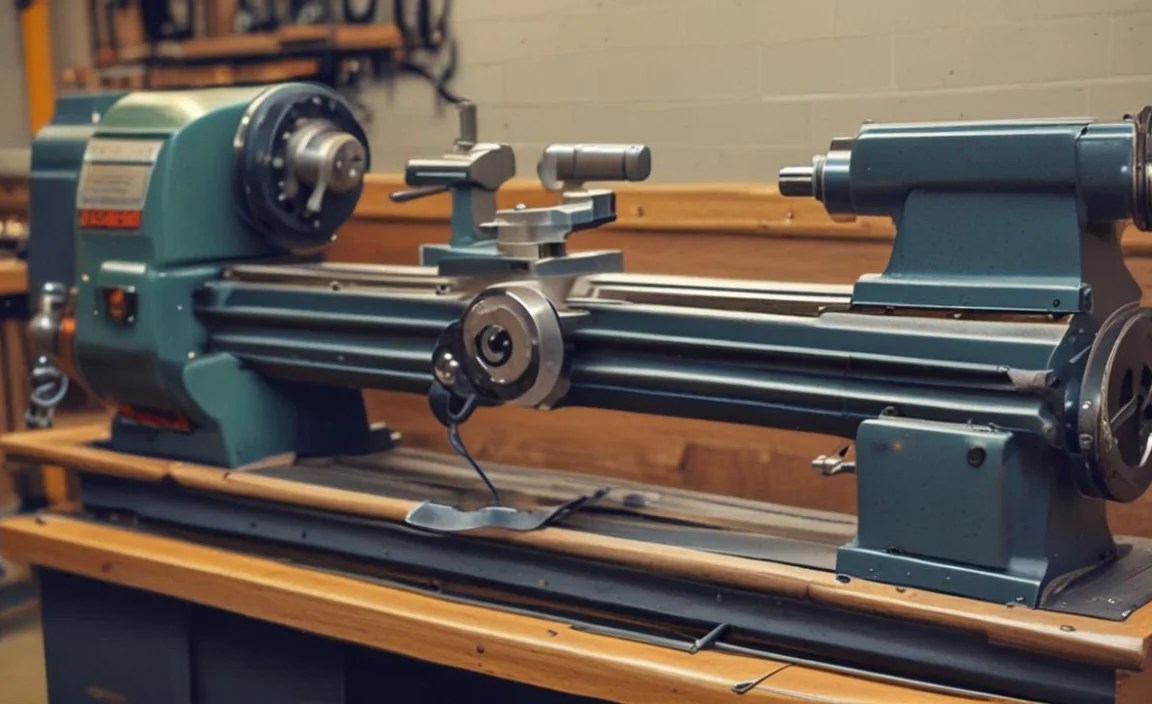
The general temperature of your workshop also plays a role. If your shop becomes an oven in the summer, even a well-ventilated motor will struggle. Consider adding a fan to circulate air in your workspace, especially around the lathe area. This can make a significant difference in keeping your equipment cool.
3. Overworking the Motor: Pushing Beyond Its Limits
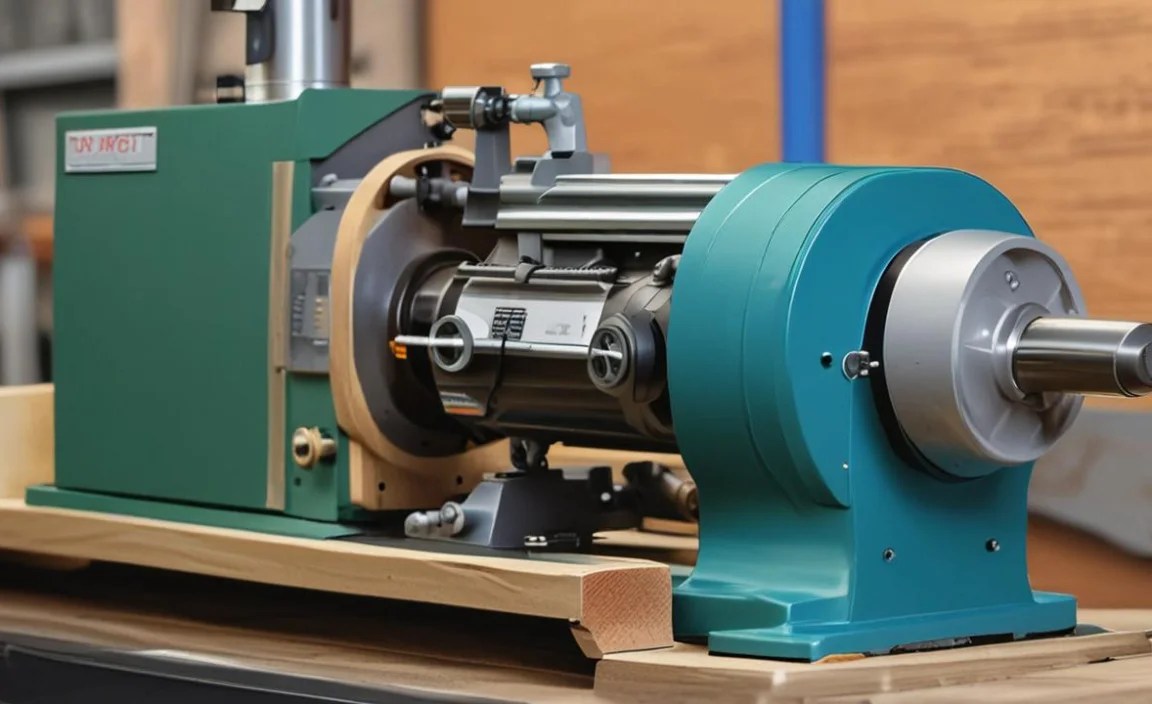
Woodturning, especially with hard woods or large blanks, demands a lot from your lathe’s motor. If you’re consistently hogging out material quickly, trying to turn excessively large pieces for your motor’s horsepower, or using dull tools that require more force, you’re putting a heavy load on the motor. This increased load generates more heat.
Matching Tasks to Your Lathe’s Power

Every motor has a horsepower rating, which tells you its capacity. For beginners, it’s easy to try and tackle projects that are a bit too ambitious for the machine. If you’re consistently struggling to cut, hear the motor straining, or notice it getting hot very quickly, you might be asking too much of it. Check your lathe’s specifications and compare them to the demands of your projects. For more demanding tasks like turning large bowls or using dense hardwoods, you might need a more powerful lathe or to take lighter cuts.
The Impact of Dull Tools

This is a big one for woodturners of all levels. Dull tools don’t just make for a frustrating turning experience; they force the motor to work harder. When you push a dull gouge or scraper into the wood, it’s essentially tearing and rubbing rather than cutting cleanly. This requires more torque and thus generates more heat in the motor. Regularly sharpening your turning tools is one of the most effective ways to reduce strain on your motor and improve your results.
For excellent guidance on sharpening techniques, the Woodturners Guild of North America often has resources and links to sharpening guides.
Here’s a quick look at how tool sharpness affects motor strain:
| Tool Condition | Motor Strain | Wood Finish | Cutting Action |
|---|---|---|---|
| Sharp | Low | Smooth, clean | Effortless, slicing |
| Dull | High | Torn, fuzzy | Rubbing, tearing |
4. Belt Issues: The Power Transmission Connection

The belt connecting your motor pulley to your headstock pulley is crucial for transferring power. If this belt is too tight, too loose, or damaged, it can cause problems, including motor overheating.
Belt Tension: Not Too Tight, Not Too Loose

A belt that’s too tight puts excessive strain on the motor bearings and the belt itself, generating heat. A belt that’s too loose might slip, causing inefficiency and, paradoxically, also generating heat as it scrubs against the pulleys. The ideal tension allows the belt to grip the pulleys firmly without being stretched excessively tight.
How to Check Tension:
- Unplug the Lathe! Always the first step.
- Locate the Belt: You’ll usually access it via a belt guard or cover.
- Gently Flex the Belt: With your finger, press down in the middle of the longest section of the belt between the pulleys.
- What to Look For: The belt should have a little give – typically about half an inch (around 1.25 cm) of deflection. If it feels rock-hard or has a lot of slack, it needs adjustment.
Adjusting Tension: Most lathes have an adjustment mechanism, often involving moving the motor slightly to increase or decrease belt tension. Consult your lathe’s manual for specific instructions on how to do this. Make small adjustments and re-check the tension.
Belt Condition
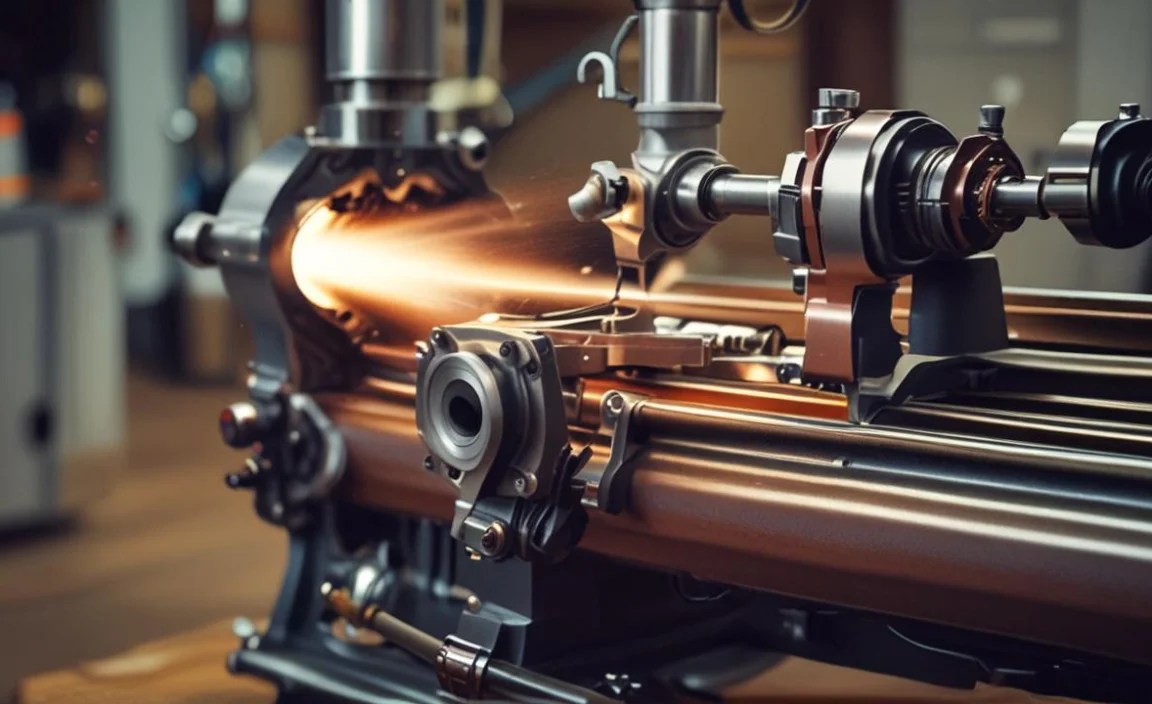
Inspect the belt for any signs of wear, such as cracks, fraying, glazing (a shiny, hardened surface), or missing chunks. A damaged belt is less efficient and can slip, leading to heat buildup. If your belt looks worn, it’s time for a replacement. Finding the correct replacement belt size is important; your manual should specify this, or you may need to measure the old one.
Pulley Alignment
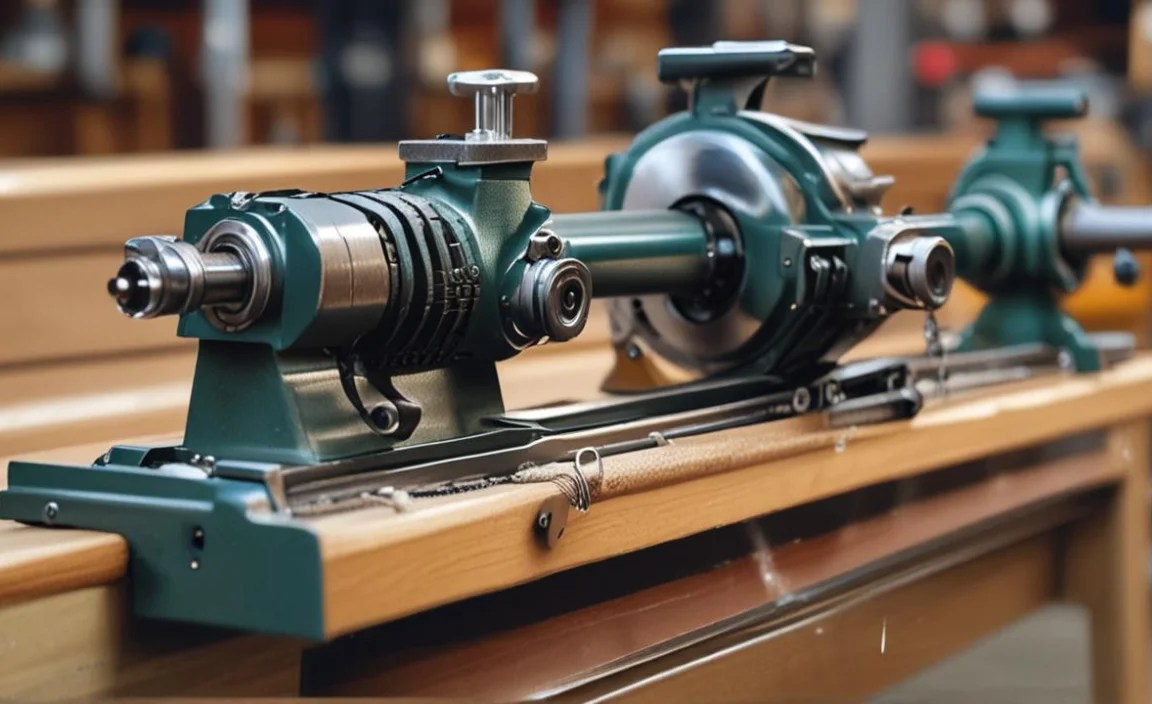
Ensure that the motor pulley and the headstock pulley are perfectly aligned. If they’re off-center even slightly, the belt will run at an angle, causing premature wear and increasing friction and heat. This misalignment can sometimes be corrected by adjusting the motor mount or sometimes the headstock mount, depending on your lathe’s design. Again, refer to your manual.
5. Bearing Problems: Friction is the Enemy
The motor has bearings that allow the shaft to spin smoothly. If these bearings are worn out, dry, or damaged, they create excessive friction. This friction generates a lot of heat, and you might also hear a grinding or squealing noise when the motor runs.
Identifying Bearing Issues
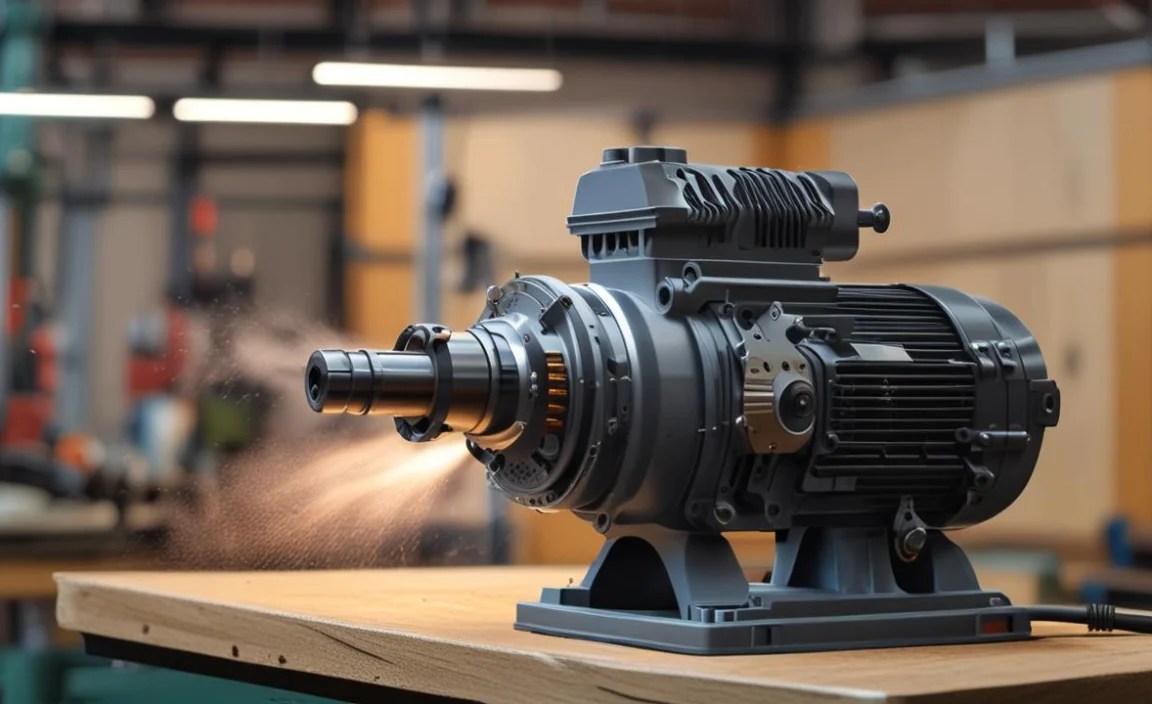
Listen carefully when your lathe is running. Do you hear any unusual noises coming from the motor itself? A rumbling, grinding, or high-pitched squeal can indicate bad bearings. You might also be able to feel excessive vibration in the motor housing.
What You Can Do About Bearings
Lubrication: Some older motors have grease fittings or oil ports. If yours does, consult your manual to see what type of lubricant to use and how often. Using the wrong type of lubricant or over-lubricating can be as bad as not lubricating at all. Many modern motors, especially in smaller lathes, are sealed and not designed to be lubricated by the user.
Replacement: If your bearings are indeed bad and not user-serviceable, they will need to be replaced. This can be a more involved repair. You would typically need to remove the motor, disassemble it to access the bearings (which might require a bearing puller), install new bearings, and reassemble the motor. If you’re not comfortable with this level of mechanical work, it might be time to seek professional help or consider if the cost of repair is worth it for an older motor compared to replacing the entire motor or even the lathe.
Information on motor bearing maintenance can often be found on resources like the Machinery Lubrication website, which offers in-depth articles on bearing care and troubleshooting.
6. Electrical Issues: The Less Common, But Serious, Culprits

While less common for beginners, underlying electrical problems can cause a motor to overheat. This could be an issue with the motor windings, the capacitor (in some motors), or even the wiring itself.
Faulty Capacitor (if applicable)
Some single-phase AC motors use a start or run capacitor to help them start and run efficiently. If this capacitor is failing, the motor might struggle to get up to speed or run at the correct speed, leading to increased current draw and heat. You might notice the motor hums but doesn’t turn, or it turns slowly. Capacitors can fail over time, and they can be a fire hazard if they rupture.
Warning: Capacitors store electrical charge even when the power is off. Always discharge a capacitor safely before attempting to service or replace it. If you’re unsure, leave this to a qualified electrician.
Motor Windings
The copper windings inside the motor can become damaged due to age, overheating, or physical impact. If the insulation on the windings breaks down, it can cause them to short-circuit, drawing excessive current and generating a lot of heat. This often results in a distinct burning smell. Damaged windings usually mean the motor needs to be replaced.
Wiring and Connections
Loose or corroded electrical connections within the motor housing or in the lathe’s control box can create resistance, leading to heat buildup. Check all visible wiring connections to ensure they are tight and free of corrosion. As always, make sure the lathe is unplugged before inspecting any wiring.
When to Call a Professional
If you suspect electrical issues beyond simple loose connections, it’s best to consult a qualified electrician or a motor repair specialist. Working with electrical components carries risks, and improper diagnosis or repair can be dangerous.
7. Ambient Temperature and Humidity: The Environment’s Impact

We touched on this briefly with ventilation, but it bears repeating. Extremely high ambient temperatures in your workshop will naturally make it harder for any motor to stay cool. Similarly, very high humidity can contribute to corrosion on electrical components and potentially affect motor performance over time.
Managing Workshop Conditions
If your workshop is an uninsulated shed that bakes in the summer or a damp basement, these environmental factors can be significant contributors to your motor’s overheating problem. Simple solutions include:
- Increasing Air Circulation: Use fans to move air around your workspace.
- Improving Insulation: If feasible, insulating your workshop can help moderate temperatures.
- Dehumidifiers/Humidifiers: Use these devices to maintain a more stable humidity level.
- Operating During Cooler Times: If possible, use your lathe during cooler parts of the day.
Troubleshooting Steps: A Quick Reference Table
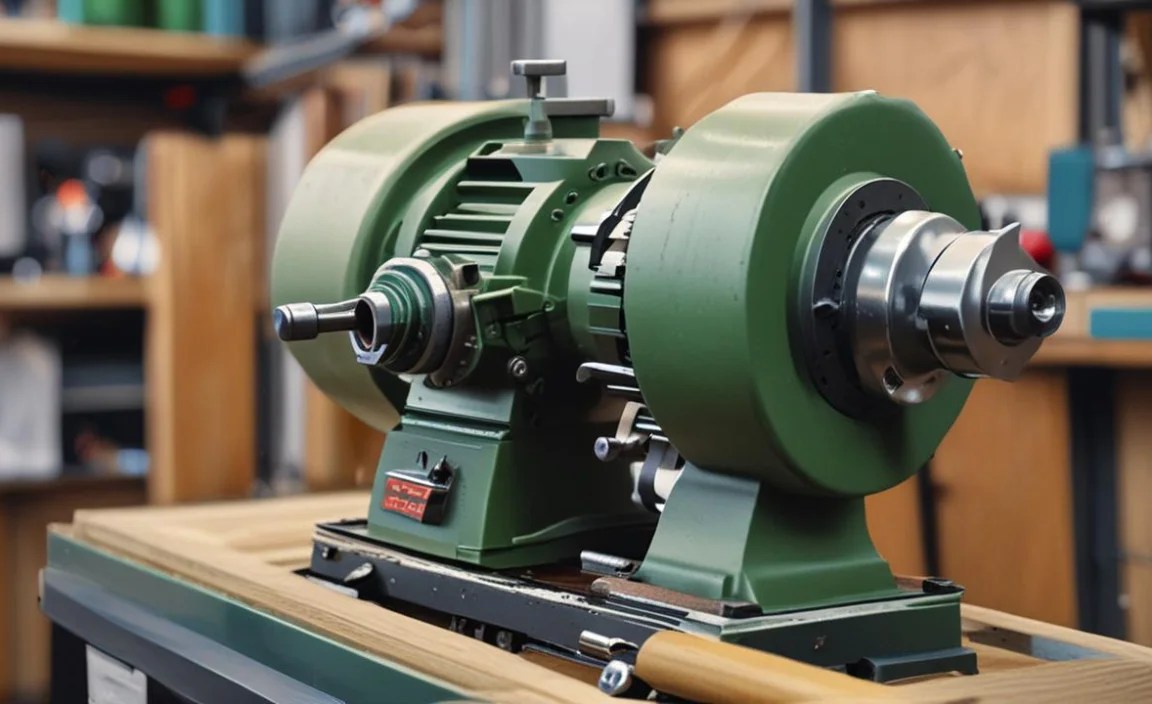
Here’s a simplified table to help you quickly identify potential causes and solutions:
| Symptom | Most Likely Cause(s) | Recommended Action |
|---|---|---|
| Motor feels hot after short use, no unusual noises | Dust buildup, poor ventilation | Clean motor vents, check clearances, improve air circulation. |
| Motor strains, overheats quickly during cuts | Dull tools, working too aggressively, wrong wood for motor size | Sharpen tools, take lighter cuts, match project to lathe power. |
| Grinding, squealing, or rumbling noise from motor | Bad bearings | Check lubrication (if applicable), consider bearing replacement. |
| Motor hums but won’t start or runs slowly, smells like burning ozone | Faulty capacitor, winding issue | Consult professional for electrical diagnosis. |
| Motor gets warm but not excessively hot, even during normal use | Normal operating temperature (may need to check expectations), minor dust | Monitor, keep clean, ensure good airflow. |
Frequently Asked Questions (FAQ)
Q1: How hot is too hot for a wood lathe motor?
A1: While motors are designed to get warm, they shouldn’t be too hot to comfortably touch for more than a few seconds. If you can’t briefly hold your hand on the motor housing, it’s likely overheating. Extremely hot motors can smell like burning and may even shut off automatically if they have thermal overload protection.
Q2: Can I use household cleaners on my motor?
A2: Stick to dry methods like compressed air and brushes. Avoid using water or harsh household cleaners, as they can damage electrical components and cause corrosion. If a damp cloth is absolutely necessary for exterior cleaning, ensure it’s barely more than misted, and that the power is off.
Q3: My lathe has a variable speed control. Can this cause overheating?
A3: If your variable speed is controlled by an electronic speed controller (ESC) or variable frequency drive (VFD), these components can generate heat. Ensure the ESC/VFD has adequate ventilation as well. However, typically, the motor itself overheating is more related to the load, dust, or mechanical issues, rather than the speed setting itself unless the motor is consistently being run at very low speeds under heavy load.
Q4: How often should I clean the dust from my motor?
A4: It depends on how much you use your lathe and how dusty your shop is. For regular users, every 2-3 months is a good starting point. If you’re doing a lot of sanding or turning rough lumber, you might need to clean it monthly or even more frequently.
Q5: My motor seems to overheat only when I’m doing heavy cuts. Is this normal?
A5: It’s normal for a motor to generate more heat when under a heavier load. However, if it overheats quickly or you feel it’s excessive even for a heavy cut, it indicates a problem. This could mean your lathe is underpowered for the task, your tools are dull, or there’s another contributing factor like poor ventilation. Ensure you are taking manageable cuts and that your tools are sharp.
Q6: Is it safe to continue using my lathe if the motor gets warm?
A6: A motor that gets warm during use is generally normal. It’s when it gets hot – too hot to touch briefly – that it becomes.
