Wood lathe motor vibration and noise? A simple, proven fix involves checking and tightening the motor mount and ensuring the drive belt is properly tensioned and aligned. This guide breaks down the process into easy steps to get your lathe running smoothly and quietly again.
Hey everyone, Daniel Bates here, your guide from Lathe Hub! If your wood lathe has started making a concerning rumble or shaking that wasn’t there before, don’t worry. Motor vibration noise is a common issue for beginner woodturners, and it can be frustrating. It can make your work feel unstable and even affect the quality of your turnings. The good news is, most of the time, this problem has a straightforward, DIY fix right in your workshop. We’re going to walk through how to pinpoint the cause and get your lathe purring like it should, making your woodworking a lot more enjoyable and productive. Let’s get your lathe back in top shape!
Understanding Wood Lathe Motor Vibration

That shaking, rattling, or vibrating noise coming from your wood lathe’s motor isn’t just annoying – it’s a sign that something isn’t quite right. Think of it like a wobbly car tire; it’s not just a nuisance, it can lead to bigger problems down the road. In the case of a lathe, excessive vibration can affect the precision of your cuts, lead to a rougher finish on your workpiece, and, in extreme cases, put unnecessary stress on the motor and other components. For beginners, this can be a bit daunting, but the sources of this vibration are usually quite simple and logical.
The primary culprits behind motor vibration and noise on a wood lathe typically stem from a few key areas: the motor itself being loose, issues with the drive system (like belt tension), or even something as simple as an unbalanced workpiece or accessory. Fortunately, these aren’t complex mechanical failures. They are usually a matter of loose bolts, misaligned parts, or worn-out components that can be addressed with basic tools and a little patience.
Understanding how your wood lathe is constructed, especially the motor and its mounting, is the first step. Most wood lathes use an electric motor to spin the headstock. This motor is usually mounted to the lathe bed or a separate housing. For it to operate smoothly, it needs to be securely attached, balanced, and properly connected via a drive system, typically a belt. Any disruption in this secure, balanced connection can translate into vibration and unwanted noise.
Why Does My Wood Lathe Motor Vibrate? Common Causes
Before we dive into fixing it, let’s quickly look at the most frequent reasons your wood lathe motor might be acting up:
- Loose Motor Mount: Bolts holding the motor to the lathe frame can shake loose over time due to the motor’s natural operation and the vibrations it transmits.
- Drive Belt Issues: A belt that’s too loose will slip and can cause erratic spinning, leading to vibration. If it’s too tight, it can put strain on the motor bearings and the belt itself. An improperly aligned belt can also create wobbles.
- Unbalanced Motor Pulley: The pulley attached to the motor shaft needs to be perfectly balanced. If it has a slight imbalance or a piece is damaged, it will create vibration as it spins.
- Bent Motor Shaft: Though less common for new users, a bent motor shaft from an impact or manufacturing defect will absolutely cause vibration.
- Faulty Bearings: The bearings inside the motor or on the pulleys can wear out. When they do, they become noisy and can contribute to vibration.
- Electrical Issues: Sometimes, an inconsistent power supply or internal motor winding problems can cause the motor to run unevenly, creating vibration.
- Workpiece Imbalance (Indirect Cause): While not directly the motor, if you’re trying to turn a very rough or unbalanced piece of wood at high speeds, the entire lathe can shake. This isn’t the motor’s fault, but it feels like it!
The Proven Solution: Step-by-Step Fix
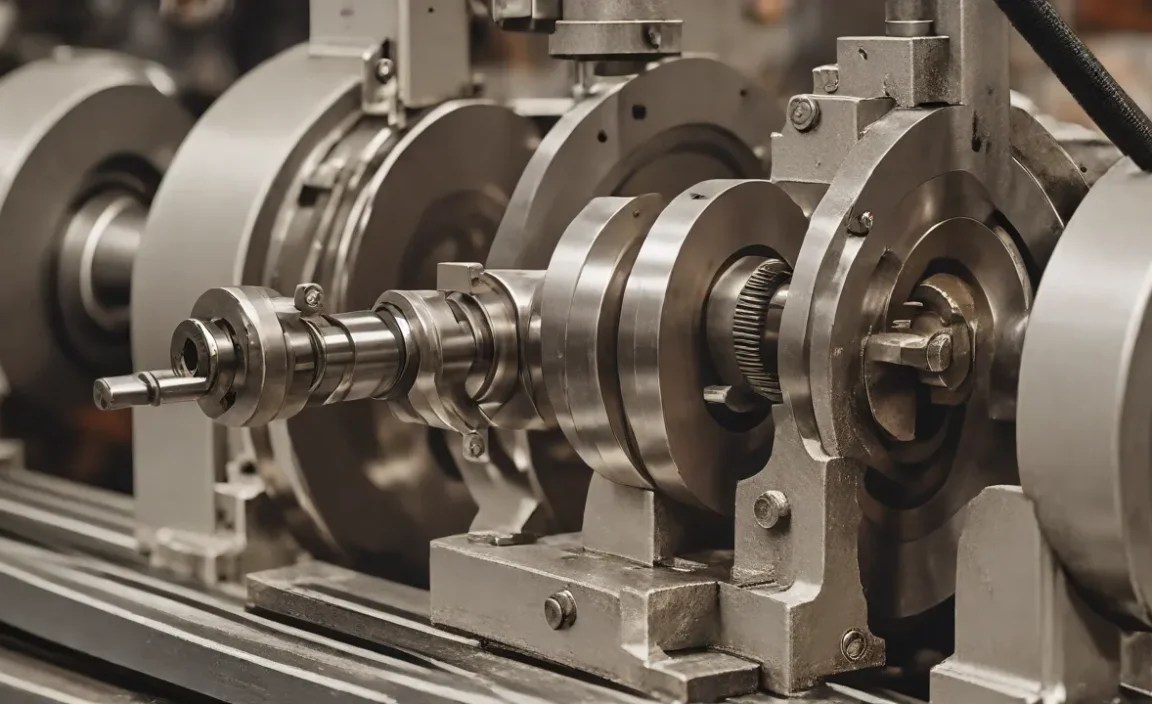
Alright, let’s get down to business. We’re going to tackle the most common and easiest-to-fix causes of wood lathe motor vibration first. You likely won’t need any specialized tools, just a few common wrenches, screwdrivers, and maybe a flashlight.
Step 1: Safety First! Disconnect Power
This is non-negotiable. Before you touch anything on the motor or belt system, make sure the lathe is completely unplugged or the circuit breaker is off. You don’t want any accidental startups while you’re working. Seriously, double-check this!
Step 2: Inspect the Motor Mount
This is the most frequent offender. The motor is typically mounted to the lathe’s frame using bolts. Over time, these bolts can vibrate loose.
- Locate the motor. It might be under a cover or directly visible.
- Gently try to wiggle the motor. Does it move independently of its mounting bracket?
- Using the appropriate wrench or socket set, check each bolt that secures the motor to its base or bracket.
- Tighten any loose bolts firmly, but avoid overtightening, which could strip the threads or damage the motor housing.
- For a more secure fit, especially if you notice significant wear on the mounting points, you can consider adding a small amount of medium-strength threadlocker (like Loctite Blue) to the bolts. Just a drop is enough!
Step 3: Examine the Drive Belt
The drive belt connects the motor pulley to the headstock pulley, transmitting the power. Its condition and tension are crucial for smooth operation.
a) Belt Tension:
- With the power still off, locate the belt tensioning mechanism. This varies by lathe model but often involves sliding the motor on a track or adjusting a specific screw.
- A properly tensioned belt should have a slight amount of give when pressed – about half an inch is a good rule of thumb.
- If it’s too loose, it will slip, making noise and causing inconsistent speed.
- If it’s too tight, it strains the motor bearings and can lead to premature wear and vibration.
- Adjust the tension until you achieve that slight give.
b) Belt Alignment:
- Ensure the motor pulley and the headstock pulley are perfectly aligned. They should spin on the same plane.
- Misalignment will cause the belt to run unevenly, leading to wobble and vibration.
- You can often check this by sight or by using a straight edge laid across both pulleys.
- Most lathes have a way to adjust this alignment by slightly moving the motor’s position or the pulley itself. Consult your lathe’s manual if you’re unsure.
c) Belt Condition:
- Inspect the belt for any signs of damage: cracks, fraying, nicks, or excessive wear.
- A damaged belt will not run smoothly and can cause vibration.
- If the belt looks worn or damaged, it’s time for a replacement.
Step 4: Check the Pulleys
The pulleys attached to the motor shaft and the headstock shaft need to be securely fastened and in good condition.
- Ensure the pulley on the motor shaft is tight. Sometimes, these are secured with a set screw. Make sure the set screw is tightened against a flat spot on the shaft, if one exists.
- Inspect the pulleys for any damage, dents, or warping. A damaged pulley will cause vibration.
- If a pulley is loose, tighten it according to your lathe’s manual, often with a set screw. If it’s damaged, it will need replacement.
Step 5: Inspect the Motor Itself
While less common, issues within the motor can also cause vibration.
- Look for any obvious physical damage to the motor housing.
- If you have a removable motor cover, you might be able to see if the motor fan is intact and spinning freely. Be extremely careful if you open any motor covers, and ensure power is absolutely disconnected.
- Listen closely to the motor when it’s running (temporarily reconnect power briefly and very cautiously for this test, and then disconnect again immediately). Does the noise seem to come from the motor itself (like grinding or rattling from within)? If so, it might indicate bearing issues or a more serious internal fault.
Troubleshooting Specific Issues
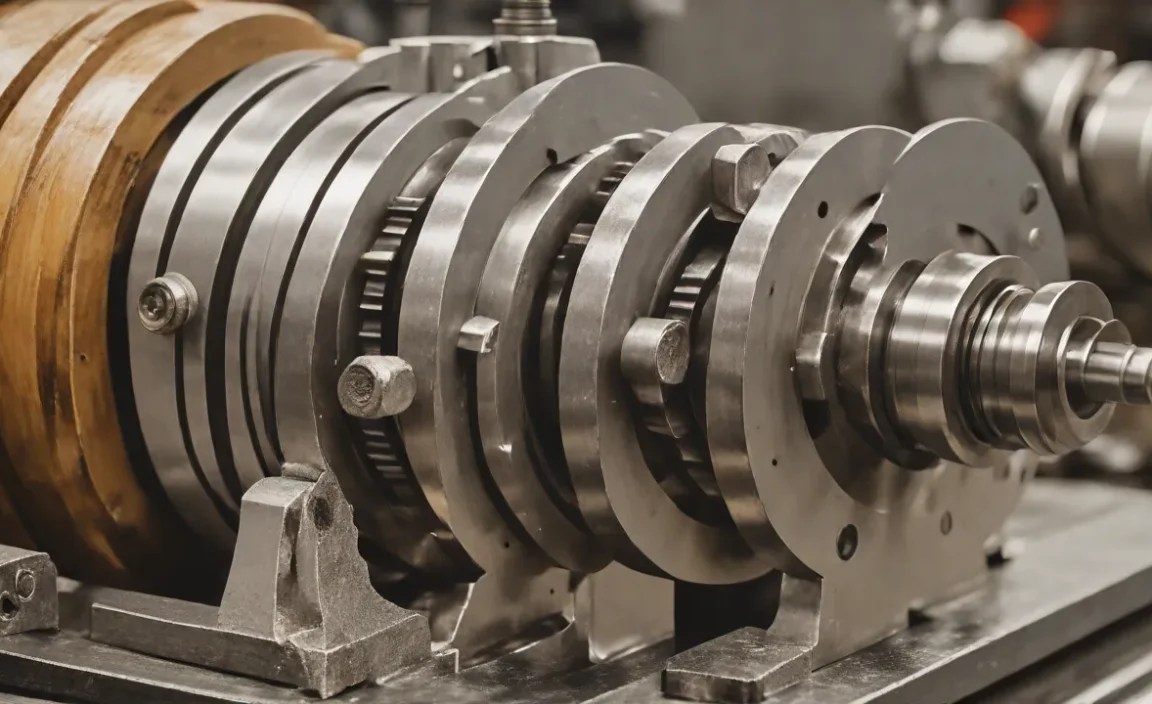
Sometimes, the vibration might feel like it’s coming from a specific place, or it might be accompanied by other symptoms. Here are a few more specific scenarios:
The Vibration is Worse at Higher Speeds
This is a classic sign that something is out of balance or not securely fastened. As speed increases, even small imbalances are greatly amplified.
- Re-check Motor Mount: Ensure every single bolt is snug.
- Re-check Pulleys: Make sure the pulleys are seated correctly and tightened. A slightly loose pulley will create much more vibration at higher RPMs.
- Belt Alignment: Off-kilter pulleys are a major cause of speed-sensitive vibration.
- Check Workpiece: If you have a workpiece mounted, try removing it entirely. If the vibration disappears, the issue was your workpiece, not the lathe.
Grinding or Rumbling Noise
This usually points to bearing issues. Your motor has bearings that allow the shaft to spin smoothly. Your lathe headstock also has bearings.
- Motor Bearings: If the grinding sound seems to emanate directly from the motor housing, the motor bearings might be failing. This is often a sign that the motor may need to be replaced or sent for professional repair, as replacing motor bearings can be complex for beginners.
- Headstock Bearings: If the grinding happens when the spindle is turning, but the motor itself sounds fine, the issue might be with the headstock bearings. Maintenance guidance for these can be found in your lathe’s manual.
- Pulley Bearings: Some lathes have intermediate pulleys that can also fail.
For more information on general bearing maintenance, you can explore resources from organizations like the Machinery Lubrication website, a great resource for understanding bearing care.
Intermittent Vibration
This can be the trickiest. It suggests something is only loose enough to vibrate under specific loads or speeds, or that a component is slightly warped.
- Loose Belt Tensioner: The mechanism that tensions your belt might have a loose bolt or component.
- Warped Pulley or Belt: A slightly warped pulley or a belt with a manufacturing defect can cause intermittent issues.
- Component Flex: If the motor mount or any part of the housing has flex, it can lead to vibration under certain conditions.
Tools You Might Need

To tackle these fixes, you’ll want to have a few basic tools on hand:
| Tool | Purpose |
|---|---|
| Socket Set / Wrench Set | For tightening or loosening bolts on the motor mount and pulleys. |
| Screwdriver Set | For any cover screws or specific adjustments. |
| Flashlight | To see clearly into tight spaces. |
| Measuring Tape / Ruler | To check belt tension consistently. |
| Optional: Medium-Strength Threadlocker (e.g., Loctite Blue) | To help keep bolts securely in place once tightened. |
| Optional: Belt Tension Gauge | For more precise belt tensioning if you perform frequent adjustments. |
Preventative Maintenance for a Smooth Operation

Once you’ve fixed the vibration, you’ll want to keep your lathe running smoothly. A little regular maintenance goes a long way:
- Regular Checks: Periodically (e.g., monthly or before a big project), give the motor mount bolts a quick check to ensure they are still tight.
- Belt Inspection: Make it a habit to look at your drive belt for any signs of wear or damage each time you use the lathe.
- Cleanliness: Keep your lathe clean. Dust and debris can sometimes interfere with moving parts.
- Lubrication: Follow your lathe manufacturer’s recommendations for any lubrication points.
- Listen Up: Pay attention to any new sounds your lathe makes. Unusual noises are often early warnings of potential problems.
- Workpiece Balance: Always try to rough out the shape of your workpiece to be as round as possible before spinning at higher speeds, especially when starting. A well-balanced workpiece dramatically reduces overall lathe vibration.
For best practices in workshop maintenance, you can look to resources from organizations like OSHA (Occupational Safety and Health Administration) regarding machine guarding and safe operation, ensuring your entire workspace remains safe.
Frequently Asked Questions (FAQ)
Q1: My wood lathe is vibrating. Do I need to be a mechanic to fix it?
A1: Absolutely not! Most wood lathe motor vibrations are caused by simple issues like loose bolts or a misaligned belt. With basic tools and this guide, you can easily fix it. It’s more about attention to detail than advanced mechanical skill.
Q2: How tight should the drive belt be?
A2: A good rule of thumb is that the belt should have about half an inch of flex when you press it with your finger. It shouldn’t be so tight that it feels rigid, nor so loose that it sags easily. Proper tension is key to preventing slippage and vibration.
Q3: I tightened the motor bolts, but it’s still vibrating. What else could it be?
A3: If tightening the motor mounts didn’t solve it, next check the drive belt’s tension and alignment. Also, ensure the pulleys on both the motor and headstock are secure and not damaged. Sometimes, it’s a combination of small issues.
Q4: Can a damaged workpiece cause motor vibration?
A4: Yes, indirectly. An unbalanced or unusually shaped workpiece, especially when starting a turning session, can cause the entire lathe to shake. This can feel like motor vibration. Try removing the workpiece and running the motor to see if the vibration stops.
Q5: My lathe is making a grinding noise. Is this a motor problem?
A5: A grinding noise often indicates failing bearings. This could be in the motor itself, or it could be in the headstock spindle or any other moving parts of the lathe. If the sound is clearly from the motor housing, the motor bearings might need replacing, which is a more advanced repair.
Q6: Should I use threadlocker on the motor mount bolts?
A6: Using a medium-strength threadlocker (like blue Loctite) can be a good idea, especially if you find the bolts tend to loosen frequently. It helps prevent them from shaking loose over time due to vibration. Just be sure to clean the threads and use only a small amount.
Conclusion
Dealing with a vibrating wood lathe motor can seem like a big hurdle for any budding woodturner, but as we’ve seen, the solutions are usually quite accessible. By systematically checking the motor mount, drive belt tension and alignment, and the condition of your pulleys, you can confidently diagnose and fix the most common causes of this frustrating noise and shaking. Remember, safety first – always disconnect power before you begin any work.
Empowering yourself with this knowledge not only restores your lathe to its smooth, quiet operation but also builds your confidence in maintaining your tools. A well-maintained machine is a safer machine and a more enjoyable one to work with. Keep an eye on your equipment, perform regular checks, and you’ll be turning beautiful pieces with minimal worry about mechanical gremlins. Happy turning!
