Looking for wood lathe projects to sell online? Discover 15 beginner-friendly, high-profit ideas like custom pens, shaker-style boxes, and decorative bowls that are easy to make and have great market appeal.
Struggling to find wood lathe projects that not only look good but also sell well online? You’re not alone! Many beginners find it tricky to figure out what kind of turned items have real market demand. It’s frustrating to spend hours creating something beautiful, only for it to sit in your workshop. But don’t worry – turning wood into something profitable is totally achievable with the right ideas. We’ll guide you through some fantastic, beginner-friendly projects that shoppers love, helping you turn your passion into profit with your wood lathe.
Your Wood Lathe: From Hobby Tool to Income Generator

Your wood lathe is more than just a hobby powerhouse; it’s a fantastic tool for creating unique, handmade items that people are eager to buy, especially online. The beauty of wood is its natural appeal, and the art of turning brings out stunning patterns and forms. For beginners, the key is to start with projects that are manageable in terms of skill, time, and material costs, while still offering a good profit margin. This way, you can build your confidence and your inventory simultaneously.
The online marketplace, from Etsy to your own website, is packed with customers looking for handcrafted goods that tell a story. They appreciate the quality, uniqueness, and personal touch that machine-made items can’t replicate. By focusing on popular and in-demand items, you can tap into this market and build a successful side hustle or even a full-time business. Let’s dive into some genius wood lathe projects with the potential to sell!
Top Wood Lathe Projects to Sell Online (That Beginners Can Master!)

Finding that sweet spot between ease of creation and customer demand is crucial. These projects are chosen because they generally require less complex turning techniques, use readily available materials, and have broad appeal. We’ll break them down so you know exactly what to expect.
1. Craft Pens and Pencils
Why they sell: Everyone needs a good pen or pencil! These are classic, high-demand items. They’re perfect for gifts, executive desks, and everyday use. The variety of wood types and finishes allows for endless customization. Small, they are also relatively quick to produce once you get the hang of it.
Beginner-friendly factors: Requires minimal material. The turning process is straightforward, focusing on achieving a smooth finish and a well-fitted pen kit. Practice on scrap wood to get comfortable with the tool rest setup and controlled cuts.
Tips for selling online: Offer a range of wood species (e.g., maple, walnut, cherry, exotic woods). Provide different pen styles (ballpoint, rollerball, fountain pen). High-quality photos showcasing the wood grain and finish are essential. Consider offering personalization options like engraving.
2. Wine Stoppers and Bottle Pourers
Why they sell: A fantastic impulse buy and a popular gift item for wine lovers. They add a touch of elegance and functionality to any bottle. You can make them from various attractive woods or even resin-infused wood blanks for unique color combinations.
Beginner-friendly factors: Similar to pens, these use small blanks and often come with pre-made hardware. The turning and shaping are manageable for beginners, with an emphasis on creating a comfortable grip and a secure fit for the stopper hardware.
Tips for selling online: Highlight their reusability and how they keep wine fresh. Showcase them in attractive lifestyle photos. Offer them in sets or as individual pieces. Consider natural cork stoppers or food-safe silicone options.
3. Small Bowls and Catch-All Trays
Why they sell: Functional and decorative, small bowls are perfect for holding keys, coins, jewelry, or small desk items. Their size makes them an easy purchase for those looking for a unique accent piece for their home.
Beginner-friendly factors: Start with face-grain bowls. These are turned on the face of the wood blank and are generally easier to manage than end-grain bowls. Focus on smooth curves and a clean finish. Use kiln-dried hardwood blanks to minimize warping.
Tips for selling online: Emphasize their use as “catch-all” dishes, jewelry dishes, or desk organizers. Offer them in various sizes and wood types. Showcase the natural beauty of the wood and a durable, food-safe finish if applicable (though for catch-all, a durable finish is key).
4. Decorative Ornaments
Why they sell: Seasonal items like Christmas ornaments are incredibly popular. However, unique, year-round decorative ornaments also find a market. Think simple spheres, teardrops, or even small, abstract shapes.
Beginner-friendly factors: These are often small and require less material. The turning techniques are basic, focusing on symmetry and smooth contours. For seasonal items, a quick production time is a huge plus.
Tips for selling online: For Christmas, create themed designs and offer them in sets. For year-round appeal, focus on elegant, simple shapes in attractive woods. Consider adding a hanging loop or a small stand.
5. Drawer Knobs and Cabinet Pulls
Why they sell: Home décor enthusiasts are always looking for ways to update their kitchens and bathrooms. Replacing basic hardware with custom wooden knobs can make a significant impact.
Beginner-friendly factors: This project involves turning small, cylindrical shapes. You’ll need to drill a precise hole in the center to accommodate threaded inserts or screws. The turning itself is quite simple.
Tips for selling online: Offer them in sets of 5, 10, or more. Show them installed on sample drawer fronts. Provide options for different wood types and finishes. Include mounting hardware in your listing.
6. Spindles and Balusters for Small Projects (e.g., Doll Furniture, Birdhouses)
Why they sell: While larger architectural spindles might be advanced, smaller decorative spindles are great for craft projects. Think components for dollhouse furniture, miniature fencing, or decorative elements on birdhouses.
Beginner-friendly factors: These involve turning smaller diameter pieces with repeating patterns or simple turned sections. Practice your measuring and consistent shaping.
Tips for selling online: Target crafters and DIYers interested in dollhouses, model making, or small-scale woodworking. Offer custom lengths or simple turned profiles. Market them as “crafting components” or “decorative accents.”
7. Shaker-Style Box Lids and Bases
Why they sell: Shaker boxes are renowned for their simple elegance and functionality. While the entire box construction is a multi-step woodworking process, you can sell beautifully turned lids and bases to other woodworkers or crafters who want to complete the project.
Beginner-friendly factors: Turning the lid with its groove for the box side and the base is a great exercise in precision. You’ll learn about creating rabbets and tenons (or in this case, grooving for the lid). Start with simpler, smaller box sizes.
Tips for selling online: Clearly state that you are selling components for Shaker boxes. Specify the intended dimensions of the box it fits. Show example finished boxes (completed by others) to illustrate the use.
8. Craft Beads (Large and Small)
Why they sell: Beaded jewelry is timeless. Turning your own wooden beads offers a unique, handcrafted element that mass-produced beads lack. Customers appreciate the natural feel and unique grain patterns.
Beginner-friendly factors: Turning small spheres can be challenging for absolute beginners, but with practice, it becomes easier. Focus on achieving a consistent shape and size. You can drill the hole before or after turning, depending on your preferred method.
Tips for selling online: Offer beads in various sizes and wood types. Sell them in strands or by the dozen. Show examples of jewelry made with your beads to inspire buyers. Consider offering beads with unique embellishments or finishes.
9. Spinning Tops
Why they sell: A fun, nostalgic toy that appeals to both children and adults. They offer a satisfying tactile experience and can be made with beautiful woods and finishes.
Beginner-friendly factors: Spinning tops are relatively small and don’t require complex shaping. The key is to achieve good balance and a smooth spinning motion. You’ll need to incorporate a metal shim or bearing for the part that spins on.
Tips for selling online: Highlight the “nostalgia” or “classic toy” angle. Offer them in a variety of woods. Provide clear instructions on how to get them spinning well. High-quality action shots of them spinning are a must.
10. Candlestick Holders
Why they sell: Elegant and timeless, wooden candlestick holders add warmth and ambiance to any home. They are popular decorative items and also make great gifts.
Beginner-friendly factors: This project involves turning a stable base, a stem, and a top to hold a candle. You’ll practice turning different diameters and proportions. Safety is key, so ensure the base is wide enough for stability and the taper holder is appropriately sized for standard candles.
Tips for selling online: Offer various heights and styles. Showcase them with lit candles in atmospheric settings. Consider offering them in pairs or sets. Ensure the candle holder design is safe and stable.
11. Small Vases and Bud Vases
Why they sell: A single bloom deserves a beautiful vessel. Small, turned vases are perfect for individual flowers or small bouquets and add a handcrafted touch to any room.
Beginner-friendly factors: Start with simple, solid vase shapes. You’ll need to hollow out the center. Practice controlled hollowing techniques to avoid blowouts. Use well-seasoned wood to minimize cracking.
Tips for selling online: Emphasize their use as “bud vases.” Showcase them with a single flower. Offer natural wood finishes or subtle stains. Highlight their decorative appeal and handcrafted nature.
12. Salt and Pepper Grinders (DIY Kits)
Why they sell: High-quality kitchen accessories are always in demand. Similar to pen kits, you can purchase grinder mechanisms and turn custom wooden bodies for them.
Beginner-friendly factors: The turning is a straightforward cylinder or slightly tapered shape. You’ll need to carefully measure and create a hole for the grinder mechanism. The difficulty lies in precision drilling and fitting the hardware.
Tips for selling online: Sell as “DIY kits” for woodworkers, or sell completed grinders. Emphasize their durability and aesthetic appeal compared to plastic alternatives. Offer them in pairs and various wood types.
13. Tool Handles (Custom)
Why they sell: While not everyone needs a custom tool handle, there’s a niche market for them. Woodworkers and crafters who value ergonomics and aesthetics will pay for a well-turned, comfortable handle for their favorite chisels, awls, or even custom-made tools.
Beginner-friendly factors: This allows practice in creating ergonomic shapes. You can experiment with different grip designs. Ensuring a snug fit for the tool shank is critical, which often involves careful drilling and possibly fitting a ferrule.
Tips for selling online: Target hand tool enthusiasts, wood carving communities, or custom knife makers. Show examples of them fitted to actual tools. Highlight the comfort and aesthetic improvements.
14. Keepsake Boxes (Small)
Why they sell: People love little boxes to store precious memories, jewelry, or keepsakes. A small, beautifully crafted wooden box is a timeless gift and a charming item for an online shop.
Beginner-friendly factors: Start with boxes where the lid and base are turned separately and then fitted. You can practice various joining techniques for a snug fit, or even opt for a simple friction fit. Simple geometric shapes are often the easiest starting point. Consider using contrasting woods for the lid insert or inlay.
Tips for selling online: Market them as “jewelry boxes,” “keepsake boxes,” or “memory boxes.” Showcase the interior space and the quality of the joinery. Offer custom engraving for a personal touch.
15. Honey Dippers
Why they sell: A charming and practical kitchen utensil. Honey dippers are popular as small gifts, stocking stuffers, or items for artisanal food shops. They are also a great way to use up smaller wood scraps.
Beginner-friendly factors: The shaping is simple – a handle and a grooved head. The key is to create enough grooves on the head to effectively hold honey. This can be done with a parting tool or a dedicated grooving tool.
Tips for selling online: Position them as “artisanal kitchen tools” or “honey serving spoons.” Highlight their natural, eco-friendly appeal. Show them in use with honey. Ensure the wood used is food-safe and unfinished or finished with a food-grade oil.
Getting Started: Essential Tools and Materials for Beginners
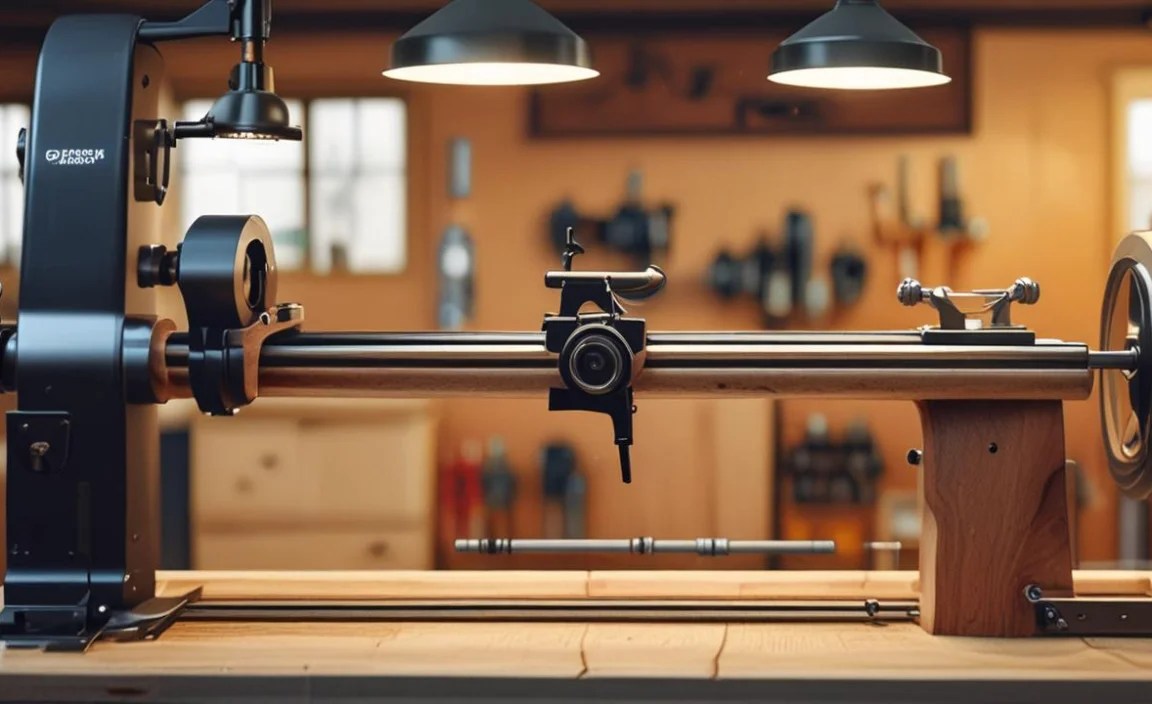
Before you start turning these great projects, it’s important to have the right equipment. As a beginner, you don’t need a super-expensive setup, but investing in quality essentials will make the process safer and more enjoyable.
Essential Wood Lathe Tools
For most of the projects listed, you’ll likely need a basic set of turning tools of reasonable quality. Cheap tools can be frustrating and dangerous.
- Wood Lathe: For starters, a benchtop model is usually sufficient. Look for one with variable speed control.
- Skew Chisel (various sizes): Essential for shaping curves and creating smooth surfaces. A 1/2″ or 5/8″ skew is a good starting point.
- Gouge (Bowl Gouge): For roughing out bowls and general shaping. A 3/8″ or 1/2″ bowl gouge is versatile.
- Parting Tool: Crucial for cutting tenons, beveled edges, and separating finished pieces from the stock. A 1/8″ or 1/4″ is useful.
- Scrapers (Round Nose, Flat): These can help achieve very smooth finishes, especially on trickier woods.
- Drill and Bits: For drilling holes for pen kits, grinder mechanisms, or mortises for handles.
- Chuck and Jaws: A chuck is vital for securely holding your workpiece, especially when turning bowls or doing hollowing. A basic scroll chuck with jaw sets will allow you to grip tenons and faceplate-mount blanks.
- Faceplate: For mounting larger, flatter pieces like bowl blanks.
- Safety Gear: This is non-negotiable! Always wear a full face shield, dust mask or respirator, and hearing protection.
Recommended Materials
The type of wood you use can significantly impact the look and saleability of your projects. For beginners, starting with stable, predictable woods is best.
- Kiln-Dried Hardwoods: Woods like maple, cherry, walnut, and oak are stable, turn well, and have attractive grain. They are readily available and forgiving for beginners.
- Pen Turning Blanks: Pre-drilled and often stabilized, these are perfect for beginner pen makers.
- Pen Kits, Wine Stopper Hardware, Grinder Mechanisms: These readily available kits simplify the process by providing the necessary metal components. You can find them at most woodworking supply stores or online retailers.
- Finishing Supplies: Sandpaper (various grits from 100 to 400+), wood polish, friction polish, mineral oil, or beeswax finishes. Aim for safe, durable finishes.
Mastering the Techniques: Tips for Success

Turning wood is a skill that develops with practice. Here are some tips to help you improve and create better products for sale.
Safety First, Always!
This cannot be stressed enough. Woodturning can be dangerous if safety precautions are not followed. Always wear your face shield. Ensure your tool rest is properly positioned (close to the wood, but not touching). Stand to the side of the spinning workpiece, never directly in front. Keep your tools sharp; dull tools require more force and are more likely to catch. Understand your lathe’s functions and never overtighten chuck jaws.
Prepare Your Wood Properly
Use dry, seasoned wood whenever possible. Green (wet) wood can warp and crack as it dries, ruining your finished piece. For smaller projects like pens or beads, pre-drilling holes helps prevent tear-out and cracking.
Sharpen Your Tools Regularly
Sharp tools are safer, easier to use, and produce a much cleaner cut. A sharp edge glides through the wood, leaving a smooth surface that requires less sanding. Learn how to use a sharpening system (like a grinder with jigs or honing stones) to maintain your tools.
Develop a Consistent Sanding Process
Most projects will require sanding to achieve a smooth, ready-to-finish surface. Start with a coarser grit (e.g., 120 grit) to remove tool marks and progressively move to finer grits.
