Looking for the best wood lathe sanding attachments? This guide explains key types, how they work, and tips for smooth finishes, ensuring your projects shine. Get practical advice to achieve professional results with your wood lathe sanding attachments PDF.
Hey there, fellow makers and woodworkers! Daniel Bates here from Lathe Hub. Ever finish a beautiful turn on your wood lathe, only to get to the sanding part and feel a bit… lost? You’ve got this amazing machine, but getting that perfectly smooth, glass-like finish can feel like a whole different ballgame. Sanding attachments for your wood lathe can seem a bit overwhelming at first, especially with different types and uses. But don’t worry! I’m here to break it all down for you, step by step. We’ll explore exactly what you need to know to master sanding, so your work not only turns out great but also feels fantastic to the touch. Let’s get those projects looking their absolute best!
Why Wood Lathe Sanding Attachments Matter

Sanding a turned wood piece by hand is possible, but often it’s time-consuming, inconsistent, and can even lead to uneven finishes. Wood lathe sanding attachments are designed to work with the rotation of your lathe, making the sanding process much more efficient, uniform, and less physically demanding. They allow you to apply sandpaper evenly across the entire surface of your turning, from tight curves to long spindles, resulting in a superior finish that’s hard to achieve otherwise. Think of them as specialized tools that leverage the power of your lathe to do the heavy lifting, giving you more control and better results.
Types of Wood Lathe Sanding Attachments
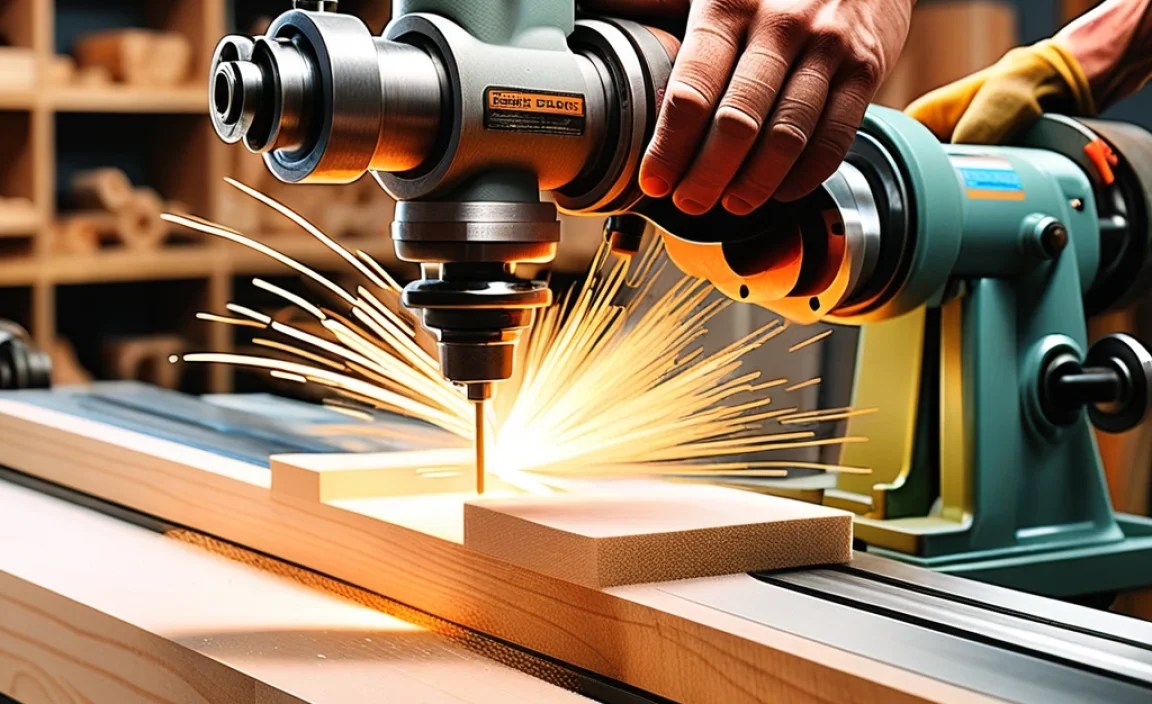
There’s a variety of sanding attachments available for wood lathes, each suited for different tasks and preferences. Understanding what each does will help you choose the right ones for your needs. Here are some of the most common and effective types:
1. Sanding Drums / Spindle Sanders
These attachments typically consist of a drum or spindle that accepts sleeves of sandpaper. They attach directly to your lathe’s spindle. As the drum spins, you press your workpiece against it to sand curved surfaces. They are fantastic for internal curves, such as the inside of bowls, or for shaping and smoothing external curves on smaller items.
- How they work: A threaded rod screws into your lathe’s headstock spindle. A drum or sleeve slides onto this rod and is held in place by nuts. You wrap sandpaper around the drum, or use pre-made sleeves.
- Best for: Internal curves of bowls, rounded edges, small spindles, cove shaping.
- Pros: Excellent for curved surfaces, provides consistent surface contact, relatively inexpensive sandpaper sleeves.
- Cons: Can be tricky to get perfectly flat surfaces, might not be suitable for very large workpieces.
2. Hook-and-Loop (Velcro) Backing Pads
These are flat discs with a hook-and-loop surface that attach to your lathe. You then attach corresponding hook-and-loop sandpaper discs to the pad. They are very versatile and can be used for a wide range of sanding tasks, from flat surfaces to gentle curves. They offer quick and easy sandpaper changes.
- How they work: The pad screws onto your lathe’s spindle. You then press a circular sandpaper disc onto the pad’s fuzzy surface. The hooks on the pad grip the loops on the sandpaper.
- Best for: Flat surfaces, gentle convex or concave curves, end grain sanding, preparing for finishes.
- Pros: Extremely versatile, fast sandpaper changes, good for various grits of paper, relatively inexpensive.
- Cons: Can sometimes debond under heavy pressure or heat, not ideal for very aggressive material removal compared to some other methods.
3. Stick-On Sanding Discs
Similar to hook-and-loop pads, but these use an adhesive backing on the sandpaper discs to stick directly to a solid backing plate. The backing plate screws onto your lathe. While they offer a secure attachment, changing grits requires peeling off and applying new adhesive discs, which can be messier and slower than hook-and-loop systems.
- How they work: A solid backing disc attaches to your lathe spindle. Sandpaper discs with an adhesive back are then applied to this plate.
- Best for: Similar to hook-and-loop, but where a very secure bond during aggressive sanding is paramount.
- Pros: Very secure attachment, no risk of discs separating from the pad.
- Cons: Sandpaper changes are slower and can leave adhesive residue, potentially more expensive over time due to adhesive disc cost.
4. Expanding Sanding Mandrels
These are metal mandrels with rubber or neoprene sections that expand when a nut is tightened. Sandpaper strips are wrapped around the expanded sections and the sandpaper gets held tightly in place by the compressed rubber. They are excellent for sanding both internal and external contours and are particularly good for producing a very smooth, consistent finish on curved surfaces.
- How they work: You wrap a strip of sandpaper around the rubber cylinder. As you tighten a nut on the mandrel, the rubber expands, gripping the sandpaper securely.
- Best for: Smooth, consistent sanding on both internal and external curves, bowls, general shaping.
- Pros: Grips sandpaper very securely, flexible rubber conforms to shapes, produces a very smooth finish.
- Cons: Can be a bit slower to change sandpaper than hook-and-loop, requires cutting sandpaper into strips.
5. Abrasive Buffs and Wheels
These come in various forms, such as flap wheels, cartridge rolls, and abrasive mops. They are often used for finer finishing, deburring, or getting into tight corners and intricate details. They usually attach to the lathe via a threaded mandrel. While not for aggressive stock removal, they excel at polishing and refining surfaces.
- How they work: Threaded mandrels hold abrasive wheels or buffs. The rotation of the lathe spins these abrasive elements against the workpiece.
- Best for: Fine finishing, polishing, deburring, getting into crevices and intricate details, metal parts on wood projects.
- Pros: Excellent for detailed work and polishing, long-lasting.
- Cons: Not for heavy sanding/shaping, can be more expensive than sandpaper sleeves.
6. Oscillating Spindle Sanders (Stationary Tools)
While not strictly an “attachment” in the sense of something that bolts directly onto your lathe spindle, it’s worth mentioning. These are standalone machines that have a sanding drum that oscillates (moves up and down) as it spins. They are incredibly effective for sanding curves, especially internal curves of bowls and similar shapes. Some woodworkers integrate them into their workflow alongside their lathe.
- How they work: The spindle moves up and down while rotating. This action helps prevent “flat spots” and provides a more aggressive yet smoother sanding action than a non-oscillating drum.
- Best for: Rapidly and smoothly sanding internal and external curves, such as those found on bowls, platters, and hollow forms.
- Pros: Very efficient for curves, produces excellent finishes, reduces the risk of burning.
- Cons: Requires a separate machine, takes up floor space.
Choosing the Right Sanding Grit
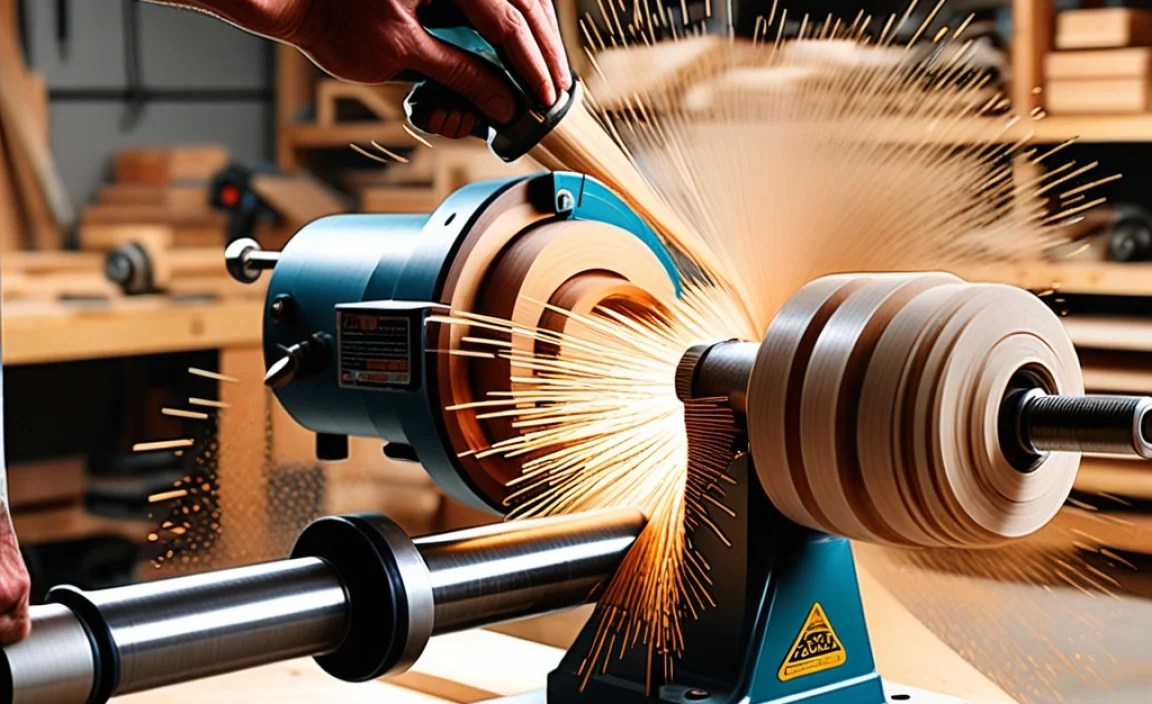
The grit of sandpaper you use is crucial for achieving the desired finish. Grit numbers indicate the coarseness of the sandpaper: a lower number means coarser grit (more aggressive material removal), while a higher number means finer grit (smoother finish). For wood turning, a typical progression might look like this:
- 80-120 Grit: For initial shaping, removing tool marks, and leveling the surface. This is the starting point for aggressive sanding.
- 150-220 Grit: For smoothing out the marks left by coarser grits. This is where you start to see the surface becoming noticeably smoother.
- 240-320 Grit: Further refines the surface, preparing it for finer grits or finishes. Most general projects can stop here.
- 400-600 Grit and Higher: Used for polishing and preparing the surface for very high-gloss finishes, or for delicate woods.
It’s essential to progress through grits systematically. Skipping a grit can leave deeper scratches that are difficult to remove with the next finer grit, meaning you’ll have to go back. Always ensure no visible scratches from the previous grit remain before moving to the next.
Key Considerations When Selecting Attachments
Purchasing wood lathe sanding attachments involves a few practical considerations. You want tools that fit your lathe, your budget, and your project types. Here’s what to think about:
Lathe Compatibility
Firstly, check the spindle thread size of your wood lathe. Most attachments will specify the thread size they are compatible with (e.g., 1″ x 8 TPI is common in North America, but sizes vary internationally). Ensure the attachment you choose will screw securely onto your lathe’s headstock spindle.
Material of the Attachment
Consider the material. Drums and mandrels are typically made of sturdy metal. Rubber components on mandrels should be durable. For hook-and-loop pads, look for robust construction that can withstand the forces involved. High-quality materials mean longer tool life and less chance of failure during use.
Ease of Use and Sandpaper Changes
How easy is it to attach the sandpaper? Hook-and-loop systems are generally the quickest for changing grits. Expanding mandrels require wrapping strips. Drum sanders often use sleeves, which are fairly quick. Think about how frequently you change grits and how much time you’re willing to spend on this process.
Cost vs. Value
Attachments range in price. While it’s tempting to go for the cheapest option, consider the long-term value. A well-made, slightly more expensive attachment might last longer and perform better, saving you money and frustration over time. Look for reputable brands and read reviews.
Versatility
Some attachments are specialized, while others are more general-purpose. A hook-and-loop pad offers the most versatility for different shapes and grits. Sanding drums are great for curves. Decide which types of projects you’ll be doing most often and choose attachments that serve those needs best.
Safe Sanding Practices with Attachments
Safety is paramount when working with any power tool, and your wood lathe is no exception. Sanding attachments, while making the process easier, still require careful attention to safety. Always follow these guidelines:
- Wear Safety Glasses: This is non-negotiable. Wood dust and small debris can fly off at high speeds. Use a full face shield for maximum protection.
- Dust Mask or Respirator: Wood dust is harmful to your lungs. Wear a good quality dust mask or respirator, especially when sanding for extended periods. Consider investing in a dust collection system. The Occupational Safety and Health Administration (OSHA) provides detailed information on safe dust management.
- Secure Grits Properly: Ensure your sandpaper is attached firmly to the drum, pad, or mandrel. Loose sandpaper can unravel or fly off, posing a significant hazard.
- Turn Down the Speed: Start at a lower lathe speed, especially when first engaging the sandpaper with the workpiece. You can gradually increase speed as you gain confidence and if the workpiece allows. Higher speeds create more heat and can lead to burning or kickback.
- Use a Tool Rest: For most sanding tasks, especially with larger workpieces or when using drums, a steady tool rest is essential. It supports your hands and controls the pressure applied to the sandpaper, leading to more consistent results and preventing accidents.
- Avoid Loose Clothing and Jewelry: Long sleeves, dangling jewelry, or loose-fitting clothing can get caught in the rotating lathe. Tie back long hair.
- Stand to the Side: Never stand directly in line with the rotating workpiece. If a piece breaks or something goes wrong, you are less likely to be in the path of danger.
- Allow for Cooling: Wood can heat up quickly with friction, especially at higher speeds or with fine grits. Periodically stop the lathe and let the workpiece cool down. This prevents finish damage and reduces the risk of spontaneous combustion if using mineral oil finishes.
Step-by-Step Guide: Sanding a Bowl with a Hook-and-Loop Pad
Let’s walk through a common sanding scenario: using a hook-and-loop pad to sand the outside of a bowl. This process is clear, straightforward, and effective.
- Preparation: Ensure your bowl is securely mounted on the lathe. Attach the hook-and-loop backing pad to your lathe’s headstock spindle. Select your coarsest grit sandpaper (e.g., 80 or 120 grit) and attach it to the pad.
- Set Lathe Speed: Turn the lathe on. For initial sanding, a slower speed is recommended, typically between 400-800 RPM, depending on the bowl’s size and your comfort level.
- Engage Sandpaper: With the lathe running, gently bring the rotating sandpaper pad to the outer surface of the bowl. Use a sanding block or hold the paper by hand (with a glove) to apply even pressure. Move the pad slowly and consistently across the surface, working from the rim down to the base.
- Work Systematically: Cover the entire outer surface with the coarse grit. Pay attention to any tool marks or imperfections. Ensure you sand all areas, including any curves where the bowl meets the chuck.
- Progress Through Grits: Once you’ve completed a pass with the coarsest grit and are satisfied it has removed the imperfections, turn off the lathe. Remove the coarse grit sandpaper and replace it with the next finer grit (e.g., 150 or 180 grit).
- Repeat Sanding Steps: Turn the lathe back on at a similar speed. Repeat the sanding process with the finer grit. The goal here is to remove the scratches left by the previous grit.
- Continue Upward: Continue this process, moving through progressively finer grits (e.g., 220, 320, 400 grit). Each grit removes the scratches from the one before it, leading to a smoother and smoother surface.
- Final Polish (Optional): For an exceptionally smooth finish, you can go to grits like 600 or even higher, or use a dedicated sanding sealer or wax applied during the sanding process at higher speeds.
- Clean Up: After sanding, turn off the lathe. Remove any dust from the workpiece and your lathe. Inspect the finish to ensure it’s to your satisfaction.
Using Sanding Drums for Internal Curves
Sanding the inside of a hollow form or bowl is where a drum sander truly shines. Here’s how to do it effectively:
| Sanding Drum Type | Best Use Cases | Ease of Sandpaper Change | Key Benefit |
|---|---|---|---|
| Standard Drum with Sleeve | General internal and external curves, bowls. | Medium (slip on/off sleeve) | Consistent contact on curves. |
| Expanding Mandrel | Detailed internal/external contours, smooth finishes. | Medium (wrap, tighten nut) | Secure grip, flexibility. |
| Dedicated Spindle Sander (Stand-alone) | Very efficient for internal curves; requires separate machine. | Easy (many have quick-change systems) | Oscillation prevents burning and flat spots. |
Steps for Sanding Internal Curves with a Drum:
- Mount the Drum: Ensure your chosen sanding drum attachment is securely fitted to your lathe’s spindle.
- Select Sandpaper: Choose your starting grit. For internal curves, you might start with 100 or 120 grit if there are significant tool marks. Use pre-made sleeves or cut strips to fit your drum.
- Set Speed: Lathe speeds for internal sanding should generally be lower due to the smaller contact area and increased risk of burning the wood. Start around 300-600 RPM.
- Engage Drum: Hold the drum sander attachment carefully and gently feed it into the spinning interior of your workpiece. Avoid digging too deeply into one spot. Move the drum back and forth along the length of the interior curve you’re sanding.
- Work in Sections: Sand the interior in manageable sections, ensuring you cover all areas evenly. If you are sanding a deep bowl, you might need to advance through grits from the opening inwards.
- Progress Grits: As with external sanding, once you’ve completed a section with one grit, switch to the next finer grit and repeat the process until you achieve the desired smoothness.
- Be Mindful of Heat: The interior of a bowl can heat up quickly. Take breaks to let the wood cool down.
