Wood lathe speed control is essential for safety and achieving smooth, precise results. Mastering it means choosing the right speed for your workpiece size, type, and operation. This guide covers the proven essentials to confidently control your wood lathe speed for better turning.
Welcome to Lathe Hub! I’m Daniel Bates, and if you’re just starting out with a wood lathe, speed control can seem a bit tricky. It’s one of those things that makes a big difference between a project that turns out perfectly and one that’s… well, a bit shaky. Getting the right speed isn’t just about making your wood spin; it’s about making it spin safely and effectively for the job at hand. Don’t worry, though! We’re going to break down the essentials of wood lathe speed control so you can feel confident at the controls. Let’s dive in and unlock smoother turning!
Why Wood Lathe Speed Control Matters

Controlling the speed of your wood lathe is arguably one of the most critical aspects of safe and successful woodturning. It’s not just a suggestion; it’s a fundamental requirement for both your workspace safety and the quality of your finished piece. Imagine trying to shape a delicate detail at a speed too high for the wood – it’s a recipe for disaster, leading to catches, tear-out, or even the workpiece breaking apart. Conversely, a speed that’s too slow can make your cutting action inefficient, leaving a rough surface that requires excessive sanding.
The right speed ensures that your tools engage with the wood effectively, allowing for clean cuts and smooth finishes. It also plays a huge role in vibration reduction. A stable workpiece at the correct RPM is much less likely to vibrate excessively, which helps maintain accuracy and prevents strain on both the lathe and the turner. Understanding these principles is the first step toward becoming a proficient woodturner.
Understanding the Basics of Lathe Speed

Wood lathes operate at a range of Revolutions Per Minute (RPM), and this speed is controlled by a motor and a mechanism within the lathe. Sometimes this is a variable speed dial, and other times it involves changing belt positions on pulleys. The wood you are turning spins at this set RPM. The general rule of thumb is that larger, heavier, or unbalanced workpieces should be turned at slower speeds, while smaller, perfectly balanced pieces can be turned at higher speeds. This is crucial because centrifugal force increases dramatically with speed and diameter.
Think about it this way: a large, rough log spinning very fast is like trying to hold onto a runaway train! The forces involved are immense and unpredictable. A smaller, perfectly round piece of dense hardwood spinning at a moderate speed is much more manageable. Your goal is always to find that sweet spot where the wood is spinning fast enough to cut cleanly but slow enough to remain completely under control.
Key Factors Influencing Speed Selection
Several factors come into play when deciding the optimal speed for your wood lathe. These aren’t rigid rules but rather guidelines to help you make informed decisions:
- Workpiece Diameter: This is the most significant factor. Larger diameters require slower speeds. The larger the piece, the greater the centrifugal force and the more surface area is moving past the tool at any given moment.
- Workpiece Shape and Balance (Initial Stages): When starting a new piece, especially larger logs or irregularly shaped wood, it will be out of balance. Always begin at the slowest possible speed to rough out a round shape. As the workpiece becomes more balanced, you can gradually increase the speed.
- Wood Density and Type: Softer woods tend to be easier to turn and can often handle slightly higher speeds than denser hardwoods. Very brittle woods might also require slower speeds to prevent chipping.
- Tool Being Used: Different tools behave differently at various speeds. For example, a spindle gouge might cut cleanly at a higher speed than a roughing gouge, which is designed for heavy material removal at lower speeds.
- Operation Type: Roughing out, sanding, hollowing, and fine detailing all benefit from different speed ranges. Sanding, for instance, often works best at moderate to high speeds, whereas initial roughing is done at very low speeds.
- Your Experience Level: As a beginner, it’s always safer to err on the side of caution and start with slower speeds until you become more comfortable and experienced.
The Sweet Spot: Finding the Right RPM

Finding that “sweet spot” for your wood lathe speed is a blend of understanding the principles and gaining practical experience. There isn’t a single magic number for every project. However, there are excellent starting points and methods to help you discover the ideal RPM. A good rule of thumb, often called the “Rule of Thumb,” suggests that for a 4-inch diameter workpiece, you might start around 1000 RPM for roughing. For every inch of added diameter, you’d reduce the RPM by approximately 100-200. This is a very general guideline meant to illustrate the relationship between diameter and speed.
One of the most effective ways to determine the right speed is by listening to your machine and observing your workpiece. If you hear excessive vibration, or if the wood feels like it’s fighting the tool and chattering, your speed is likely too high. Conversely, if you’re struggling to get a clean cut and the tool is digging in or skipping, the speed might be too low.
Speed Recommendations by Operation
To give you a more concrete idea, here are some general speed recommendations for common woodturning operations. Remember that these are starting points, and you should always adjust based on the factors mentioned earlier and your machine’s capabilities.
| Operation | Workpiece Diameter (Approx.) | Recommended RPM Range | Notes |
|---|---|---|---|
| Roughing out a blank (initial round-over) | 6″ and larger | 200 – 500 RPM | Prioritize safety; start slow and increase as it becomes rounder. Heavy vibration is a sign to slow down. |
| Roughing out a blank (initial round-over) | 3″ – 6″ | 400 – 800 RPM | Balance is key. |
| Spindle turning (e.g., legs, finials) | 1″ – 3″ | 800 – 1500 RPM | Can increase speed as the piece becomes thinner and more balanced. |
| Bowl turning (roughing exterior) | 8″ – 12″ | 300 – 600 RPM | Start very slow, especially with green wood. |
| Bowl turning (shaping interior) | 8″ – 12″ | 500 – 1000 RPM | Can increase speed as material is removed and balance improves. |
| Sanding | All sizes | 800 – 2000+ RPM | Higher speeds generally produce a better sand finish, but keep it safe and stable. |
| Finishing (applying sealers, waxes) | All sizes | 1000 – 2500+ RPM | High speeds distribute finishes evenly and quickly. Make sure wood is balanced. |
Safe Speed Control for Beginners
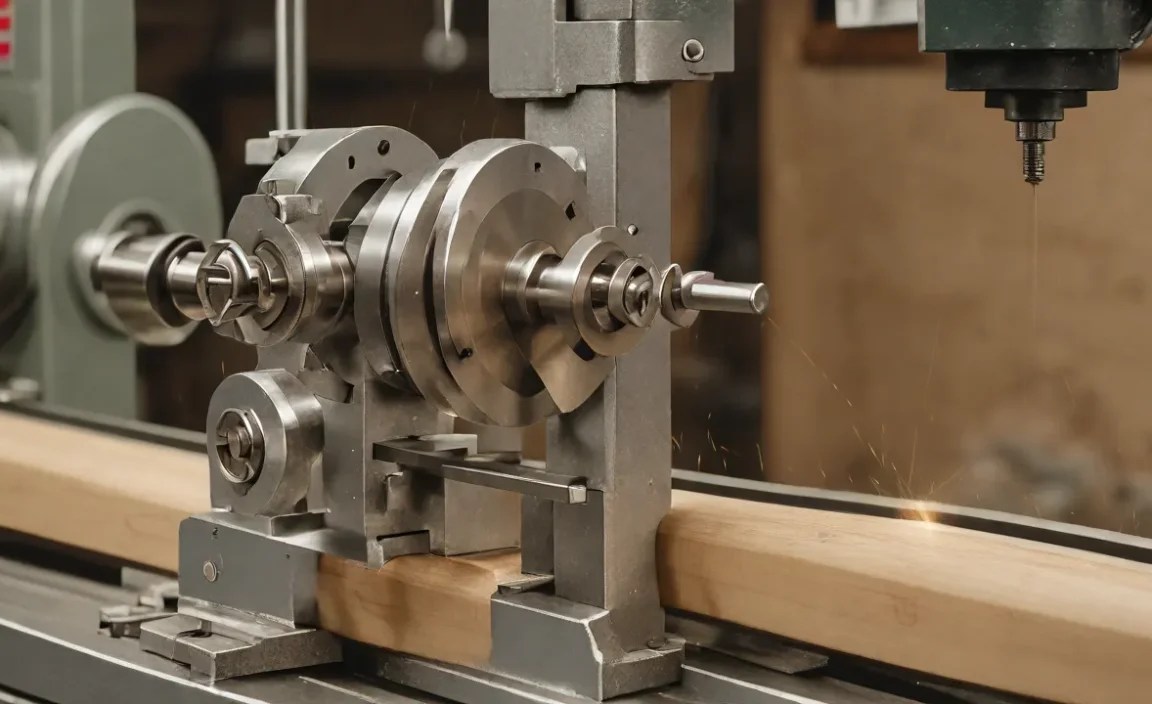
Safety is paramount when working with any power tool, and a wood lathe is no exception. For beginners, the emphasis must be on understanding potential hazards and taking preventative measures. The most common danger related to speed is a “catch,” where the tool snags the workpiece, often causing it to spin violently erratically or even break free. This is far more likely at higher speeds, especially with an unbalanced or newly mounted workpiece.
Always start your lathe at its slowest setting, particularly when mounting new stock or roughing out an irregular piece. Gently increase the speed as the workpiece becomes more round and balanced. You should be able to get close to the workpiece with your hand nearby to quickly stop the lathe if something feels wrong. Never force the tool; let the tool do the work at the appropriate speed.
The Importance of a Stable Setup
Beyond speed, a stable setup is crucial for safe operation. Ensure your lathe is on a solid, level surface. If it’s a benchtop model, make sure the bench itself is sturdy. For larger floor-standing lathes, consider bolting them down. This minimizes wobble and vibration, which can be exacerbated by incorrect speeds.
The workpiece must be securely mounted between centers or in a chuck. Regularly check that the headstock and tailstock centers are properly engaged and that your chuck key is removed from the chuck before starting the lathe. A loose workpiece is a dangerous projectile.
Using a Variable Speed Control Effectively
Many modern wood lathes come equipped with variable speed control, often through a dial or setting that allows for precise adjustments without changing belts. This is a fantastic feature for beginners and experienced turners alike. It allows you to incrementally increase speed as your workpiece becomes balanced and to fine-tune the speed for specific cuts or sanding.
When using a variable speed control:
- Start at the lowest setting.
- Gradually increase speed, listening for and feeling for vibrations.
- Observe the workpiece. Does it look stable? Is the tool reacting as expected?
- Adjust as needed for different operations (e.g., slower for roughing, faster for sanding).
- Always turn the speed down before stopping the lathe, if possible, to reduce stress on the motor.
Speed Charts and Calculators

For those who like a more scientific approach, there are speed charts and online calculators available that can help you determine recommended RPMs based on workpiece diameter and wood type. These are excellent resources, especially when you’re starting out. They provide a solid baseline from which you can then make practical adjustments.
One popular resource is the American Association of Woodturners (AAW), which often provides safety guidelines and educational materials that touch upon speed. While they might not offer a direct calculator, their guides emphasize the principles of speed selection based on diameter and balance. For instance, if turning a piece that is significantly out of round, you will need to consult the chart for a larger diameter than its current state, and reduce the speed accordingly. You can find valuable information on woodworking safety and best practices, including lathe operation, at the AAW Woodturning Safety page.
Another way to approach this is by understanding the concept of Peripheral Speed. This is the speed of the surface of the workpiece as it moves past the tool. While most lathe controls are in RPM, understanding peripheral speed helps explain why diameter matters so much. A larger diameter spinning at the same RPM has a much faster surface speed than a smaller diameter.
Sample Speed Chart Reference
While a precise calculator depends on your specific lathe and tools, the table above provides a good starting point. Many woodturners keep a quick reference chart near their lathe. Here’s a simplified version that highlights the core relationship:
| Diameter of Workpiece (inches) | Beginner / Unbalanced Roughing (RPM) | General Turning (RPM) | Sanding / Finishing (RPM) |
|---|---|---|---|
| 2-4 | 400-800 | 800-1600 | 1000-2500+ |
| 4-6 | 200-500 | 500-1200 | 800-2000+ |
| 6-8 | 150-400 | 400-1000 | 600-1800+ |
| 8-10 | 100-300 | 300-800 | 500-1500+ |
| 10-12+ | 100-250 | 250-700 |
