Blink and your wood lathe spindle gouge loses its edge, making your turning frustrating and unsafe. This guide shows you the simple, essential techniques to get your gouge razor-sharp again, so you can keep creating beautiful work with confidence.
Welcome to Lathe Hub! As a fellow maker, I know how crucial sharp tools are. A dull spindle gouge doesn’t just make your work harder; it can be downright dangerous, leading to catches and less-than-perfect results. The good news? Sharpening your wood lathe spindle gouge isn’t some dark art. It’s a straightforward skill that, once mastered, will dramatically improve your turning experience. We’ll walk through it step-by-step, so you can get back to turning with precision and a smile.
Why Sharpening Your Spindle Gouge Matters

Think of your spindle gouge as the workhorse for most of your spindle turning projects. It’s what creates those smooth curves, beads, and coves. When it’s sharp, wood shavings curl off cleanly, requiring less effort from you and the lathe. The tool glides through the wood, leaving a smooth surface that often needs minimal sanding. This means faster work, better finishes, and a more enjoyable process.
On the flip side, a dull gouge struggles. It tears at the wood rather than cutting it. This results in fuzzy surfaces, requires you to push harder (which can lead to catches and safety issues), and often means more time spent sanding later. Plus, a dull tool is more likely to dig in unexpectedly, potentially damaging your workpiece or even causing an injury. In essence, regular, proper sharpening is the foundation of good spindle turning.
Understanding Your Spindle Gouge

Before we start sharpening, let’s quickly look at the parts of a spindle gouge and why their shape is important. A typical spindle gouge has a flute (the hollow, scooped part) that is ground to a specific angle. This primary bevel needs to be maintained and made sharp. The shape of the flute and the grind angle influence how the tool cuts. For spindle turning, we usually aim for a slightly more pointed tip than a bowl gouge, which allows for more precise detail work.
Most beginner spindle gouges come with a standard grind, often around a 30-40 degree angle for the primary bevel. As you gain experience, you might explore different grinds like the “sweet spot” or “plough gauge” grind, but for now, let’s focus on restoring that essential sharp edge to its original geometry. Consistency is key here. When you sharpen, you want to replicate the existing bevel angle as closely as possible.
Essential Tools for Sharpening
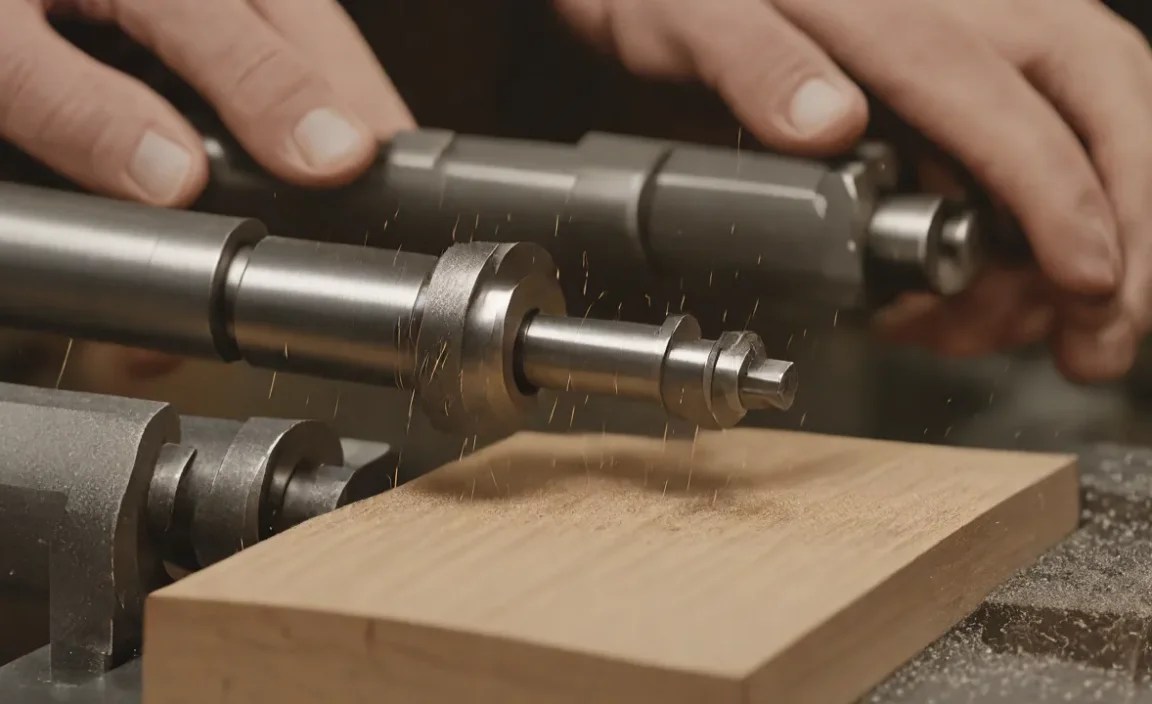
You don’t need a workshop full of fancy equipment to get a sharp spindle gouge. Here’s what you’ll need:
- Wood Lathe: Even a small benchtop lathe is perfect for this.
- Grinding Equipment:
- Bench Grinder: This is the most common and efficient method. A slow-speed, 1750 RPM grinder is ideal for tool steel to prevent overheating.
- Grinding Wheel: A standard aluminum oxide wheel works well for high-speed steel (HSS) tools. Diamond wheels are an option for carbide-tipped tools or if you want a very long-lasting abrasive.
- Jig for Grinding: This is crucial for consistency. Popular options include:
- Axminster Shear Cutting Jig (or similar): These jigs allow you to accurately set the bevel angle and shear the tool across the grinding wheel.
- Oneway Wolverine Grinding Jig (or similar): A very popular and versatile jig that uses a ball-bearing system for smooth, consistent movement.
- DIY Jig: Many woodworkers create their own simple jigs from wood.
- Water Bath/Bucket of Water: For cooling the tool to prevent overheating and losing the temper of the steel.
- Magnifying Glass or Loupe: To check the sharpness and look for any burrs.
- Leather Strop and Honing Compound: For final polishing and burr removal.
The Sharpening Process: Step-by-Step
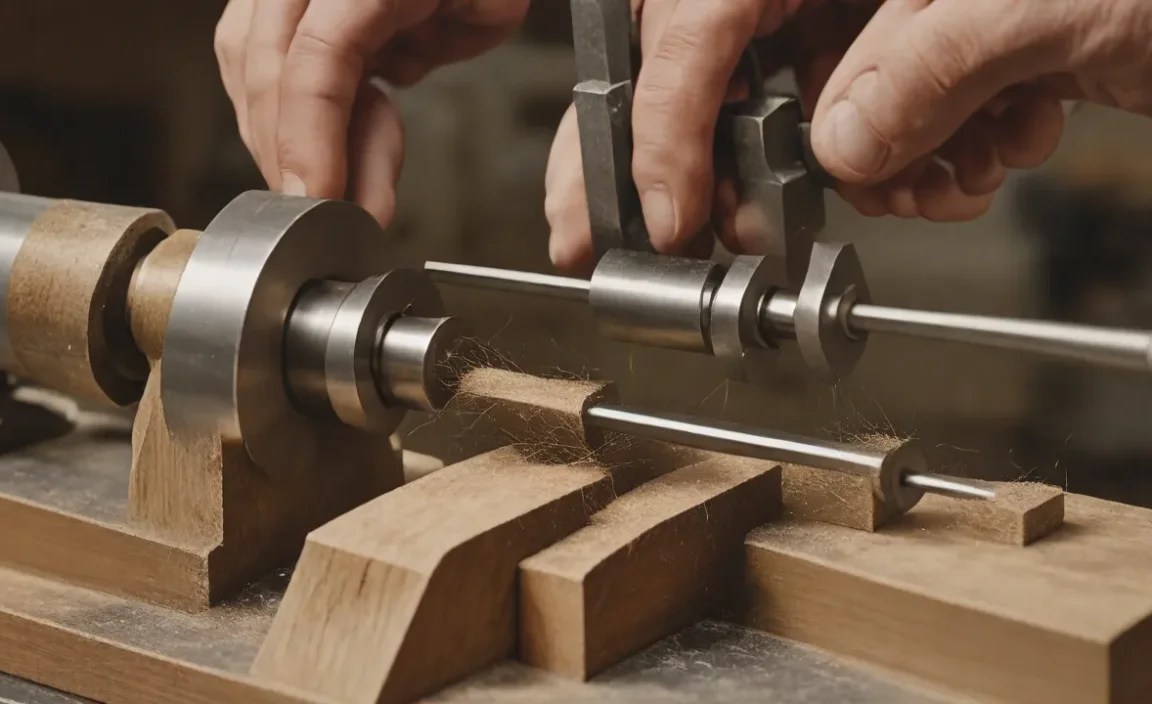
Let’s get that gouge singing! We’ll cover the most common method using a bench grinder and a jig. Remember, the goal is to remove just enough metal to restore the sharp edge, not to reshape the entire tool.
Step 1: Set Up Your Grinder and Jig
First, ensure your bench grinder is stable and clean. If you’re using a 1750 RPM grinder, that’s ideal. If you have a faster grinder (3450 RPM), you’ll need to be extra careful not to overheat the tool. Have your bucket of water within easy reach. Mount your chosen grinding jig. For many jigs, there’s an adjustable arm. You’ll want to set this so that when the gouge is placed in the jig, it contacts the grinding wheel at the correct bevel angle (typically 30-40 degrees for spindle gouges).
A good starting point is to place the gouge into its typical cutting position with the flute pointing slightly upwards. Then, adjust the jig’s arm so the gouge rests on the grinding wheel at the desired angle. You’re aiming to grind the existing bevel, not create a new one. Many jigs have guides or settings for common gouge types.
Step 2: Grind the First Bevel
Hold the gouge firmly in the jig. Bring the gouge into contact with the grinding wheel. The jig should guide the tool, ensuring the bevel stays consistent. Use a light touch and move the gouge back and forth slightly across the wheel face. Do this for about 10-15 seconds, then pull the gouge away and immediately quench it in the water bath.
Safety Tip: Always wear safety glasses when grinding. Keep your fingers well away from the spinning wheel. Never force the tool; let the grinder do the work. Overheating will “draw the temper” from the steel, making it brittle and unable to hold a sharp edge. Quenching frequently is essential.
Step 3: Check for a Burr
After quenching, carefully feel the edge of the gouge. You’re looking for a tiny wire edge, or burr. This is a thin lip of metal that has been pushed to the very edge during grinding. If you can feel a slight roughness or sharp “catch” along the cutting edge (opposite the bevel you just ground), you’ve removed enough metal. If you don’t feel a burr, repeat Step 2, perhaps with slightly more pressure or for a few more seconds, remembering to quench.
Step 4: Grind the Second Bevel (if applicable) / Replicate Motion
For most spindle gouges, especially those with a standard grind, you’ll be grinding the same bevel on both sides to create a symmetrical cutting profile. The motion you use will depend on your jig, but it generally involves moving the gouge back and forth across the wheel while maintaining contact with the spur of the jig. The goal is to grind until the burr forms along the entire cutting edge. Again, work in short intervals, quenching frequently.
If your gouge has a specific grind (like a fingernail grind), you’ll need to adjust your angle slightly during the grind to create that rounded fingernail shape. However, for beginners focused on a sharp edge, maintaining a consistent bevel angle is the primary goal.
Step 5: Check the Entire Edge
Once you’ve worked both sides and feel a burr along the entire cutting edge, perform a final quench. Carefully inspect the edge. You can use a magnifying glass to check that the bevel is consistent, there are no deep nicks, and the burr is present all the way along the cutting edge.
Step 6: Strop and Hone
This is the final, crucial step to achieve a truly razor-sharp edge. Take your leather strop and apply a small amount of honing compound (like jeweller’s rouge or CBN paste). Hold the gouge at the same bevel angle you used for grinding, but this time, drag it away from the edge, essentially “skimming” the edge across the strop. Work along the entire flute, alternating sides. The goal is to remove the burr and polish the bevel to a mirror finish.
Move the gouge back and forth along the strop, maintaining the bevel angle. Do this for 10-20 passes on each side. After stropping, you can carefully feel the edge. It should feel incredibly smooth and sharp, with no trace of a burr.
To test the sharpness, try to gently shave a thin curl off a piece of scrap wood. Alternatively, you can use the paper-cutting test: a truly sharp gouge will cleanly slice through a piece of paper held vertically, without snagging or tearing.
Alternative Sharpening Methods
While a bench grinder with a jig is the most common and effective method, here are a couple of alternatives:
- Water Stones: These specialized sharpening stones are excellent for achieving a very refined edge. The process is similar to sharpening chisels or plane irons. You’ll need to hold the gouge at the correct angle and move it across the stone. This method requires more practice to maintain a consistent angle freehand but can produce exceptionally sharp tools. For inspiration on freehand sharpening, resources from organizations like local woodturning guilds often have great demonstrations.
- Sharpening Systems with Jigs: Some dedicated sharpening systems are designed specifically for lathe tools, often using abrasive wheels or belts. These can be very effective but are typically more expensive than a basic bench grinder setup.
Troubleshooting Common Sharpening Issues
Even with the best intentions, you might run into a few bumps. Here’s help:
- Overheating the Tool: This is the most common problem. It means you’re applying too much pressure or grinding for too long without quenching. Slow down, use lighter pressure, and quench frequently in water. If you think you’ve overheated it, it’s often best to grind back a little further to ensure you’re working with properly tempered steel.
- Inconsistent Bevel: This usually means your jig isn’t set up correctly, or you’re not holding the gouge securely in the jig. Double-check your jig’s setup and ensure the gouge is seated properly. Practice smooth, consistent movements.
- Not Creating a Burr: You might not be removing enough metal, or your bevel angle is too shallow for the grinding wheel contact. Try slightly more pressure or a few more seconds of grinding. Ensure you are grinding the existing bevel accurately.
- Burr Won’t Come Off: Sometimes, a stubborn burr can be difficult to remove. Ensure you are stropping with sufficient passes and pressure at the correct angle. If it’s very stubborn, a quick touch-up on the grinding wheel (just a few seconds with a light touch) followed by more stropping can help.
- Nicked Edge: A small nick can happen. You’ll need to grind back past the nick until it’s gone. This might mean removing a bit more metal than usual. Focus on re-establishing a consistent bevel once the nick is removed.
Maintaining Your Sharp Edge Between Sharpenings
You’ve got that beautiful, sharp edge. How do you keep it that way for as long as possible? Constant maintenance is key.
- Regular Honing/Stropping: After every few cuts, or when you notice the tool starting to drag or fuzz the wood, a quick touch-up on the strop can bring back that keen edge. This takes seconds and significantly extends the time between major grinding sessions.
- Gentle Tool Use: Avoid hitting nails, screws, or other hard objects embedded in the wood. Don’t force the tool through very hard sections unnecessarily.
- Proper Tool Storage: Store your gouges so they don’t bang against other tools. A tool roll or a dedicated holder is ideal.
- Know When to Grind: Don’t wait until your gouge is completely dull. Sharpening when the edge is merely showing signs of dullness requires removing far less metal, preserving the tool’s life and making sharpening quicker and easier.
How Often Should You Sharpen?
This is a common question, and the answer is: it depends! Factors include:
- Wood Type: Hardwoods like oak or maple will dull a tool faster than softer woods like pine. Exotic hardwoods can be very abrasive.
- Project Complexity: Detailed work or aggressive cuts will wear the edge faster than light finishing passes.
- Technique: How you use your tools impacts their longevity.
- Previous Sharpening: A well-sharpened and honed tool will perform better for longer.
A good rule of thumb for beginners is to check your gouge’s sharpness before every turning session. If it doesn’t shave paper cleanly or feels like it’s starting to drag, give it a few passes on the strop. If stropping doesn’t restore the edge, it’s time for a quick trip to the grinder. For significant dullness or a nick, grinding is necessary. Aim to do the minimum sharpening required to maintain a good edge.
A Note on Safety
Working with sharp tools and power equipment requires constant vigilance. Always:
- Wear safety glasses, and consider face shields for grinding.
- Keep your work area clean and free of clutter.
- Ensure your grinder is well-maintained and stable.
- Keep water baths full and accessible.
- Never touch the grinding wheel while it’s spinning.
- Use jigs to maintain consistent angles and keep your hands away from the grinding surface.
- Remove the gouge from the grinder and quench it in water before feeling the edge.
- When returning a sharpened gouge to tool storage, be mindful of the extremely sharp edge.
Safe practices aren’t just rules; they are the foundation of enjoyable and productive woodworking. According to the U.S. Forest Products Laboratory (read about woodturning safety and techniques), understanding tool mechanics and maintaining sharpness are paramount to preventing accidents.
Understanding the mechanics of your tool and how a sharp edge behaves is part of that safety picture. A sharp tool is a predictable tool. A dull tool is an unpredictable tool, and that’s where most problems arise.
FAQ: Wood Lathe Spindle Gouge Sharpening
Q1: How do I know when my spindle gouge is sharp enough?
A: A sharp gouge will cleanly shave thin curls of wood with minimal effort. It should also be able to slice through a piece of paper held vertically without snagging or tearing. You shouldn’t feel any “drag” or fuzziness when cutting. Always double-check for a burr after grinding and ensure it’s removed by stropping.
Q2: What’s the best bevel angle for a spindle gouge?
A: For most general-purpose spindle turning, a bevel angle between 30-40 degrees is ideal. This provides a good balance of strength and cutting ability. Some woodturners prefer a slightly steeper angle for more aggressive cuts or a shallower one for finer detail, but 30-40 degrees is a great starting point for beginners.
Q3: Do I really need a sharpening jig?
A: While it’s possible to sharpen freehand, a jig is highly recommended, especially for beginners. A jig ensures you maintain a consistent bevel angle, which is critical for predictable cutting performance and ease of sharpening. It greatly reduces the learning curve and frustration.
Q4: My gouge still feels dull after sharpening. What did I do wrong?
A: Several things could be wrong: you might not have removed enough metal to get to a truly sharp apex, you may still have a burr present, or the edge might not have been properly honed/stropped. Double-check that you feel a burr along the entire edge after grinding, and then ensure you have thoroughly stropped the edge to remove it and polish the bevel.
Q5: How often should I be sharpening my spindle gouge?
A: This varies greatly depending on the wood you’re turning, how aggressively you cut, and how well you maintain the edge. A good practice is to test for sharpness before each turning session. A quick strop can often refresh the edge, significantly extending the time between grinding sessions. If scraping or fuzzing occurs, it’s time to sharpen.
Q6: Can I use my metal lathe grinding setup for wood gouges?
A: While many principles overlap, wood turning tools are typically made of high-speed steel (HSS) and softer than some metalworking tools. For wood gouges, a slower RPM grinder (1750 RPM) is preferred to prevent overheating the steel. Using diamond wheels or specialized abrasives might be overkill or even inappropriate for HSS wood gouges. A standard aluminum oxide wheel on a slow-speed grinder is usually best.
