Wood lathe precision turning is achievable with these essential tips, focusing on setup, tool control, and material understanding for smoother, more accurate results. Master these techniques to elevate your woodworking projects and build confidence.
Ever find yourself wrestling with your wood lathe, wishing your pieces were a little smoother, a little more accurate? You’re not alone! Achieving that beautiful, clean finish on your turned projects can feel like a bit of a puzzle at first. But don’t worry, with a few smart tactics and some practice, you can turn those frustrating moments into satisfyingly precise creations. We’re going to break down the secrets, from getting your lathe set up just right to mastering your tools and understanding your wood. Get ready to gain confidence and unlock a new level of finesse in your turning.
Mastering Wood Lathe Precision Turning: Your Essential Guide

Precision turning on a wood lathe isn’t some mysterious art reserved for seasoned pros. It’s a skill built on understanding your tools, your material, and your machine. As Daniel Bates, your guide from Lathe Hub, I’ve seen firsthand how a few key adjustments and techniques can make all the difference. Forget chasing smooth finishes and battling tear-out; we’re going to walk through everything you need to know to achieve beautiful, accurate results, project after project. This guide is packed with beginner-friendly advice designed to build your confidence and make precision turning an achievable goal for every hobbyist and aspiring woodworker.
1. The Foundation: Setting Up for Success

Before you even touch a chisel to wood, a properly set-up lathe is your first step towards precision. Think of it like laying a solid foundation for a house. A shaky setup leads to shaky results.
Lathe Stability and Alignment
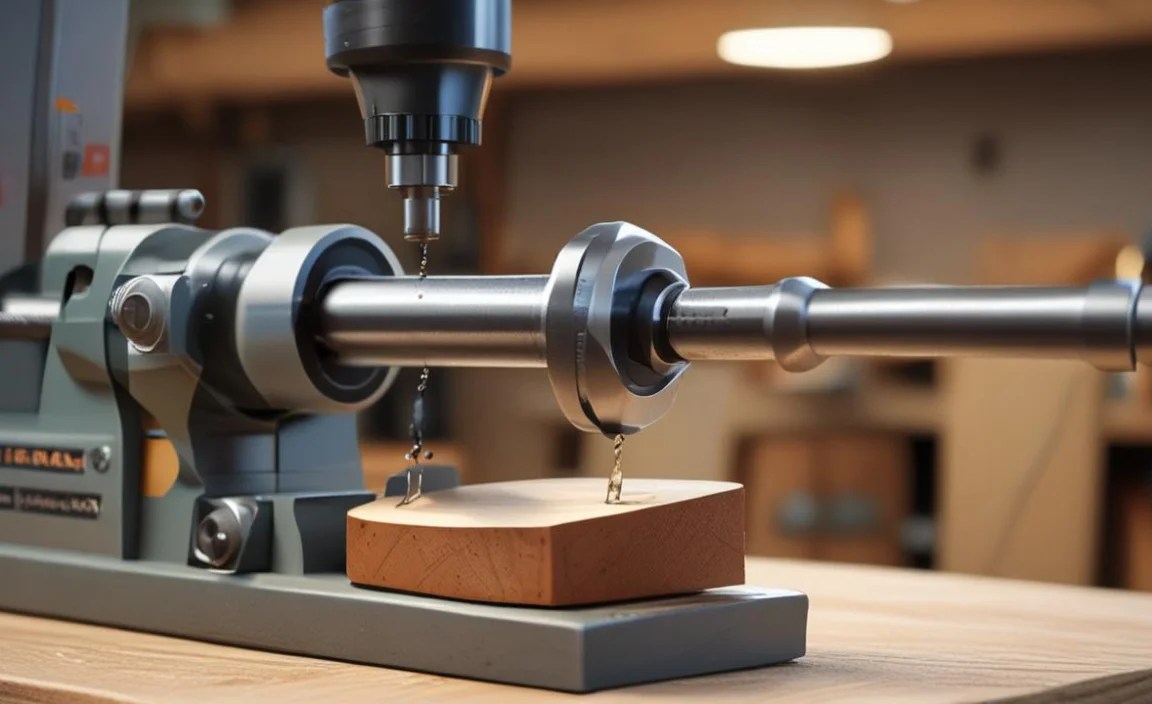
Your lathe needs to be a solid, unmoving platform. Any vibration from a wobbly machine will translate directly into your workpiece, ruining smooth surfaces and accurate dimensions. Ensure your lathe is on a level, sturdy surface. If it’s a benchtop model, sturdy bench mounting is crucial. For floor-standing models, make sure the leveling feet are adjusted correctly and the machine sits firmly on the ground. Check for any loose bolts or parts and tighten them.
Tool Rest Positioning is Crucial
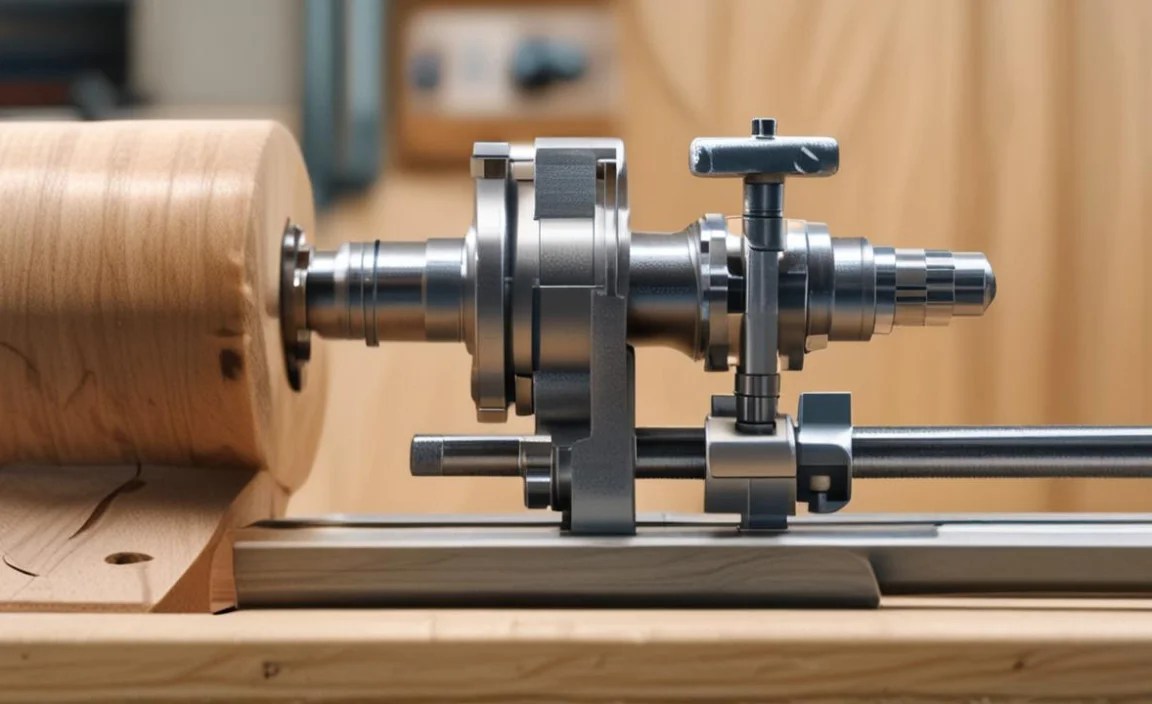
This is one of the most common areas where beginners stumble. The tool rest is your absolute anchor for control. For almost all turning operations, the tool rest should be positioned very close to the workpiece – no more than a pencil’s width away. This minimizes leverage that can cause your tools to dig in unexpectedly. The height of the tool rest is also critical. For most cuts, it should be at center height of the workpiece. For scraping, you might raise it slightly above center. Experimentation is key here, but always start with the rest close and at center height.
A good rule of thumb from the Woodworker’s Journal emphasizes that the tool rest should never be lower than the center of the workpiece. This prevents the tool from getting underneath and catching the wood, which can lead to dangerous kickbacks.
Understanding Spindle Threads and Chuck Mounting
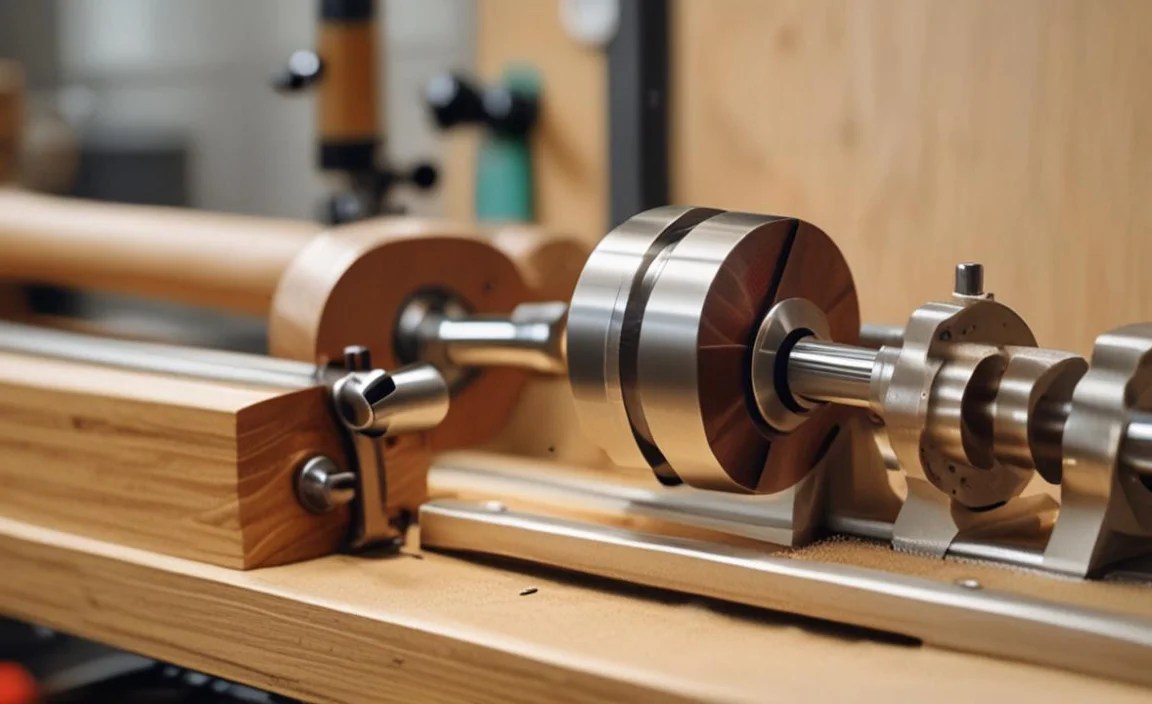
If you’re using a chuck, ensure the spindle threads on your lathe match the threads on your chuck. Clean both threads thoroughly with a wire brush to remove any debris that could prevent a secure fit. Mount the chuck firmly and check its stability before bringing the tool rest and workpiece into position. A loose chuck is a recipe for disaster.
2. Wood Selection and Preparation: The Heart of the Matter

The wood you choose and how you prepare it significantly impacts how well it turns and the precision you can achieve.
Choosing the Right Wood

Not all woods are created equal for turning. For beginners aiming for smooth finishes, hardwoods generally offer a more predictable experience. Woods like maple, cherry, and walnut are excellent choices. They are less prone to splintering and can be worked to a very fine finish. Softer woods, like pine, can be trickier as they are more prone to tear-out and can be inconsistent. Always choose straight-grained wood whenever possible to avoid imbalances on the lathe.
Balancing Your Wood Blanks

Before mounting a larger piece of wood on your lathe, it’s essential to balance it. This is especially important for irregularly shaped or unseasoned logs. You can do this by roughly shaping the blank into a cylinder and then using a block of wood or a dedicated balancing jig to help you find and drill out heavier sections, or simply by roughing it out to a more uniform diameter. This minimizes vibration and makes turning much safer and more enjoyable.
Moisture Content Matters
Green wood (freshly cut) turns differently than dry, seasoned wood. Green wood is softer and easier to shape but will warp and change shape as it dries. Dry wood is harder, more stable, and holds its shape better, making it ideal for projects where precise dimensions are important. If you’re aiming for precision, seasoned hardwood is generally your best bet.
3. Tool Mastery: Sharpness and Technique
Your turning tools are an extension of your hands. Keeping them sharp and knowing how to use them is paramount for precision.
The Importance of Sharp Tools
This cannot be stressed enough: always use sharp turning tools! A dull tool requires more force, leads to rough cuts, tear-out, and increases the risk of the tool catching the wood. Regularly sharpen your chisels using a grinder with a jig and a sharpening system or at least a good sharpening stone. For most beginners, learning to sharpen gouges and scrapers effectively is a critical skill. A good benchmark is that a sharp tool should be able to shave a thin curl of wood off a piece, rather than scraping.
The Tooling.com resources highlight the role of various tools, and sharpness applies equally to all of them for optimal results.
Gouges: Roughing and Shaping
Roughing Gouge: Use this for rapidly removing waste and bringing your blank to a cylindrical shape. Always present the tool with the bevel down, cutting on the “sweep” of the gouge. Move it from side to side to create a consistent diameter. Avoid digging the corners of the gouge into the wood.
Spindle Gouge: Excellent for creating cove cuts, beads, and general shaping. It can be used with the bevel rubbing against the wood (bevel rubbing) for a controlled, shearing cut or with the bevel lifted for a more aggressive cut. For precision, bevel rubbing is often your friend. Always move the gouge from the tailstock towards the headstock.
Scrapers: The Finishing Touch
Scrapers (like the Sydney or round nose scraper) are invaluable for achieving a very fine finish, especially on end grain or tricky areas. They don’t cut in the same way as gouges; they are designed to shear off very thin layers of wood. When using a scraper, the edge should be slightly higher than the center of the workpiece and the tool rest. Present the scraper with a slight ‘hook’ to it, allowing the edge to shear the wood. The key to a good scraper finish is to take extremely light passes, often with the bevel slightly lifted, and to “burnish” the edge to create a tiny burr (a micro-edge) that actually does the scraping.
Skew Chisel Techniques
The skew chisel is one of the most versatile but also one of the most intimidating tools. For precision and smooth cuts, focus on using it on its side, with the flat side of the blade leading. Presenting it with the bevel rubbing creates a shearing cut that leaves a beautiful, smooth surface, perfect for finishing tenons or creating parallel lines. Avoid using the point of the skew for aggressive cuts on larger spindles, as this increases the risk of it digging in.
4. Turning Speed and Feed Rate: Finding the Sweet Spot

The speed at which your lathe spins and how quickly you move your tool across the wood are critical for both safety and finish quality.
Matching Speed to Wood and Operation

Generally, the larger or more unbalanced the workpiece, the slower the lathe should spin. As you remove material and make the piece more round and balanced, you can gradually increase the speed. For very fine finishing cuts, especially with scrapers, a slightly slower speed can still yield excellent results and provide more control. Conversely, when doing fast roughing operations on a balanced blank, you might use a higher speed. Always err on the side of caution and start slower.
Controlled Feed Rate for Smoothness

A controlled, consistent feed rate with your tool is essential for a smooth surface. Don’t rush your cuts. Let the tool do the work. For shaping with a gouge, a smooth, sweeping motion from tailstock to headstock (or vice versa, depending on the cut) is preferable to jerky, stop-and-go movements. For finishing cuts, especially with scrapers or the side of a skew, a slow, steady pass is key to avoiding tool marks and achieving a glass-like finish.
5. Understanding Wood Grain and Tear-Out

Wood grain is your opponent and your friend. Understanding it is vital for precision turning.
Working With the Grain
Most turning operations involve working across the grain (turning spindle work). However, when you encounter end grain, like on a bowl or faceplate turning, the grain is oriented towards you. Working end grain can be prone to chipping and tear-out. Using scrapers effectively, or very specialized tools like bowl gouges with specific techniques, is important here. For spindle work, always cut from the tailstock towards the headstock when using gouges for shaping. When planing with a skew, the direction of cut is less critical as long as the bevel is rubbing.
Tips to Prevent Tear-Out
Tear-out occurs when the wood fibers are being pulled and ripped rather than cleanly cut or sheared.
- Sharp Tools: The number one defense against tear-out.
- Shearing Cuts: Use tools like the skew chisel or bowl gouges at an angle that allows them to shear the wood fibers rather than dig into them.
- Controlled Bevel Rubbing: For gouges, letting the bevel rub on the wood provides support and a cleaner cut.
- Back-Cutting: For certain difficult grains, a technique called back-cutting (using a scraper or specialized tool with the tool rotated against the normal cutting direction) can help clean up edges.
- Tool Angle: Ensure your tool is presented at the correct angle to the wood. Too steep an angle can dig in, while too shallow can scrape poorly.
6. Essential Tools for Precision Turning

While you can do a lot with a few basic tools, having the right ones can significantly enhance your ability to turn precisely.
Key Tools and Their Uses

- Roughing Gouge: For initial shaping and removing large amounts of material.
- Spindle Gouge: Versatile for shaping, coves, beads, and general work on spindle-like turnings.
- Skew Chisel: For smoothing surfaces, creating parallel lines, and parting off. Learning to use it on its side for shearing cuts is crucial for precision.
- Scrapers (various shapes): Essential for achieving superfine finishes, especially on end grain or difficult woods.
- Parting Tool: For creating narrow grooves and accurately cutting pieces off the lathe.
- Revolving Center Tailstock Chuck (e.g., Jacobs Chuck): For drilling holes accurately in the center of your workpiece while it’s mounted on the lathe.
Tool Grinding and Honing Station
A dedicated setup for grinding and honing your tools is vital. This often includes a grinder (typically a slow-speed grinder with specific wheels or diamond abrasives) and honing jigs to maintain the correct bevel angles. According to many expert sources, including the Wood Magazine, having a consistent sharpening routine is as important as the tools themselves for achieving high-quality results.
Here’s a quick look at the ideal setup for sharpening:
| Tool Type | Grinding Wheel/Surface Recommendation | Honing Method | Typical Bevel Angle |
|---|---|---|---|
| Gouges (Roughing, Spindle) | Aluminum Oxide or Silicon Carbide wheel, or diamond plate | Leather strop with honing compound | 30-40 degrees (sweeping bevel) |
| Skew Chisel | Aluminum Oxide wheel or diamond plate | Leather strop, fine-grit sandpaper | 35-45 degrees (flat bevel) |
| Scrapers | Diamond plate or fine-grit sandpaper (often not ground, just honed) | Leather strop, fine-grit sandpaper | N/A (honed to create a burr) |
| Parting Tool | Diamond plate or fine-grit sandpaper (honing the cutting edge) | Leather strop | N/A (maintain sharp edge) |
7. Measuring and Checking for Accuracy
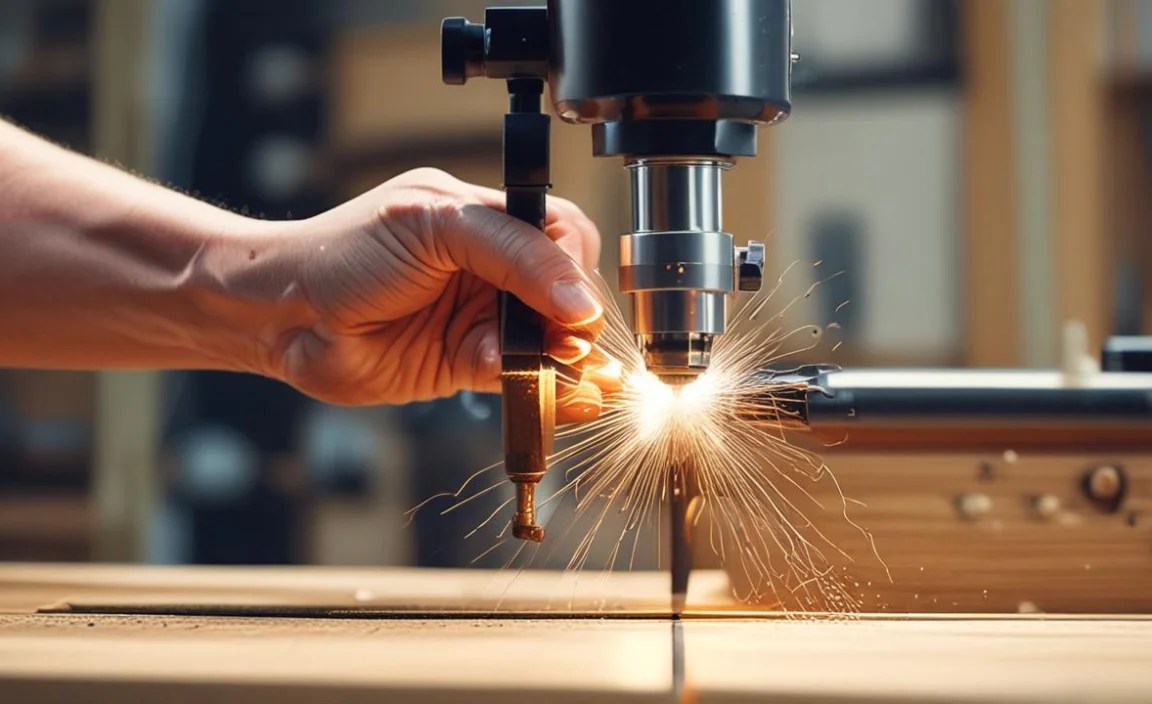
Precision means hitting your targets. You need to be able to measure accurately.
Using Calipers and Gauges
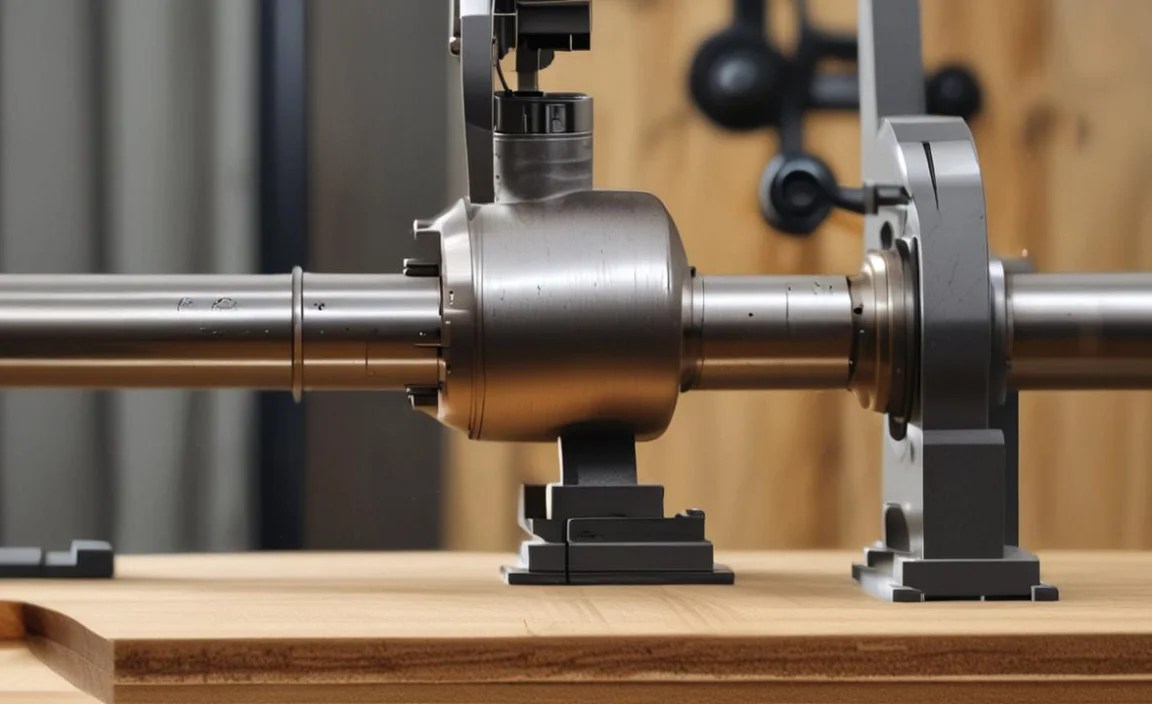
Keep a set of digital calipers or a good set of measuring calipers handy. These are invaluable for checking diameters, depths, and shoulder lengths. Don’t rely on visual estimation alone. Measuring frequently as you turn helps you stay on target and make corrections before you go too far.
Go/No-Go Gauges for Dimensions

For critical dimensions, you can create simple “go/no-go” gauges. For example, if you need a tenon to be exactly 1 inch in diameter, you can mark a piece of card or thin plywood with a 1-inch hole. If the tenon fits through the hole, it’s too small (no-go). If it still has the card stock touching it, it’s the right size (go). This is a very simple but effective method for ensuring consistency.
8. Advanced Techniques for Finer Finishes

Once you’ve mastered the basics, a few advanced tips can elevate your finish.
Burnishing with Scrapers

As mentioned, burnishing a scraper’s edge creates a micro-burr that can shear wood fibers cleanly. This technique often requires a hardened steel rod or the back of a burnisher tool. With a very light pass, pushing the burnisher along the cutting edge of the scraper, you can create this burr. It dramatically improves the finish, especially on difficult woods.
Sanding on the Lathe – The Right Way

While the goal of precision turning is often to minimize sanding, sometimes it’s necessary. When sanding, always sand with the lathe off or at a very slow speed. Wrap sandpaper around a cork block or use specialized sanding tools to apply even pressure and avoid creating flat spots or unnecessary dust. Sanding with the lathe spinning at high speed can embed dust into the wood and is a safety hazard. Once you’ve achieved a good scraped finish, sanding should remove scratches from the scraper, not rough tooling marks.
The Toolingu.com Guide to Lathe Safety also emphasizes slow speeds and careful practices during any finishing processes like sanding.
Finishing In-Situ

Sometimes, applying a finish (like oil or wax) can reveal imperfections you missed. Applying a coat of finish while still on the lathe and spinning slowly can help you see these areas and make final adjustments. Be careful with rags and finishes on a spinning lathe – always use minimal material and keep rags away from moving parts.
Frequently Asked Questions (FAQ) about Wood Lathe Precision Turning
Q1: What is the most important factor for precise wood turning?

The most important factor is having sharp tools and maintaining their sharpness. Dull tools lead to rough surfaces, tear-out, and lack of control, making precision impossible.
Q2: How close should my tool rest be to the wood?
Your tool rest should be positioned as close to the workpiece as possible, usually no more than a pencil’s width away, to provide maximum support and minimize leverage.
Q3: Can I achieve precision with any type of wood?
While it’s possible with any wood, hardwoods like maple, cherry, and walnut are generally easier to turn precisely due to their stability and predictable grain. Softer, irregular woods present more challenges.
Q4: What’s the best way to avoid “tear-out” when turning?
Ensure your tools are extremely sharp, use shearing cuts whenever possible (like with a skew chisel or bowl gouge), and pay attention to the wood grain direction. Presenting your tools at the correct angle, often with bevel rubbing, also helps.
Q5: Should I sand on the lathe? If so, how?
Yes, you can sand on the lathe, but always at a slow speed or with the lathe stopped. Use a sanding block to apply even pressure and avoid flattening.
