Wood lathe spindle lock problems can halt your creative flow, but this guide offers simple, effective fixes to get you turning again safely and confidently. We’ll demystify common issues and provide clear solutions for beginners.
Wood Lathe Spindle Lock Problems: Genius Solutions

Hey there, fellow woodturners! Daniel Bates here from Lathe Hub. Ever been right in the middle of a beautiful bowl project, or perhaps a perfectly shaped spindle for a chair, only to find your wood lathe’s spindle lock is giving you grief? It’s a frustrating moment, isn’t it? That little mechanism meant to make changing out accessories or locking the spindle for safety suddenly decides to play a game of hide-and-seek with your intended progress.
Don’t worry if this has happened to you; it’s a super common hiccup, especially when you’re getting the hang of things. The good news is, these issues are almost always fixable with a few straightforward steps. Today, we’re going to dive deep into what causes these spindle lock headaches and, more importantly, how to solve them so you can get back to creating.
We’ll break down the most frequent culprits, from a stubborn locking pin to a worn-out mechanism, and walk you through simple, reliable solutions. By the end of this guide, you’ll feel much more confident in identifying and tackling any wood lathe spindle lock problem that comes your way.
Understanding Your Wood Lathe Spindle Lock

Before we fix any problems, let’s quickly talk about what the spindle lock is and why it’s so important. Think of the spindle lock as your lathe’s “parking brake” for the headstock. Its primary job is to keep the spindle from rotating when you need it to be stationary. This is absolutely critical for several tasks:
- Changing Accessories: Removing or installing faceplates, chucks, or drive centers often requires the spindle to be locked so it doesn’t spin against your wrench.
- Chucking Operations: When mounting or dismounting workpieces, especially with a scroll chuck, you need the spindle locked to prevent movement.
- Safety: For certain operations like drilling through the workpiece or scraping when the rest is in place, locking the spindle can add an extra layer of safety.
Most wood lathes use one of a few common spindle lock designs. The most prevalent types involve a spring-loaded pin or knob that engages with a detent or hole in the spindle pulley or a groove on the spindle itself. Some might have a lever mechanism that applies pressure to hold the spindle. Understanding your specific lathe’s system is the first step to troubleshooting.
Common Wood Lathe Spindle Lock Problems and Their Solutions

Now, let’s get down to the nitty-gritty. Here are the most common issues you’ll encounter with your wood lathe’s spindle lock, along with how to get them working smoothly again.
Problem 1: The Spindle Lock Pin Won’t Engage or Retract
This is probably the most frequent complaint. You push the button or turn the knob, but the pin either refuses to pop out and engage with the spindle pulley’s hole, or it’s stuck in and you can’t get it to retract so the spindle can turn.
Why it happens:
- Debris and Dust: Wood dust, chips, and dried lubricant can build up around the pin and its housing, creating friction and preventing smooth movement.
- Lack of Lubrication: Over time, the moving parts within the lock mechanism can dry out.
- Bent Pin or Housing: If the lock has been forced or impacted, the pin or the hole it sits in might be slightly deformed.
- Loose Components: Internal springs or retaining clips could have come loose.
Solutions:
- Clean Thoroughly: Start with the simplest fix. Use compressed air to blow out any loose debris from the pin’s opening. If that doesn’t work, use a soft brush or a cotton swab dipped in a mild solvent (like mineral spirits) to gently clean around the pin. Work the pin in and out manually as you clean.
- Lubricate: Once clean and dry, apply a small amount of light machine oil or a silicone-based lubricant designed for tools. Don’t drench it; a little goes a long way. Work the pin in and out several times to distribute the lubricant. For a longer-lasting solution, consider a dry lubricant like graphite powder, especially if your lathe is prone to heavy dust accumulation.
- Check for Obstructions: With the pin retracted, carefully peer into the hole or slot where it engages on the spindle pulley. Ensure there are no wood fragments, screws, tape, or other foreign objects lodged inside. You might need a flashlight and a thin pick or wire to gently dislodge anything you find.
- Inspect and Straighten (with caution): If you suspect a bent pin, you might need to remove the lock assembly. This varies greatly by lathe model. Sometimes, the pin can be gently straightened with pliers. If the housing is damaged, it might require more involved repair or replacement. Always refer to your lathe’s manual if you’re unsure.
Problem 2: The Spindle Lock Won’t Hold Securely
You can engage the lock, but when you put a little pressure on the spindle (like trying to loosen a chuck screw), it still rotates or slips. This can be dangerous!
Why it happens:
- Worn Pin or Detent: The tip of the locking pin or the hole/groove it’s supposed to seat into on the spindle pulley can become rounded or worn down from repeated use.
- Weak Spring: The spring that pushes the pin outward might have lost tension.
- Incorrect Engagement: The pin isn’t fully seating into the detent or hole.
- Loose Pulley: In rare cases, the spindle pulley itself might be loose on the spindle shaft.
Solutions:
- Ensure Full Engagement: Double-check that you’re aligning the pin with the correct hole or groove on the pulley when locking. Sometimes, slightly nudging the spindle by hand can help the pin seat fully. Make sure the area around the detent on the pulley is clean.
- Inspect Pin and Pulley for Wear: If the pin tip or the detent looks heavily rounded or damaged, this is the likely cause. For minor wear on the pin, sometimes a toolmaker can build up the tip with weld and re-grind it, but this is usually beyond DIY. For the pulley, cleaning the detent might help. If wear is significant, replacement of the pin, spring, or pulley might be necessary.
- Test the Spring: If you can access the spring for the pin, check its condition. If it feels weak or is damaged, it will need to be replaced. You can often find replacement springs at hardware stores or specialized fastener suppliers. Just make sure the replacement spring has the correct tension and fits the mechanism.
- Check Pulley Tightness: Consult your lathe’s manual to see how the spindle pulley is secured to the spindle. Ensure it hasn’t come loose. These are often secured with set screws. If it’s loose, tightening these screws (while the spindle is properly locked and secured!) is crucial.
Problem 3: The Spindle Lock Button/Knob is Loose or Spinny
The actuating part of your spindle lock feels wobbly or spins freely without engaging or retracting the pin properly.
Why it happens:
- Loose Set Screw: Many knobs or buttons are attached to a rod via a small set screw. This screw can loosen over time due to vibration.
- Stripped Threads: The threads on the knob, rod, or within the housing could be stripped, preventing a secure connection.
- Damaged Internal Mechanism: The linkage between the knob and the pin might be broken or disconnected.
Solutions:
- Tighten the Set Screw: Locate any small set screws, usually on the underside or side of the knob or button. Use the appropriate Allen wrench (hex key) or screwdriver to tighten them firmly. You may need to rotate the knob to find the screw.
- Inspect Threads: If tightening the set screw doesn’t help, or if there isn’t one, examine the threads. If they are stripped, you might be able to repair them with a thread-chasing tool or by using a slightly larger screw if possible. More often, this indicates a need to replace the knob or the rod.
- Examine Internal Linkage: If the knob feels disconnected from the pin’s action, you’ll likely need to disassemble the lock mechanism to see where the connection is broken. Your lathe’s manual is your best friend here. Sometimes a simple linkage rod might have popped out of place, or a small screw holding it might have fallen out.
Problem 4: The Spindle Lock Assembly is Corroded or Rusted
If your lathe has been sitting in a damp environment, or if it’s an older machine that hasn’t been well-maintained, the spindle lock parts might be showing signs of rust or corrosion.
Why it happens:
- Moisture Exposure: Humidity, condensation, or direct contact with water.
- Irregular Maintenance: Lack of cleaning and protective coatings.
- Material Type: Some older lathes used less corrosion-resistant materials.
Solutions:
- Rust Penetrant and Cleaning: Apply a quality rust penetrant (like WD-40 or a specialized product) to the mechanism. Allow it to soak according to the product’s instructions. Then, use fine steel wool (0000 grade is best for delicate parts) or a brass brush to gently remove the rust. Work the pin in and out repeatedly.
- Degrease and Lubricate: After removing rust, clean off the penetrant and any residue with a degreaser or mineral spirits. Once dry, lubricate thoroughly with a suitable machine oil or grease.
- Consider Replacement: If the rust is severe and has pitted the metal significantly, it might compromise the function and longevity of the lock. In such cases, sourcing replacement parts from the manufacturer or a specialized dealer is the best long-term solution.
Table: Common Spindle Lock Problems at a Glance
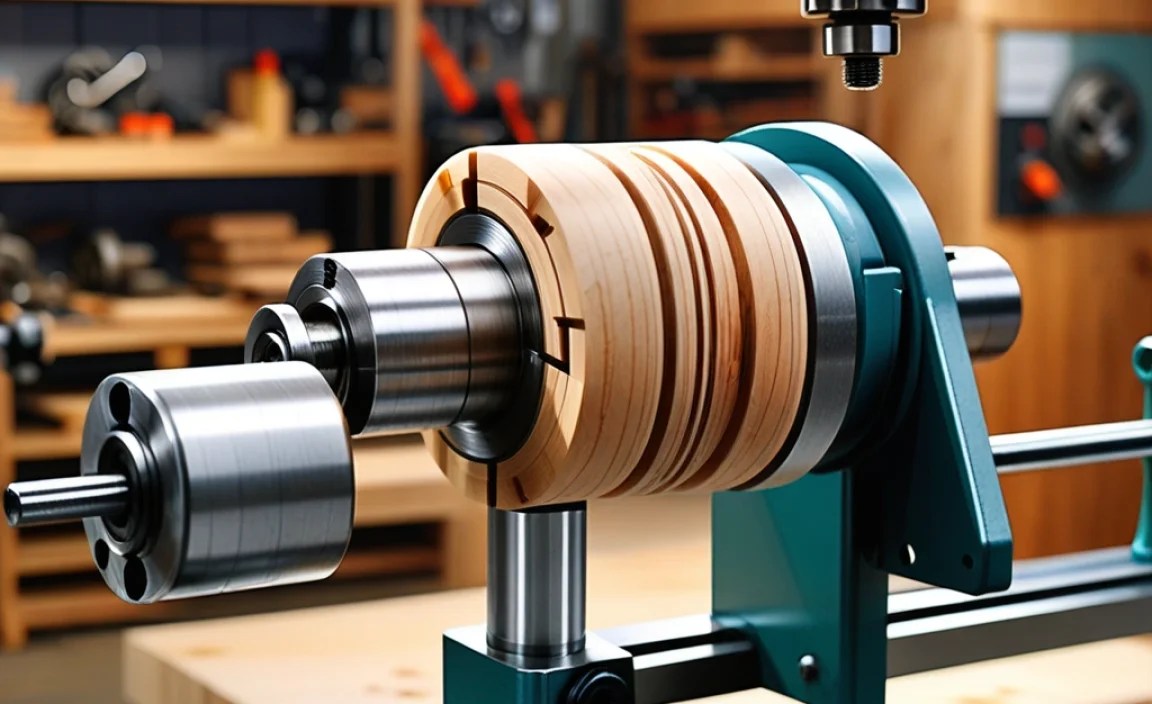
Here’s a quick reference to help you diagnose issues:
| Problem Description | Likely Cause | Immediate Action |
|---|---|---|
| Pin won’t engage/retract | Debris, lack of lubricant, bent part | Clean, lubricate, check for obstructions |
| Lock slips/won’t hold | Worn pin/detent, weak spring, poor engagement | Ensure full seating, inspect wear, check spring tension |
| Knob/button loose or spins | Loose set screw, stripped threads, broken linkage | Tighten set screw, inspect threads, check internal parts |
| Assembly is rusted/corroded | Moisture exposure, poor maintenance | Use rust penetrant, clean gently, lubricate, consider replacement |
Preventative Maintenance for Your Spindle Lock
The best way to avoid spindle lock problems is to prevent them from happening in the first place. Regular maintenance is key, and it doesn’t take much time.
- Regular Cleaning: After each significant turning session, take a moment to brush away wood dust and chips from around the spindle lock area. A blast of compressed air is also very effective.
- Periodic Lubrication: Every few months, or if you notice any stiffness, apply a light coat of machine oil or a dry lubricant to the spindle lock pin and mechanism. Don’t over-lubricate, as excess can attract dust.
- Gentle Operation: Always operate the spindle lock gently. Never force it. If it seems stuck, investigate why instead of applying brute force, which can lead to bent pins or damaged housings.
- Protect from Elements: Store your lathe in a dry environment. If you use your lathe outdoors or in a shed, be extra vigilant about moisture and dust. Consider covering the lathe when not in use.
- Check for Looseness: Occasionally, give the spindle lock knob or button a gentle wiggle. If it feels loose, check and tighten any accessible set screws as described earlier.
These simple habits will go a long way in ensuring your spindle lock remains reliable for years to come.
When to Seek Professional Help or Replace Parts
While most spindle lock issues are DIY-friendly, there are times when it’s best to call in the cavalry or order new parts.
- Severely Damaged Components: If the spindle lock pin is bent at an angle that can’t be corrected without significant risk of breaking it, or if the housing is cracked, replacement is usually the only safe option.
- Stripped Threads Beyond Repair: If critical threads for mounting the lock mechanism or securing the knob are stripped, a proper repair might be complex.
- Lack of Confidence or Tools: If you’re not comfortable disassembling parts of your lathe, or if you lack the specific tools required for a repair, it’s better to seek assistance.
- Manufacturer Recommendations: Always consult your lathe’s user manual. It often has specific troubleshooting tips and part numbers for replacements. Manufacturers, like Jet, Powermatic, or Grizzly, usually have customer support or parts departments that can help. For instance, the Occupational Safety and Health Administration (OSHA) strongly emphasizes the importance of machine guarding and proper functionality of safety mechanisms, which includes your spindle lock.
Replacing parts is often straightforward once you have the correct component. Websites like Woodworker’s Journal and manufacturer sites often have diagrams or videos that can guide you through part replacement.
Step-by-Step Guide: Lubricating and Cleaning the Spindle Lock Pin
Let’s walk through the most common fix: cleaning and lubrication.
Tools You’ll Need:
- Soft brush (an old toothbrush works well)
- Cotton swabs
- Light machine oil (e.g., 3-in-1 oil, sewing machine oil) or a dry lubricant like graphite
- Compressed air (optional, but very helpful)
- Lint-free cloth
- Flashlight
Steps:
- Assess the Situation: Gently try to operate the spindle lock. Is it stiff? Does it only move partway? This will confirm the need for cleaning and lubrication.
- Blow Out Loose Debris: If using compressed air, aim it around the spindle lock pin and its housing. Wear safety glasses! This can dislodge a surprising amount of dust and small chips.
- Clean with Brush/Swab: Use your soft brush to sweep away any visible dust or grime around the pin. If the pin is sticking, dip a cotton swab in a small amount of mineral spirits or a mild solvent. Gently clean the visible parts of the pin and around its opening. Work the pin in and out manually if possible.
- Incorporate Lubricant: Once clean, apply a small drop of your chosen lubricant to the pin and around its housing. If using oil, let it wick into the mechanism. If using graphite, apply a fine dusting.
- Work the Mechanism: Manipulate the spindle lock knob or pin repeatedly through its full range of motion. This helps the lubricant distribute evenly and break up any remaining surface friction.
- Wipe Away Excess: Use a lint-free cloth to wipe away any excess lubricant. Too much can attract more dust and create a sticky mess.
- Test Functionality: Try engaging and retracting the spindle lock a few times. It should now move smoothly and lock securely.
This simple routine should resolve most sticking or stiffness issues.
Frequently Asked Questions (FAQs)
What is the most common reason a wood lathe spindle lock stops working?
The most common reason is the buildup of wood dust, chips, and old lubricant around the locking pin and its housing, which creates friction and prevents smooth movement. Lack of lubrication over time is also a major culprit.
Can I use WD-40 to lubricate my spindle lock?
WD-40 is primarily a water displacement and light lubricant. While it can help free up a stuck mechanism rusted with moisture, it’s not a long-term lubricant for moving machine parts. It can attract dust. For best results, use a light machine oil.
