Wood lathe spindle lock problems can halt your projects, but fixing them is straightforward. This guide offers essential solutions for beginner woodturners to quickly get your lathe spinning again safely and reliably.
Working with a wood lathe is a wonderfully engaging hobby. You can take a simple block of wood and transform it into something beautiful, functional, or artistic. However, like any tool, a wood lathe can sometimes present challenges. One common and potentially frustrating issue for beginners is when the spindle lock on your wood lathe isn’t working correctly.
This can prevent you from turning the spindle by hand to inspect your work, change tool rests, or even mount new projects securely. Don’t worry, though! This isn’t usually a sign of a major problem. Most spindle lock issues are quite simple to diagnose and fix with a little patience. In this article, we’ll walk through the most common wood lathe spindle lock problems and their solutions, so you can get back to turning with confidence.
Understanding Your Wood Lathe Spindle Lock

Before we dive into troubleshooting, let’s quickly understand what the spindle lock does. The spindle lock is a mechanism that allows you to temporarily hold the lathe’s spindle (the part that spins and holds your workpiece) stationary. This is crucial for several reasons:
- Workpiece Mounting and Removal: You need to lock the spindle to securely attach or detach faceplates, chucks, and between-centers stock.
- Inspection: Locking the spindle lets you safely rotate the workpiece by hand to examine your turning progress, check for squareness, or sand without the risk of the spindle moving.
- Tool Rest Adjustment: It’s easier and safer to position and tighten tool rests when the spindle is locked.
Most wood lathe spindle locks involve a button or lever that engages with a notch or hole on the back of the spindle, preventing it from rotating. While designs vary slightly between manufacturers, the core principle remains the same.
Common Wood Lathe Spindle Lock Problems and Fixes

Here are the most frequent issues beginners encounter with their wood lathe spindle locks, along with simple, step-by-step solutions from Lathe Hub.
Problem 1: The Spindle Lock Won’t Engage or Hold
This is the most common complaint. You push the lock button, but it doesn’t “catch” or secure the spindle. The spindle still turns freely.
Why it Happens:
- The lock pin or button is not aligned with the notch or hole on the spindle.
- There’s debris, sawdust, or old grease preventing the pin from fully extending into the spindle’s hole.
- The spring mechanism behind the lock pin is weak or broken.
- The notch or hole on the spindle is worn or obscured.
Solutions:
Step 1: Check Alignment
Rotate the spindle slowly by hand while gently pushing and pulling the spindle lock button. You’re trying to feel or hear it “click” into place in the spindle’s locking hole. Sometimes, a slight rotation is all that’s needed to align the pin with the notch.
Step 2: Clean the Area
- Turn off and unplug your lathe for safety.
- Use a small brush (like a stiff toothbrush or a brass brush) to clean around the spindle lock button and the area where it’s supposed to engage on the spindle.
- Compressed air is also excellent for blowing out fine dust and debris.
- For stubborn gunk, you might use a little mineral spirits on a rag, but ensure it evaporates before attempting to lock again.
Step 3: Lubricate (Sparingly)
A tiny drop of light machine oil or dry lubricant (like graphite spray) on the spindle lock button and its mechanism can help it move freely. Avoid over-lubricating, as too much oil can attract more sawdust.
Step 4: Inspect Spindle Notches
With the chuck removed, inspect the spindle for any obvious damage or excessive wear around the locking hole. If the hole is deformed or the pin is bent, it might require more advanced repair or replacement parts.
Problem 2: The Spindle Lock is Stuck Engaged
In this scenario, the lock button is stuck in, rendering the spindle unable to turn. This can be alarming, especially if you need to start a project.
Why it Happens:
- Dirt, grime, or dried lubricant has gummed up the mechanism, preventing the internal spring from retracting the pin.
- The spring itself has failed or become dislodged.
- The lock pin has become bent or damaged, jamming it in place.
Solutions:
Step 1: Gentle Persuasion
With the lathe unplugged, try gently tapping the spindle lock button with the handle of a screwdriver or a small rubber mallet. Wiggle the button while tapping. Sometimes, this is enough to free a slightly stuck pin.
Step 2: Cleaning and Lubrication
Spray a penetrating lubricant (like WD-40, but be prepared to clean it thoroughly afterward, as it can attract dust) around the spindle lock button. Let it sit for a few minutes. Then, try tapping and wiggling again. Work the button in and out numerous times once it starts to move. Clean off any excess lubricant with a rag.
Step 3: Accessing the Mechanism (Advanced)
If the above steps don’t work, you may need to access the internal mechanism. This often involves removing a retaining nut or cover plate on the headstock. Refer to your lathe’s manual if you have one. Be careful not to lose any small parts, like springs or washers.
Once accessed, you can usually clean and lubricate the pin directly. If the spring is broken or the pin is bent, you’ll likely need to order a replacement part from the manufacturer.
Problem 3: The Spindle Lock Pin is Bent or Damaged
If you’ve noticed the lock button is loose, or it doesn’t seem to engage properly, the pin itself might be the culprit.
Why it Happens:
- Forced engagement when misalignment was present.
- Impact damage from dropping something on it, or forcing it against an obstruction.
- Wear and tear over time.
Solutions:
Step 1: Visual Inspection
With the lathe unplugged and the spindle lock disengaged (if possible), try to get a good look at the pin. Does it look straight? Is the end that engages the spindle flat and intact? Sometimes, you can see the bend just by looking.
Step 2: Gentle Straightening (Use with Extreme Caution)
If the pin is only slightly bent and you can access it (you might need to remove the button or outer housing), you might be able to gently straighten it using pliers. However, this is risky. Metal pins, especially when weakened, are prone to breaking if bent back and forth too much. If you’re not comfortable with this, skip to the next step.
Step 3: Replacement is Best
For a bent or damaged spindle lock pin, the most reliable and safest solution is to replace it. Contact your lathe manufacturer or a reputable tool supplier with your lathe model information to order a replacement spindle lock pin.
Installing a new pin usually involves disassembling the spindle lock mechanism (as described in Problem 2, Step 3). Ensure you have the correct replacement part.
Problem 4: The Spindle Lock Mechanism is Loose or Wobbly
If the entire spindle lock assembly feels loose on the headstock, it can make engagement difficult and unreliable.
Why it Happens:
- Mounting screws or retaining nuts have vibrated loose.
- The housing of the spindle lock mechanism is cracked or damaged.
- A washer or bushing is missing from the assembly.
Solutions:
Step 1: Tighten Mounting Hardware
First, try to identify if there are any visible screws or nuts holding the spindle lock assembly to the headstock. With the lathe off and unplugged, use the appropriate screwdriver or wrench to gently tighten them. Don’t overtighten, as this can strip threads or damage the housing.
Step 2: Inspect for Damage
Carefully examine the housing of the spindle lock. Look for any cracks, chips, or signs of wear. If the housing itself is damaged, it will need to be replaced. This is a more involved repair.
Step 3: Reassemble Correctly
If you had to remove the spindle lock assembly for cleaning or repair, ensure you reassemble it with all the original parts, including any washers or bushings. Consult your lathe’s manual for the correct order and orientation of parts.
Preventative Maintenance for Your Spindle Lock

The best way to avoid spindle lock problems is through regular, albeit simple, maintenance. Treating your lathe with care will ensure its components, including the spindle lock, last longer and function better.
Keep it Clean
Sawdust is the enemy of smooth-operating mechanisms. After each significant use, and especially if you notice any stiffness, take a moment to brush away dust and debris from the spindle lock mechanism. A blast of compressed air also works wonders.
Occasional Lubrication
A very light application of oil or a dry lubricant on the spindle lock button and plunger mechanism every few months (or as needed) can keep it from sticking. Remember, a small amount goes a long way, and you want to avoid excess that attracts dust.
Gentle Use
Always ensure the spindle lock is aligned before engaging it firmly. Never force the lock button. If it’s not engaging easily, stop, and troubleshoot the alignment or clean the mechanism. Forcing it is a quick way to bend the pin or damage the engaging hole.
Check Your Spindle
Periodically, remove your chuck or faceplate and inspect the spindle itself for any damage near the locking hole. A clean, smooth spindle surface is essential for proper lock function.
Safety First: Always Unplug Your Lathe

I can’t stress this enough for all new woodturners: always ensure your wood lathe is unplugged from the power source whenever you are working on or around the spindle lock mechanism, or any other part of the lathe that involves manual manipulation of moving components. A spindle lock is designed to hold the spindle steady, but if the motor accidentally engages while you have your fingers near the spindle or lock, the consequences can be severe. Safety should always be your top priority when working with machinery. For more on lathe safety, the Occupational Safety and Health Administration (OSHA) offers helpful guidelines on machine guarding and safe operation practices, which are broadly applicable to workshop environments.
Here’s a quick checklist to ensure you are working safely:
- Turn off the lathe power switch.
- Unplug the power cord from the wall outlet.
- Verify that the spindle is completely stopped before touching any parts.
- Perform maintenance or adjustments.
- Before plugging back in, ensure no tools or loose parts are near the spindle or drive belt.
Tools You Might Need
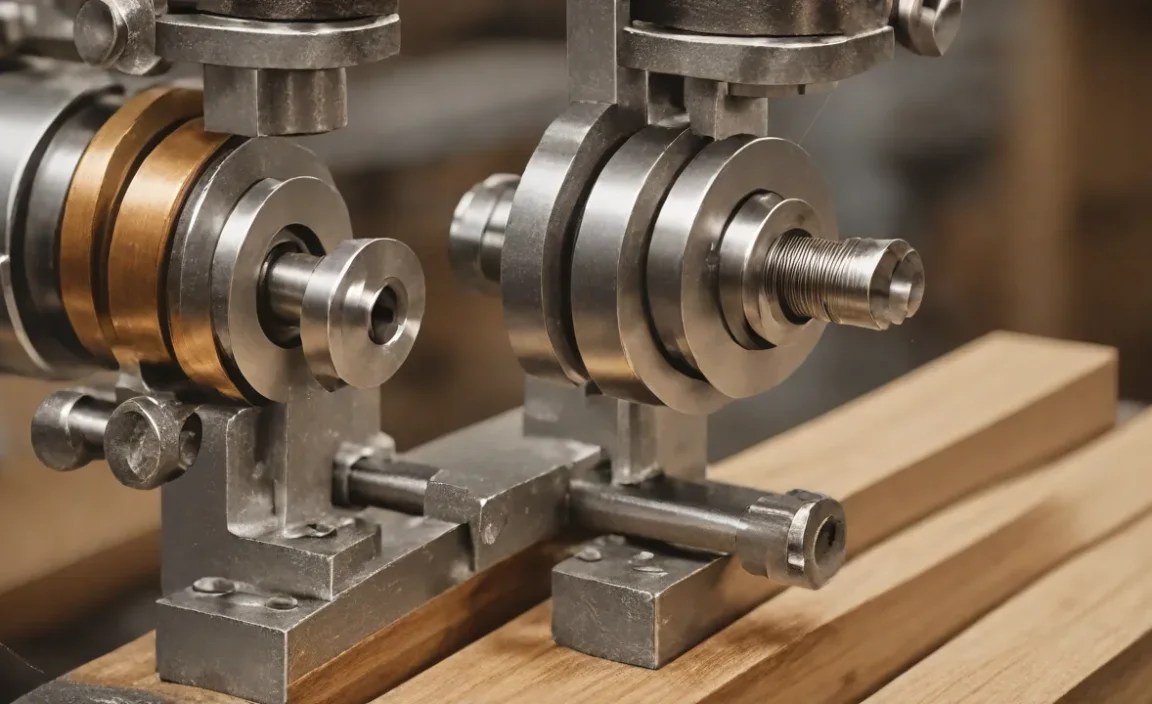
While many spindle lock fixes require no special tools, having a few basic items handy can make the job much easier:
| Tool | Purpose in Spindle Lock Fixes |
|---|---|
| Stiff Brush (Toothbrush, Brass Brush) | Cleaning sawdust and debris from lock mechanism. |
| Compressed Air Can/Blower | Blowing out fine dust and debris from tight spots. |
| Light Machine Oil or Dry Lubricant | Lubricating the moving parts of the lock. |
| Penetrating Lubricant (e.g., WD-40 – use sparingly) | Freeing up seized or stuck lock mechanisms. |
