Looking to get that perfect, smooth finish on your wood lathe projects? This essential products list covers the best wood lathe polishing pads, explaining what they are, why you need them, and which ones will make your work shine!
Getting a buttery-smooth finish on your turned projects can be the difference between a good piece and a great one. Sometimes, sanding just isn’t enough to achieve that mirror-like shine. That’s where wood lathe polishing pads come in! They’re designed to gently buff your workpiece to perfection. What if you don’t know which pads to choose? Don’t worry, we’ve all been there. This guide will break down the must-have polishing pads, making it easy for you to select the right ones and leave your projects looking absolutely stunning.
What Are Wood Lathe Polishing Pads?

Wood lathe polishing pads are specialized abrasive or buffing discs used at the end of your finishing process. Instead of removing significant amounts of wood like sandpaper, these pads are designed to smooth and bring out the natural luster of the wood. They often attach to a backing pad or directly to your lathe’s spindle for easy application. Think of them as the final, gentle polish that brings out the gleam in your wood.
Why Use Polishing Pads?
While sanding is crucial, it has its limits. Sandpaper, even at very fine grits, can leave microscopic scratches that might not be visible until you apply a finish. Polishing pads work differently. They often use finer abrasive particles or buffing compounds to create a much smoother surface. Using these pads:
- Enhances the wood’s natural grain and color.
- Achieves a higher gloss finish than sanding alone can provide.
- Can help to fill or smooth out minor imperfections left by finer grits of sandpaper.
- Makes applying finishes like wax or oils easier and more effective.
- Protects your piece from dust and debris during the final buffing stage.
Essential Wood Lathe Polishing Pads: Your Must-Have List
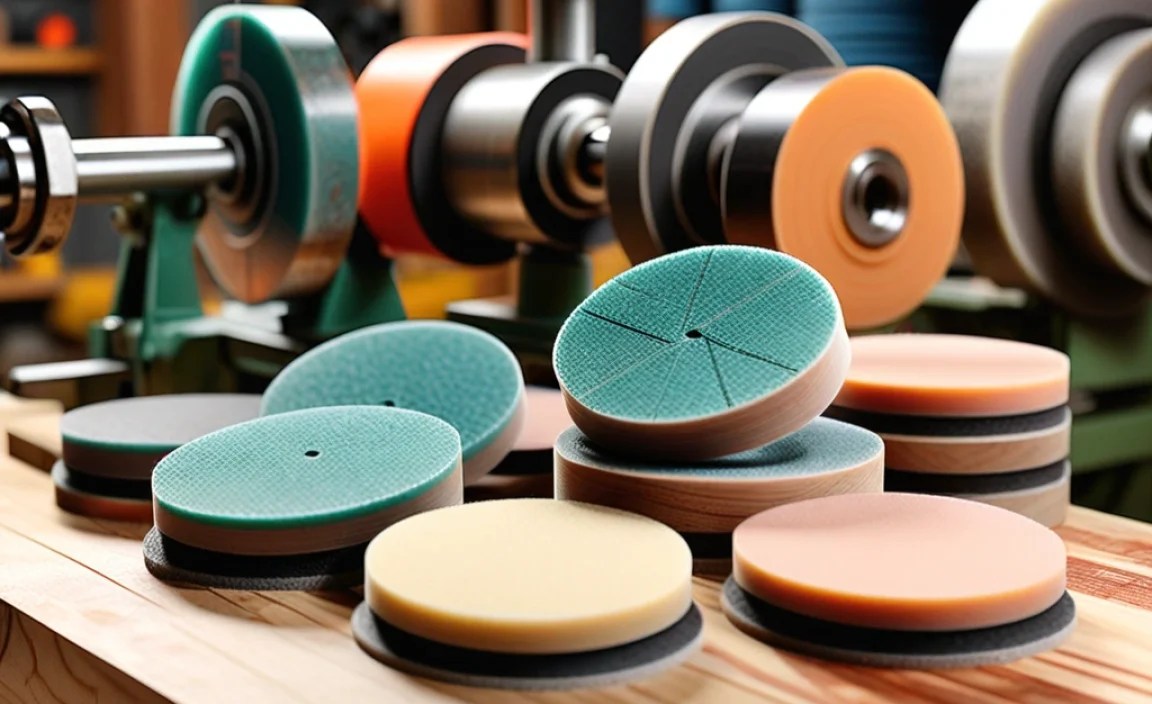
Selecting the right polishing pads can feel overwhelming with so many options available. We’ve compiled a list of the most effective and commonly used types to help you build your finishing arsenal. These will cover most of your polishing needs for wood turning projects.
1. Foam Polishing Pads
Foam pads are incredibly versatile and a staple in many woodturners’ workshops. They are lightweight, flexible, and can conform to slightly irregular surfaces. The foam acts as a cushion, preventing you from applying too much pressure and burning the wood. They typically come with a hook-and-loop (velcro) backing to attach to a compatible backing plate.
Types of Foam Pads:
- Buffing Foam: These are denser foams designed to work with polishing compounds. They are great for applying liquid or paste polishes (like carnauba wax-based polishes) and buffing them to a high sheen.
- Sanding Foam: While the focus is on polishing, some foam pads are designed for very fine grit sanding (e.g., 500-1000 grit or higher). They offer a bit more flexibility than standard paper discs, helping to achieve an even surface before moving to buffing compounds.
Pros:
- Excellent for applying and buffing polishes.
- Conformable to surface irregularities.
- Lightweight and easy to handle.
- Helps to prevent accidental damage to the workpiece.
Cons:
- Can wear out over time and may need replacement.
- Less aggressive than other pad types.
2. Wool Buffing Pads
Wool pads are classic tools for achieving a high-gloss finish. They are made from natural sheep wool or synthetic wool fibers and are particularly effective when used with abrasive compounds or polishes. The natural lanolin in sheep wool can even contribute to a beautiful shine.
How They Work:
Wool pads are usually denser than foam pads and have a slight abrasive quality on their own. When combined with polishing compounds, the fibers break down these compounds to create a very fine abrasive action, smoothing the surface and creating a deep shine. They are excellent for removing faint swirl marks left by finer sanding grits.
Types of Wool Pads:
- Natural Wool: Made from 100% sheep wool. Offers excellent cutting and buffing action.
- Synthetic Wool: Made from synthetic fibers that mimic wool. Can be more durable and less prone to shedding than natural wool in some cases.
- Densely Woven vs. Loosely Woven: Denser weaves generally provide more cutting action, while looser weaves are better for final buffing.
Pros:
- Excellent for achieving high gloss finishes.
- Effective at removing swirl marks.
- Durable when used correctly.
Cons:
- Can generate heat, so variable speed control on the lathe is important.
- May leave wool fibers on the workpiece that need to be removed.
- Can get packed with residue if not cleaned.
3. Felt Polishing Pads
Felt pads offer a different feel and performance compared to foam or wool. They are typically made from compressed wool or synthetic fibers and are often used with specific polishing compounds (like Jeweler’s Rouge for metal, but suitable wood polishes exist). They provide a very smooth, even buffing action.
When to Use Felt:
Felt pads are ideal for the final stages of polishing, especially on smaller or intricate pieces where precision is needed. They excel at imparting a deep, lustrous shine and are less aggressive than wool, making them a safer choice for delicate projects or for beginners who want to avoid over-polishing.
Pros:
- Provides a very smooth, high-gloss finish.
- Less aggressive, reducing the risk of damaging the wood.
- Good for intricate areas.
Cons:
- Can be less durable than wool or some foam pads.
- May require specific polishing compounds for best results.
4. Microfiber Polishing Pads
Microfiber is a popular material in the automotive detailing world, and its benefits translate well to woodturning. These pads are made of synthetic fibers that are extremely fine, providing a gentle yet effective way to buff and polish. They are particularly good at applying and buffing waxes and sealers.
Benefits of Microfiber:
Microfiber pads are non-abrasive, meaning they won’t scratch the surface. They excel at creating that last layer of shine and can help distribute waxes or finishing oils evenly. They are also washable and reusable, making them a sustainable option.
Pros:
- Very gentle, non-abrasive.
- Excellent for wax and oil finishes.
- Washable and reusable.
- Leaves a smooth, streak-free finish.
Cons:
- Not suitable for removing any significant imperfections or swirl marks.
- Can load up with compound quickly.
5. Abrasive Buffing Wheels
While often thought of as tools in themselves, abrasive buffing wheels, especially those with finer abrasive grits embedded in the material (like treated cotton or specialized synthetic blends), can also function as polishing pads. They are more aggressive than traditional buffing pads and are used for refining the surface before moving to softer polishing materials.
Application:
These composite wheels are great for quickly smoothing out milling marks or slight imperfections on larger projects. They provide a balance between removing material and refining the surface, bridging the gap between heavy sanding and pure buffing.
Pros:
- Can remove minor imperfections quickly.
- Effective for surface refinement.
- Durable for extended use.
Cons:
- More aggressive, requires careful use.
- May leave a slightly rougher finish than softer pads, requiring a final buff.
Key Components for Using Polishing Pads

Simply having polishing pads isn’t enough. You need the right accessories to use them effectively and safely on your wood lathe. Here are the essential components that complement your polishing pads.
1. Backing Plates (Mandrels)
Most polishing pads, especially foam and wool types, attach to a backing plate. This plate is then mounted onto your lathe’s spindle or a mandrel that fits into your tailstock or headstock. The backing plate provides a rigid surface for the pad to work against and handles the rotational forces of the lathe.
Types of Backing Plates:
- Hook-and-Loop (Velcro) Backing Plates: These are the most common for foam and some wool pads. They have a soft, fuzzy surface where matching hook material on the pad can securely attach. Quick pad changes are a breeze.
- Bolt-On Backing Plates: Less common for polishing pads but may be used with some buffing wheels. The pad or wheel has pre-drilled holes that align with threaded holes on the backing plate and are secured with nuts and bolts.
- Mandrels: These are shafts that thread onto your lathe spindle or fit into a drill chuck. They often have a threaded end to screw on a backing plate or a direct mounting point for buffing wheels.
2. Polishing Compounds
Polishing pads often work in conjunction with specialized compounds. These compounds contain fine abrasives or fillers that help to smooth the wood surface, fill microscopic pores, and impart shine. Without the right compound, even the best polishing pad won’t achieve its full potential.
Common Polishing Compounds for Wood:
- Carnauba Wax-Based Polishes: These are very popular for their ability to provide a durable, high-gloss finish that enhances the natural beauty of wood. They are often liquid or paste form and are applied easily.
- Lacquer-Based Polishes: These create a hard, protective layer with a high gloss. They can be more durable but may be trickier to apply evenly.
- Specialty Buffing Compounds: Some compounds are specifically formulated for certain wood types or desired finishes, offering varying levels of abrasiveness and shine.
You can find excellent resources on wood finishing from organizations like the Wood Shop Safety Project, which often touch upon the importance of proper finishing techniques, including polishing.
3. Variable Speed Lathe
A variable speed lathe is crucial when using polishing pads, especially wool ones. Different tasks require different speeds. For applying compounds, a slower speed is often recommended to prevent splattering and allow the compound to work evenly. For buffing to a high sheen, you can often increase the speed slightly, but always err on the side of caution to avoid burning the wood or creating excessive heat.
According to the Occupational Safety and Health Administration (OSHA) general industry standards for woodworking machinery, controlling operating speed is a fundamental aspect of safe machine operation. While specific speed recommendations for polishing vary by tool and material, understanding speed control is a safety prerequisite.
Using Your Polishing Pads: A Step-by-Step Approach

Applying polishing pads effectively is a skill that improves with practice. Here’s a general step-by-step guide to get you started. Always ensure your workpiece is completely smooth from sanding before you begin polishing.
- Prepare Your Workpiece: Ensure your wood piece has been sanded to a very fine grit (e.g., 320, 400, or even 600 grit). Remove all dust.
- Select Your Pad and Backing Plate: Choose the appropriate pad for the job (foam for general buffing, wool for higher gloss, felt for final sheen) and attach it securely to a clean backing plate or mandrel.
- Mount the Backing Plate: Attach the backing plate to your lathe, either to the spindle via a screw-on adapter, or into your tailstock’s chuck if it’s designed for that.
- Apply Polishing Compound (if needed): If using a compound, apply a small amount to the polishing pad. Don’t overdo it; a little goes a long way. Some compounds recommend applying directly to the workpiece instead. Read the product instructions carefully.
- Start the Lathe at Low Speed: Begin turning your lathe at its lowest speed setting. This prevents the compound from flying off and allows you to control the application.
- Gently Apply the Pad: Bring the polishing pad into gentle contact with the rotating workpiece. Move the pad slowly and steadily across the entire surface. Allow the pad and compound to do the work.
- Increase Speed Gradually (if necessary): Once the compound is evenly distributed and working, you may be able to increase the lathe speed slightly for a more aggressive buff, especially with wool pads. However, always maintain control and avoid burning the wood. Variable speed is your friend here.
- Check and Reapply: Periodically stop the lathe and check your progress. If the surface isn’t as shiny as you’d like, you might need another application of compound or a different pad.
- Clean the Pad: After use, especially with wool pads, clean off any excess compound or wood dust. This will prolong the life of your pad.
- Final Buffing: After your primary polishing, you might want to use a clean, dry microfiber pad at a slightly higher speed for a final buff. This removes any residue and enhances the shine.
Choosing the Right Pad for Your Project
The “best” polishing pad often depends on the type of wood, the desired finish, and your personal preference. Here’s a quick guide to help you decide:
| Pad Type | Best For | When to Use | Skill Level Needed | Typical Finish |
|---|---|---|---|---|
| Foam Pads | Applying and buffing waxes, general polishing | After fine sanding, for applying liquid/paste polishes | Beginner to Intermediate | Smooth, satin to semi-gloss |
| Wool Buffing Pads | High gloss finishes, removing swirl marks | After fine sanding (400 grit and up), with polishing compounds | Intermediate | High gloss, mirror-like |
| Felt Polishing Pads | Final high-gloss buffing, delicate pieces | As a final step after wool or foam, with fine compounds/waxes | Beginner to Intermediate | Deep, lustrous shine |
| Microfiber Pads | Applying/buffing waxes and oils, final touch-up | After primary polishing, for a clean, streak-free shine | Beginner | Clear, bright sheen |
| Abrasive Buffing Wheels | Surface refinement, removing minor imperfections | Before final polishing, after heavier sanding | Intermediate | Smooth, but may require further polishing |
Safety First!
Working with a lathe, even for polishing, requires attention to safety. Here are some crucial points:
- Wear Safety Glasses: Always, without exception.
- Use Dust Collection: While less critical for polishing, it’s still good practice.
- Secure Your Workpiece: Ensure your lathe is stable and the workpiece is securely mounted.
- Control Speed: Start slow and increase gradually. Never force the pad.
- Know Your Pads: Understand the abrasive nature (or lack thereof) of each pad.
- Keep Hands Clear: Never put your hands near the rotating pad or workpiece.
- Turn Off Lathe for Adjustments: Always stop the lathe before changing pads or applying compounds.
For more comprehensive safety guidelines, refer to resources like Woodworkers Institute, which provides excellent and practical safety advice for wood hobbyists.
Frequently Asked Questions (FAQ)
Q1: What is the best grit sandpaper to use before polishing pads?
For most projects, sanding up to 320 or 400 grit is sufficient before starting with polishing pads. For very high gloss finishes, some woodturners will sand to 600 grit or even higher.
Q2: How do I clean my polishing pads?
Foam and microfiber pads can often be washed with mild soap and water and air-dried. Wool pads can be brushed aggressively to remove dust and material. Some manufacturers offer specialized cleaning solutions for wool buffing pads.
Q3: Can I use car wax on my wood projects with polishing pads?
While you can, it’s generally better to use polishes specifically designed for wood. Automotive waxes might contain harsh chemicals or abrasives not suitable for all wood finishes and can sometimes.
