Don’t let a loose spindle lock halt your woodworking! A wood lathe spindle lock repair kit is your simple, affordable solution to get back to turning safely and precisely. This guide shows you exactly what’s in the kit and how to use it for a reliable fix.
Hey there, fellow woodturners! Daniel Bates here from Lathe Hub. Have you ever been in the middle of a project on your wood lathe, only to find that your spindle lock isn’t holding as it should? It’s a frustrating problem that can really stop your creative flow and, more importantly, compromise safety. A loose spindle lock means your workpiece might shift unexpectedly, which is a big no-no in any workshop. The good news is that fixing this common issue is surprisingly straightforward. We’re going to dive into the “Wood Lathe Spindle Lock Repair Kit” – what it is, why you need one, and how to use it to get your lathe spinning reliably again. Stick around, and we’ll have you back to turning with confidence in no time!
Here’s what we’ll cover:
What is a Wood Lathe Spindle Lock Repair Kit?
Why Your Spindle Lock Might Be Failing
What’s Inside a Typical Repair Kit?
Essential Tools You’ll Need
Step-by-Step: Replacing Your Spindle Lock Parts
Safety First! Important Precautions
Testing Your Repaired Spindle Lock
Maintaining Your Spindle Lock for Longevity
* When to Consider a Full Lathe Upgrade
What is a Wood Lathe Spindle Lock Repair Kit?

A wood lathe spindle lock repair kit is a small, specialized package containing the essential replacement parts needed to fix a malfunctioning spindle lock mechanism on your wood lathe. Think of it as an emergency tune-up for this critical component. Instead of trying to source individual, often hard-to-find parts or replacing the entire lock assembly, this kit provides a convenient and cost-effective way to bring your lathe’s headstock back to its secure, operational best. These kits are designed to address common wear-and-tear issues that affect how effectively the spindle lock engages and holds the headstock spindle stationary, usually when you need to swap out accessories like chucks or faceplates.
This little kit is a lifesaver for any woodturner. It’s designed to be beginner-friendly, meaning you don’t need to be a master mechanic to use it. The goal is simple: keep your lathe safe and running smoothly. A lock that works properly ensures you can confidently change out your chucks, faceplates, or drive centers without the spindle accidentally turning. This is crucial for preventing damage to your tools, your workpiece, and most importantly, for avoiding injuries. We’ll break down exactly what’s inside these kits and how to put them to use, making this a task any DIY enthusiast can tackle with confidence.
Why Your Spindle Lock Might Be Failing

Over time, the components within your wood lathe’s spindle lock mechanism can wear out, just like any other hardworking part. The most common culprits for a failing spindle lock are usually related to friction, overtightening, and simple age. These issues can lead to a lock that slips, refuses to engage, or feels loose and unreliable. Understanding these common failure points helps you recognize the problem early and know when a repair kit is your best bet.
- Worn Cam or Plunger: The cam lever or plungers that engage with the spindle are often made of metal. Repeatedly engaging and disengaging them, especially if there’s grit or dust involved, can cause the contact surfaces to wear down. This reduces their ability to grip the spindle effectively.
- Damaged Spring: Many spindle locks use a spring to provide tension. This spring can weaken over time or even break, leading to insufficient pressure to hold the lock securely.
- Stripped Threads: If your spindle lock uses a threaded mechanism, the threads on the locking bolt or within the housing can become stripped or damaged, preventing a tight lock.
- Debris and Contamination: Dust, wood chips, and old lubricant can build up inside the lock mechanism. This grime can prevent parts from moving freely, hinder proper engagement, and cause excessive wear.
- Overtightening: Forcing the lock handle too hard can damage internal components, such as bending a cam or breaking a spring. Wood lathes are designed for precise, not brute-force, operation.
- Corrosion: Exposure to moisture or corrosive environments can lead to rust on metal parts, impeding their movement and weakening their structure.
Recognizing these symptoms is the first step to a successful repair. If your spindle lock feels loose, doesn’t fully engage, or makes strange noises, it’s probably time to investigate. A minor repair with a kit can often save you from the cost and hassle of more extensive work.
What’s Inside a Typical Repair Kit?
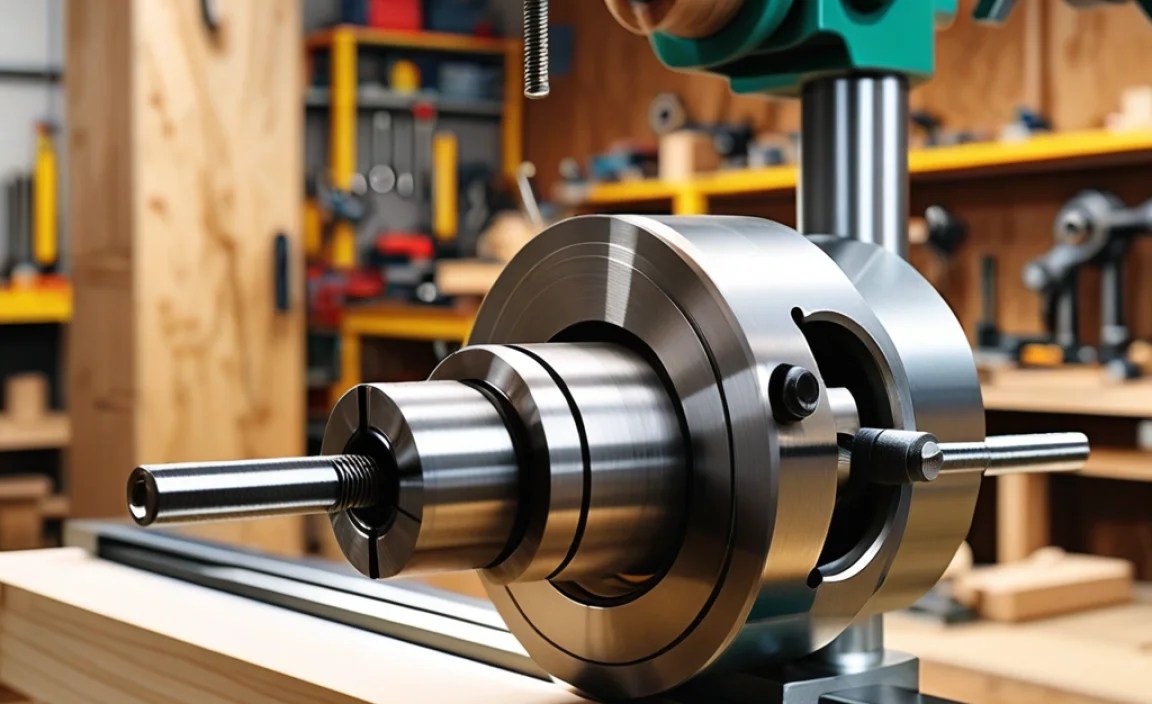
When you purchase a wood lathe spindle lock repair kit, you’re getting the critical small parts that are most likely to fail due to wear and tear. These kits are thoughtfully assembled to provide a direct solution for the most common problems without requiring you to buy a whole new, more expensive locking assembly. While exact contents can vary slightly from manufacturer to manufacturer, most kits include several key components designed for easy replacement.
Here’s a breakdown of what you can typically expect to find in a quality spindle lock repair kit:
- Replacement Cam: This is often the main component. The cam is the part that rotates when you operate the spindle lock lever and presses against the spindle to hold it. It might be a shaped metal piece or a more complex lever arm.
- New Spring(s): Kits usually include any springs that are part of the locking mechanism. These provide the necessary tension for the cam or plunger to engage securely. You might find one larger spring or a set of smaller ones.
- Roll Pins or Retaining Pins: These small pins hold various parts of the mechanism together. They can sometimes get bent or lost during disassembly.
- Washers and Seals: Depending on the lathe model, there might be specific washers or seals included to ensure a snug fit and prevent dust ingress.
- Set Screws or Bolts: Small fasteners that might be specific to the spindle lock assembly could be included.
- Instruction Leaflet: While the components are designed for straightforward replacement, a basic instruction sheet can be a helpful guide, especially for less experienced users.
It’s always a good idea to check the description of the repair kit you’re buying to ensure it lists the specific parts you believe you need for your lathe’s model. Sometimes, you might only need one or two of these items, but having the complete kit ensures you have everything readily available.
Essential Tools You’ll Need

Before you dive into repairing your wood lathe’s spindle lock, it’s important to gather the right tools. Having everything within reach will make the process smoother and prevent you from having to hunt for a tool mid-job. Most of the tools required are common in a home workshop, so you likely already have them.
Here’s a list of the common tools you’ll want to have handy:
- Screwdriver Set: You’ll likely need a range of Phillips and flathead screwdrivers of various sizes to remove and reinstall any covers or components.
- Allen Wrench Set (Hex Keys): Many spindle lock assemblies use hex socket screws. Having a good set in metric and imperial sizes is crucial.
- Pliers: Needle-nose pliers are incredibly useful for gripping small parts, removing pins, and manipulating springs. A standard pair of pliers might also be necessary.
- Wrench Set: Sometimes, nuts or bolts will require a standard wrench. Having a basic set of both metric and imperial sizes will cover most situations.
- Wire Brush or Scraper: For cleaning out old grease, debris, or rust from the spindle lock mechanism and housing.
- Shop Rags or Paper Towels: Essential for wiping down parts and keeping your workspace clean.
- Lubricant: A light machine oil or a specific lathe lubricant will be needed to lubricate new parts for smooth operation and to prevent future wear. Avoid using excessive amounts.
- Safety Glasses: Absolutely non-negotiable. You’ll be working with small parts that could spring loose, and metal shavings or dust can fly. Always protect your eyes.
- Gloves: Optional, but they can help keep your hands clean and provide a better grip.
- Magnifying Glass (Optional): For very small parts or if your eyesight isn’t what it used to be, a magnifying glass can be a huge help.
Before you start, it’s a good idea to consult your lathe’s manual if you have it. It might offer specific instructions or diagrams for accessing the spindle lock, which can save you a lot of guesswork.
Step-by-Step: Replacing Your Spindle Lock Parts
Repairing your wood lathe’s spindle lock is a very manageable DIY task. The key is to work methodically and keep track of the parts. Always ensure your lathe is unplugged from power before you begin any maintenance or repair work. Never rush the process, and if you’re unsure about a step, take a moment to re-read or consult your lathe’s manual.
Step 1: Preparation and Disassembly
1. Safety First: Unplug your wood lathe from the power outlet. Ensure the area you’re working in is well-lit and free of obstructions.
2. Identify the Spindle Lock: Locate the spindle lock mechanism on your lathe’s headstock. It’s usually a lever or knob that allows you to hold the spindle stationary, often near the banjo or the motor housing.
3. Access the Mechanism: Depending on your lathe model, you might need to remove a cover plate, guard, or housing to access the internal components of the spindle lock. Use your screwdrivers and wrenches to carefully remove any fasteners holding these parts in place. It’s a good idea to place screws and small parts in a container, like a small tray or magnetic dish, to prevent losing them.
4. Observe and Document: Before you take anything apart, take a moment to observe how the current lock mechanism is assembled. If possible, take photos with your phone as you disassemble. This visual reference will be invaluable when reassembling.
5. Carefully Remove Old Parts: Start removing the old cam, spring, and any pins or fasteners that seem worn or broken. Use pliers and screwdrivers as needed. Be gentle with springs, as they can sometimes release tension suddenly.
Step 2: Cleaning and Inspection
1. Clean the Housing: Once the old parts are out, thoroughly clean the inside of the spindle lock housing. Use your wire brush and rags to remove any accumulated dust, old grease, rust, or metal shavings. A clean environment ensures the new parts will function correctly and last longer.
2. Inspect for Damage: While the housing is open, inspect it for any cracks or significant damage that might affect the new parts. If the mounting points or the area where the cam engages show deep gouges or cracks, you might have a more serious issue than a simple wear-and-tear repair.
Step 3: Installing New Parts
1. Trial Fit New Components: Take the new parts from your repair kit and compare them to the old ones. Ensure they look like a proper fit for your mechanism. If you removed a cam, slide the new one into place. If there’s a spring, position it according to how the old one was situated.
2. Install the Spring: Place the new spring into its designated spot. It might be under tension, so use pliers if necessary, but be careful not to deform it.
3. Position the Cam/Plunger: Fit the new cam or plunger into place. It should align with the lever arm or handle you’ll be using. For example, the cam will mate with the spindle lock lever.
4. Reinsert Pins and Fasteners: Carefully reinsert any roll pins or set screws that hold the new components in place. Ensure they are seated correctly and firmly.
Table: Common Spindle Lock Components and Their Function
| Component | Function | Why It Fails |
|---|---|---|
| Cam Lever | Rotates to engage with the spindle, applying pressure to hold it stationary. | Wears down from friction, can bend or break if overtightened. |
| Spring | Provides the necessary tension for the cam or plunger to grip the spindle. | Weakens over time, can become brittle and break. |
| Roll Pin | Secures the cam lever or other rotating parts to their pivot point. | Can bend, shear off, or become loose from vibration. |
| Locking Knob/Lever | The external part you operate to engage or disengage the lock. | Typically durable, but its internal connection to the cam can fail. |
Step 4: Reassembly
1. Reattach Covers: Carefully reassemble any covers, guards, or plates you removed earlier. Make sure they fit snugly and all fasteners are tightened appropriately – don’t overtighten.
2. Clean Up: Wipe down the area around the spindle lock with a clean rag. Ensure no tools or loose parts are left in the vicinity of moving lathe components.
This step-by-step process should get your spindle lock back in working order. Remember to refer to your photos or manual if you get stuck at any point.
Safety First! Important Precautions
Working on any machinery, including your beloved wood lathe, always demands a strong focus on safety. The spindle lock is a critical safety feature, and repairing it incorrectly could lead to dangerous situations. Follow these precautions diligently to ensure a safe and successful repair.
- ALWAYS Unplug Your Lathe: This cannot be stressed enough. Before you even start looking at the spindle lock, ensure your lathe is disconnected from the electrical power source. A sudden start-up while you have your hands inside could be catastrophic.
- Wear Eye Protection: Always wear safety glasses. Small springs can be under tension and might shoot out, and metal filings or debris can be generated during disassembly or cleaning.
- Secure the Work Area: Ensure your workshop is clean, well-lit, and free from clutter. You don’t want to be tripping over tools or parts while working on the lathe.
- Don’t Force Parts: If a component is difficult to remove or install, don’t force it. There might be a hidden screw, a pin you’ve missed, or the part isn’t oriented correctly. Forcing things can break the component, the housing, or even injure you.
- Keep Small Parts Contained: Use a magnetic tray, a small plastic bin, or even just a clean rag to keep all the tiny screws, pins, and washers organized. Losing a crucial small part can halt your repair and potentially compromise the lock’s function.
- Understand the Load: The spindle lock is designed to hold the spindle against the torsional forces of turning wood. Make sure your repair results in a lock that is just as, if not more, robust than the original. A weak lock is a safety hazard.
- Lubricate Sparingly: While lubrication is necessary for smooth operation, too much can attract dust and debris into the mechanism, leading to premature wear. Use a light machine oil or appropriate grease as recommended for your lathe.
- Test Carefully: After reassembly, take time for thorough testing (covered in the next section) before attempting to turn any wood.
Prioritizing safety ensures that your woodworking hobby remains enjoyable and injury-free. A well-repaired spindle lock enhances your safety and your confidence on the lathe.
Testing Your Repaired Spindle Lock
Once you’ve reassembled all the parts and reattached any covers, it’s time to test your work. This step is critical to ensure the spindle lock is functioning correctly and safely before you put it to use on a project. A thorough test will give you peace of mind.
Here’s how to test your spindle lock:
- Reconnect Power: Plug your wood lathe back into the power outlet.
- Spin the Spindle by Hand: With the spindle lock disengaged (lever in the “off” or “unlocked” position), spin the headstock spindle by hand. Check that it rotates freely without any binding or unusual noises.
- Engage the Spindle Lock: Operate the spindle lock lever or knob to fully engage it.
