Upgrade your wood lathe’s tailstock live center for smoother, more stable turning and better finishes. This guide provides essential tips and steps for choosing, installing, and maintaining the right live center, ensuring your projects turn out perfectly every time.
Hey there, fellow woodturners! Daniel Bates here from Lathe Hub. Ever feel like your wood lathe’s tailstock live center is holding you back? Maybe it wobbles a bit, doesn’t hold your work firmly, or even leaves marks. You’re not alone! Many beginners struggle with this, and it can really impact the quality of your turnings. But here’s the good news: upgrading your tailstock live center is one of the simplest and most effective ways to improve your lathe’s performance. It’s a relatively small change that can make a huge difference. Stick around as we break down exactly what you need to know to get the best live center for your needs and how to get it spinning like a dream on your lathe.
Why Upgrade Your Wood Lathe Tailstock Live Center?

Your wood lathe’s tailstock live center is the unsung hero that supports one end of your workpiece, allowing it to rotate smoothly against the headstock. Unlike a dead center, which is fixed, a live center has bearings, meaning it spins with your wood. This reduces friction, prevents the center from digging into the wood, and allows for more effortless turning. However, the basic live center that often comes with entry-level lathes can be a source of frustration. They might have:
- Lower quality bearings that wear out quickly or don’t spin freely.
- A point that isn’t sharp enough or is too blunt, leading to poor support and tear-out.
- A mounting taper that’s not precise, causing runout or vibration.
- A design that’s difficult to clean or lubricate.
Upgrading to a higher-quality live center can dramatically improve your turning experience. You’ll notice less vibration, a smoother finish on your projects, reduced wood tear-out, and better workpiece stability. This means less sanding and more enjoyment in the turning process!
Understanding Live Center Types
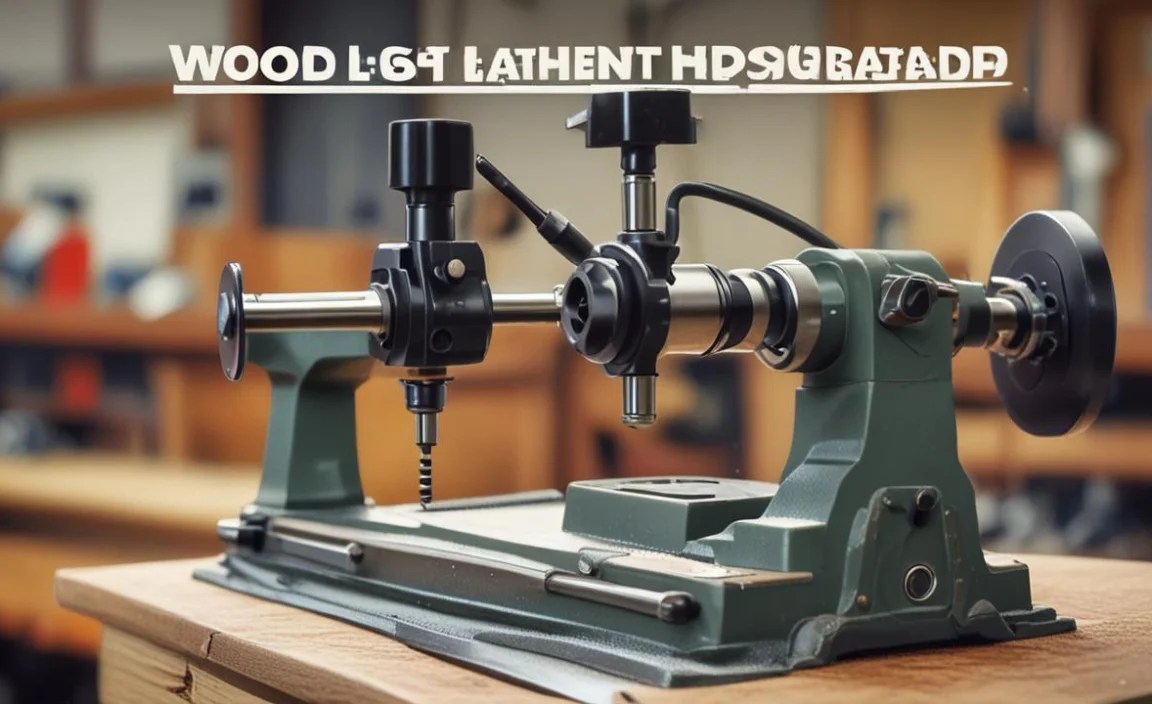
Before you can upgrade, it’s crucial to know what’s out there. Live centers come in a few main varieties, each suited for different tasks. Choosing the right type is the first step to a successful upgrade.
Standard Live Centers
These are the most common type. They feature a body that mounts into the tailstock and a rotating point that engages with your workpiece. They’re great for general-purpose turning, supporting spindles, and bowls. Most standard live centers use ball bearings.
Revolving Centers with Multiple Bearings
For heavier loads or more demanding turning, you might consider a live center with multiple bearings. These can offer increased stability and load capacity. They often feel more robust and have less play.
Cup or Spur Centers (Not Truly Live Centers, but Related)
While not strictly live centers, it’s worth mentioning these. A cup center has a cup-shaped recess with a point, ideal for holding the end of a spindle. A spur center has a point with aggressive spurs to grip the end grain of wood, often used for initial mounting of faceplate work. These are typically used in conjunction with a live center or, in some cases, used to start a turning before moving to a live center.
Specialty Live Centers
There are also specialized live centers, such as those with screw-in chuck features or extended points for specific tasks. For most beginners and intermediate woodturners, a high-quality standard live center will be the best upgrade path.
Key Features of a Quality Live Center

When you’re looking for a replacement, keep an eye out for these features. They are the hallmarks of a quality live center that will serve you well for years.
- Bearing Type and Quality: Look for sealed ball bearings. High-quality bearings are crucial for smooth, long-lasting performance. Some higher-end centers might use needle bearings or a combination, but for most users, robust ball bearings are ideal.
- Precision Machining: The body and the rotating point should be precisely machined. This minimizes runout (wobble) and ensures a stable center for your workpiece.
- Taper Accuracy: Most wood lathe tailstocks use a Morse taper (MT). Ensure the live center’s taper matches your lathe’s tailstock taper (e.g., MT1, MT2, MT3). An accurate taper ensures a snug fit and proper alignment.
- Point Design: A sharp, well-defined point is important for accurate centering and good grip. Some live centers have a slightly rounded tip to prevent it from digging too deeply, which can be less of an issue with a well-maintained bearing.
- Material and Construction: A hardened steel point and a sturdy, well-machined body indicate durability.
- Ease of Maintenance: Some live centers have grease fittings (zerks) for easy lubrication, prolonging bearing life. Others might be sealed and require less direct maintenance but may need to be replaced when wear occurs.
Choosing the Right Live Center for Your Lathe

The most important factor is your lathe’s Morse taper size. You absolutely must get a live center that matches your tailstock. Common sizes are MT1 (often on smaller hobby lathes) and MT2 (common on mid-sized and larger hobby lathes). Some industrial or larger professional lathes might use MT3 or MT4. Consult your lathe’s manual or measure the taper shank if you’re unsure.
Here’s a quick guide to help you decide:
| Lathe Size | Common Tailstock Taper | Recommended Live Center Type |
|---|---|---|
| Small Hobby Lathe | MT1 | Standard, high-quality MT1 live center |
| Mid-size Hobby Lathe / Beginner Benchtop | MT2 | Standard, high-quality MT2 live center with sealed bearings |
| Larger Hobby / Professional Lathe | MT2 or MT3 | Heavy-duty MT2 or MT3 live center, potentially with multiple bearings or grease fittings. |
Beyond the taper, consider the type of turning you do most. If you’re mainly turning thinner spindles, a standard live center is likely all you need. If you’re turning larger bowls or working with denser hardwoods, you might benefit from a more robust live center designed for higher loads. Many reputable woodworking tool manufacturers offer excellent live centers. Brands like Oneway, Nova, Teknatool, and Jet are well-regarded in the woodturning community.
For example, users often praise the Oneway Live Center for its precision and durability. Similarly, Nova Chucks offers a range of live centers that are known for their smooth operation and long lifespan. You can find reliable options from these manufacturers on many woodworking supply websites or at your local tool dealer.
Step-by-Step: Replacing Your Tailstock Live Center

Replacing your live center is a straightforward process that most people can do in under 15 minutes. Safety first! Make sure your lathe is unplugged before you begin.
Tools You’ll Need:
- Your new live center
- A lathe hammer or a block of wood (for safely removing the old center)
- A rag for cleaning
- Possibly a bit of grease for the new center’s taper (optional, check manufacturer recommendations)
- Ensure Lathe is Off: Double-check that the power switch is off and the lathe is completely stopped. It’s always best practice to unplug the machine for added safety.
- Retract the Tailstock Quill: Wind the tailstock handwheel to retract the quill (the part that holds the center) all the way into the tailstock. This gives you plenty of room to work.
- Remove the Old Live Center: This is where the tailstock’s internal knockout mechanism comes into play.
- Method 1 (Using Knockout Rod): Most tailstocks have a hole running through the back of the quill or a slot on the side. Insert a knockout rod (a long, thin metal rod) or a dowel through this hole/slot until it contacts the back of the live center’s tang (the part that fits into the taper). Give the rod a firm tap with a hammer or a mallet. The live center should pop out.
- Method 2 (Using a Tailstock Hammer): Some tailstocks have a specialized hammer that fits into a slot on the quill. You rotate the tailstock handwheel to align the hammer with the live center’s tang, then tap the hammer.
- Method 3 (If No Knockout): If your tailstock doesn’t have a knockout mechanism, you might need to wedge a thin piece of wood or a gloved finger into the gap between the quill end and the live center tang, then gently twist the tailstock handwheel to lever it out. Be very careful not to damage the quill.
- Clean the Taper Socket: Once the old center is out, use a clean rag to wipe out the inside of the tailstock quill’s taper socket. Remove any dust, metal shavings, or old grease. A clean socket ensures a snug and accurate fit for your new live center. For a deeper clean, a bit of mineral spirits on the rag can help.
- Prepare the New Live Center (Optional): Some users like to apply a very thin layer of grease to the taper of the new live center. This can help with insertion and removal, and prevent minor corrosion. However, check the manufacturer’s recommendation first, as some prefer a dry fit.
- Insert the New Live Center: Carefully align the new live center’s taper with the socket in the tailstock quill. Gently push it in by hand until it seats.
- Seat the Live Center Firmly: To ensure the live center is seated properly, you can use the knockout rod again. Insert it from the back and give it a moderate tap to seat the taper firmly. You don’t need excessive force. The goal is a secure, wobble-free fit.
- Extend the Quill: Wind the tailstock handwheel to extend the quill, bringing the new live center out to engage with your workpiece.
And that’s it! You’ve successfully upgraded your live center. The difference in stability and smoothness should be immediately noticeable.
Maintaining Your New Live Center
A quality live center will last a long time if you take care of it. Here are a few tips to keep it spinning smoothly:
- Keep it Clean: After each turning session, especially when working with dusty woods, wipe down your live center. Remove any wood dust, chips, or resin.
- Lubrication: If your live center has a grease fitting (zerk), follow the manufacturer’s instructions for lubrication. Typically, a small amount of grease applied periodically (e.g., every few months of regular use) is sufficient. For sealed bearings without fittings, regular cleaning is your primary maintenance.
- Check for Play: Periodically, put your hand on the live center point and try to wiggle it. There should be very little, if any, play or looseness. Excessive play indicates worn bearings that may need replacement or a new live center.
- Avoid Over-Tightening: When turning face-on or bowls, ensure the live center is snug, but don’t crank down on it excessively. The tailstock lock should be secure, but over-tightening can stress the bearings.
- Proper Storage: If you remove the live center for any reason, store it in a safe place where the point won’t get damaged. A small toolbox or a dedicated spot in your workshop is ideal.
Proper maintenance not only extends the life of your live center but also ensures consistent performance and safety in your workshop. For more insights into tool maintenance, resources like OSHA’s occupational safety and health guidance offer general principles that apply to maintaining a safe workshop environment, including tool care.
Common Problems and Troubleshooting
Even with a new live center, you might encounter issues. Here’s how to tackle them:
Problem: Live Center Wobbles or Vibrates
- Cause 1: Imprecise taper fit. Ensure the live center is fully seated in the tailstock quill. Try removing and re-inserting it, tapping it firmly to seat the taper.
- Cause 2: Worn bearings. If the live center has excessive play, the bearings might be worn out. This often requires replacing the live center entirely.
- Cause 3: Bent center point. Though rare with quality centers, the point could be slightly bent. Inspect it closely.
- Cause 4: Tailstock alignment. Ensure your tailstock is properly aligned with the headstock center. Misalignment can cause vibration, especially at higher speeds. Consult your lathe manual for alignment procedures.
Problem: Live Center Doesn’t Spin Freely or Catches
- Cause 1: Dirt or debris. Wood dust and chips can get into the bearings. Clean the live center thoroughly.
- Cause 2: Lack of lubrication. If it has a grease fitting, lubricate it. If it’s sealed, and it’s still binding, the bearings might be damaged.
- Cause 3: Over-tightening against the workpiece. When turning, the live center’s point shouldn’t be jammed into the wood with excessive force. It needs to spin freely with minimal resistance.
Problem: Live Center Leaves Marks on Wood
- Cause 1: Blunt point. A dull or rounded point might not engage cleanly. Some live centers are designed with a slightly blunter tip for durability, but it should still create a clean dimple.
- Cause 2: Binding or seizing. If the live center isn’t spinning freely, it can drag against the wood, causing friction marks.
- Cause 3: Too much pressure from the tailstock. Ensure your tailstock is advanced just enough to support the workpiece, not jam it.
| Symptom | Likely Cause | Solution |
|---|---|---|
| Wobbling/Vibration | Improperly seated taper | Remove, clean, and re-seat live center firmly. |
| Wobbling/Vibration | Worn bearings / Excessive play | Replace live center. |
| Not Spinning Freely | Dirt/Debris in bearings | Clean thoroughly. |
| Not Spinning Freely | Lack of lubrication (if applicable) | Lubricate per manufacturer’s instructions. |
| Leaving Marks | Binding center / Insufficient free spin | Clean, lubricate, and check tailstock pressure. |
| Leaving Marks | Blunt or damaged point | Inspect point; consider replacement if damaged. |
Remember, a well-maintained and properly functioning live center is key to achieving clean, smooth turns. If you’re consistently having trouble, it’s always worth re-evaluating your tools and techniques. Resources like American Woodturner Magazine often feature articles on tool use and troubleshooting common lathe issues.
Frequently Asked Questions (FAQ)
Q1: How do I know what size Morse taper my lathe tailstock has?
A: The most common sizes for hobby lathes are MT1 and MT2. Check your lathe’s manual. If you don’t have it, measure the shank of the existing center or a drill bit that fits. MT2 shanks are typically around 19mm (3/4 inch) in diameter at the widest point before the taper. MT1 is smaller.
Q2: Can I use a dead center instead of a live center?
A: You can, but it’s not recommended for most turning. A dead center is fixed, so it digs into the wood as it turns, creating friction and potential burning. A live center spins on bearings, reducing friction and allowing for smoother turning and less stress on your motor.
Q3: How often should I lubricate my live center?
A: Unless your center has a zerk fitting and you’re doing heavy work, lubrication might only be needed every few months of normal use. If your live center feels stiff or rough, it’s time for lubrication or cleaning. Always refer to the manufacturer’s recommendations.
Q4: What’s the difference between a live center and a screw chuck?
A: A live center has a pointed spindle that supports the end of your workpiece from the tailstock. A screw chuck is a threaded shaft that screws directly.
