A wood lathe safety class is essential training for anyone starting with this powerful tool. It teaches you critical techniques to prevent injuries, ensure accurate work, and build confidence for your projects. Investing in proper instruction sets the foundation for years of safe and creative turning.
Welcome to Lathe Hub, where we make complex tools feel simple! Thinking about getting your hands on a wood lathe? That’s fantastic! You’re about to enter a world of incredible creative possibilities, turning raw wood into beautiful bowls, spindles, and more. But with all that potential comes a responsibility, and that’s why we’re talking about wood lathe safety today.
It’s not just about following rules; it’s about understanding how this machine works and how to be its master, not its victim. Many beginners feel a bit intimidated, and that’s totally normal! The good news is, with the right foundational knowledge, especially from a dedicated wood lathe safety class, you’ll be turning with confidence in no time. Let’s break down why this training is so crucial and what you can expect to learn.
Why a Wood Lathe Safety Class is Non-Negotiable

A wood lathe is a woodworking tool that spins a piece of wood at high speed while a user applies cutting tools to shape it. It’s a marvel of engineering that can produce stunning results. However, its power and the high-speed rotation of the workpiece mean that safety must always be the top priority. Skipping out on proper training is like driving a car without learning the rules of the road – it’s risky and can lead to serious consequences.
Think about it: you’re working with spinning tools, sharp chisels, and often large pieces of wood. A moment of inattention, a loose clothing item, or an improperly secured workpiece can turn a pleasant hobby session into a painful accident. A wood lathe safety class isn’t just a formality; it’s your first, most important project. It provides the knowledge and practice needed to operate the lathe correctly and avoid common hazards. It’s about building a habit of safety that will serve you throughout your woodworking journey.
According to the Occupational Safety and Health Administration (OSHA), workshop safety, including the use of machinery like lathes, is paramount to preventing injuries. Properly trained users are less likely to experience accidents. This class is your first step in becoming a safe and skilled woodturner.
Common Wood Lathe Hazards to Be Aware Of
- Flying Debris: Wood chips and dust are ejected at high speeds from the lathe. Flying pieces can cause eye injuries or other physical harm.
- Entanglement: Loose clothing, jewelry, or long hair can get caught in the spinning workpiece or lathe components, leading to severe injury by pulling the operator into the machine.
- Workpiece Ejection: If a workpiece is not securely mounted or breaks during operation, it can be thrown from the lathe with considerable force.
- Tool Catching: When a turning tool digs into the wood too deeply or at the wrong angle, it can cause the tool to “catch” the workpiece, leading to sudden stopping, breakage, and potential ejection of the workpiece or tool.
- Tool Rest Issues: An improperly positioned or loose tool rest can be a point where the tool catches, causing a dangerous reaction.
- Electrical Hazards: Like any powered tool, lathes present electrical risks if damaged cords or internal wiring are present.
- Dust Inhalation: While not always immediately catastrophic, inhaling fine wood dust over time can lead to respiratory problems.
What You’ll Learn in a Wood Lathe Safety Class

A comprehensive wood lathe safety class goes far beyond simply telling you “be careful.” It’s an immersive learning experience designed to instill safe practices and build your confidence. The focus is on understanding the machine, your tools, and your environment.
1. Understanding Your Wood Lathe
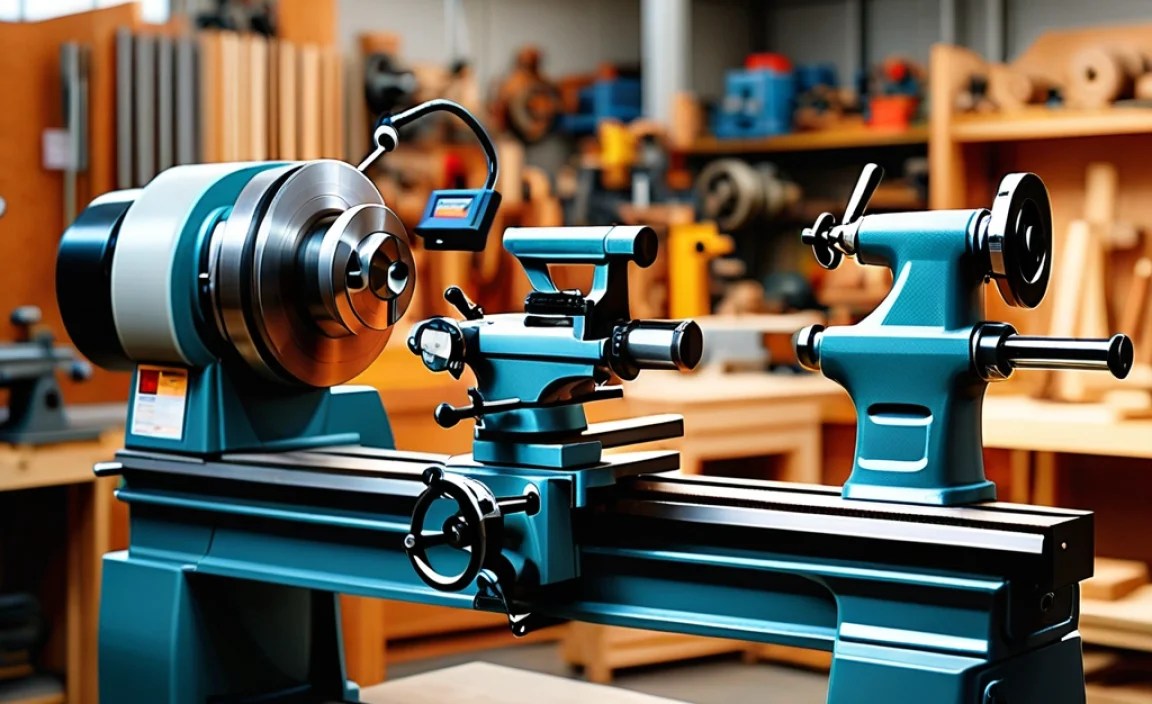
Before you even think about turning on the machine, you’ll learn about its different parts and their functions. This includes:
- The Headstock: The part that houses the motor and drive mechanism to spin the wood.
- The Tailstock: The part that supports the other end of the workpiece, often holding a spur drive or a live center.
- The Bed: The main casting that supports the headstock, tailstock, and tool rest.
- The Tool Rest: A crucial component that supports your turning tools and guides them along the spinning wood. Its position is critical for safety and effective turning.
- The Motor and Speed Control: Understanding how to adjust and maintain the lathe’s speed is vital, as different woods and operations require different settings.
You’ll also learn about the lathe’s capacity – how large a piece of wood it can safely handle in terms of length and diameter.
2. Personal Protective Equipment (PPE) – Non-Negotiable Gear
This is often the first and most emphasized topic in any safety class. Wearing the correct PPE is your primary line of defense against common lathe hazards. You will learn why each piece is essential:
- Eye Protection: Full-face shields or safety goggles are a must. Wood chips and dust can fly at high speeds. A face shield offers the best protection for your entire face. Consider looking at options approved by the American National Standards Institute (ANSI) for assurance.
- Hearing Protection: Lathes can operate at speeds that generate significant noise. Earplugs or earmuffs will protect your hearing over time.
- Dust Mask or Respirator: Especially for prolonged turning, a good quality dust mask or, ideally, a respirator is essential to avoid inhaling fine wood dust, which can cause respiratory issues.
- Appropriate Clothing: This is critically important. You’ll be taught to wear snug-fitting clothing. No loose sleeves, no dangling drawstrings, no scarves. Roll up long sleeves tightly.
- Closed-Toe Shoes: Protect your feet from dropped tools or lumber.
- No Jewelry or Gloves: Rings, necklaces, bracelets, and especially gloves can get caught in the spinning workpiece, leading to severe entanglement.
3. Proper Workpiece Mounting
This is a critical skill that is thoroughly covered. A workpiece that isn’t mounted securely is a projectile waiting to happen. You’ll learn about:
- Spur Drives and Live Centers: How to properly seat a spur drive into your workpiece and how to use a live center in the tailstock for support.
- Faceplates: For larger or irregularly shaped pieces, you’ll learn how to mount them securely to a faceplate.
- Chucks: If your lathe has a chuck, you’ll learn how to attach it to the spindle and how to secure wood within its jaws.
- Alignment and Balancing: Ensuring the wood is as centered as possible initially, and understanding the effects of imbalance as you shape the wood.
4. Tool Selection and Use
Woodturning involves specialized tools unlike those used for hand carving. You’ll learn about the different types of turning tools and their specific applications:
- Gouges: Used for shaping and hollowing. You’ll learn about spindle gouges and bowl gouges.
- Scrapers: Used for fine finishing and removing tool marks.
- Skew Chisels: Versatile tools for peeling, shearing, and beading.
- Parting Tools: Used to cut material away or to prepare for cutting a piece off the lathe.
Beyond identifying tools, you’ll learn the correct way to hold them, how to present them to the wood, and the importance of keeping your tools sharp. A dull tool is not only ineffective but also more dangerous, requiring more force and increasing the risk of a catch.
5. Tool Rest Positioning
The tool rest is where your turning tool rests while you shape the wood. Its position is absolutely vital for safety:
- Correct Height: The top of the tool rest should generally be no more than 1/8 to 1/4 inch below the axis of the spinning workpiece.
- Correct Distance: It should be as close to the workpiece as possible – again, 1/8 to 1/4 inch is the general rule. Too far away, and there’s a significant risk of the tool catching between the rest and the wood.
- Securely Fastened: The tool rest must be locked firmly in place so it doesn’t move during operation.
You’ll practice presenting your tool to the wood with the rest in the correct position, learning how to use it as a pivot point for your tool control.
6. Lathe Speeds and RPMs
Understanding the relationship between workpiece size, wood density, and rotational speed (RPM) is crucial for safety. A general guideline is that larger diameters require slower speeds, and smaller diameters can handle faster speeds. Here’s a basic illustration:
| Wood Diameter (Approximate) | Recommended RPM Range |
|---|---|
| 1 inch | 2000 – 3000+ RPM |
| 3 inches | 900 – 1500 RPM |
| 6 inches | 400 – 700 RPM |
| 10 inches | 200 – 400 RPM |
| 15 inches | 100 – 200 RPM |
Note: These are general guidelines. Factors like wood condition (green vs. dry) and workpiece shape can influence safe operating speeds. Always err on the side of caution.
A safety class will often provide a more detailed chart and explain the physics behind why slower speeds are safer for larger, out-of-balance pieces. You’ll learn how speeds can be adjusted during the turning process as the wood’s mass changes.
7. Safe Operating Procedures
This is where theory meets practice. You’ll learn a step-by-step process for operating the lathe safely:
- Preparation: Clearing the workspace, ensuring PPE is worn, checking the lathe is clean and in good working order.
- Workpiece Check: Inspecting the wood for cracks, knots, or defects that could cause problems.
- Mounting: Securely mounting the workpiece as practiced.
- Tool Rest Placement: Correctly positioning the tool rest.
- Initial Spin: Starting the lathe at a very low speed to check for obvious wobbles or imbalances.
- Gradual Speed Increase: Slowly increasing the speed to the desired RPM after confirming stability.
- Tool Presentation: Using the tool rest as a pivot, presenting the tool to the spinning wood correctly.
- Steady Pressure: Applying controlled, consistent pressure.
- Awareness: Maintaining constant awareness of the spinning wood, the tool, and the lathe.
- Stopping the Lathe: Allowing the lathe to come to a complete stop before making any adjustments or removing the workpiece.
8. Recognizing and Mitigating Risks
A good instructor will teach you to anticipate problems. This includes recognizing:
- Out-of-Balance Workpieces: How they vibrate and what to do (slow down, check mounting).
- Lathe Chatter: A vibration that can occur during turning and how to address it (adjust speed, tool angle, or tool rest).
- Tool Catching Signs: The feel of the tool starting to dig in and how to react instantly by slightly altering the tool angle or pressure.
- Cracked or Fragmenting Wood: What to look and listen for that signals a problem with the wood itself.
9. Emergency Procedures
What do you do if something goes wrong? A safety class will cover this:
- Immediate Stop Button: Knowing where the emergency stop button is and how to use it instantly.
- Controlled Release: If a tool catches, the best immediate reaction is often to ease pressure and slightly rotate the tool to prevent it from digging deeper, rather than yanking it away abruptly.
- What to Do if Workpiece Ejects: Step back and allow it to clear. Never try to stop it with your body.
You can find resources on general workshop safety from the Occupational Safety and Health Administration (OSHA), which emphasizes the importance of understanding hazards and using appropriate PPE.
When and Where to Find a Wood Lathe Safety Class

The best time to take a wood lathe safety class is before you buy a lathe, or at the very latest, before you turn it on for the first time. It’s much easier to learn good habits from the start than to unlearn bad ones.
Where to Look:
- Local Woodworking Stores: Many larger woodworking supply shops offer classes or can point you to local instructors.
- Community Colleges and Technical Schools: These institutions often have excellent woodworking departments with introductory courses.
- Woodworking Guilds and Associations: Local chapters of woodworking organizations are often a treasure trove of knowledge and can host workshops.
- Private Instructors: Experienced woodturners sometimes offer private lessons or small group classes.
- Online Courses (with Caution): While online resources can be supplementary, hands-on training is crucial for learning the physical feel and immediate feedback of lathe operation. Look for reputable online instructors who emphasize safety and offer opportunities for instructor feedback. However, nothing truly replaces in-person instruction for a topic as critical as lathe safety.
What to Look For in a Class:
- Hands-On Experience: The class should offer ample opportunity for you to operate the lathe yourself under supervision.
- Experienced Instructor: Ensure the instructor is a seasoned woodturner with a good reputation for teaching safety.
- Small Class Size: Smaller groups mean more personalized attention and feedback.
- Comprehensive Curriculum: Does it cover PPE, machine operation, tool use, and emergency procedures?
- Focus on Beginners: The class should be geared towards individuals with little to no prior experience.
Beyond the Class: Developing Safe Habits

Completing a safety class is a fantastic start, but woodworking, especially lathe work, is a continuous learning process. Here’s how to keep your safety sharp:
1. Sharpen Your Tools Regularly
Dull tools require more force, are harder to control, and are more prone to catching. Learn how to properly sharpen your lathe tools. A good set of sharpening stones or a powered sharpening system is a wise investment. Many classes will cover basic sharpening techniques, or you can find dedicated workshops.
2. Maintain Your Lathe
Periodically check your lathe for loose bolts, wear and tear on belts, and proper lubrication. A well-maintained machine is a safer machine. Refer to your lathe’s manual for specific maintenance schedules and procedures. Resources like Wood Magazine’s extensive library often have maintenance tips for various tools.
3. Always Tidy Your Workspace
A clean shop is a safe shop. Keep wood shavings, dust piles, and tools organized and out of your walking paths. Good lighting is also essential for visibility.
4. Never Rush
“Measure twice, cut once” applies to safety, too. Don’t try to rush through a process, especially when you’re tired or distracted. If you feel yourself getting impatient, take a break.
5. Learn from Others
Continue to seek knowledge. Watch expert woodturners, read books, and ask questions. The more you understand, the safer you’ll become.
6. Start Simple
Don’t try to tackle a massive, complex project on your first try. Begin with smaller, more manageable pieces to build your skills and confidence gradually. Practice basic cuts before moving on to more advanced techniques.
Safety Checklist Before Each Use
Before you power up your lathe for any project, run through this quick mental or even physical checklist:
- PPE: Am I wearing my face shield, hearing protection, and appropriate clothing? No jewelry, no gloves.
- Workspace: Is my area clear of clutter and hazards? Is lighting adequate?
- Lathe: Is it clean? Are there any obvious signs of damage or loose parts?
- Workpiece: Does the wood look sound? Are there any cracks or defects?
- Mounting: Is the wood securely held by the drive center/spur and the tailstock, or is it firmly in a chuck/faceplate?
- Tool Rest: Is it in the correct position (close and slightly below center)? Is it locked down securely?
- Tools: Are my turning tools clean, sharp, and in good condition?
- Speed: Have I selected an appropriate starting RPM for the workpiece size and type?
