Discover how to build a robust wood lathe steady rest with this DIY design guide. Ideal for beginners, it provides essential support to prevent workpiece flexing and improve turning accuracy, making longer or thinner projects achievable and safer.
Wood Lathe Steady Rest DIY Design: Proven Essential for Turning Success

Ever struggled with long, thin pieces on your wood lathe? You know, the kind that starts wobbling and vibrating the moment you get a tool to it? It’s a common frustration for many woodturners. This flexing can ruin your project, make precise cuts impossible, and even be a safety hazard. Thankfully, there’s a simple solution: a steady rest. While commercial steady rests can be pricey, building your own DIY design is an incredibly rewarding and cost-effective project. This guide will walk you through a proven, essential steady rest design, perfect for beginners, that will significantly improve your turning capabilities.
We’ll cover everything you need, from understanding the purpose of a steady rest to a step-by-step build process. Get ready to tackle those challenging turnings with newfound confidence!
Why You Need a Steady Rest for Your Wood Lathe
A steady rest is a woodworking tool that attaches to the bed of your lathe. Its primary function is to support the workpiece. Unlike a faceplate or chuck, which holds an extrémités of the wood, a steady rest supports the piece from the side, usually in the middle.
Think of it like this: If you’re trying to balance a long, thin pole on your hands, it’s going to wobble and sag. But if you place a few supports along its length, it becomes much more stable. That’s exactly what a steady rest does for your wood.
Here’s why having one, even a DIY version, is so crucial:
- Reduces Vibration: Long workpieces are prone to vibration, especially as they become less round or when removing significant amounts of material. A steady rest minimizes this by providing constant support.
- Prevents Sagging: Gravity can cause long pieces to sag, leading to uneven wall thickness in bowls or an uncentered appearance in spindles. The rest counteracts this.
- Improves Accuracy: With a stable workpiece, you can achieve much finer cuts and more precise shapes. No more fighting a vibrating piece!
- Enables Larger/Thinner Projects: Projects that would normally be too long or thin to turn safely become manageable with a steady rest. Think elongated table legs, large hollow forms, or slender vase shapes.
- Enhances Safety: A wobbling workpiece flying off the lathe is a serious danger. A steady rest adds a layer of stability that significantly improves safety.
Understanding the Basic Design of a Steady Rest
Most wood lathe steady rests share a fundamental design principle. They consist of a sturdy frame that clamps onto the lathe bed and adjustable arms that cradle the workpiece. The arms typically have a smooth, non-marring surface (like wood blocks or bearings) to allow the workpiece to rotate freely without damage.
Our DIY design will focus on a simple yet effective structure that’s easy to build with common tools and materials. We’ll aim for adjustability so it can accommodate various workpiece diameters.
Materials and Tools You’ll Need for Your DIY Steady Rest

Building a reliable steady rest doesn’t require a massive workshop or exotic materials. Here’s what you’ll likely need:
Essential Materials:
- Wood: You’ll need some sturdy hardwood, like oak, maple, or beech, for the main body and arms. About 1×4 or 1×6 lumber should suffice. Scraps can often be used for the smaller parts.
- Metal Stock: A piece of steel or aluminum bar stock (e.g., 1/4″ x 1″ or similar) will be needed for the clamps or mounting bracket that attaches to your lathe bed. The dimensions will depend on your specific lathe bed.
- Fasteners: Wood screws (various lengths), machine screws, nuts, and washers.
- Contact Material: For the arms that touch the wood. You can use hardwood blocks, felt pads, or even small ball bearings. For a beginner-friendly design, hardwood blocks are a great starting point.
- Threaded Rod (Optional but Recommended): For adjusting the arms, threaded rod provides a smooth and precise adjustment mechanism.
- Knobs or Wheels (Optional): For easy manual adjustment of the threaded rod.
Recommended Tools:
- Measuring Tape and Pencil: For accurate layout.
- Saw: A handsaw, miter saw, or table saw for cutting wood.
- Drill and Drill Bits: For making pilot holes and clearance holes.
- Screwdriver Set: To drive screws.
- Wrenches or Socket Set: For tightening nuts and bolts.
- Clamps: To hold pieces while gluing or assembling.
- Sandpaper: For smoothing edges and surfaces.
- Safety Glasses: Always wear these when working with tools!
- Metal File or Grinder (if modifying metal stock): For shaping the metal bracket.
- Tap and Die Set (if using threaded rod): To create threads for adjustment knobs.
Don’t worry if you don’t have every single tool. Many parts can be adapted. For example, if you don’t have a tap and die set, you can often use standard bolts and nuts for a simpler adjustment system.
Always ensure your tools are in good working order and you understand how to use them safely. Resources like the OSHA guide to safe lathe operation can provide valuable safety insights.
Step-by-Step: Building Your Wood Lathe Steady Rest

This design is straightforward and focuses on functionality. We’ll build a frame that clamps to the lathe bed, and then an adjustable arm system.
Step 1: Design and Measure Your Lathe Bed
Before cutting any wood, you need to know how the steady rest will attach to your lathe. Measure the width and height of your lathe bed where you intend to mount the steady rest. This is critical for creating a secure fit.
Tip: Aim to mount the steady rest in a location that allows for good workpiece support without interfering with the tailstock or headstock drive. Often, a spot roughly in the middle of the bed is ideal.
Step 2: Construct the Mounting Bracket
This is the part that grips your lathe bed. It needs to be strong and stable.
- Cut Metal Stock: If you’re using a piece of flat bar stock, cut it to a length that will span the width of your lathe bed, with a little extra for adjustment or clamping.
- Create Clamping Mechanism: This is the most variable part based on your lathe.
- Simple Clamp: You might drill and tap holes in the bar stock to accept bolts that will cinch down onto the sides of the bed. Use rubber shims between the bolts and the lathe bed to protect its finish and add grip.
- Adjustable Jaws: For a more robust design, you could create two U-shaped brackets that slide along the metal bar, allowing you to adjust the clamping width. These would then be tightened down.
- Bolt-Through Design: If your lathe bed has access points, you might even drill through the bar and the bed (if you’re comfortable doing so and it doesn’t compromise your lathe’s integrity) and use bolts.
- Consider Height: You may need to add a small riser block of wood under the main steady rest frame for optimal height alignment with your lathe centers.
Example: For a lathe bed that is 3 inches wide, you might cut a 4-inch steel bar. Then, drill and tap holes on the underside of the bar to accept two 3/8” bolts. You’d adjust these bolts to grip the sides of the bed.
Step 3: Build the Main Frame
This is the central housing for the adjustable arms.
- Cut Wood Pieces: Cut two identical pieces of hardwood (e.g., 1×6) to form the sides of the frame. Their length should be enough to comfortably house your adjustment mechanism and supports.
- Connect the Frame: Use shorter pieces of hardwood or metal to connect the two side pieces, creating a sturdy rectangular or U-shaped frame. Ensure the spacing between the side pieces is sufficient for your adjustment system.
- Attach to Bracket: Securely attach this wooden frame to the metal mounting bracket you made in Step 2. Use wood screws and possibly some wood glue for extra strength.
Step 4: Create the Adjustable Arms
These are the parts that will contact and support your workpiece. For this DIY design, we’ll use simple wooden blocks that can be moved in or out.
- Prepare Arm Blocks: Cut three identical blocks of hardwood. These will be your adjustable arms. Ensure they are smooth and free of splinters. You can add felt or even small bearings to the surface that contacts the wood to reduce friction.
- Mounting Method: There are a few ways to make them adjustable:
- Sliding Blocks with Bolts: Drill a clearance hole through each side piece of the main frame (Step 3). This hole should accommodate a bolt or threaded rod. Mount the arm blocks onto these bolts/rods. You can then tighten nuts on either side of the frame to lock the arms in place, or use threaded rod and knobs for fine adjustment.
- Threaded Rod System (Recommended): This is a more refined method. Attach a threaded rod horizontally to the back of the main frame. Drill and tap mating threads into each arm block. As you turn the threaded rod (using attached knobs or wheels), the arms will move in or out symmetrically. This requires more precision but offers better adjustability.
- Positioning: You’ll typically want three arms arranged in a “Y” or triangular configuration to support the workpiece from three points.
Let’s detail the threaded rod system as it’s a proven method:
- Drill Frame: On the inside face of each main frame side piece, drill a hole large enough for your threaded rod to pass through freely.
- Tap Arm Blocks: Drill a hole into the center of each arm block. Use a tap to create threads that match your threaded rod.
- Install Threaded Rod: Cut a threaded rod to length. You’ll need it long enough to pass through both frame sides and reach into the arm blocks. You might need slightly shorter rods if you’re making a smaller steady rest or have a very compact frame.
- Attach Knobs (Optional): Fix knobs or small wheels onto the ends of the threaded rod. This allows you to turn the rod by hand to move the arm blocks.
- Assemble Arms: Screw the arm blocks onto the threaded rod. Pass the rod through the holes in the frame. You may need to add nuts or collars on the outside of the frame to prevent the rod from sliding side-to-side.
Step 5: Fine-Tuning and Finishing Touches
Once assembled, it’s time to make sure everything works smoothly.
- Test Fit: Mount the steady rest onto your lathe bed. Ensure it’s secure and doesn’t shift.
- Adjust Arms: Place a dowel or scrap piece of wood between the lathe centers. Adjust the arms so they lightly contact the wood. Ensure the workpiece is supported and spins freely without binding.
- Smooth Surfaces: Sand all wooden parts smooth. Pay particular attention to the surfaces of the arm blocks that contact the workpiece to avoid marring. Applying a light coat of paste wax to these surfaces will help them glide.
- Check Alignment: Ensure the steady rest is centered with your lathe’s headstock and tailstock centers.
Here’s a table summarizing the typical ranges for some components:
| Component | Typical Material | Typical Size (Example) | Function |
|---|---|---|---|
| Mounting Bracket | Steel or Aluminum Bar | 1/4″ x 1″ x 6″ | Clamps steady rest to lathe bed |
| Main Frame Sides | Hardwood (Oak, Maple) | 3/4″ x 5.5″ x 8″ | Houses adjustment mechanism |
| Adjustable Arms | Hardwood (Oak, Maple) | 1″ x 2″ x 3″ | Support the workpiece |
| Adjustment Mechanism | Threaded Rod (e.g., 3/8″) | 6″ – 12″ length | Moves arms in/out |
| Fasteners | Steel Screws, Nuts, Washers | Various | Assembly and adjustment locking |
Using Your DIY Steady Rest Safely and Effectively

Now that you’ve built your steady rest, let’s talk about how to use it properly. Safety and technique are key!
Mounting Your Steady Rest
- Power Off: Always ensure your lathe is completely powered off and the chuck is secure before mounting or adjusting anything on the headstock or bed.
- Secure Fit: Attach the steady rest firmly to the lathe bed. It should not wobble or slide. Double-check that your clamping mechanism is tight.
- Alignment: Position the steady rest so that its arms will align with the center of your workpiece when it’s between the lathe centers.
Adjusting the Arms
- Start Loose: When first using it on a workpiece, the arms should be slightly retracted.
- Position Workpiece: Mount and true your workpiece as you normally would between the centers.
- Advance Arms Gently: Slowly advance the steady rest arms until they make light contact with the workpiece. You’re not trying to squeeze the wood; you’re just providing enough support to stop vibration.
- Check Rotation: Rotate the piece by hand to ensure the arms aren’t binding anywhere in the rotation. Make very small adjustments as needed.
- Avoid Overtightening: Pressuring the workpiece too hard can distort its shape, cause it to bind, or even damage the lathe. The goal is steady support, not clamping.
| Good Practice | Why it Matters |
|---|---|
| Keep arms lightly contacting the workpiece. | Prevents vibration without distorting the wood or causing binding. |
| Ensure workpiece spins freely by hand after adjustment. | Confirms no binding or excessive friction. |
| Turn off lathe before making adjustments. | Crucial safety measure to prevent accidents. |
| Use smooth contact points on arms (wood, felt, bearings). | Protects the workpiece finish and allows smooth rotation. |
| Periodically check tightness of steady rest on bed. | Ensures stability throughout the turning process. |
When to Use a Steady Rest
A steady rest is invaluable for:
- Long Spindles: Turning table legs, bed posts, balusters, or any long, relatively thin spindle where the middle section will flex.
- Thin-Walled Bowls/Vessels: As you hollow out larger diameter bowls, especially if the walls are thin, the rim can become unstable. A steady rest positioned near the opening can provide crucial support.
- Delicate Woods: If you’re working with very soft or brittle woods, a steady rest can prevent them from breaking under their own weight or the stress of turning.
- Repairs: Sometimes, a steady rest is needed to support a section of wood that has a natural imperfection or a knot that might cause catch.
It’s important to note that a steady rest is not for every project. For short, chunky turnings or pieces mounted entirely on a faceplate, it’s unnecessary and can even be in the way.
Troubleshooting Common Issues
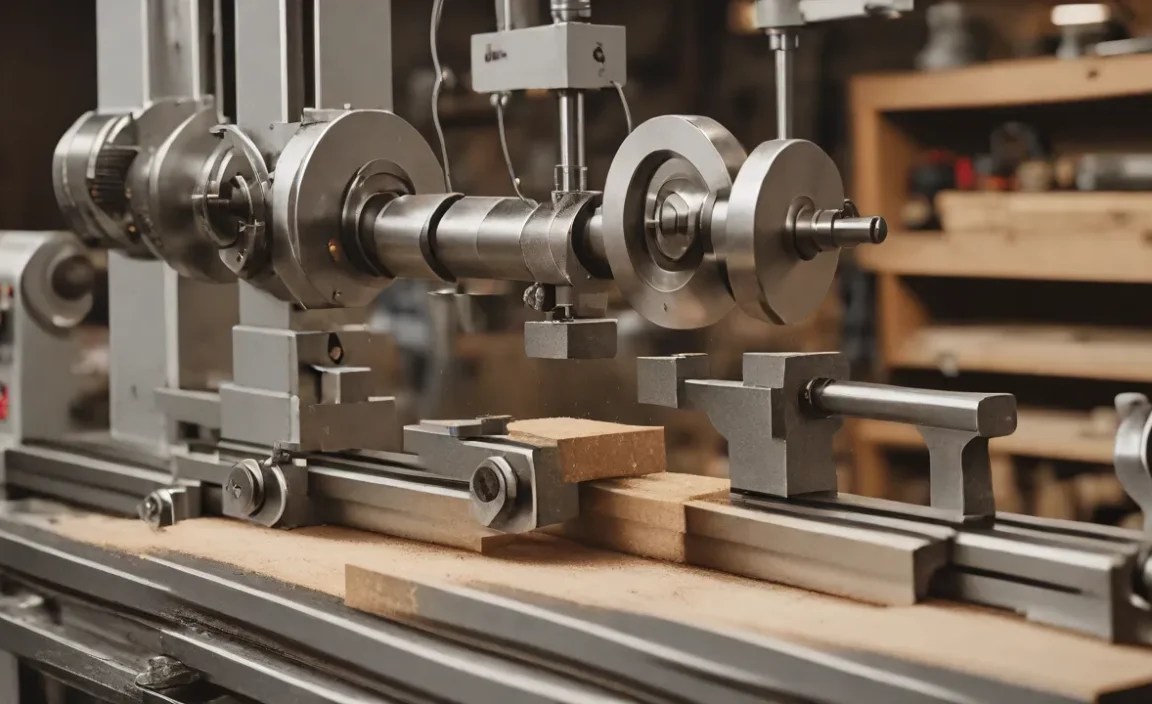
Even with the best DIY plans, you might encounter a snag. Here are a few common issues and how to fix them:
- Steady Rest Wobbles on Bed:
- Cause: Lathe bed is not flat, or the mounting bracket isn’t gripping tightly enough.
